Delicate fish, prepared with precision, responds best to gentle cooking methods that respect its subtlety and fine texture. This chef-inspired recipe reveals not only how to make shallow-poached walleye with a sublime shallot wine sauce, but why the method matters and how restraint in technique yields extraordinary results. Drawing from classic French fundamentals and Michael Ruhlman’s expertise, this step-by-step guide walks you through craft, science, and flavor—elevating your kitchen skills and table alike.
Understanding the Poaching Technique
Poaching is a moist-heat cooking method that employs gentle simmering, ideal for delicate fish like walleye. The aim is to cook proteins through without toughening or drying them, preserving both tenderness and flavor. Poaching can be deep (submerged in liquid) or shallow—our focus here—where fish sits partly above the simmering liquid, absorbing flavors from both steam and poaching broth. As Ruhlman emphasizes, the method enhances moistness, preventing the dry-out sometimes associated with high-heat cooking of lean fish.
- Shallow poaching keeps fish moist, with subtle flavor penetration.
- Ideal for fillets prone to overcooking, like walleye, cod, or sole.
- Gentle heat is key: poaching liquid should be hot but not boiling (simmering at 170-180°F / 77–82°C).
Benefits of Shallow Poaching
- Even gentle cooking yields tender, moist results
- Fish absorbs subtle aromatics from seasoned liquid
- Perfect for lean, flaky fish prone to overcooking using dry-heat methods
- Leftover poaching liquid becomes the base for the accompanying sauce
The Elegance of Walleye: Fish Selection & Preparation
Walleye holds a special place among North American freshwater fish: mild, delicate, and prized for its sweet richness and fine flakes. Its subtlety is best highlighted by understated, classic preparation routines. This recipe works equally well with similar white-fleshed fish such as pike, perch, or cod, but walleye’s gentle flavor is perfectly suited for wine-spiked poaching.
What to Look for in Walleye
- Firm, translucent, white flesh with a clean, aquatic scent
- Skinless fillets cut 3/4 to 1 inch thick for even poaching
- Patted dry to promote gentle searing (if desired before poaching)
Essential Ingredients at a Glance
| Ingredient | Purpose | Tips |
|---|---|---|
| Walleye fillets | Main protein | Substitute with pike, perch, or cod if needed |
| Dry white wine | Poaching base and sauce flavor | Choose unoaked for brightness |
| Shallots | Aromatic, sweet undertone | Mince finely for even sauté |
| Butter | Enriches poaching liquid and sauce | Divided for sauce and finish |
| All-purpose flour | Optional for thickening | Make a roux if a thicker sauce is needed |
| Herbs (thyme, parsley) | Freshness and fragrance | Sprigs preferred for easy removal |
| Salt & pepper | Seasoning throughout | Season to taste, layering as you cook |
Step-by-Step: Shallow Poaching Walleye
Step 1: Prepare Aromatics and Sauce Base
- Mince one large shallot finely. This will become the aromatic backbone of both poaching liquid and sauce.
- In a shallow sauté pan with lid, melt 1 1/2 tablespoons of butter over medium-low heat.
- Add the shallot and a pinch of salt, sweating gently to soften and release fragrance without browning (2–3 minutes).
Step 2: Build the Poaching Liquid
- Pour in 1 cup dry white wine. Let it simmer for about 30 seconds to blend with shallots.
- Add 3–4 sprigs of parsley or thyme. Some recipes include a few peppercorns for subtle spice.
- Add just enough cold water to make enough liquid to submerge the fish by 1/3 to 1/2 their height (about 1/2 cup additional water).
- Season the liquid lightly with salt and bring to a gentle simmer—not a rapid boil.
Step 3: Poach the Fish
- Slide in the seasoned walleye fillets, arranging them in a single layer.
- Cover the pan tightly and keep the liquid at a barely-there simmer—small bubbles, no boiling.
- Cook for 6 to 8 minutes, or until fish turns opaque, just firms, and is easily flaked with a fork (internal temp 135–140°F / 57–60°C).
- Remove the poached fillets gently with a slotted spatula and keep warm, tented with foil.
Step 4: Finish the Shallot Wine Sauce
- Increase heat to medium-high and reduce the poaching liquid by about half, concentrating flavors.
- If a thicker sauce is desired: In a separate pan, melt 1 tablespoon butter, then stir in 1 tablespoon all-purpose flour; cook for 1 minute.
- Gradually whisk in the reduced poaching liquid to make a velvety, lightly thickened sauce.
- Strain sauce if desired, then whisk in the final 1/2 tablespoon butter for gloss and richness.
- Season to taste with salt and pepper; finish with a shower of chopped fresh parsley.
Chef’s Insights: What Sets This Approach Apart?
The beauty of shallow poaching lies in its restraint: no searing, no aggressive flavors—just respect for the character of the fish. This is a classic example of French technique, where the sauce serves to gently amplify the fish, not mask it. Michael Ruhlman’s method, featured in his cookbooks and on Serious Eats, illustrates how foundational skills like poaching and saucework make home cooks more versatile and confident. Mastery of these basics is transformative—from elevating weeknight dinners to impressing guests at special occasions.
- Use fresh, high-quality fish for the best results.
- Minimize distractions: allow gentle aromatics to complement, not overpower, the fish.
- Patience with temperature control pays off in texture and flavor.
Serving and Pairing Suggestions
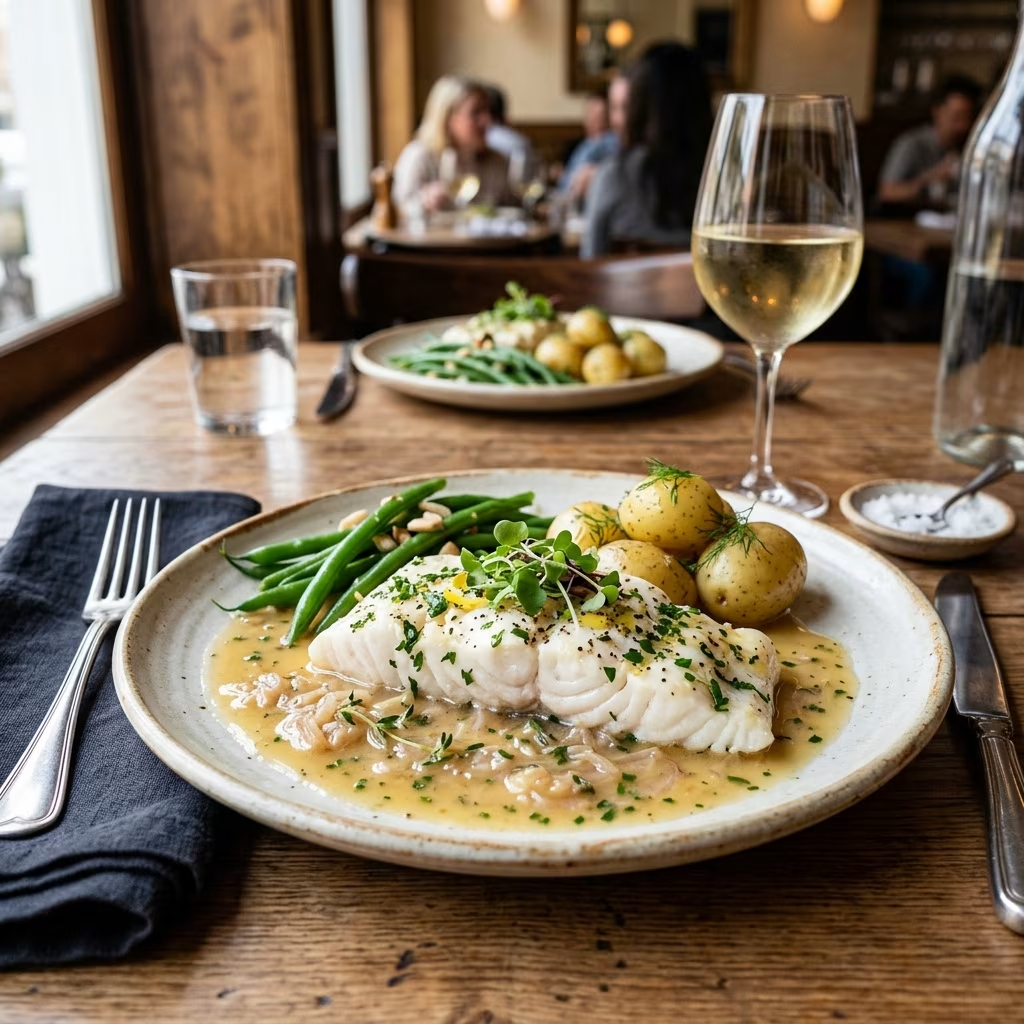
This dish is classically plated with the fish nestled on a shallow pool of sauce, accented by scattered herbs and perhaps a simple vegetable or potato accompaniment. Its refined balance deserves equally subtle sides:
- Steamed asparagus or haricots verts: contrasts the richness of the butter sauce
- New potatoes, boiled and lightly herbed
- Warm crusty bread: perfect for soaking up excess sauce
- Pair with a clean, unoaked white wine: such as Sauvignon Blanc, Pinot Grigio, or a mineral-driven Chardonnay
Variations and Troubleshooting
Alternative Fish Choices
- Use the same technique with cod, haddock, sole, or perch if walleye is unavailable. Adjust poaching time for fillet thickness.
Flavor Twists
- Add a splash of cream to the finished sauce for a richer, more French touch.
- Swap parsley for tarragon for a delicate anise note.
- For extra flavor depth, include a strip of lemon zest with the aromatics.
Common Pitfalls and How to Avoid Them
- Overcooking: Keep a close eye on timing; walleye turns dry quickly.
- Boiling the fish: Simmering is essential. Vigorous boiling will cause fillets to break apart and lose their tenderness.
- Sauce too thin or bland: Proper reduction and seasoning bring the sauce together. Finish with butter for body and shine.
Nutritional Highlights
Walleye is a lean source of protein—low in fat, rich in B vitamins and selenium, and well-suited for lighter meals. Poaching, as a moist-heat technique, avoids added fats (aside from a little enriching butter in the sauce), making this preparation heart-healthy and elegant.
Expert Tips for Success
- Use a pan just large enough to fit fish in a single layer, avoiding over-crowding.
- Shield poaching liquid from evaporation by keeping the pan covered whenever possible.
- Warm the serving platter to keep fish at ideal temperature while finishing your sauce.
- Always taste and adjust sauce seasoning at the end; a squeeze of lemon can brighten flavors.
- Prepare all ingredients before starting, as the cooking process moves quickly.
Frequently Asked Questions (FAQs)
Q: What makes shallow poaching superior for delicate fish?
A: Shallow poaching envelops fish in gentle heat and flavorful steam, preserving its tender texture and minimizing the risk of overcooking. The poaching liquid adds subtle aromatics, yielding a more elegant, nuanced final dish than higher-heat or dry-cooking methods.
Q: Can I use frozen fish fillets in this recipe?
A: Yes, but thaw fish completely in the refrigerator and pat very dry before poaching. Excess water can dilute the poaching liquid and impair sauce concentration.
Q: What is the best wine for the poaching liquid and sauce?
A: Opt for a clean, bright, unoaked dry white wine—such as Sauvignon Blanc or Pinot Grigio—that won’t overpower the fish. Avoid sweet or heavily oaked wines which can distract from subtle flavors.
Q: How do I know if the fish is cooked through?
A: The fish should turn opaque, just barely flake with a fork, and have a moist, not mushy, feel. An instant-read thermometer showing 135–140°F (57–60°C) at the thickest point is a reliable guide.
Q: What is the origin of this recipe?
A: This shallow-poached walleye with shallot wine sauce draws inspiration from French classic techniques and is featured in Michael Ruhlman’s culinary writing, celebrated for its precision and restraint.
Recipe Recap: Shallow-Poached Walleye with Shallot Wine Sauce
- Finely mince a shallot and sweat in butter over medium-low heat until fragrant.
- Add dry white wine, fresh herbs, and just enough water to create a shallow poaching liquid. Simmer gently.
- Season and add fish fillets in a single layer. Cover and keep at a gentle simmer until just cooked through (6–8 minutes).
- Remove and keep fish warm.
- Reduce the liquid, finish with butter, and if desired, thicken with a light roux for a velvety shallot wine sauce.
- Pour over the plated fish, garnish with herbs, and serve immediately.
About the Author: Michael Ruhlman
Michael Ruhlman is an acclaimed food author and culinary authority. His works—including Ruhlman’s Twenty, Ratio, The Elements of Cooking, and The Making of a Chef—demystify foundational cooking principles for home and professional cooks. His clear-eyed approach to technique, hospitality, and flavor inspires cooks to embrace classical methods while making them accessible for every kitchen.
Further Reading
- Ruhlman’s Twenty: A comprehensive guide to the twenty essential cooking techniques
- Serious Eats: Step-by-step technique articles and chef interviews
- Classic French cookbooks, such as Escoffier and Jacques Pépin, for variation and deeper context
Begin with the fundamentals, approach each step with confidence, and you’ll create restaurant-worthy fish in your home kitchen—one poached walleye fillet at a time.
References
- https://www.hookedonfishchicago.com/blogs/news/tagged/walleye
- https://ruhlman.com/poached-beef-tenderloin/
- https://www.hookedonfishchicago.com/blogs/news/shallow-poached-walleye-with-shallot-wine-sauce
- https://app.ckbk.com/recipe/ruhl76438c17s001r004/shallow-poached-walleye-with-white-wine-shallot-sauce
- https://app.ckbk.com/section/ruhl76438c17s001/poach
- https://www.splendidtable.org/bio/michael-ruhlman