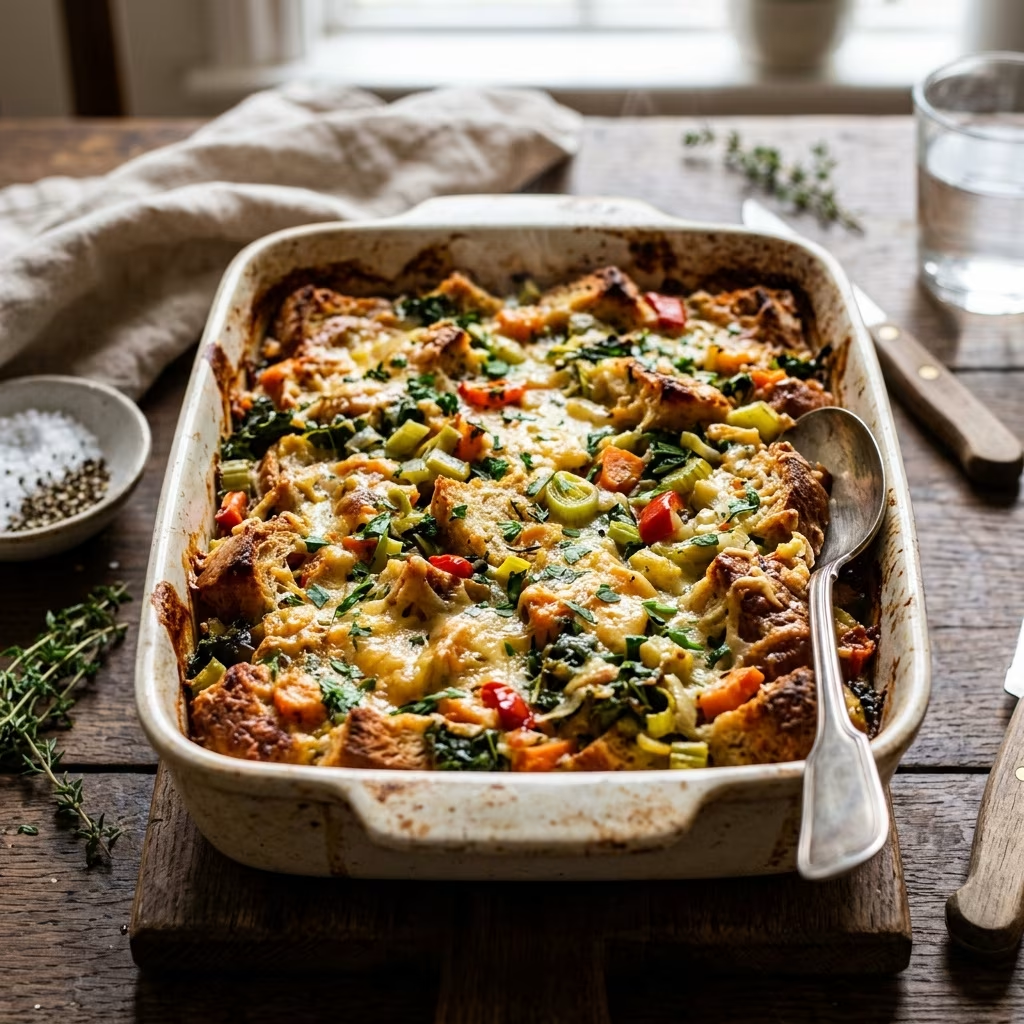
Irish Cheddar & Vegetable Bread Pudding
A savory bread pudding brings together chunks of crusty bread, roasted vegetables, and flavorful Irish cheddar into a comforting bake—making for a dish that’s at once rustic and crowd-pleasing. Unlike sweet bread puddings, this version is deeply savory, packed with caramelized onions, vibrant greens, and sharp cheese, set in a silky custard. This article explores the ingredients, techniques, and adaptability of this classic comfort food, as well as step-by-step guidance and answers to common questions.
Why Savory Bread Pudding?
Savory bread puddings transform day-old bread, leftover cheese, and surplus vegetables into something special. While bread pudding is typically thought of as dessert, this savory version proves its versatility, serving as a main dish, brunch item, or hearty side. Key benefits include:
- Utilizes leftovers: Great for decreasing food waste and making use of extra bread, cheese, and vegetables.
- Customizable: Easily adapted to what’s in-season or what’s on hand: swap in different cheeses, vegetables, or herbs.
- Comforting: The combination of creamy custard, crisp bread, and tangy cheese makes it a satisfying comfort food ideal for cooler weather or potlucks.
Ingredients and Variations
The heart of any bread pudding lies in its core components: the bread, custard, vegetables, and cheese. Here’s a breakdown of each:
| Component | Typical Choices | Possible Substitutes |
|---|---|---|
| Bread | Rustic country bread, sourdough, ciabatta | Baguette, challah, multigrain or rye |
| Cheese | Sharp Irish cheddar | Gruyère, aged cheddar, Gouda, feta, Parmesan |
| Vegetables | Onions, kale, carrots, celery, mushrooms | Spinach, peppers, leeks, squash, roasted root vegetables |
| Custard | Eggs, whole milk, cream | Half-and-half, oat milk (for a dairy-free option) |
| Flavorings | Fresh thyme, parsley, salt, black pepper | Nutmeg, rosemary, chives, paprika |
Why Irish Cheddar?
Irish cheddar is celebrated for its sharpness and creamy melt, providing robust flavor that stands up to hearty vegetables and custard. Its grassy, nutty notes complement aromatic herbs and earthy veggies. If unavailable, any aged sharp cheddar may be used, but Irish cheddar offers depth and authenticity.
Step-by-Step Recipe Guide
Follow this process for perfect results every time:
- Prep Bread: Cut several cups of rustic bread into 1-inch cubes. Let them dry out overnight or toast briefly in the oven to develop their texture.
- Roast Vegetables: Toss chopped onions, carrots, celery, mushrooms, and kale with olive oil, salt, and pepper. Roast at 400°F (205°C) until caramelized and tender—usually 20-30 minutes. Roasting concentrates their flavors and prevents sogginess in the finished pudding.
- Make Custard: In a large mixing bowl, whisk together eggs and milk (or cream), then season generously with salt, black pepper, and fresh herbs like thyme and parsley. The ratio is typically 2-4 eggs to 2-3 cups of milk, depending on the bread quantity.
- Assemble:
- Layer toasted bread cubes in a greased baking dish.
- Scatter roasted vegetables and about half the shredded Irish cheddar over the bread.
- Pour custard evenly over the mixture, pressing the bread lightly so it absorbs the liquid.
- Top with remaining cheddar and, optionally, a sprinkle of Parmesan.
- Soak & Bake: Let the assembled pudding rest for 15-30 minutes to soak. Bake uncovered at 350°F (175°C) for 45-55 minutes, until puffed, golden, and set in the center.
- Rest & Serve: Allow to cool for 10 minutes before cutting. This helps the custard set and makes serving neater.
Expert Tips for Success
- Texture is key: Dry bread ensures custard absorbs without turning mushy.
- Bake until set: The pudding should be golden and a knife inserted in the center should emerge clean.
- Cheese layering: Put some cheese in the mix and some on top for flavor and browning.
- Season boldly: Roasted vegetables and custard should be well-salted and herbed to prevent blandness.
- Let stand before serving: This rest makes it easier to cut and improves flavor.
Serving Suggestions
This Irish cheddar and vegetable bread pudding is highly versatile:
- Main dish: Serve with a crisp green salad or soup for lunch or dinner.
- Brunch centerpiece: Pairs well with poached eggs or smoked fish.
- Holiday side: Complements roast beef, turkey, or ham at festive gatherings.
Adapting the Recipe: Substitutions & Variations
Customize this bread pudding according to personal preference or dietary needs:
- Vegetarian: The base recipe is vegetarian, but you can add sautéed bacon or sausage if desired.
- Gluten-free: Use gluten-free rustic bread.
- Dairy-free: Substitute plant-based milk and cheese alternatives.
- Add-ins: Sun-dried tomatoes, roasted peppers, or artichoke hearts for Mediterranean flair.
- Alternate cheeses: Gruyère, blue cheese, or smoked gouda can offer different flavor profiles.
Storage and Make-Ahead Instructions
- Refrigeration: Cool leftovers completely, then wrap tightly and refrigerate up to four days.
- Reheating: Warm covered in a 350°F oven, or microwave individual portions.
- Freezing: Bread pudding can be frozen; wrap tightly and thaw overnight in the refrigerator before reheating.
- Make-ahead: Assemble up to a day in advance, cover well, and bake just before serving.
Nutritional Notes
While rich and satisfying, this dish provides a balanced meal:
Benefits:
- Vegetables add fiber, vitamins, and minerals.
- Eggs and cheese offer protein and calcium.
- Bread provides complex carbohydrates.
Considerations:
- For lower fat content, use reduced-fat cheese and milk.
- Swap in more greens for higher nutritional value.
Frequently Asked Questions (FAQs)
Can I use fresh bread instead of day-old bread?
No, fresh bread is too moist and can turn the pudding mushy. Dry or stale bread absorbs the custard best, resulting in a more structured dish.
What kind of vegetables work best?
Hardy vegetables like onions, carrots, mushrooms, celery, kale, and spinach roast well and hold texture through baking. Feel free to experiment with seasonal produce.
Do I need to toast the bread?
Toasting is recommended for best results—it dries the bread and develops flavor. However, well-stale bread can be used directly.
Can I prepare the pudding in advance?
Yes. Assemble unbaked pudding up to a day ahead, refrigerate covered, then bake before serving. Leftovers keep well and reheat without sacrificing quality.
How do I tell when the bread pudding is done?
The top should be puffed and golden, and a knife inserted in the center should come out clean. Allow it to rest briefly before slicing.
Can I freeze bread pudding?
Yes, tightly wrapped portions freeze well for up to three months. Defrost overnight in the fridge and reheat gently.
Is this dish healthy?
It can be, especially loaded with vegetables and using moderate amounts of full-fat cheese and milk. Adjust portions and add more greens for a lighter outcome.
Pairing Ideas
- Salads: Pair with peppery arugula, vinaigrette, or microgreens for a refreshing contrast.
- Soups: Creamy tomato, smoky lentil, or leek and potato soups complement the flavors.
- Drinks: Irish ale, dry cider, or a robust red wine match well with sharp cheddar.
Final Thoughts
Irish Cheddar & Vegetable Bread Pudding stands out for its flexibility and heartwarming qualities. Whether served as a centerpiece or a side, its layers of caramelized vegetables, toothsome bread, and tangy cheese offer comfort and satisfaction. Explore seasonal variations or stick with the classic formula—this dish always delivers.
References
- https://www.sargento.com/recipes/meals/appetizer-and-sides/vegetable-bread-pudding
- https://reluctantentertainer.com/cheesy-mushroom-kale-challah-bread-pudding/
- https://foodwastefeast.com/recipes/2018/4/15/savory-bread-pudding-with-greens-and-roast-veggies
- https://www.youtube.com/watch?v=tAERoD-xTDg
- https://www.cheeseconnoisseur.com/savory-bread-puddings-make-comforting-sense/