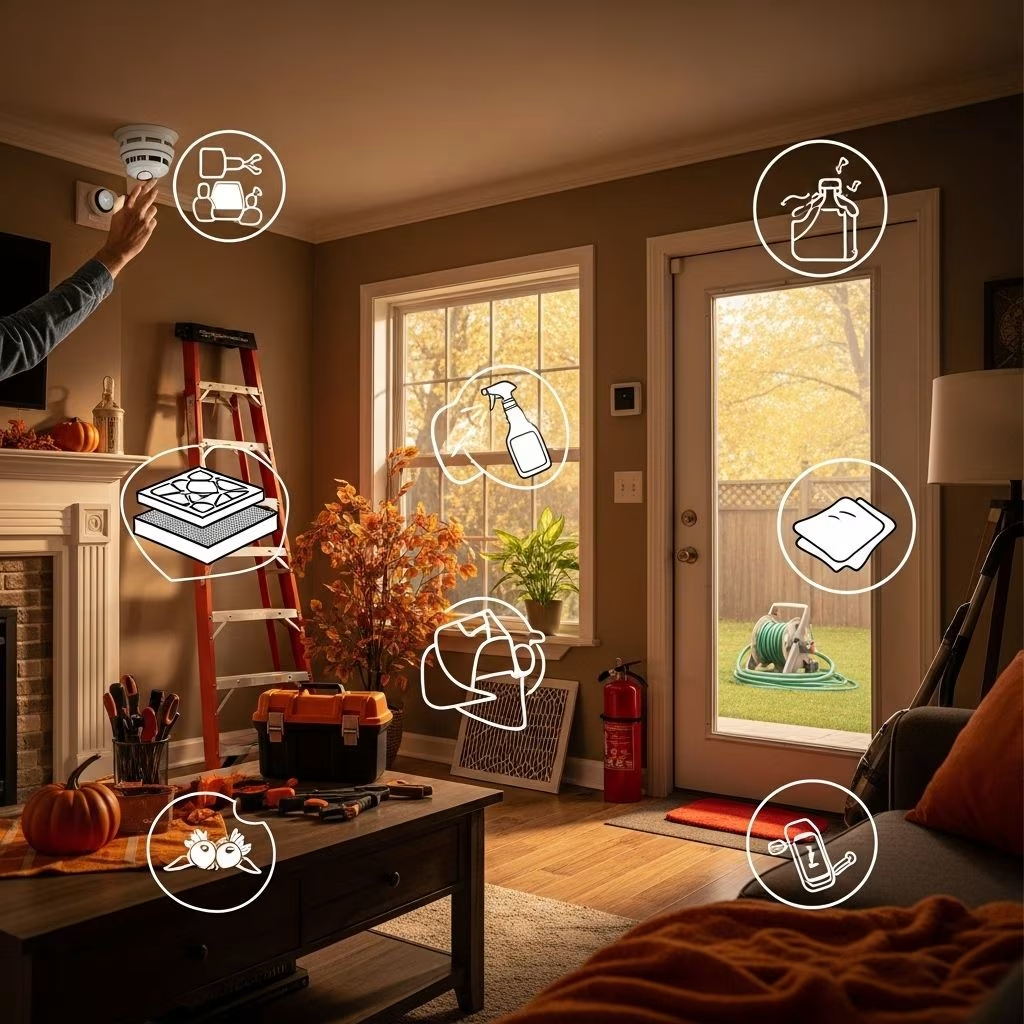
When the clocks fall back and you gain an extra hour of sleep, you may be tempted to simply enjoy the bonus rest and move on. However, the end of daylight saving time is also an ideal reminder to tackle key seasonal tasks that enhance your safety, well-being, and home efficiency. Use this convenient biannual transition as your cue to check off some crucial home maintenance and wellness actions—helping to set your household up for a healthier, safer, and smoother season ahead.
Why Use Daylight Saving Time as a Seasonal Checklist?
The shift in time offers a reliable twice-a-year signal—making it easy to remember important but easily overlooked chores. Many safety and maintenance experts recommend syncing these tasks with the clock change for maximum effectiveness and peace of mind. With more families at home during the cooler months and the holidays approaching, now is the perfect moment to prepare your living space for comfort and safety.
1. Change the Batteries in Smoke and Carbon Monoxide Detectors
Safety first. Every home should have working smoke and carbon monoxide detectors. Replacing the batteries every six months ensures uninterrupted operation and can literally save lives. According to fire safety experts, homes equipped with functioning smoke alarms reduce the risk of dying in a fire by half.
- Test all smoke alarms and carbon monoxide detectors.
- Replace batteries—even if they still work—to avoid unexpected failure.
- If your alarms use sealed 10-year batteries, check the date and replace any unit older than a decade.
- Vacuum around device vents to clear away dust accumulations.
2. Flip or Rotate Your Mattress
Extending the life of your mattress saves money and improves your sleep quality. Over time, sleeping in the same spot every night causes uneven wear and performance. Flipping or rotating your mattress every six months ensures balanced support and enhances longevity.
- Flip your mattress entirely if the design allows.
- If you have a pillowtop, simply rotate it head-to-foot.
- Enlist help to maneuver heavier mattresses safely.
- Use this opportunity to vacuum under and around the bed for a thorough clean.
3. Wash or Replace Your Pillows
Pillows collect oils, dead skin cells, dust mites, and allergens over time. Biannual washing helps remove buildup and supports better sleep hygiene. For pillows older than two years, consider replacing them for optimal comfort and support.
- Wash fiberfill pillows in your washing machine on a gentle cycle and dry thoroughly.
- For down pillows, opt for dry cleaning or follow manufacturer instructions.
- Spot clean foam pillows as needed—never machine-wash foam.
- If allergy symptoms persist, upgrade to hypoallergenic pillows.
4. Take Stock of Your Medicine Cabinet and Pantry
Daylight saving time’s end is an excellent occasion to clear out expired or unused medications and outdated pantry goods. Regularly refreshing supplies prevents accidental consumption of expired products and frees up space for seasonal needs.
- Discard expired medicine, vitamins, and first-aid items.
- Safely dispose of prescription medications following proper disposal guidelines.
- Check pantry for stale grains, canned goods past their expiration, and surplus items.
- Organize stock so frequently used items are easily accessible, and restock essentials as needed.
5. Clean Your Refrigerator Coils
Dirty fridge coils make your unit work harder, costing you more on your energy bill and risking breakdowns. Cleaning these coils twice a year boosts efficiency and extends appliance lifespan.
- Locate coils—typically at the back or underneath your refrigerator.
- Unplug the fridge before cleaning to ensure safety.
- Use a long-handled brush or vacuum wand to gently remove dust and debris.
- Wipe up spills and defrost any interior buildup if needed.
6. Vacuum Out Your Dryer’s Vent and Ducts
Lint trapped in dryer vents is a leading cause of household dryer fires. Clearing lint from vent pipes and ducts not only reduces risk but helps your dryer run more efficiently.
- Unplug your dryer before cleaning.
- Remove lint from the vent trap every load, and deep-clean the entire vent hose and ducts twice yearly.
- Reach behind and beneath the dryer with a vacuum’s crevice tool.
- Check exterior vent outlets for blockages—birds and insects sometimes nest here.
7. Replace or Clean Filters Around the House
Home filters play a critical role in air and water quality as well as appliance performance. Changing or cleaning filters regularly improves indoor air, prolongs equipment life, and prevents malfunctions.
- Furnace and HVAC filters: Replace or clean as instructed in your system’s manual.
- Room air purifiers: Clean or swap out HEPA filters on a regular basis.
- Vacuum cleaner: Replace or clean filters often for maximum suction and dust control.
- Refrigerator water filter: Change based on usage or manufacturer recommendation.
8. Clean the Oven and Range Hood Filter
With increased holiday cooking on the horizon, now is the time to deep clean your oven and kitchen ventilation systems. Carbonized debris and grease not only affect meal quality but can also present fire hazards.
- Run your oven’s self-cleaning cycle (ensure good ventilation), or scrub manually with appropriate cleaners.
- Wipe down oven racks and the door’s interior glass.
- Remove and degrease range hood filters; replace disposable ones as needed.
- Inspect stovetop burners for buildup and wipe any residue from knobs and controls.
9. Check and Restock Your Emergency Kit
Preparedness is vital, especially during the colder, storm-prone months. After a busy six months, your household emergency kit may be missing critical items. Restock supplies now for peace of mind all season long.
- Check flashlight batteries, bandages, first-aid items, and over-the-counter medications.
- Replace expired water bottles and non-perishable food.
- Review your supplies list according to local weather patterns and adjust as needed.
- Store everything in a central, easily accessible location known to all family members.
Extra Chores for the Ambitious
If you have the motivation to go beyond the essentials, now is also a good opportunity to address some lesser-known cleaning and maintenance tasks that make life easier during the winter months.
- Deep clean carpets and rugs in high-traffic zones to reduce allergens.
- Descale your coffeemaker for better-tasting morning brews.
- Inspect window seals and door weatherstripping to improve heat retention and save on energy costs.
- Organize closets and swap out warm-weather clothing for winter essentials.
- Check exterior lighting to ensure safe footpaths as days get shorter.
Sleep Routine and Health: Adjusting to the Time Change
The end of daylight saving time doesn’t only affect household tasks—it also impacts your sleep routines and overall health. To make the transition smoother for you and your family, consider these expert-backed tips:
- Shift bedtime gradually: Move your sleep schedule by 10–20 minutes per night a few days before the clocks change to help your body adapt smoothly.
- Keep routines consistent: Try to stick to regular bedtime and wake-up times to keep your circadian rhythms stable.
- Practice good sleep hygiene: Dim lights in the evening, avoid screens before bed, and keep a cool, comfortable sleep environment.
- Get morning sunlight: Exposure to natural light in the morning helps reset your internal clock and ease grogginess.
Family Tip:
If you have young children, adjust their routines in small increments, moving bedtime by 10–30 minutes every few days before the time change. Early-morning wakeups can be managed by gradually shifting activities and encouraging quiet play until the new waking hour.
Frequently Asked Questions (FAQ)
How often should I replace my smoke detector, not just the battery?
A: Smoke detectors should be replaced every 10 years, even if they appear functional. Check the manufacturing date on the unit for accuracy.
Can I wash all pillows in the washing machine?
A: Most fiberfill pillows can be machine washed, but down pillows may require dry cleaning, and foam pillows should only be spot cleaned. Always check the care label first.
Why is it important to clean refrigerator coils?
A: Clean coils boost your refrigerator’s energy efficiency and prevent overheating or breakdowns, which are more likely if dust and dirt are allowed to accumulate.
How can I safely dispose of expired medications?
A: Take advantage of local pharmaceutical take-back programs or designated medication disposal bins. Do not flush medicines unless package instructions explicitly state it is safe.
What should be in a basic household emergency kit?
A: At a minimum, include flashlights and batteries, basic first-aid items, a battery-powered radio, bottled water, non-perishable snacks, a multi-tool, and copies of critical documents.
Daylight Saving Time Household Checklist
| Task | Why It Matters | How Often |
|---|---|---|
| Change smoke detector batteries | Fire & CO safety | Every 6 months |
| Flip or rotate mattress | Improve comfort, mattress lifespan | Every 6 months |
| Wash or replace pillows | Remove allergens, enhance sleep | Every 6 months |
| Clean fridge coils | Boost energy efficiency | Every 6 months |
| Vacuum dryer vent & ducts | Prevent fire, save energy | Every 6 months |
| Replace or clean filters | Air & water quality | Every 3–6 months |
| Clean oven & range hood filter | Fire safety, kitchen hygiene | Every 6 months |
| Restock emergency kit | Preparedness | Every 6 months |
| Check medicine cabinet/pantry | Prevent expired product use | Every 6 months |
Optimize the Transition and Enjoy the Season
By associating daylight saving time with these essential household and wellness tasks, you’ll never have to guess when it’s time for crucial maintenance again. A healthier, safer, and more responsive home awaits—so use your extra hour wisely and check off this seasonal to-do list today.
References
- https://www.goodhousekeeping.com/health/wellness/a21866/daylight-saving-times-to-do-list/
- https://www.care.com/c/prepare-kids-for-daylight-saving-time/
- https://utswmed.org/medblog/daylight-saving-time-sleep-health/
- https://www.goodhousekeeping.com/health/wellness/a62776807/healthier-hibernating-habits-tips/
- https://www.bswhealth.com/blog/daylight-saving-fall-back-good-sleep-pattern