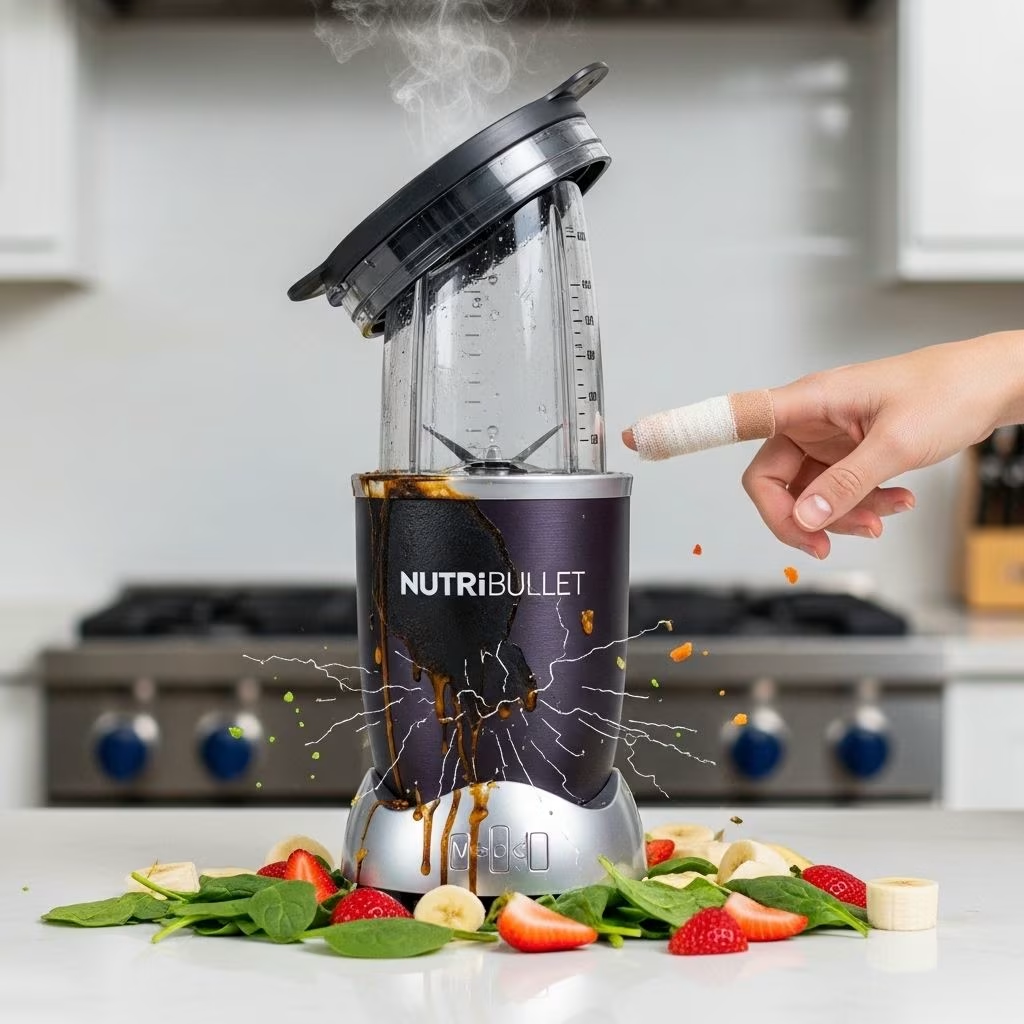
NutriBullet blenders, long promoted as a sleek solution for making nutritious smoothies and health drinks, are under intensive legal and media scrutiny. More than 20 users have filed lawsuits against the manufacturer, alleging that the high-speed blender dangerously explodes without warning, causing severe injuries ranging from burns to lacerations and lasting trauma. This detailed investigation examines the nature of reported incidents, the cases against NutriBullet’s parent company, concerns about design and safety, user testimonials, and the broader implications for consumer product safety.
The NutriBullet Explosion Controversy
In recent years, NutriBullet has become a household name, sitting atop many kitchen counters due to its ability to quickly blend fruit, vegetables, and ice into healthful drinks. However, a growing roster of lawsuits claim that this convenience comes at a price: the risk of explosive malfunctions resulting in grave harm .
- At least 22 people in the United States have joined lawsuits, claiming their blenders violently ruptured during normal use, showering them with hot contents and—sometimes—shooting out metal blades.
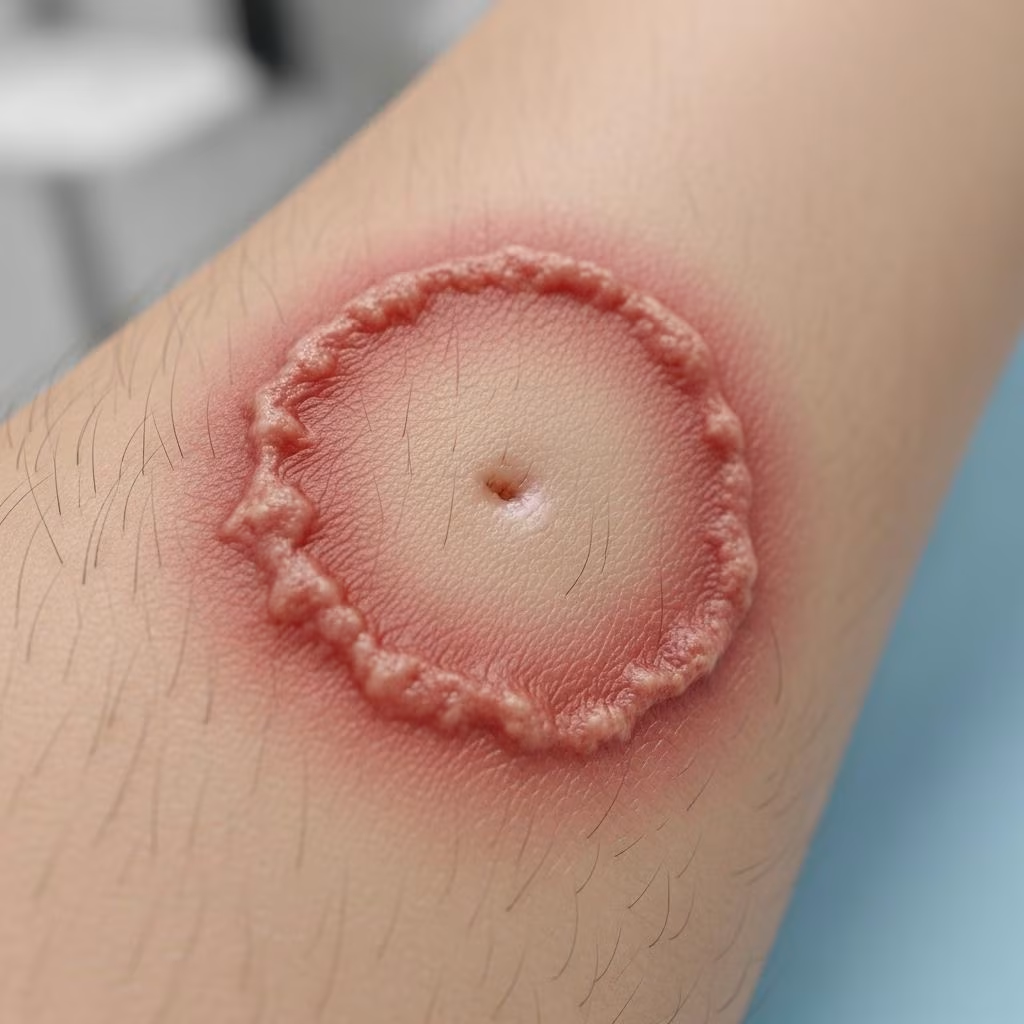
- Reports indicate injuries including first- and second-degree burns, deep cuts requiring stitches, facial injuries, broken teeth, and even lasting nerve damage to the hands.
- Some accidents occurred within seconds of use—far less than NutriBullet’s stated maximum time of one minute per blend cycle.
Noteworthy Lawsuit Plaintiffs and Their Injuries
| Name | Incident Description | Reported Injuries |
|---|---|---|
| Brendan Cosso | Blender exploded after 20 seconds while making a breakfast drink | Hand injuries; stitches; ongoing numbness in finger |
| Sheryl Utal | Hot contents and blender parts expelled throughout kitchen | Second-degree burns on chest and face |
| Rosa Rivera | Blender exploded during normal operation | Facial burns |
| Unnamed Florida Couple | Reported property damage | Home damaged; physical injuries not specified |
Such alarming incidents have led users and legal advocates to question the safety of NutriBullet’s core design and the adequacy of its consumer warnings.
How Are NutriBullet Blenders Allegedly Failing?
Lawsuits and user reports outline a consistent pattern of alleged product failure:
- The blending cup pressurizes during use, sometimes due to the heating of contents by the fast-spinning blades—even with cold or room temperature ingredients.
- As pressure builds, the container may abruptly detach from the blade base, causing hot liquid and sharp blades or plastic parts to shoot outward explosively.
- In other cases, the device reportedly remains intact until a user attempts to remove the lid—at which point the pent-up pressure launches components violently.
According to legal complaints, NutriBullet’s own manuals warn users against blending hot liquids and recommend not exceeding a one-minute blending cycle. However, plaintiffs claim to have observed explosions even when following these precautions.
Corporate Response and Manufacturer’s Defense
NutriBullet’s parent company, Capital Brands, has categorically denied that the product is improperly designed or unreasonably dangerous, stating:
- It is “physically impossible” for the NutriBullet to generate enough heat to explode in under one minute of use.
- The company emphasizes clear warnings against blending hot ingredients and exceeding the recommended use time in their instructions and product manuals.
Despite these assurances, injured users and legal representatives maintain that the risks are present even during recommended use conditions and sometimes stem from the act of removing the lid after blending.
Inside the Lawsuits: Allegations against NutriBullet
The lawsuits against NutriBullet and Capital Brands cite multiple grounds for liability, including:
- Product Defect: The complaints allege a fundamental design or manufacturing flaw causing dangerously high pressure in the plastic blending cup, making explosions possible.
- Failure to Warn: Many lawsuits argue that the manufacturer neglected to provide clear warnings about these dangers—despite reported incidents spanning more than a decade.
- Negligence and Concealment: Plaintiffs claim the company knowingly concealed or ignored defect reports to maximize profit, showing reckless disregard for consumer safety.
- Breach of Warranty: Some allege a breach of express or implied warranties promising the blender was safe for its intended use.
- Fraudulent Concealment: Failing to recall defective products or alert the public to significant risks constitutes deception, plaintiffs argue.
What Are the Lawsuits Seeking?
- Monetary compensation for medical expenses, physical and mental suffering, property damage, and other losses
- Class action status to represent all users potentially harmed by the blenders
- An injunction to stop the sale of allegedly defective products and a public warning to existing owners
A History of Reported Injuries: How Widespread Is the Problem?
Hundreds of injury reports involving NutriBullet blenders have reportedly been filed over the past decade with the Consumer Product Safety Commission and other authorities.
- These include documented cases of burns, lacerations, eye injuries, facial trauma, and even house fires.
- Many reports recount blending room temperature or cool ingredients—suggesting the device can pressurize rapidly even under ordinary use.
- Australian and UK news outlets have highlighted similar incidents, with victims describing near-blindness or lasting physical and psychological effects.
Expert Analysis: Why Might the Blender Explode?
Consumer safety experts and plaintiffs’ attorneys point to key technical issues:
- The NutriBullet’s powerful motor operates at high RPMs, quickly turning the blades and producing friction that heats ingredients.
- Liquids can rapidly approach boiling temperatures, generating steam and building up pressure inside the sealed blending cup.
- The plastic container may have insufficient strength, especially after repeated use, to withstand this pressure—leading to failure at the seam between the cup and the blade base or at the lid.
- Alternative design options, such as pressure-release valves or stronger materials, exist but may not have been implemented.
Corporate Practices: Recall and Warning Controversy
Attorneys and consumer advocates allege that:
- No broad recall or effective public warning has been issued by NutriBullet or Capital Brands, despite long-standing reports of injury and product defect.
- The company continues to sell the product with only minor updates to warnings in instruction manuals—not on the product itself.
- Plaintiffs contend that this strategy prioritizes sales over customer well-being and violates both state and federal consumer protection laws.
How Has NutriBullet Responded?
NutriBullet provides the following guidance to its users:
- Do not blend hot ingredients
- Do not use the blender for more than one minute at a time
- Never leave the blender unattended during operation
However, injury reports and lawsuits contend these warnings are insufficient, especially for products marketed as powerful and convenient solutions for everyday health drinks.
Consumer Advocacy: What Should Owners Do?
If you own or use a NutriBullet blender, consumer advocates and legal experts suggest:
- Read the instruction manual thoroughly—pay close attention to warnings about maximum run times and ingredient temperatures.
- Avoid blending hot liquids or leaving the machine unattended.
- Inspect the plastic cup and blade assembly regularly for wear, cracks, or distortion; discontinue use if any are found.
- Report any injuries or product failures to the Consumer Product Safety Commission.
- If injured, seek prompt medical attention and consider consulting an attorney experienced in product liability cases.
Are All NutriBullets at Risk?
The lawsuits generally pertain to models produced since 2007, with similar design features. Reports cover a range of model years and suggest the risk is not isolated to a single production run. While millions of units have been sold and the vast majority are reportedly used without incident, the number and severity of complaint cases has, in the view of litigants, crossed an unacceptable threshold for risk.
Frequently Asked Questions (FAQs)
Q: Are NutriBullet blenders safe to use?
While millions are used safely, lawsuits assert that some units may explode due to pressure buildup, causing serious injuries. Users should closely follow all safety instructions and report any malfunctions.
Q: What injuries have been reported from NutriBullet explosions?
Reported injuries include burns, lacerations, broken teeth, facial trauma, nerve damage, and property damage.
Q: Has NutriBullet issued a recall for its blenders?
As of this writing, there has been no widespread recall of NutriBullet blenders despite significant injury reports and lawsuits. Some safety warnings have been updated in manuals.
Q: What does NutriBullet say about these incidents?
NutriBullet maintains that its products are safe if used according to the directions. It denies that explosions can occur under one minute of operation or when cold ingredients are used.
Q: What should I do if I own a NutriBullet blender?
Read and follow all instructions, do not exceed recommended use times, avoid blending hot liquids, monitor the blender for any signs of damage or pressure buildup, and discontinue use if issues develop.
Conclusion: A High-Profile Case in Product Liability and Consumer Safety
The lawsuits against NutriBullet underscore the complexities of modern product safety and the responsibilities of manufacturers to promptly address and transparently warn about emerging risks. Consumers, meanwhile, should remain alert to product warnings and take immediate action in the event of any malfunction. As legal proceedings and investigations unfold, both consumers and companies may be compelled to rethink priorities in balancing convenience and health with uncompromising safety.
References
- https://www.simmonsfirm.com/blog/nutribullet-blenders-consumers-risk/
- https://www.courthousenews.com/wp-content/uploads/2019/10/Nutribullet.pdf
- https://www.youtube.com/watch?v=aiy4kju0ubs
- https://www.goodhousekeeping.com/health/news/a46908/exploding-nutribullet-lawsuit/
- https://www.menshealth.com/trending-news/a19543332/nutribullet-exploding-melting-faces/
- https://www.youtube.com/watch?v=R-nVYnvCpZ0
- https://www.wideopencountry.com/everything-you-need-to-know-about-the-nutribullet-lawsuit/