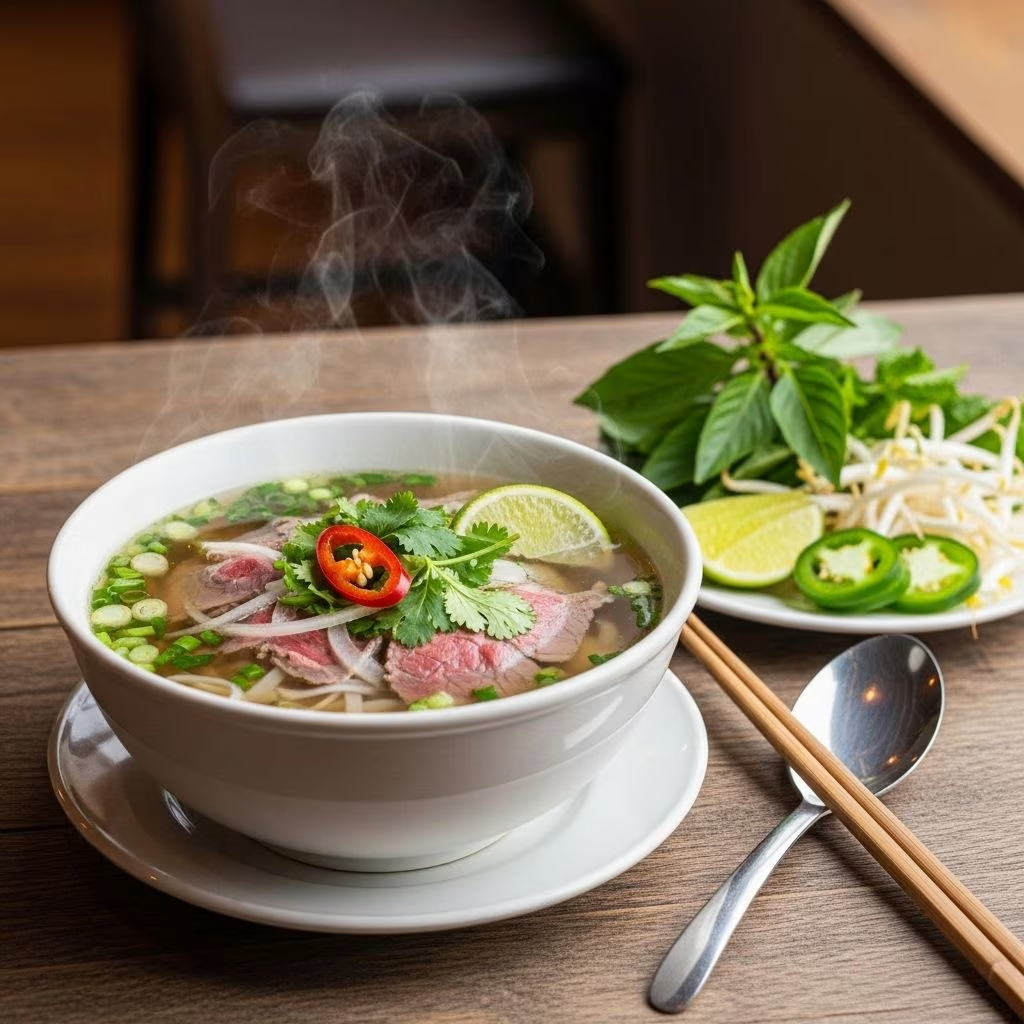
Pho is an iconic Vietnamese noodle soup beloved for its savory broth, aromatic herbs, tender proteins, and slippery rice noodles. It has captured the palates of food lovers worldwide, from bustling street vendors in Hanoi to trendy Western bistros. But is pho a nutritious choice? This article explores the nutrition profile, potential health advantages, common drawbacks, and science-backed strategies to make your pho both delicious and health-supportive.
What is Pho?
Pho (pronounced ‘fuh’) is a traditional Vietnamese soup that blends a slow-simmered, aromatic broth with rice noodles (called bánh phở), protein (typically beef, chicken, or tofu), and a mountain of fresh vegetables and herbs like cilantro, Thai basil, bean sprouts, green onions, and chilies.
While its exact origins trace back to early 20th-century northern Vietnam, pho has become a global symbol of comfort food, celebrated for its customizable toppings and balance of flavors.
Is Pho Healthy?
Yes, pho can be a healthy meal or snack—if you make smart choices about ingredients and portions. According to nutrition experts, its nutritional value hinges on how it’s prepared, the proportion of noodles, and whether you amp up the vegetables and protein while moderating sodium intake.
- Choose lean proteins such as chicken, shrimp, tofu, or extra-lean beef to boost nutrient density.
- Go heavy on fresh vegetables and herbs like bean sprouts, bok choy, onions, cilantro, and basil to increase vitamins and antioxidants.
- Limit excess rice noodles and watch portion sizes to avoid empty carbohydrates.
- Be mindful of salt; broth can be high in sodium if not moderated.
“Pho can be a nutritious, delicious, and filling meal depending on what you add to the broth,” says Jaclyn London, MS, RD, CDN, former Nutrition Director at the Good Housekeeping Institute. “The best pho recipes are those that feature lean protein with generous portions of veggies and less emphasis on the noodles.”
Pho Soup Nutrition Breakdown
The exact nutrition of pho varies by portion size and ingredients. Here’s a representative breakdown for a typical serving:
| Nutrient | Serving Size: 2 Cups (475ml) |
|---|---|
| Calories | 350–450 |
| Total Fat | 4.7 g |
| Saturated Fat | 1.5 g |
| Cholesterol | 41 mg |
| Sodium | 1,000–2,375 mg |
| Total Carbohydrates | 104 g |
| Dietary Fiber | 6 g |
| Sugar | 5 g |
| Protein | 23–30 g |
| Vitamin A | 24% DV |
| Vitamin C | 44% DV |
| Iron | 17% DV |
| Calcium | 8% DV |
Nutrition information based on beef pho, typical 20-ounce (2.5 cup) restaurant portion. Nutrition for vegetarian or chicken-based pho will differ slightly.
Key Health Benefits of Pho
What makes pho worth incorporating into your diet? Here’s a closer look at its major nutritional and wellness perks.
1. Rich in Protein
Most bowls of pho, regardless of whether you choose beef, chicken, or tofu, deliver around 23–30 grams of protein per serving. Protein is vital for:
- Building and repairing bones, muscles, cartilage, and skin
- Producing enzymes and hormones
- Supporting immune function and satiety
The protein content in pho helps you feel full and supports daily muscle maintenance. For most adults, a single serving of pho supplies roughly half your recommended daily protein need.
2. Plenty of Essential Vitamins & Minerals
Pho’s bounty of vegetables and herbs enriches your bowl with critical micronutrients. Depending on what’s added, pho can be a robust source of:
- Vitamin A (good for vision, immunity, organ function)
- Vitamin C (supports immune system & wound healing)
- Iron (for oxygen transport & energy)
- Calcium (for bone health)
- Antioxidants & polyphenols from herbs (may lower chronic disease risk)
Adding cilantro, basil, green onions, and chilies boosts the antioxidant content, which helps the body fight off oxidative stress.
3. Bone Broth May Support Joint Health
Authentic pho broth is gently simmered with beef bones for hours, potentially releasing collagen, glucosamine, and chondroitin—all known to promote joint health and support connective tissue. Although these compounds are present only in small amounts in soup compared to supplements, regular intake may contribute modestly to joint health, especially when combined with an active lifestyle and balanced diet.
4. Ginger & Spices Provide Anti-inflammatory Benefits
Ginger, often added to pho broth, contains gingerol, a bioactive compound studied for its anti-inflammatory and antioxidant properties. Star anise, cinnamon, and cloves are traditional Vietnamese soup spices that may also help fight inflammation and support immunity.
5. Customizable for Dietary Restrictions
Pho’s flexibility with proteins, broths, and garnishes makes it easy to adjust for gluten-free, low-fat, plant-based, or allergy-friendly diets. Opt for tofu, mushrooms, and extra greens for a satisfying vegetarian meal, or choose low-sodium broths for heart health.
Drawbacks: What to Watch Out For
Despite the many health advantages, traditional pho does have a few nutritional concerns if eaten often or in extra-large portions.
- Sodium content: Both commercial and restaurant broths can deliver well over 1,000 mg sodium per serving, close to the daily recommended upper limit. Excess sodium can raise blood pressure and increase the risk of heart disease and stroke.
- Lack of fiber in noodles: Standard rice noodles contain substantially less fiber than whole-grain noodles, making them less filling. Overdoing noodles can drive up calories without contributing to satiety.
- Calorie overload: Oversized portions with extra noodles, fatty meats, and fried toppings (like shallots or dough sticks) can quickly add up to 700-900+ calories per bowl.
- Saturated fat: Broths that use fatty beef cuts or do not skim excess fat can contribute to higher saturated fat intake, linked to increased cholesterol and heart health risks.
However, with wise choices in preparation and toppings, these pitfalls can easily be minimized.
Pro Tips for a Healthier Pho Bowl
Craving pho but want to optimize it nutritionally? Here’s how to upgrade your bowl:
- Request more vegetables: Ask for extra bean sprouts, bok choy, carrots, and greens.
- Opt for lean or plant proteins: Chicken breast, shrimp, tofu, mushrooms, or tempeh add protein without excessive fat.
- Go light on noodles: Request half-portion noodles or add extra veggies in place of some noodles for volume with fewer calories and carbs.
- Watch sodium: Choose low-sodium or “no salt added” broths, or simply slurp less broth.
- Skim fat from broth: Remove the fatty film from the top before serving.
- Limit high-sodium condiments: Be sparing with hoisin, sriracha, fish sauce, and soy sauce.
- Make pho at home: Control every ingredient and adjust for specific nutrition goals.
How to Customize Pho for Different Diets
Pho’s versatility makes it appropriate for a range of dietary needs. Here are some simple swaps:
- Vegetarian/Vegan: Use rich vegetable broth, tofu, and plenty of mushrooms, plus all the traditional herbs and fresh vegetables.
- Low-Carb: Reduce or omit rice noodles and add spiralized zucchini or cauliflower rice for bulk.
- Low-Sodium: Make or choose broth with no added salt, and limit salty condiments.
- Gluten-Free: Traditional pho uses rice noodles, which are gluten-free; verify broths and sauces for hidden wheat-based additives.
Frequently Asked Questions (FAQs)
What are the main ingredients in authentic pho?
Pho consists of slow-cooked beef or chicken broth (often with bones), rice noodles, protein (typically beef, chicken, or tofu), and a variety of garnishes including bean sprouts, basil, jalapeños, lime, and onions.
Is pho high in calories?
A medium bowl typically contains 350–450 calories. Low-nutrient add-ons (extra noodles, fatty meats) can quickly increase calories, but a balanced pho with lean protein and plenty of veggies is relatively moderate in calories.
How much sodium is in restaurant pho?
Restaurant versions can contain 1,000–2,300 mg sodium per serving (up to the total recommended daily limit). Home-cooked and low-sodium options are available for those watching salt intake.
Does pho have health benefits?
Yes, pho is a nutrient-rich meal featuring protein, vitamins, minerals, antioxidants, and anti-inflammatory compounds—especially when prepared with ample herbs, vegetables, and lean protein.
Can pho support weight loss?
If made with plenty of vegetables, less noodles, and lean protein, pho can be a nutrient-dense, filling option for weight management.
How do I make pho healthier at home?
- Choose homemade or low-sodium broth
- Increase vegetables and aromatic herbs
- Opt for lean meats or plant-based proteins
- Limit refined noodles, add fiber-rich options if desired
The Bottom Line: Can Pho Be Part of a Healthy Diet?
Pho can absolutely fit into a balanced, healthy diet—especially when you fill your bowl with lean protein, vegetables, and fresh herbs while limiting sodium and portioning noodles mindfully. By customizing your bowl, reducing extra salty or fatty toppings, and preparing it at home when possible, you can savor all the comforting flavors and nutrition Vietnamese pho has to offer.
References
- https://www.loseit.com/articles/is-pho-soup-good-for-you/
- https://www.goodhousekeeping.com/health/diet-nutrition/a46955/pho-soup-healthy/
- https://www.healthline.com/nutrition/pho-soup
- https://www.goodhousekeeping.com/uk/food/recipes/a30872034/vietnamese-beef-pho/
- https://panlasangpinoy.com/beef-pho-noodle-soup/