25+ Unusual Phobias You Never Knew Existed
While most people have heard of common phobias such as fear of heights (acrophobia) or spiders (arachnophobia), there exists a diverse array of more obscure and unusual phobias. These rare fears may seem eccentric or inexplicable, but for those who suffer, their impact on daily life is profound. This article explores more than 25 uncommon phobias—what triggers them, how they manifest, and insights from experts.
What is a Phobia?
A phobia is an irrational and intense fear of a particular object, situation, or living being. Phobias often develop after traumatic experiences or due to specific psychological factors and genetic predispositions. Some phobias are logical in terms of evolutionary survival, while others have no obvious connection to daily threats.
- Phobias can significantly disrupt daily life, leading to avoidance behaviors.
- They provoke immediate anxiety, panic, or disgust.
- Even recognizing that the fear is irrational may not reduce symptoms.
Uncommon and Rare Phobias Explored
Lachanophobia: Fear of Vegetables
Lachanophobia involves a deep, irrational fear of vegetables. Sufferers may experience anxiety, nausea, or panic at the mere sight, smell, or taste of certain vegetables. Anxiety may intensify when vegetables are paired with specific foods (e.g., ranch dressing with baby carrots). This phobia can affect dietary choices, social eating situations, and potentially nutrition.
Trypophobia: Fear of Holes or Bumps Patterns
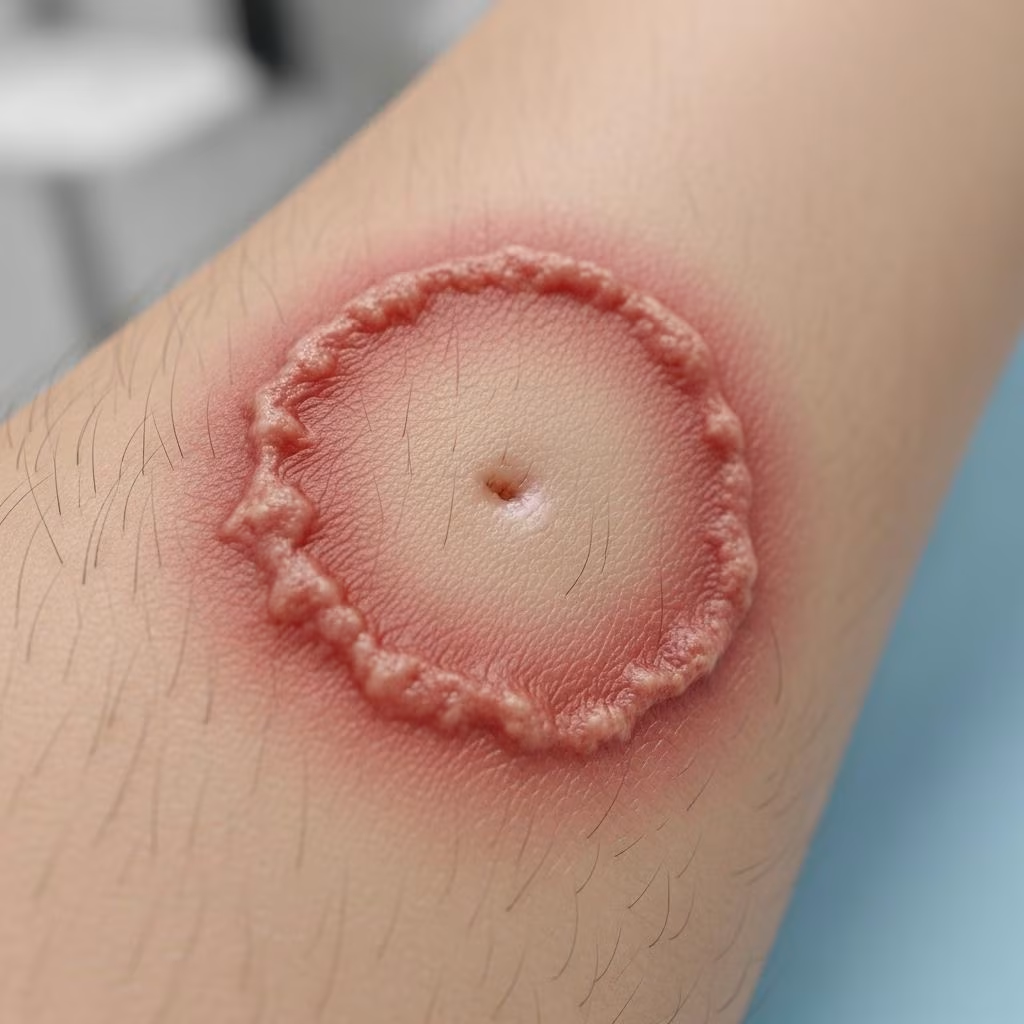
Trypophobia refers to the aversion or fear triggered by images or patterns featuring clusters of holes or bumps, such as honeycomb, lotus seed pods, or bubble wrap. People scrolling through social media may encounter unexpected triggers, resulting in reactions ranging from disgust and anxiety to full panic attacks.
- Common triggers: photos of natural objects, medical imagery, design textures.
- Symptoms: nausea, goosebumps, rapid heartbeat.
Pedophobia: Fear of Children
This unusual phobia involves persistent, intense fear of babies and children. Sufferers may actively avoid places frequented by children, media depicting kids, or social events where children are present. Pedophobia can influence life decisions, such as the choice not to have children.
Emetophobia: Fear of Vomiting
Emetophobia is the fear of vomiting, the act itself, or even the mere utterance of the word. This can lead to avoidance of restaurants, travel, pregnancy (due to morning sickness), and situations where sickness is possible. Sufferers may impose strict controls on their environment and diet.
Gamophobia: Fear of Marriage or Commitment
Marked by overwhelming fear of marriage or committed relationships, gamophobia often develops after negative romantic experiences. For some, reciprocated romantic feelings may quickly turn to anxiety or aversion, hampering the ability to form stable partnerships.
Podophobia: Fear of Feet
Podophobia surfaces as discomfort or panic upon seeing, touching, or being near feet—either one’s own or others’. Everyday situations such as swimming, changing shoes, or even casual contact may be fraught with anxiety.
Somniphobia: Fear of Sleep
Beyond typical insomnia, somniphobia is a chronic fear of sleep itself, often linked to night terrors, sleep paralysis, or sleepwalking. Sufferers may avoid sleep, leading to exhaustion and further psychological distress.
Lutraphobia: Fear of Otters
This rare phobia typically results from traumatic interactions—such as being bitten or witnessing an otter attack. Media or stories can also fuel anxiety, causing individuals to avoid water-related activities or locations associated with otters.
Chirophobia: Fear of Hands
Chirophobia may relate to one’s own hands or others’, frequently stemming from hand injuries, trauma, or medical conditions like arthritis. It can interfere with everyday activities such as handshakes, manual tasks, or healthcare routines.
Globophobia: Fear of Balloons
People with globophobia may fear the appearance of balloons, but commonly the anxiety centers on balloons popping. Sensitivity to sudden, loud noises is a core feature. Public figures, including Oprah Winfrey, have acknowledged experiencing this phobia.
Genuphobia: Fear of Knees
This phobia targets knees—seeing, touching, or even the act of kneeling. Often rooted in traumatic knee injuries, it may disrupt sports, medical care, or social activities.
Hippopotomonstrosesquippedaliophobia: Fear of Long Words
An ironically long term for the fear of lengthy words, hippopotomonstrosesquippedaliophobia typically emerges in school-age children, often due to ridicule or negative experiences with reading aloud or public speaking.
Ablutophobia: Fear of Washing, Bathing, or Cleaning
Sufferers of ablutophobia may avoid bathing due to past traumatic experiences, such as accidents involving water or childhood abuse linked to bathing. The aversion can lead to social, medical, and personal hygiene consequences.
Pupaphobia: Fear of Puppets
Contrary to the entertainment value most people see in puppets, some individuals experience acute anxiety and fear toward any puppet-like figures—ranging from children’s show characters to ventriloquist dummies. Pupaphobia may persist into adulthood and limit social or cultural participation.
Other Unusual Phobias Around the World
- Arachibutyrophobia: Fear of peanut butter sticking to the roof of one’s mouth. Often tied to worries about choking or previous negative food experiences.
- Coulrophobia: Fear of clowns, which is among the most common unusual fears. Public surveys show clowns top lists of bizarre phobias in several countries.
- Other documented fears include belly buttons, birds, lumpy food, fish, and even stairs—all of which disrupt everyday routines for the people affected.
Why Do People Develop Unusual Phobias?
- Traumatic Experiences: Direct or indirect exposure to frightening events can create a lasting link between intense fear and specific objects or scenarios.
- Genetics: Family history may play a significant role. Studies indicate that genetics account for a substantial percentage of phobia cases.
- Cultural and Media Influences: Films, TV shows, and stories can reinforce fears or introduce new ones (e.g., fears of puppets or clowns).
- Evolutionary Factors: Some phobias (especially of animals or natural phenomena) may reflect ancient threats, having helped our ancestors survive.
- Social Learning: Children can ‘inherit’ fears from parents or peers through observation and conversation.
How Phobias Impact Daily Life
Even obscure phobias can exert significant psychological and physical impact, including:
- Avoidance of particular activities, foods, or places.
- Panic attacks, nausea, hyperventilation.
- Disruption to relationships, career, or education.
- Compromised health due to avoidance behaviors (e.g., avoiding bathing, social eating).
Approaches to Treatment and Management
Many unusual phobias respond to psychological and behavioral therapies. Treatment options may include:
- Cognitive-Behavioral Therapy (CBT) – Helps sufferers challenge and reshape irrational fears.
- Exposure Therapy – Gradually introduces the phobic trigger in a controlled and safe environment.
- Medication – Anti-anxiety medications or antidepressants may be prescribed in severe cases.
- Hypnosis and Relaxation Techniques – Used to relax the mind and reduce sensitivity to triggers.
Supporting loved ones and acknowledging phobias without ridicule helps individuals seek appropriate help. Empathy and professional guidance are paramount.
Table: Summary of Unusual Phobias
| Phobia Name | Main Trigger | Notable Features |
|---|---|---|
| Lachanophobia | Vegetables | Avoidance of certain foods, anxiety/nausea |
| Trypophobia | Clusters of holes or bumps | Disgust, panic attacks |
| Pedophobia | Children | Social avoidance, life choices |
| Emetophobia | Vomiting or related words | Avoidance of restaurants/pregnancy |
| Gamophobia | Marriage/Commitment | Anxiety in relationships |
| Podophobia | Feet | Panic, avoidance in public |
| Somniphobia | Sleep | Panic at bedtime, exhaustion |
| Lutraphobia | Otters | Linked to trauma or stories |
| Chirophobia | Hands | Discomfort in manual tasks |
| Globophobia | Balloons (especially popping) | Anxiety around parties/children |
| Genuphobia | Knees | Avoidance of kneeling, sports |
| Hippopotomonstrosesquippedaliophobia | Long words | School performance anxiety |
| Ablutophobia | Bathing, washing, or cleaning | Hygiene and social impact |
| Pupaphobia | Puppets | Fear of entertainment figures |
| Arachibutyrophobia | Peanut butter sticking to mouth | Avoids peanut butter foods |
| Coulrophobia | Clowns | Common, disrupts entertainment/social events |
Frequently Asked Questions (FAQs)
Q: Are uncommon phobias treatable?
A: Yes, most phobias—even rare ones—respond to cognitive-behavioral therapy, exposure therapy, and sometimes medication. Individual outcomes vary based on severity and support systems.
Q: What causes these strange phobias?
A: Traumatic experiences, media influence, genetic predisposition, and social learning all contribute. Sometimes, there is no clear trigger, making research and therapy more complex.
Q: Can someone have more than one phobia?
A: Absolutely. Some individuals deal with multiple phobias, which can interact and compound their anxiety levels, further complicating diagnosis and treatment.
Q: Should phobias always be treated?
A: Phobias need professional attention if they disrupt daily life, cause distress, or threaten health. Mild fears that do not impair function may not require intervention.
Q: How can friends or family support someone with a phobia?
A: Empathy, patience, and encouraging professional help are key. Avoid ridicule or forced exposure—respect comfort zones and support gradual progress.
Key Takeaways
- Unusual phobias are more common than expected, though many go unreported or misunderstood.
- They can stem from trauma, genetics, media, or seemingly without reason.
- Daily life, relationships, and careers may be significantly affected.
- Effective treatments exist, and seeking help can greatly improve quality of life.
Related Reading
For more on phobias and mental health, explore articles on anxiety disorders, therapy options, and how to support loved ones facing psychological challenges. Understanding rare fears deepens our awareness and promotes kindness in everyday interactions.
References
- https://www.goodhousekeeping.com/health/g4891/unusual-phobias/
- https://cedarhillbh.com/top-15-weirdest-phobias-you-didnt-know-existed/
- https://www.goodhousekeeping.com/uk/news/a563960/this-is-the-nations-top-phobia/
- https://www.therecoveryvillage.com/mental-health/phobias/weird-phobias/
- https://www.baptisthealth.com/blog/family-health/10-most-common-phobias-fears
- https://lifestance.com/blog/common-rare-phobias-list/