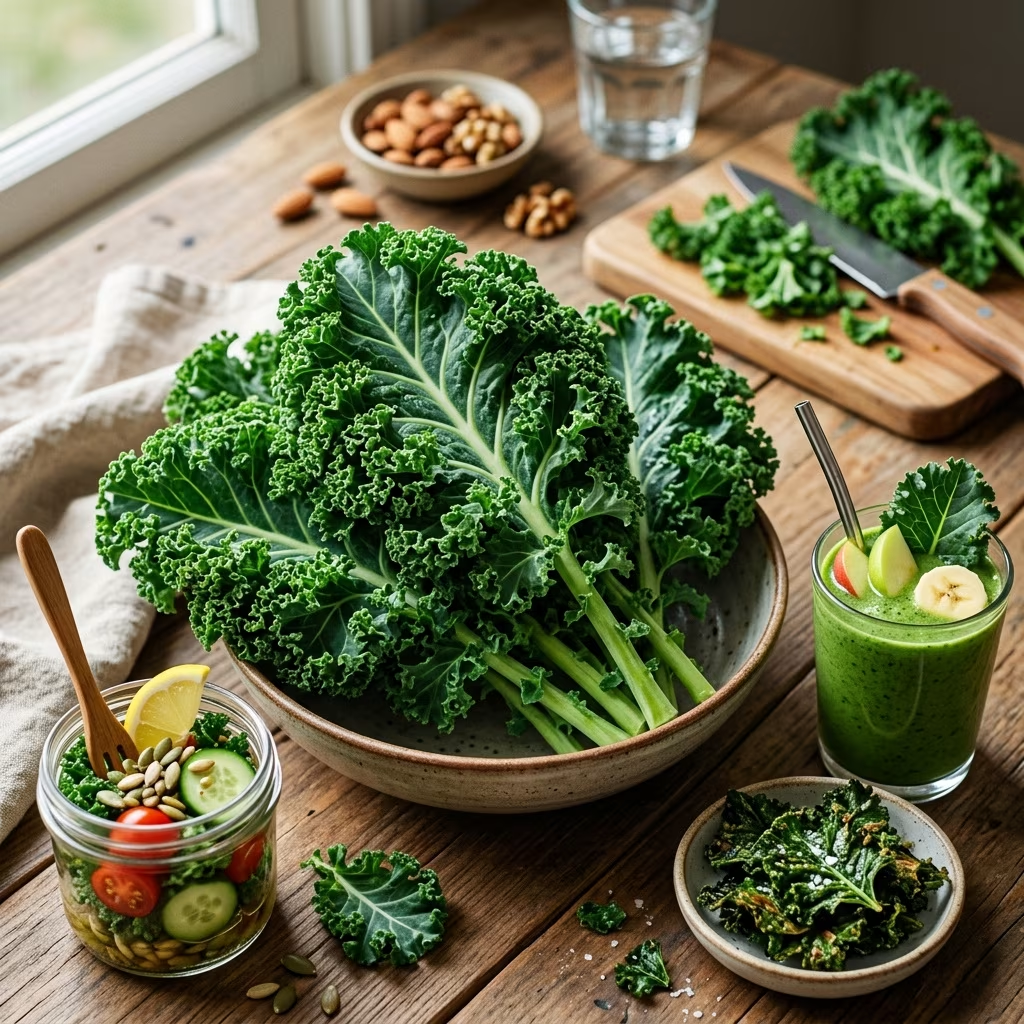
Kale Is Actually One of the Healthiest Things You Can Eat
Kale—a leafy green vegetable belonging to the Brassica family—is lauded as a top superfood, packing impressive amounts of fiber, antioxidants, vitamins, and minerals into every serving. Consuming kale regularly can help boost your overall nutrition, support disease prevention, and offer a host of health benefits for every age group. Whether added to salads, soups, smoothies, or stir fries, kale’s versatility and nutrient density make it a perennial favorite in health-conscious kitchens.
Kale Nutrition Facts
Kale stands out for its exceptionally rich nutrient profile, making it one of the healthiest vegetables available. Here’s what you get in a typical serving size:
| Nutrient | Amount (1 cup, raw, chopped) | % Daily Value (DV) |
|---|---|---|
| Calories | 33 | – |
| Fat | <1g | – |
| Cholesterol | 0mg | – |
| Sodium | 25mg | – |
| Potassium | 329mg | – |
| Carbohydrates | 6g | – |
| Dietary Fiber | 2.5g | – |
| Protein | 3g | – |
| Vitamin A | – | 133% |
| Vitamin C | – | 134% |
| Calcium | – | 10% |
| Iron | – | 5% |
| Vitamin B6 | – | 10% |
| Magnesium | – | 7% |
Additionally, kale contains generous levels of beta-carotene, lutein, and zeaxanthin, powerful plant compounds that contribute to its celebrated health status.
Top Health Benefits of Kale
Eating kale powers your body with a wealth of disease-fighting vitamins and minerals. Scientific research supports the following core benefits:
- Supports Immunity: The high vitamin C, beta-carotene, vitamin E, and selenium content in kale promotes a healthy immune system and helps your body fight infections.
- Strengthens Bones: Kale’s calcium and vitamin K help maintain robust bone structure, especially beneficial for those avoiding dairy. Low oxalate levels in kale let the calcium be more readily absorbed.
- Reduces Chronic Disease Risk: Antioxidants like carotenoids shield cells from oxidative stress related to the development of diabetes, cancer, and cardiovascular diseases.
- Promotes Heart Health: Potassium, magnesium, and calcium in kale help regulate blood pressure; other compounds bind cholesterol, which may lower LDL levels and support vascular wellness.
- Protects Vision: Lutein, zeaxanthin, and beta-carotene guard ocular tissues from UV light and lower the risk of cataracts and age-related macular degeneration.
- May Protect Against Cancer: Kale is rich in sulforaphane and indole-3-carbinol, compounds studied for their role in defending against certain cancers.
Kale’s Powerful Phytonutrients
Phytonutrients are plant-based compounds that are beneficial—sometimes essential—for sustaining health and fighting disease. Kale is especially noted for:
- Beta-carotene (precursor of vitamin A): vital for immune function, vision, and cellular health.
- Lutein and zeaxanthin: important for eye health and may help filter harmful blue light.
- Quercetin and kaempferol: flavonoids found in large amounts in kale, with anti-inflammatory and antioxidative effects.
- Sulforaphane and indole-3-carbinol: linked to the potential reduction of cancer risk through enhanced detoxification pathways.
Kale Compared to Other Leafy Greens
While many dark leafy vegetables are nutrient-dense, kale is especially powerful. For instance:
- A single cup of kale has much more vitamin C than spinach, making it particularly good for immune support.
- Kale provides twice the selenium content of spinach, linked to healthier immune response.
- Bile acid binding: Kale contains substances that bind bile acids in the digestive system, which can help lower cholesterol more efficiently than collard greens.
Popular Types of Kale
There are several varieties of kale, each with a unique taste and texture profile:
- Curly Kale (Scots Kale): The most common, with ruffled green leaves and a robust, fibrous stem.
- Lacinato Kale (Dinosaur Kale/Tuscan Kale): Features longer, blue-green, deeply ridged leaves; slightly sweeter and less bitter than curly kale.
- Red Russian Kale: Flat, fringed leaves with purple stems and a mild flavor, perfect for salads.
- Baby Kale: Harvested early—tender, delicate, and especially good raw in salads.
How to Use Kale in Your Diet
Kale’s versatility means it can play a starring role in a wide range of dishes. Consider these preparation and serving suggestions:
- Salads: Use raw, chopped kale as a fiber- and vitamin-rich salad base.
- Soups and Stews: Add kale in the final minutes of cooking for color, nutrition, and texture.
- Smoothies: Blend a handful of baby kale with fruits for a nutrient-boosting, low-calorie drink.
- Sautéed: Quickly cook kale with garlic and olive oil for a fast, healthy side.
- Baked: Make kale chips by tossing leaves in oil and baking until crisp.
- Stir-Fries: Add chopped kale late in the stir-fry process to retain nutrients.
- Omelets: Toss in chopped kale or baby kale for color and vitamins.
Tip: For salads, massage kale leaves with a little olive oil and lemon juice to soften their texture and reduce bitterness.
Kale for Special Diets
A standout feature of kale is its nutritional value for those on restricted diets:
- Low Calorie: At about 33 calories per cup, kale is ideal for managing weight.
- Dairy-Free Diets: Kale supplies calcium, making it an excellent alternative for bone health, particularly if you’re lactose intolerant or vegan.
- Gluten-Free: Naturally gluten-free and safe for those with celiac disease or gluten sensitivity.
- High Fiber: Aids digestion and helps with blood sugar control.
- Heart-Healthy Diets: Potassium and fiber in kale support cardiovascular health.
Kale is virtually free of cholesterol and saturated fat—making it heart-friendly and suitable for many modern dietary plans.
Tips for Buying and Storing Kale
- Look for: Firm, deeply colored leaves without wilting or yellowing.
- Storage: Keep unwashed kale in a plastic bag in the coldest section of the fridge. Use within 5–7 days for best taste and nutrition.
- Washing: Rinse thoroughly under cold water just before use.
- Freezing: You can blanch and freeze kale for up to eight months.
Potential Risks and Considerations
For most people, kale is a safe and healthy addition to their diet. However, consider the following:
- Thyroid Function: Extremely high intake of raw kale (and other cruciferous vegetables) may interfere with iodine uptake in those with thyroid issues. Cooking reduces this risk.
- Kale and Kidney Stones: Kale is low in oxalates compared to spinach, so is much less likely to contribute to kidney stone formation.
- Digestive Tolerance: High fiber can cause gas or bloating in sensitive individuals—start with small amounts if new to kale.
Frequently Asked Questions (FAQs)
Q: What is the best way to eat kale to maximize nutrients?
A: Raw kale retains the highest levels of vitamin C and phytonutrients but can be tough and bitter. Lightly steaming or sautéing can improve texture and flavor while preserving most nutrients.
Q: Is kale better for you than spinach?
A: Both are highly nutritious, but kale offers more vitamin C and lower oxalate levels compared to spinach, making its calcium more absorbable.
Q: Can you eat kale every day?
A: Yes, incorporating kale daily can help provide essential nutrients and antioxidants, but balance with other vegetables for optimum health.
Q: Does cooking kale reduce its health benefits?
A: Some nutrients like vitamin C and certain phytonutrients may diminish with long cooking times, but cooking increases bioavailability of some compounds and improves digestive tolerance.
Q: Is kale safe during pregnancy?
A: Kale is safe and beneficial for pregnancy due to its high folate, calcium, and iron content. Wash thoroughly before consuming.
The Takeaway: Why Kale Is a Superstar Food
Kale’s unique nutrient spectrum—including potent antioxidants, essential vitamins and minerals, and helpful dietary fiber—positions it as a key ally in maintaining health, supporting immunity and cellular protection, and lowering the risk of chronic diseases. Whether you enjoy it raw, in salads, in juices, or cooked in a range of dishes, making kale a regular part of your diet brings long-term rewards for heart, bone, eye, and whole-body wellness.
References
- https://www.bbcgoodfood.com/health/nutrition/health-benefits-kale
- https://www.goodhousekeeping.com/health/diet-nutrition/a25587450/kale-nutrition/
- https://www.healthline.com/nutrition/10-proven-benefits-of-kale
- https://foodmedcenter.org/kale-nutrition-profile-and-recipes-healthy-vegetable-strong-disease-fighting-propertie/
- https://www.goodhousekeeping.com/health/diet-nutrition/a25655611/cabbage-nutrition/
- https://www.medicalnewstoday.com/articles/270435
- https://www.mayoclinichealthsystem.org/hometown-health/speaking-of-health/the-many-types-and-health-benefits-of-kale
- https://nutritionsource.hsph.harvard.edu/food-features/kale/