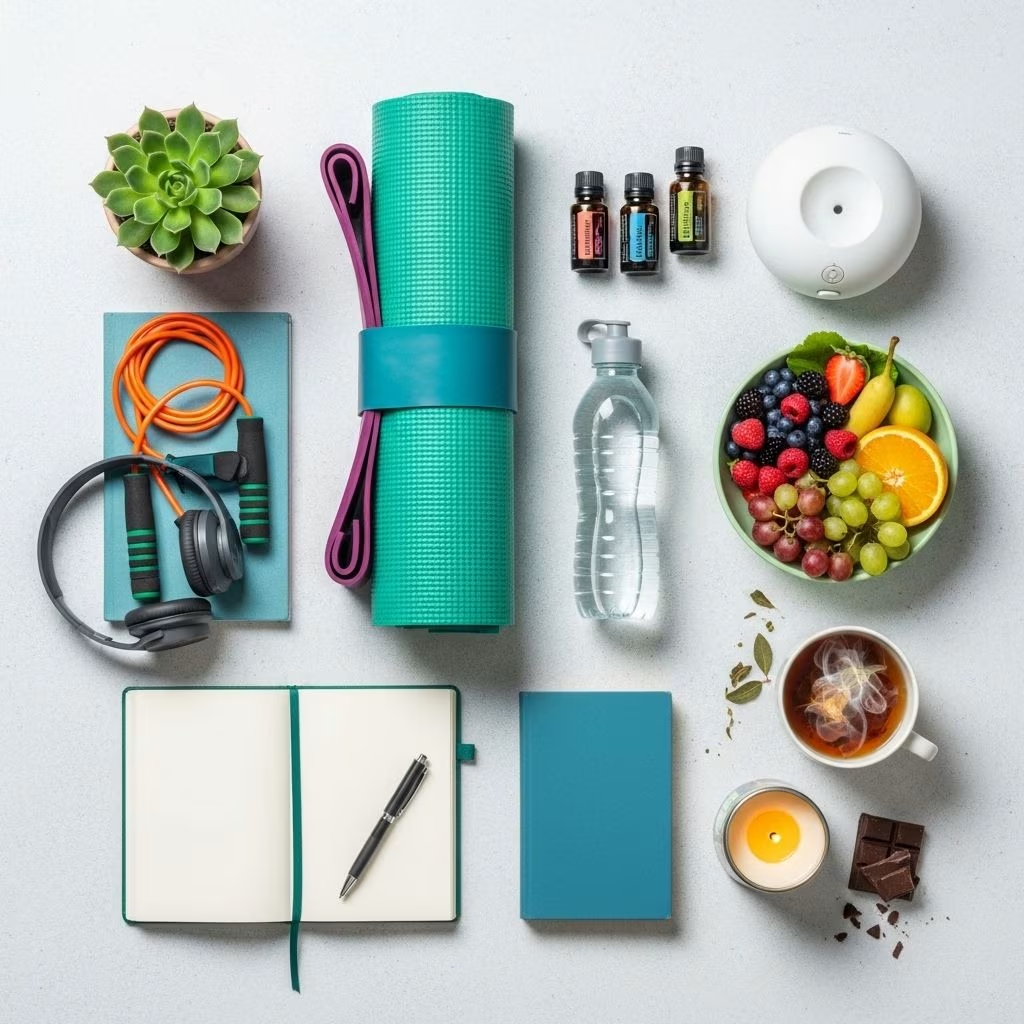
Self-care isn’t indulgence—it’s necessity. By nurturing both your body and mind, you can build resilience, release tension, and become a happier, healthier person. Here are 50 evidence-based self-care ideas you can try today to support your mental and physical wellbeing.
What Is Self-Care?
Self-care refers to the actions you take, intentionally and regularly, to maintain or improve your physical, mental, and emotional health. These habits aren’t selfish—they are essential to well-being and can help you withstand daily stress, anxiety, and even burnout.
Why Prioritize Self-Care?
- Reduces Stress: Regular self-care methods can decrease anxiety and boost relaxation.
- Implements Health: Routines like exercise, sleep, and healthy eating keep your body resilient.
- Boosts Mindset: Setting aside time for yourself cultivates self-compassion and emotional balance.
- Increases Productivity: Feeling rested and grounded enables you to approach work and relationships with more clarity and focus.
Physical Self-Care Ideas
A healthy body supports a healthy mind. Try the following physical self-care strategies for immediate and lasting benefits:
- Take a relaxing bath or shower—let hot water soothe tired muscles and refresh your senses.
- Go for a brisk walk outdoors. Exposure to fresh air and nature can refresh your body and reduce anxiety.
- Stretch gently when you wake up and before bed—it can relieve tension and boost circulation.
- Prepare a nourishing meal for yourself. Cooking can be meditative and eating well supports your energy levels.
- Get an early night. Prioritize sleep by setting a bedtime and limiting screens before bed; aim for 7–9 hours per night.
- Drink a full glass of water first thing in the morning and throughout the day to support overall health.
- Try a new workout at home or in a group class—choose something enjoyable, like dance, yoga, or cycling.
- Do a personal hygiene reset: file your nails, exfoliate your skin, or give yourself a face mask for a confidence boost.
- Practice mindful breathing for one minute—inhale deeply, exhale slowly, and focus on the breath.
- Schedule regular health appointments, such as checkups, dental visits, or screenings. Don’t delay looking after your health.
Mental and Emotional Self-Care Ideas
Nurturing your mind is just as crucial as tending to your body. These strategies can help build resilience against daily stress:
- Start a gratitude journal—list three things you’re grateful for daily to foster positivity.
- Write a letter to yourself offering encouragement, forgiveness, or appreciation.
- Read a book you’ve been meaning to start, even if only for 10 minutes.
- Practice meditation, guided or unguided, to bring awareness to your thoughts and emotions.
- Listen to your favorite uplifting song to shift your mood.
- Say no to an obligation that doesn’t serve you. Setting boundaries is key to self-respect.
- Declutter your living space—tidying a shelf or rearranging furniture can clear mental fog.
- Create a vision board with your dreams, goals, and affirmations.
- Watch a comfort movie or TV series.
- Talk with a friend or therapist. Meaningful conversations provide support and connection.
Self-Care Ideas For Home
Your environment impacts your overall wellbeing. Try these simple practices for a more supportive home:
- Refresh your bedding and towels for a clean, comforting atmosphere.
- Light a candle or diffuse essential oils to create a calming mood.
- Clear clutter from one small area—a tidy space supports a tidy mind.
- Reorganize your closet so that opening it brings you joy.
- Change the layout of your furniture—even minor adjustments can make your space feel new.
- Clean out your purse or daily bag.
- Care for your houseplants—give them sunlight and wipe their leaves. Take a moment to bask in the sun with them.
- Create a relaxing corner just for you, dedicated to reading, meditation, or reflection.
Creative & Hobby Self-Care Ideas
Engaging in creative activities is fun and stress-relieving, no matter your skill level. Try:
- Color, paint, or sketch for a few minutes—artistic expression can be deeply soothing.
- Try knitting, crocheting, or embroidery.
- Play a video game that feels positive and immersive.
- Cook or bake something new.
- Start a new craft project you’ve always wanted to try.
- Take photos of your surroundings or loved ones and create a digital or print album.
- Write poetry or short stories, even if just for yourself.
- Plan a garden, indoors or outdoors, and spend time tending to plants.
Social and Relational Self-Care Ideas
Connecting with others, even in small ways, can be restorative.
- Call or video chat with a friend or family member.
- Join a group or club, online or in-person, around a shared interest.
- Plan a screen-free board game night or casual gathering.
- Reach out to someone you haven’t seen in a while to rekindle your connection.
- Ask for a hug or gentle touch—physical affection releases stress-reducing hormones.
- Accept help when someone offers and recognize your need for support as valid.
Mindfulness & Reflection Self-Care Ideas
- Practice deep breathing or short meditation before stressful tasks.
- Start a journal to articulate your thoughts and track your progress.
- Savor a cup of tea or coffee slowly and attentively.
- Use positive affirmations—write and repeat statements that encourage self-belief and compassion.
- Sit in nature or by a sunny window and absorb the sensations around you.
- Reflect on your accomplishments at the end of each week, no matter how small they may seem.
- Unplug from digital devices for a set period to reconnect with yourself and your surroundings.
Body Care & Somatic Self-Care
| Activity | Benefit |
|---|---|
| Gentle stretching or yoga | Improves flexibility, relieves tension |
| DIY mani-pedi | Boosts self-esteem and relaxation |
| Scalp massage or slow hair brushing | Relieves headaches, encourages calm |
| Foam rolling/massage balls | Reduces muscle knots and soreness |
| Applying lotion after a shower | Hydrates skin and creates a nurturing ritual |
Health Maintenance Self-Care Ideas
- Do a regular self-exam (such as a breast or skin check) to spot anything unusual.
- Take prescribed medications, vitamins, or supplements as advised by your healthcare provider.
- Prioritize preventative healthcare, including regular screenings, eye and dental care.
- Allow yourself to sleep in on weekends or off-days for real rest.
- Take breaks during the workday to stretch and rest your eyes and mind.
- Switch up routines, like starting your day with breakfast and a shower before checking your phone. Protect your mental space from digital overload.
Self-Care for Your Senses
- Play soothing music or nature sounds.
- Wrap up in a cozy blanket and read or listen to something comforting.
- Light your favorite candle to create a calming environment.
- Try aromatherapy with essential oils like lavender, peppermint, or citrus.
- Make yourself a sensory-friendly area with pillows, textured objects, or soft lighting.
20 Quick Self-Care Ideas (1–15 Minutes)
- Drink a glass of water
- Close your eyes and breathe deeply for one minute
- Put on your favorite song and dance
- Step outside for fresh air and sunlight
- Stretch your arms, neck, and shoulders
- Write down one thing you’re proud of
- Send a message of gratitude to a loved one
- Make a comforting cup of tea
- Declutter a table or shelf
- Try a short mindfulness app or guided meditation
- Repeat a positive affirmation aloud
- Look at uplifting photos or images
- Hug someone or yourself
- Take five mindful breaths
- Step away from screens for 10 minutes
- Daydream or visualize a peaceful place
- Savor a piece of fruit mindfully
- Give yourself a hand or foot massage
- Watch a funny video clip
- Write one line in your journal
Frequently Asked Questions (FAQs) About Self-Care
Why is self-care important?
Self-care offers long-term physical and mental health benefits. It helps manage stress, strengthens your immune system, and fosters emotional resilience, making it easier to handle life’s challenges.
How do I make time for self-care in a busy schedule?
Integrate small acts of self-care throughout your day—morning stretches, drinking water, setting boundaries, and taking mindful breaks are highly effective, even with limited time.
Is self-care expensive?
No—many impactful self-care strategies are free or low-cost, like walking, journaling, meditating, or tidying your space. The key is consistency and intentionality rather than expense.
How can I stay motivated to practice self-care?
Start with just one or two strategies you enjoy, and make them part of your routine. Track your mood or energy to see the positive impact. Remember—self-care is a lifelong habit, not a destination.
Final Thoughts
Self-care is not a luxury—it’s a foundation for meaningful health and happiness. Try different activities, notice what works best for you, and be gentle with yourself as you build sustainable habits. Your well-being is always worth the investment.
References
- https://www.thegoodtrade.com/features/self-care-ideas/
- https://www.betterup.com/blog/self-care-practices
- https://www.brighterdaymh.com/blog/self-care-ideas
- https://www.goodhousekeeping.com/health/wellness/g25643343/self-care-ideas/
- https://www.goodhousekeeping.com/self-care/
- https://www.aol.com/articles/9-morning-habits-doctors-swear-215200666.html
- https://www.geisinger.org/health-and-wellness/wellness-articles/2024/12/18/20/46/self-care-ideas