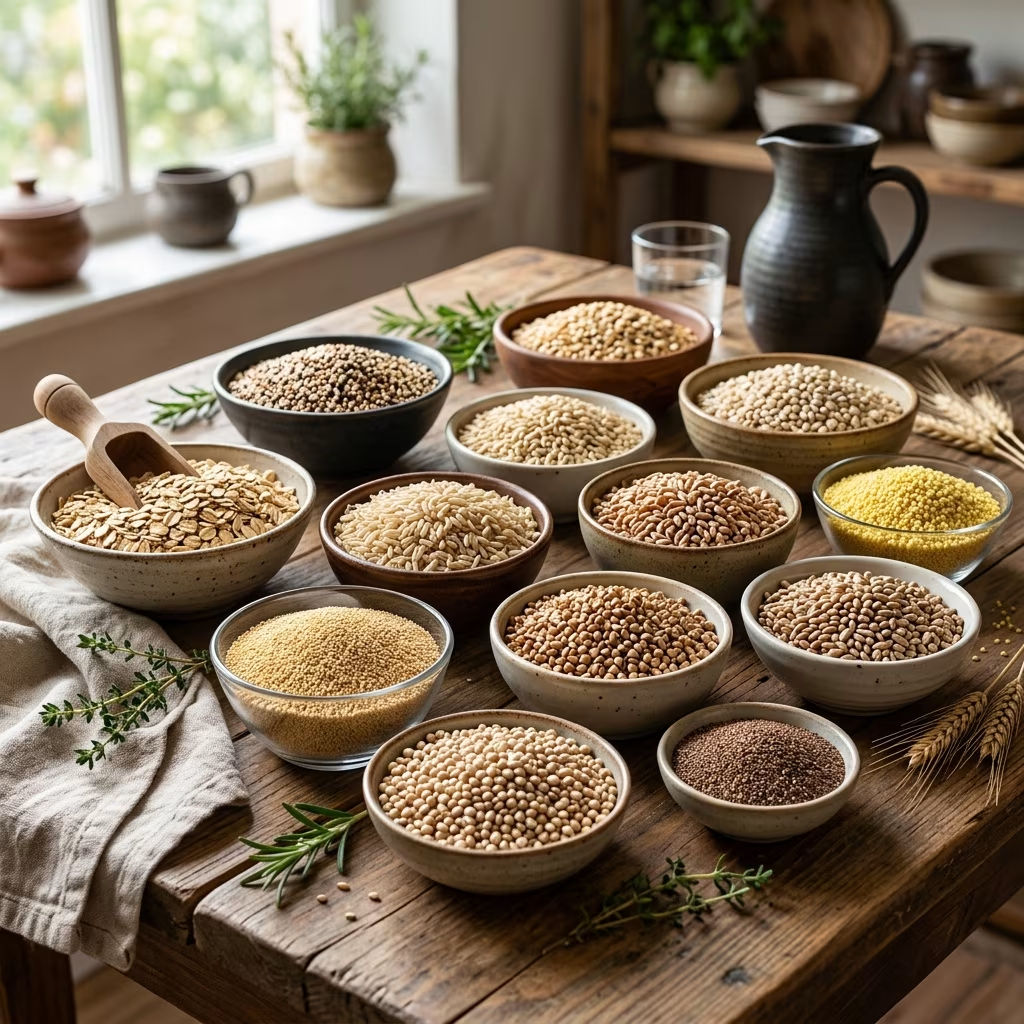
Whole grains are a crucial part of a balanced, healthy diet. Unlike refined grains, whole grains provide the complete package of health benefits by retaining all three parts of the grain kernel: the bran, endosperm, and germ. Rich in dietary fiber, vitamins, minerals, and antioxidants, whole grains can enhance your health, support digestion, and lower your risk of chronic diseases.
Why Whole Grains Matter
Swapping out refined carbohydrates in favor of whole grains can offer substantial health benefits, such as:
- Increasing daily dietary fiber intake, which many Americans lack
- Improving digestive health and regularity
- Supporting healthy cholesterol and blood sugar levels
- Reducing risk of heart disease, diabetes, colon cancer, and even asthma
- Enhancing satiety, potentially aiding in weight management
According to registered dietitians, even simple swaps—like choosing whole wheat bread over white or brown rice over white—can make a significant difference in your nutritional profile.
What Qualifies As a Whole Grain?
To be classified as a whole grain, all parts of the original grain kernel must be present in their original proportions after processing:
- Bran: The outer shell, rich in fiber, B vitamins, and antioxidants
- Endosperm: The middle layer, packed with carbohydrates and protein
- Germ: The nutrient-rich core containing vitamins, minerals, and healthy fats
Refined grains, on the other hand, have their bran and germ removed—stripping away much of the key nutrients and fiber.
Top 11 Healthiest Whole Grains
Below, you’ll find a closer look at 11 nutritionist-recommended whole grains. Each entry includes unique benefits, suggested uses, and nutrition highlights.
1. Quinoa
Quinoa is technically a seed but is classified as a whole grain for dietary purposes. It’s a complete plant-based protein, offering all nine essential amino acids.
- Gluten-free and ideal for diverse diets
- High in fiber, protein, magnesium, manganese, and antioxidants
- Beneficial for heart health, glycemic control, and satiety
How to use: Enjoy in grain salads, breakfast porridge, pilafs, or as a base for roasted veggies and protein.
| Nutrition Facts (1/4 cup uncooked) | Amount |
|---|---|
| Calories | 159 |
| Carbohydrates | 29g |
| Fiber | 3g |
| Protein | 6g |
2. Oats
Oats are an iconic breakfast staple with remarkable nutrition. Packed with both soluble and insoluble fiber, notably beta-glucan, oats play a powerful role in lowering LDL (bad) cholesterol and supporting heart health.
- Promote healthy blood pressure and cholesterol
- Excellent source of manganese, iron, vitamin B6, protein, and calcium
- Enhance digestion and feed healthy gut bacteria
How to use: Steel-cut or rolled oats make hearty hot breakfasts, homemade granola, or can be added to muffin batters and breads.
| Nutrition Facts (1/2 cup uncooked) | Amount |
|---|---|
| Calories | 153 |
| Carbohydrates | 27g |
| Fiber | 4g |
| Protein | 5g |
3. Whole Wheat
Whole wheat keeps all parts of the wheat kernel intact, making it vastly more nutritious than refined wheat. Rich in B vitamins, iron, and dietary fiber, it supports digestive health and contributes to sustained energy.
- Good source of plant protein and iron
- Ideal for making breads, pasta, cereals, and even pizza dough
Tip: Always look for “100% whole wheat” on the ingredient label to ensure you’re getting the full benefit.
4. Millet
Millet is a gluten-free ancient grain that is especially rich in calcium—containing up to three times more calcium than milk. It’s been linked to improved bone health and may help reduce cholesterol.
- Gentle on digestion, ideal for people with food sensitivities
- High in fiber and B vitamins
How to use: Millet cooks quickly and is great in porridges, stir-fries, salads, or baked into breads.
| Nutrition Facts (1/2 cup cooked) | Amount |
|---|---|
| Calories | 103 |
| Carbohydrates | 20g |
| Fiber | 3g |
| Protein | 3g |
5. Bulgur
Bulgur is made by parboiling, drying, and then cracking wheat kernels. It retains most of the wheat’s nutrients and absorbs flavors beautifully while cooking quickly.
- High in manganese, magnesium, and iron
- Fast-cooking, making it ideal for busy weeknight meals
How to use: Classic in Middle Eastern tabbouleh, pilafs, and soups.
6. Whole-Grain Barley
Barley is a fiber powerhouse, especially high in beta-glucan, the same cholesterol-lowering fiber found in oats. Barley is also packed with selenium, magnesium, and other phytochemicals supporting heart health.
- May help manage blood sugar and lower cholesterol
- Rich in antioxidants and prebiotic fiber
Tip: Always select hulled or whole-grain barley, not “pearled,” as pearled barley has its nutritious bran removed.
| Nutrition Facts (1/4 cup hulled, uncooked) | Amount |
|---|---|
| Calories | 162 |
| Carbohydrates | 33g |
| Fiber | 8g |
| Protein | 6g |
7. Buckwheat
Buckwheat is a naturally gluten-free pseudograin (not botanically related to wheat), rich in magnesium and manganese. It supports nerve function, reduces PMS symptoms, and is high in plant protein and fiber.
- Boosts brain function and heart health
- Suitable for gluten-intolerant individuals
How to use: Popular in pancakes (buckwheat flour), soba noodles, porridges, and adding crunch to granola or salads.
| Nutrition Facts (1/2 cup roasted groats, uncooked) | Amount |
|---|---|
| Calories | 283 |
| Carbohydrates | 61g |
| Fiber | 8.5g |
| Protein | 9.5g |
8. Farro
Farro is an ancient wheat strain with a hearty, chewy texture. It’s especially high in fiber and protein compared to other grains and contains antioxidants, iron, magnesium, and zinc.
- Stays firm after cooking, perfect for salads and bowls
- Packed with flavor and nutrients
How to use: Add to soups, risottos, or toss with roasted vegetables and vinaigrette for a satisfying salad base.
9. Amaranth
Amaranth is another gluten-free ancient grain, notable for its complete protein profile and high levels of calcium, iron, and magnesium. It also contains anti-inflammatory peptides.
- Great for those with gluten intolerance
- Versatile for porridges, baking, and thickening soups
10. Brown Rice
Brown rice has only the indigestible hull removed, unlike white rice where the bran and germ are stripped away. It’s a solid source of magnesium, fiber, and selenium.
- Supports stable energy and heart health
- More filling and nutrient rich than white rice
Tip: Experiment with red or black rice for a boost of antioxidants.
11. Wild Rice
Wild rice is not technically a rice but the seed of an aquatic grass. Wild rice contains 9 to 13 times more antioxidants than white rice and is uniquely high in protein and dietary fiber.
- Helps protect cells from oxidative stress
- Rich in vitamins, minerals, and plant compounds
| Nutrition Facts (1/2 cup cooked) | Amount |
|---|---|
| Calories | 83 |
| Carbohydrates | 17.5g |
| Fiber | 1.5g |
| Protein | 3g |
Honorable Mention: Corn
Corn, when eaten in its whole form as on-the-cob or popcorn, is a nutrient-rich grain high in antioxidants, especially in colorful varieties (yellow, blue, purple). Skip processed corn products in favor of whole kernels.
How to Add More Whole Grains to Your Diet
- Choose whole grain breads, cereals, or pastas over refined options
- Use brown rice or quinoa instead of white rice
- Add cooked barley, millet, or farro to soups and salads
- Start your morning with steel-cut or rolled oats
- Make buckwheat pancakes or try soba noodles for variety
- Swap in whole grain flour for some or all of the white flour in baking recipes
Start with manageable swaps: replace at least half of your refined grains with whole grains for noticeable health improvements. Watch for food labels that specify “100% whole grain.” If you’re gluten intolerant, look for naturally gluten-free options like quinoa, millet, amaranth, or buckwheat.
Common Challenges and Tips
- Switch gradually to allow your digestion to adapt to more fiber.
- Be cautious of foods labeled “multigrain” or “whole grain blend”—these often contain refined grains; check the ingredient list.
- Soak or rinse grains before cooking to improve digestibility.
- Pair grains with vegetables, lean proteins, and healthy fats for balanced meals.
Frequently Asked Questions (FAQs)
Q: How many servings of whole grains should I eat daily?
A: The Dietary Guidelines for Americans recommend that at least half of total grain intake be whole grains—that’s about 3–5 servings per day, depending on your age, activity level, and gender.
Q: Are all whole grains gluten-free?
A: No. Grains like wheat, barley, rye, and farro contain gluten. However, options like quinoa, millet, buckwheat, rice, wild rice, and amaranth are naturally gluten-free.
Q: What’s the main difference between whole and refined grains?
A: Whole grains contain the entire grain kernel (bran, endosperm, and germ), while refined grains have the bran and germ removed, losing much of their fiber and nutrients.
Q: Can eating whole grains help with weight management?
A: Yes. Whole grains are high in fiber and protein, which help you feel full longer and may assist with weight management when part of a balanced diet.
Q: What’s the healthiest whole grain?
A: Nutritionists frequently recommend oats, quinoa, barley, and buckwheat as top options, but the healthiest choice depends on your personal nutrition needs and preferences.
Takeaway
Incorporating a variety of whole grains into your daily meals can provide long-lasting health benefits, from improved digestion to a reduced risk of chronic diseases. Start experimenting with different grains, and let your palate—and your health—enjoy the benefits.
References
- https://studyfinds.org/best-types-of-whole-grains/
- https://www.goodhousekeeping.com/health/diet-nutrition/a20706575/healthy-whole-grains/
- https://www.goodhousekeeping.com/uk/food/a532324/healthy-wholegrains/
- https://guidingstars.com/nutrition-science/swap-in-whole-grain-goodness/
- https://wholegrainscouncil.org/sites/default/files/atoms/files/J-LONDON_2018_WGCConf%20small.pdf
- https://www.hachettebookgroup.com/titles/good-housekeeping/good-housekeeping-grains/9781588168375/