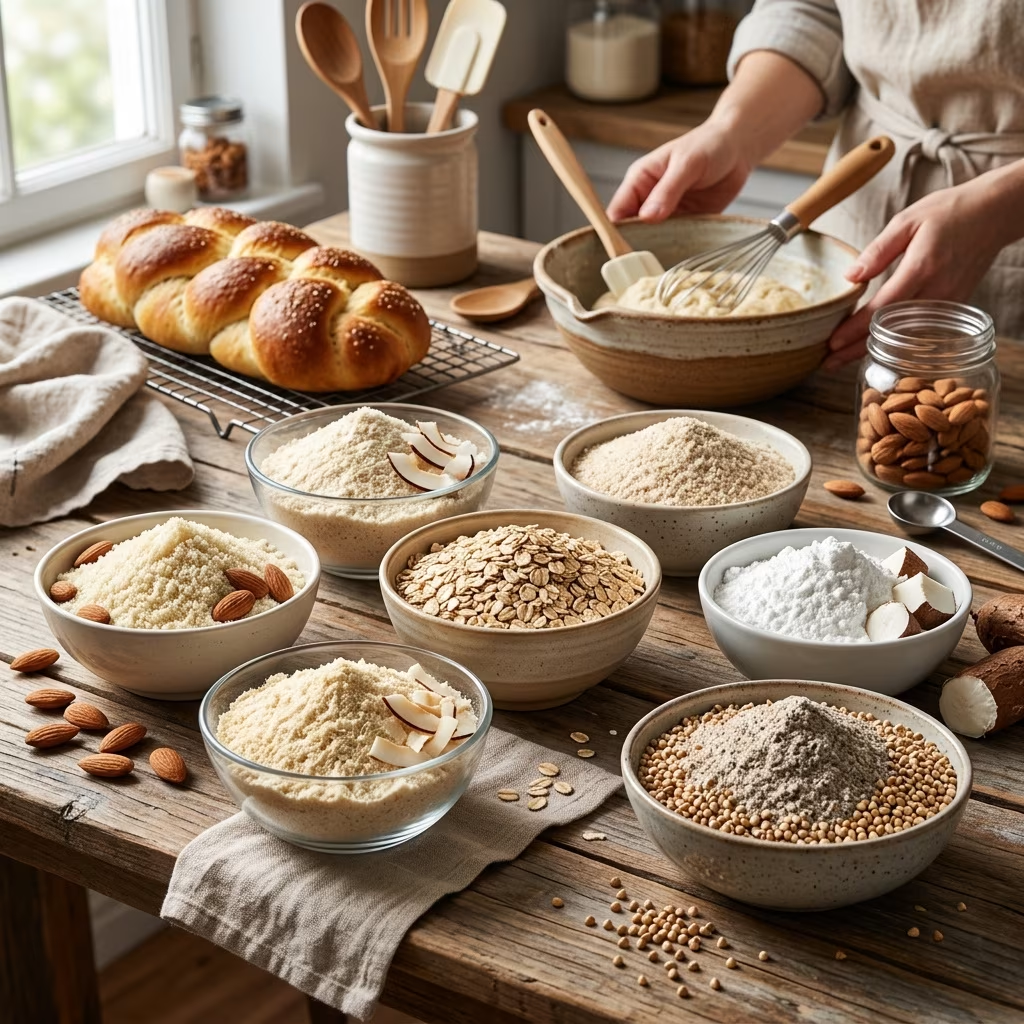
Flour serves as the backbone of countless recipes, from breads and cakes to sauces and coatings. For those managing gluten intolerances, allergies, or simply exploring healthier cooking, finding the right flour substitute can be a game-changer. This guide provides a comprehensive overview of the most popular and effective flour alternatives, their nutritional benefits, best uses, and how to substitute them in your favorite recipes.
Why Use Flour Substitutes?
Whether you’re gluten intolerant, allergic to wheat or nuts, following a low-carb diet, or simply out of all-purpose flour, there’s a substitute to suit your needs. Each alternative flour offers unique nutritional benefits—from added protein to extra fiber—while also bringing distinct flavors and textures to your dishes.
How to Choose the Best Flour Substitute
- Consider the Recipe: Yeasted breads, cakes, cookies, and pancakes may need different flours for structure and texture.
- Check Dietary Needs: Gluten-free, nut-free, or low-carb diets will influence your choice.
- Flavor Profile: Some flours—like coconut or buckwheat—have distinct tastes, while others, like rice or oat flour, are milder.
- Binding & Rising: Some flours require additional eggs, binders, or leaveners to replicate the structure of wheat flour.
Popular Flour Substitutes for Baking and Cooking
1. Almond Flour
Best for: Baked goods, pancakes, breading
Substitution ratio: 1:1 for all-purpose flour, but may require more egg or binder
Nutritional profile: High in protein and fiber, low in carbs, gluten-free
Almond flour is made from finely ground blanched almonds. It provides a moist crumb and a mildly sweet, nutty flavor. Perfect for macarons, muffins, cookies, cakes, and paleo or keto-friendly diets. It is versatile, but because of its high fat content, it browns quickly and may not suit airy baked goods unless combined with other flours or stabilizers.
2. Coconut Flour
Best for: Muffins, pancakes, brownies, dense cakes
Substitution ratio: Use 1/4–1/3 cup coconut flour for every 1 cup all-purpose flour; increase eggs and liquids
Nutritional profile: High in fiber, moderate protein, slightly sweet, gluten- and grain-free
Coconut flour is highly absorbent, making it suitable for recipes with extra eggs or moisture. Its subtle sweetness enhances desserts, but it can lead to dry, crumbly results if not properly balanced. Excellent for those on paleo, gluten-free, or nut-free diets (as long as there’s no coconut allergy).
3. Oat Flour
Best for: Pancakes, quick breads, muffins, cookies
Substitution ratio: 1:1 with all-purpose flour, but baked goods may be denser
Nutritional profile: Rich in fiber, moderate protein, gluten-free (ensure certified gluten-free oats)
Oat flour is created by grinding rolled oats and imparts a mild, slightly sweet flavor. It works wonderfully in chewy, hearty baking and helps retain moisture. It lacks gluten, so best for denser baked goods or when blended with other flours.
4. Chickpea Flour (Garbanzo Bean Flour)
Best for: Fritters, pancakes, flatbreads, thickeners, savory bakes
Substitution ratio: Replace up to 1/2 the all-purpose flour; can dry out cakes if used at higher percentages
Nutritional profile: High protein and fiber, gluten-free, nut-free
Made from white chickpeas, chickpea flour’s coarse texture makes it an excellent binding agent for veggie burgers, pakoras, and pancakes. It absorbs moisture, so may require recipe adjustment to prevent dryness, especially in desserts.
5. Gram Flour (Besan)
Best for: Indian dishes (bhajis, pakoras), savory pancakes, thickening sauces
Substitution ratio: Use half the amount of gram flour for all-purpose flour
Nutritional profile: High protein and fiber, low carb, gluten-free
Gram flour is made from ground chana dal (split brown chickpeas). Popular in South Asian cuisine, it offers a dense, earthy taste and robust binding ability, ideal for batters and fritters.
6. Rice Flour
Best for: Gluten-free cakes, biscuits, pancakes, thickening sauces
Substitution ratio: Best used in blends with other gluten-free flours (up to 1/2 of total flour)
- White rice flour: finer, lighter
- Brown rice flour: richer, slightly nutty flavor
Nutritional profile: Naturally gluten-free, low in fat, easy to digest
Rice flour is popular for tender, crumbly cakes and gluten-free breads. On its own, it can produce crumbly or dry results, so blend with starches or other flours for best results.
7. Quinoa Flour
Best for: Gluten-free pancakes, muffins, pizza crusts
Substitution ratio: Replace up to 1/2 the flour in most recipes
Nutritional profile: High fiber, high protein, rich in minerals, gluten-free
With a strong, nutty flavor, quinoa flour provides a nutritional boost and improves protein structure in gluten-free baking. It’s often combined with lighter flours for balance.
8. Millet Flour
Best for: Muffins, cookies, sweet breads, porridge
Substitution ratio: Up to 1:1 for wheat flour in some recipes; best combined with other gluten-free flours
Nutritional profile: High in vitamins and minerals, gluten-free, mild natural sweetness
Millet flour’s soft, fine texture and mild flavor mimic all-purpose flour closely, making it ideal in gluten-free blends. Offers great results in both sweet and savory baking.
9. Corn Flour and Cornmeal
Best for: Cornbread, tortillas, pancakes, breading
Substitution ratio: Use as needed; textures differ from wheat flour
Nutritional profile: Gluten-free, good source of carbohydrates and fiber
- Corn flour: Fine, soft powder suitable for baking and batter.
- Cornmeal: Coarser grind for added texture in cornbread and coatings.
Choose between white, yellow, and blue varieties. Excellent for heartier breads and savory applications.
10. Cassava Flour
Best for: Tortillas, cookies, pancakes, flatbreads, grain-free baking
Substitution ratio: Can be swapped 1:1 with all-purpose flour in many recipes
Nutritional profile: Grain-free, gluten-free, neutral flavor, higher in carbs, nut-free
Cassava flour is made from the whole root of the cassava plant. It mimics the texture of wheat flour and is a favorite for grain-free, paleo, and allergen-friendly baking.
11. Buckwheat Flour
Best for: Pancakes, crepes, soba noodles, waffles
Substitution ratio: Mix with other flours for lighter results
Nutritional profile: Gluten-free (despite the name), high in minerals, earthy flavor
Buckwheat flour adds a robust taste and dark color, excellent for rustic pancakes and baked goods. Use in combination for lighter textures.
12. Sorghum Flour
Best for: Gluten-free breads, muffins, cookies
Substitution ratio: Best in blends for structure and moisture
Nutritional profile: Whole grain, gluten-free, moderate protein and fiber
Sorghum flour has a light color and neutral taste, making it a staple in gluten-free flour blends. Used widely in Africa and India.
13. Rye Flour
Best for: Bread, crackers, pizza crusts (contains gluten)
Substitution ratio: Use as partial replacement for wheat flour
Nutritional profile: High in fiber, minerals, contains gluten
Rye flour imparts earthy, tangy notes ideal for hearty breads, but still contains gluten and suits those who can tolerate it.
Comparison Table: Common Flour Alternatives
| Flour Substitute | Gluten-Free? | Best For | Notes |
|---|---|---|---|
| Almond Flour | Yes | Cakes, cookies, pancakes | High protein, needs extra binder |
| Coconut Flour | Yes | Desserts, brownies | Very absorbent, increase liquids |
| Oat Flour | Yes* | Breads, muffins, pancakes | Check for gluten-free certification |
| Chickpea Flour | Yes | Fritters, flatbreads | Dense, earthy flavor |
| Rice Flour | Yes | Pastries, coatings | Best in blends |
| Cassava Flour | Yes | Flatbreads, cookies | Nut-free, close to wheat texture |
| Buckwheat Flour | Yes | Pancakes, crepes | Robust flavor |
| Millet Flour | Yes | Sweets, porridge | Mild, sweet flavor |
| Rye Flour | No | Breads | Contains gluten |
| Sorghum Flour | Yes | Breads, muffins | Neutral flavor, blends well |
*Oat flour is gluten-free only if certified as such due to possible cross-contamination.
Expert Tips for Successful Flour Substitution
- When making gluten-free or allergen-friendly swaps, using a blend of two or three flours often improves structure and taste.
- Add a binder, such as eggs, chia seeds, flaxseed meal, or xanthan gum, to better replicate the elasticity of gluten in wheat flour.
- Increase liquid or moisture content for more absorbent flours like coconut and chickpea flour to avoid dry or crumbly results.
- Consider the color and taste—some flours lend a richer color or assertive flavor profile that might alter the dish.
Frequently Asked Questions (FAQs)
What is the closest gluten-free substitute to all-purpose flour?
A: Gluten-free flour blends that combine rice, potato, tapioca, and sometimes sorghum or millet flours are the easiest to swap 1:1 for all-purpose flour in most recipes.
How do I convert a recipe to use almond or coconut flour?
A: For almond flour, swap at a 1:1 ratio but add an extra egg for binding. For coconut flour, use 1/4–1/3 cup per cup of all-purpose flour, and increase liquids and eggs substantially.
Can I use gram flour (besan) in sweet recipes?
A: Yes, gram flour works in both sweet and savory recipes—it’s used in Indian sweet treats like ladoos as well as savory fritters.
Is cornstarch the same as corn flour?
A: No, cornstarch is a pure starch used mostly as a thickener; corn flour is a fine powder made from whole corn and can be used in baking.
What flour is best for breading and frying?
A: Rice flour, corn flour, and chickpea flour all produce crispy breading for fried foods and remain gluten-free.
Quick Reference: Best Flour Substitute by Use Case
- Cakes & Muffins: Almond flour, oat flour, sorghum flour (blended with starches)
- Pancakes & Waffles: Oat flour, chickpea flour, buckwheat flour
- Bread: Millet flour, sorghum flour, gluten-free flour blends
- Cookies: Almond flour, coconut flour, buckwheat flour
- Breading & Frying: Rice flour, corn flour, chickpea flour
- Thickening sauces: Chickpea flour, rice flour, cornstarch (not a true flour, but works well)
Final Thoughts: Flour Substitutes Tailored for Every Kitchen
Alternative flours empower home cooks to bake and cook deliciously, regardless of dietary restrictions or pantry shortages. By understanding their unique properties, you can effortlessly swap all-purpose flour for healthy, flavorful substitutes—expanding your baking horizons and catering to all tastes and needs.
References
- https://www.bbcgoodfood.com/health/special-diets/best-flour-substitutions
- https://www.lifeextension.com/wellness/lifestyle/15-flour-alternatives
- https://gluten.org/2019/10/17/gluten-free-grains/
- https://health.clevelandclinic.org/how-to-use-healthy-flour-substitutes
- https://freshmealplan.com/blogs/news/5-healthy-flour-alternatives-that-will-be-the-star-of-your-next-recipe
- https://samsungfood.com/blog/types-of-flour/