A Complete Guide to the Ayurvedic Diet: Principles, Benefits, and Modern Insights
The Ayurvedic diet is rooted in ancient Indian wellness traditions, focusing on holistic health, individuality, and mindful living. Far more than just a list of foods, Ayurveda combines unique body constitutions, daily self-care rituals, and dietary principles to create a personalized and balanced approach to nutrition.
What is Ayurveda?
Ayurveda—from the Sanskrit words for “life” (ayu) and “science/knowledge” (veda)—is a system of medicine and lifestyle that dates back thousands of years in India. Its core goal is to promote harmony between mind, body, and spirit for lasting health and vitality. Unlike conventional diets that focus solely on nutrients or calories, Ayurveda views food as both nourishment and medicine, tailored to each person’s unique constitution and life circumstances.
Foundational Concepts of Ayurveda
- Balance and Prevention: Ayurveda aims for ongoing balance rather than simply treating disease.
- Personalization: Each person’s needs are defined by their constitution (Prakriti), imbalances, and lifestyle.
- Holistic Approach: Mental state, environment, routines, and seasons are considered alongside food choices.
The Five Elements & Tridosha Theory
Ayurveda teaches that all matter is formed from five elements: earth, water, fire, air, and space. In the body, these elements combine into three biological “forces” or doshas:
- Vata (air & space): movement, nerve impulses, breathing.
- Pitta (fire & water): digestion, metabolism, transformation.
- Kapha (earth & water): structure, stability, lubrication.
An individual’s predominant dosha(s) shape not only physical and emotional tendencies but also dietary responses and nutritional needs.
The Ayurvedic Diet Explained
Unlike generic or trend-based eating plans, the Ayurvedic diet focuses on matching food choices to your constitution and current imbalances. It also considers the time of day, seasons, food combinations, and mental state during meals.
Key Principles of the Ayurvedic Diet
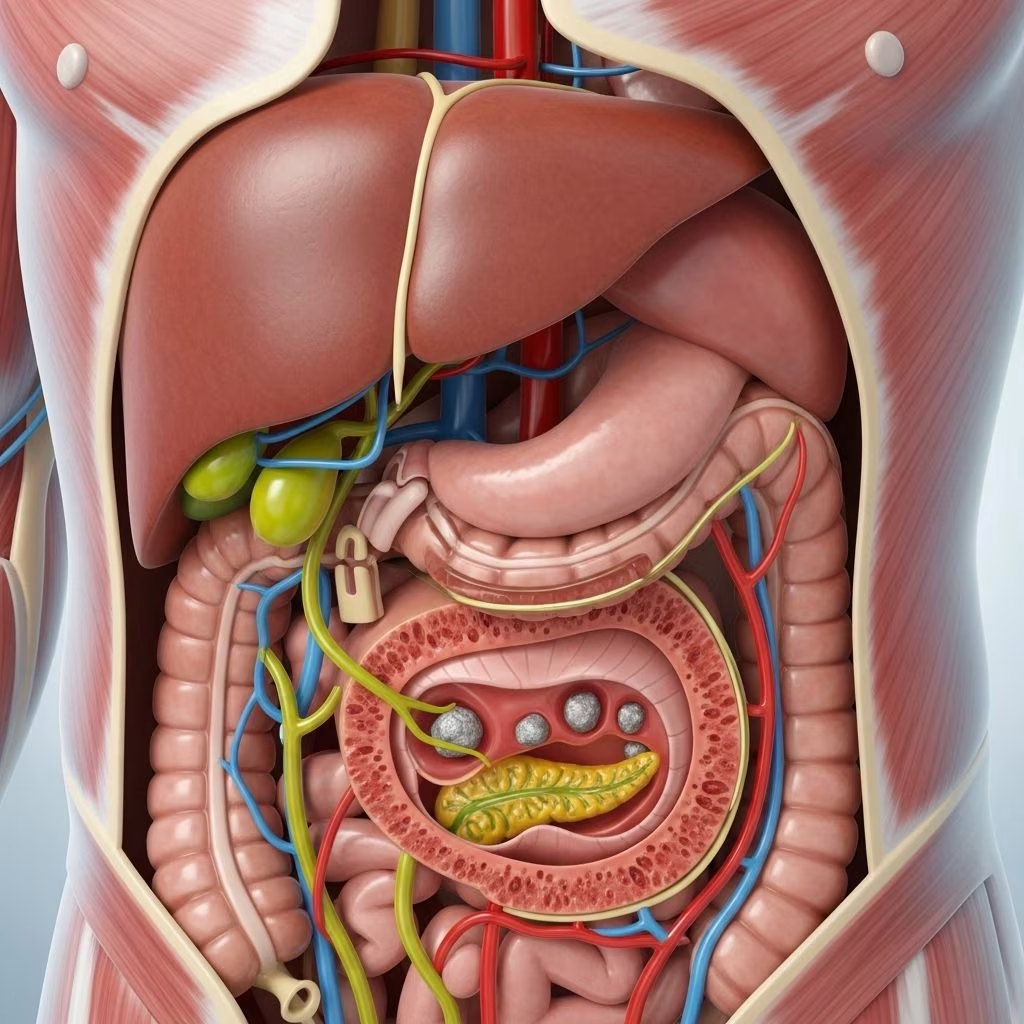
- Agni (Digestive Fire): Central to Ayurvedic nutrition, agni determines how well you digest, absorb, and assimilate food. Weak agni leads to accumulation of ama (toxins), which underlies disease.
- Eat for Your Dosha: Each dosha calls for different tastes, cooking methods, and meal times to maintain optimal health.
- Six Tastes (Shad Rasa): Every meal should ideally offer a balance of these flavors: sweet, sour, salty, bitter, pungent, astringent. Each taste affects the doshas differently.
- Food Combining: Ayurveda prescribes compatible food pairings to enhance digestion and avoid toxin build-up.
- Mindful & Rhythmic Eating: How and when you eat—calmly, on a set schedule, with attention—matters as much as what you eat.
The Eight Principles of Diet (Ashta Ahara Vidhi Vishesha Ayatana)
| Principle | Description |
|---|---|
| Prakriti | Nature of the food—digestibility, cooling/heating quality, heaviness, etc. |
| Karana | Processing of the food—cooking, fermenting, etc., can change a food’s properties. |
| Samyoga | Combination—are foods compatible? |
| Rashi | Quantity—eat proper amounts based on digestion, not appetite alone. |
| Desha | Place of origin—regional/seasonal appropriateness is vital. |
| Kala | Time—consider both time of year (season) and time of day. |
| Upayoga Samstha | Rules of use—meal timing, order, gap between meals, etc. |
| Upayokta | User—take the constitution, state of health, age, etc., of the individual into account. |
Eating for Your Dosha: Personalized Guidelines
Vata Dosha
- Tendencies: Dryness, coldness, irregular digestion, restlessness.
- Best Foods: Warm, moist, oily, and grounding dishes; cooked grains, stews, root veggies.
- Encourage: Consistency in routine and meal times.
- Reduce: Raw produce, cold foods, excess stimulants or dry snacks.
Pitta Dosha
- Tendencies: Heat, inflammation, sharp hunger, irritability.
- Best Foods: Cooling, mildly spicy foods; bitters, sweet fruits, leafy greens, grains.
- Encourage: Raw or lightly cooked vegetables, dairy, coconut, cucumber.
- Reduce: Excess chilies, salty or sour foods, alcohol.
Kapha Dosha
- Tendencies: Heaviness, lethargy, congestion, slow digestion.
- Best Foods: Light, dry, warm, and spicy; steamed vegetables, lentils, mustards.
- Encourage: Frequent movement and energizing spices such as ginger, black pepper.
- Reduce: Heavy, oily, sweet, and cold foods.
The Six Tastes in Ayurveda
Each taste, or rasa, has specific effects on the body, mind, and doshas:
- Sweet: Nourishing, calmative; increases Kapha, balances Vata/Pitta.
- Sour: Stimulates appetite, aids digestion; increases Pitta/Kapha.
- Salty: Moistens tissues, enhances taste; increases Pitta/Kapha.
- Bitter: Detoxifying, cleansing; pacifies Pitta/Kapha.
- Pungent: Stimulating; reduces Kapha, increases Vata/Pitta.
- Astringent: Drying; reduces Pitta/Kapha, increases Vata.
Daily Routines: Dinacharya
Ayurveda extends beyond diet to daily self-care rituals, or dinacharya. These help align body rhythms with nature, enhance digestion, and support mental clarity. Key practices often recommended include:
- Waking up early, ideally with sunrise.
- Warm-oil massage (abhyanga).
- Tongue scraping to remove overnight coatings.
- Meditation and conscious breathing before breakfast.
- Eating main meal at mid-day, when digestive fire peaks.
- Gentle movement (walking or yoga).
- Light, early dinner.
Modern Science and the Ayurvedic Diet
While Ayurveda is ancient, many of its principles are supported by emerging nutrition science:
- Personalization: Modern nutrition increasingly recognizes the need for tailored dietary approaches—mirroring Ayurveda’s reliance on individual constitution (Prakriti).
- Microbiome health: Ayurvedic meal timing, prebiotic-laden foods, and mindful eating support gut health.
- Anti-inflammatory effects: Many Ayurvedic herbs and spices (turmeric, ginger, cumin) have documented anti-inflammatory and antioxidant benefits.
- Mindful Eating: Studies show mindfulness improves digestion and reduces overeating.
Potential Benefits of the Ayurvedic Diet
- Improved digestive health and nutrient absorption.
- Enhanced self-awareness and connection with natural rhythms.
- Long-term weight balance through guided routines rather than restrictive focus.
- Reduced inflammation thanks to herbs, spices, and clean eating.
- Lower stress levels via daily rituals and calm meal environments.
Sample Ayurvedic Meal Plan
| Meal | Example (Vata) | Example (Pitta) | Example (Kapha) |
|---|---|---|---|
| Breakfast | Warm spiced porridge | Sweet fresh fruit, herbal tea | Millet with berries, cinnamon |
| Lunch | Lentil stew, root vegetables, rice | Chickpea curry, leafy greens, quinoa | Light vegetable soup, sprouts |
| Dinner | Kitchari (mung dal & rice), ghee | Steamed veggies, barley, coconut chutney | Grilled vegetables, lentils, herbal tea |
*Tailor each meal for season, constitution, and digestive state.
Practical Tips for Starting an Ayurvedic Diet
- Identify your primary dosha(s)—seek an Ayurvedic practitioner for assessment if needed.
- Favor freshly prepared meals; avoid leftovers whenever possible.
- Eat mindfully—sit down, avoid distractions, and focus on enjoyment.
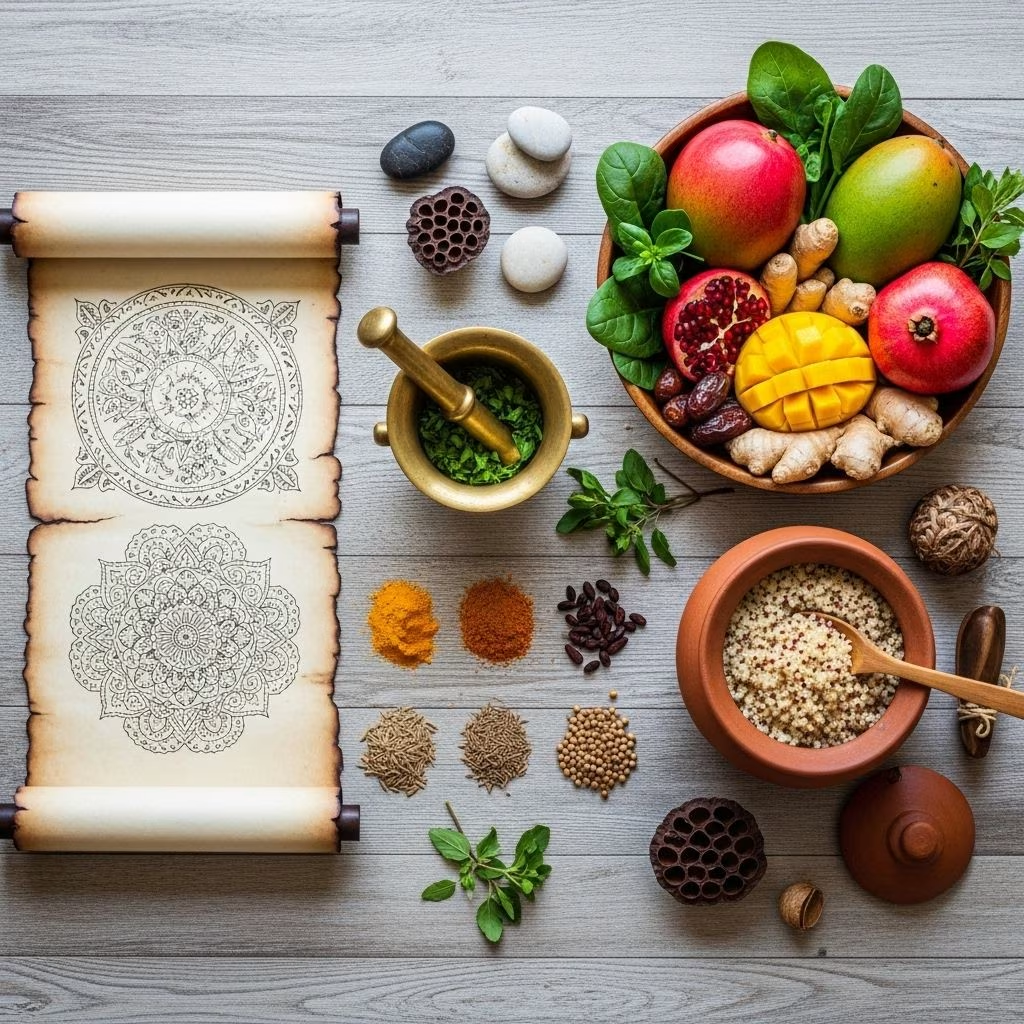
- Use digestive spices: ginger, cumin, fennel, turmeric.
- Listen to your body and adjust according to energy, digestion, and well-being.
Common Questions About the Ayurvedic Diet
Is the Ayurvedic diet supported by scientific research?
Some principles, such as personalized nutrition, anti-inflammatory herbs, mindful eating, and eating with natural rhythms, are increasingly supported by research. However, as a complete system, rigorous modern studies are limited. Always check with your healthcare provider before significant dietary shifts.
Can I follow an Ayurvedic diet if I am vegetarian, vegan, or have other dietary needs?
Yes—while Ayurveda sometimes includes dairy, it is inherently flexible and can be adapted to most dietary preferences and needs.
Is the diet restrictive?
No. Unlike many modern diet fads, the Ayurvedic diet emphasizes variety, moderation, and suitability over restriction. The core idea is to adjust foods and routines to your needs in that moment or season.
How quickly can I expect results?
Some people experience improvements in energy or digestion within a week, but Ayurveda focuses on gradual change and long-term balance. Benefits often grow over months as routines are integrated and imbalances corrected.
Do I need to see an Ayurvedic practitioner to start?
While self-assessment tools are widely available, meeting with a trained Ayurvedic consultant is ideal for precise recommendations, as many factors must be considered.
Integrating Ayurveda with Modern Life
Incorporating Ayurvedic principles does not require a total lifestyle overhaul. Start small: try mindful eating, integrate one or two self-care routines, or focus on supporting digestion. Over time, as you attune to your body’s needs and subtle cues, the benefits of this ancient tradition can become a sustainable path toward vitality and balance.
Frequently Asked Questions (FAQs)
Q: What distinguishes Ayurveda from other dietary approaches?
A: Ayurveda stands out for its focus on personalization (Prakriti and dosha-based eating), mindful consumption, and treating food as medicine—rather than following a one-size-fits-all or calorie-driven plan.
Q: Are there foods that everyone should avoid?
A: Ayurveda emphasizes moderation and suitability, but generally discourages leftovers, heavily processed foods, and excessive sugar or artificial additives, as these can harm digestive fire (agni).
Q: Can children follow an Ayurvedic diet?
A: Yes. An Ayurvedic approach—focusing on whole foods, gentle spices, and mindful routines—can support healthy growth and digestion in children. Adjust the specifics based on age, constitution, and health status.
Q: How is seasonal eating addressed?
A: Eating seasonally is central in Ayurveda; foods are adjusted according to environmental needs (e.g., lighter cooling foods in summer, warm nourishing dishes in winter) to support dosha balance and immunity.
Q: Do cooking methods matter?
A: Yes. Cooking enhances digestibility, particularly for Vata and Kapha types, and can change the energetic qualities of foods—emphasizing gentle, moist, or spiced preparations over raw or dry methods.
Adopting the Ayurvedic diet is a journey into personal wisdom, ancient science, and daily self-care. It reinforces the idea that health is not a one-size-fits-all phenomenon, but a dynamic state of balanced nourishment, self-understanding, and mindful living.
References
- https://sohumhealing.com/the-principles-of-ayurvedic-medicine/
- https://reaveda.com/diet-principles/
- https://www.banyanbotanicals.com/pages/ayurvedic-diet-intro
- https://pmc.ncbi.nlm.nih.gov/articles/PMC4815005/
- https://foodhak.com/blogs/news/a-complete-guide-to-ayurvedic-diet
- https://path-wellbeing.com/ayurvedic-diet-principles-understanding-your-unique-relationship-to-food/
- https://mapi.com/blogs/articles/ten-ayurvedic-dietary-must-dos