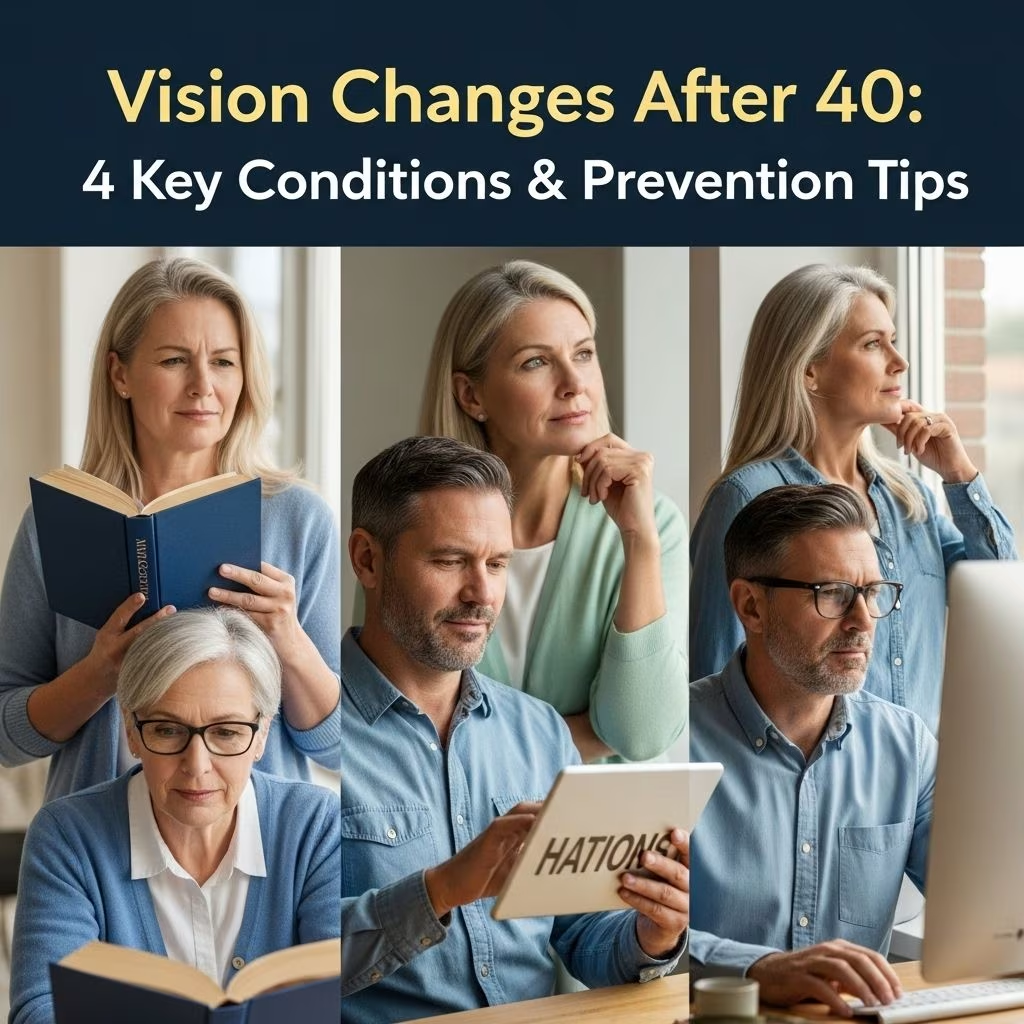
Understanding Vision Changes After 40
Once you reach your 40s, changes in your vision often become more noticeable, even if you’ve previously had no significant eye problems. Many people assume that the need for reading glasses is the main concern, but several other conditions can develop during this stage of life. The more you know about what can occur, the better prepared you’ll be to recognize symptoms, communicate effectively with your eye care professional, and keep your eyes healthy for years to come.
Why Do Eyes Change After 40?
Aging naturally affects the structures of your eyes. The lens—responsible for focusing—gradually loses flexibility, making it more difficult to switch focus between near and distant objects. Tear production may also decrease, resulting in dry eyes and discomfort. Furthermore, the risks of various eye diseases rise with age, including cataracts, glaucoma, and macular degeneration.
- Presbyopia: Less flexible lenses impede close-up focus.
- Dry Eyes: Reduced tear production causing irritation.
- Poor Night Vision: Increased sensitivity to glare.
- Increased Disease Risk: Age raises the chance of cataracts, glaucoma, and macular degeneration.
The Four Major Vision Changes After Age 40
Eye specialists frequently highlight four primary conditions that tend to arise with age. Each one has unique effects, symptoms, causes, and treatment strategies.
1. Presbyopia
Presbyopia is the medical term for the gradual loss of your eye’s ability to focus on close objects. This universal process typically starts to become noticeable in your early to mid-40s.
- Difficulty reading fine print or using cell phones.
- Holding objects farther away to see them clearly.
- Needing brighter light for close-up work.
Why It Happens:
Over time, the lens inside the eye becomes less flexible, reducing its ability to change focus from distant to near objects. This change is a normal part of aging and affects everyone eventually.
Symptoms:
- Blurry vision when viewing objects up close.
- Eye strain during prolonged reading or screen use.
- Frequent changing of eyeglass or contact lens prescriptions.
Solutions:
- Reading glasses, including over-the-counter options.
- Bifocal or progressive lenses for those already wearing corrective lenses.
- Multifocal contact lenses.
- Refractive surgery options, such as LASIK (for select patients).
Expert Advice: Regular eye exams help catch presbyopia early and allow you to discuss the best corrective strategy for your needs.
| Solution | Advantages | Disadvantages |
|---|---|---|
| Reading Glasses | Easy, affordable, widely accessible | Only useful for near tasks, must be removed for distance |
| Progressive Lenses | Seamless vision correction for all distances | May require adjustment period |
| Multifocal Contacts | No glasses needed, good for active lifestyles | Not suitable for everyone, may cause initial discomfort |
| Refractive Surgery | Long-term correction | Risks and eligibility considerations |
2. Cataracts
Cataracts occur when the clear lens of the eye becomes clouded, leading to blurry vision, glare, and faded colors. Although cataracts develop slowly and may not cause symptoms right away, they commonly appear in adults over 40 and become more prevalent with age.
- Blurry or hazy vision.
- Difficulty seeing at night or sensitivity to glare.
- Colors appearing less vibrant.
Causes:
- Aging is the primary risk factor.
- Previous eye injuries.
- Prolonged sunlight exposure without UV protection.
- Use of certain medications, such as steroids.
- Systemic health issues like diabetes.
Treatment:
- Prescription eyewear may assist early on.
- Surgical removal and replacement of the cloudy lens is the definitive treatment, generally offering excellent outcomes.
- Regular monitoring through eye exams.
Prevention Tips: Shield your eyes from UV light, maintain good control of chronic health conditions, and see your provider promptly if vision changes occur.
3. Glaucoma
Glaucoma is a group of eye conditions that damage the optic nerve, usually due to increased pressure within the eye. Glaucoma can occur gradually and painlessly, often going unnoticed until significant vision loss has occurred. Glaucoma risk increases markedly after 40.
- No early symptoms in many cases (“silent thief of sight”).
- Gradual loss of peripheral (side) vision.
- In advanced cases, tunnel vision may result.
Risk Factors:
- Age (risk increases after age 40).
- Family history of glaucoma.
- African, Hispanic, or Asian heritage.
- Underlying chronic conditions, such as diabetes or high blood pressure.
Prevention & Management:
- Annual comprehensive eye exams with pressure testing.
- Medicated eye drops to regulate intraocular pressure.
- Laser procedures or surgery for advanced cases.
Expert Recommendation: Don’t wait for symptoms—regular screening is the only way to detect glaucoma early and help prevent irreversible vision loss.
4. Macular Degeneration
Macular degeneration affects the central part of the retina (the macula), impairing sharp, detailed vision required for reading, driving, and recognizing faces. Age-related macular degeneration (AMD) is a leading cause of vision loss in people over 50.
- Blurry or distorted central vision.
- Difficulty recognizing faces.
- Wavy or blank spots in the center of your visual field.
Risk Factors:
- Age (especially over 50).
- Family history.
- Smoking.
- Poor diet lacking antioxidants.
- Obesity, high blood pressure.
Prevention & Management:
- Eat a diet rich in leafy greens and antioxidants.
- Protect eyes from UV exposure.
- Regular eye exams.
- Specific vitamin supplements (AREDS formula) for some patients.
- In advanced cases, treatments may include injections or laser therapies.
Other Common Vision Concerns Over 40
- Dry eye syndrome – Decreased tear production resulting in irritation and discomfort.
- Poor night vision – Trouble seeing in low light or glare from headlights while driving.
- Changes in color perception as the lens ages.
Risk Factors for Age-Related Eye Problems
| Risk Factor | Effect on Vision |
|---|---|
| Family history | May predispose to glaucoma and macular degeneration |
| Chronic conditions (diabetes, hypertension) | Increase risk of diabetic eye disease, retinopathy, cataracts |
| Medication use | Some drugs (antihistamines, steroids) can impact vision |
| Occupational hazards | Visually demanding jobs may highlight or accelerate changes |
| Lifestyle | Poor diet and smoking associated with increased risk of AMD |
How to Protect Your Vision After 40
There is much you can do to support your eyesight as you age. The most important step is regular comprehensive eye exams—usually every two years—so that problems can be identified and addressed early. Healthy lifestyle choices and disease management can also help safeguard your sight.
- Annual or biennial eye exams, especially if you have risk factors or a family history.
- Use protective eyewear during activities that could harm your eyes.
- Maintain a healthy diet, emphasizing green leafy vegetables, fruits, and foods rich in antioxidants.
- Control chronic medical conditions, including diabetes, high blood pressure, and high cholesterol.
- Avoid smoking and limit UV exposure by wearing sunglasses.
- Stay hydrated and use artificial tears as needed for dry eyes.
Frequently Asked Questions (FAQs)
Q: I never needed glasses before. Why am I having trouble reading now?
A: This is likely presbyopia, a normal and inevitable part of aging in which the lens of your eye becomes less flexible and loses the ability to focus on close objects. Most adults notice this change in their 40s.
Q: How can I tell if I have cataracts?
A: Early cataracts may cause slightly blurry or cloudy vision, increased sensitivity to glare (especially at night), and faded color perception. Only a comprehensive eye exam can diagnose cataracts definitively.
Q: Does everyone get glaucoma?
A: No, but the risk of glaucoma increases with age, especially after 40, and is higher in those with a family history or certain ethnic backgrounds. Regular screening is essential because symptoms rarely arise until later stages.
Q: Are vision changes after 40 preventable?
A: While you can’t prevent natural aging effects like presbyopia, you can reduce risks for diseases like cataracts, glaucoma, and macular degeneration by maintaining healthy habits, controlling chronic illnesses, and having regular eye checks.
Q: What lifestyle changes help preserve eye health?
A: Stop smoking, eat a diet rich in vegetables and antioxidants, wear sunglasses to block UV rays, and get regular physical exams to manage illnesses such as diabetes and high blood pressure.
Quick Tips for Healthy Eyes After Age 40
- Don’t ignore symptoms like blurry vision or night glare—see an eye doctor.
- Update your eyeglass or contact lens prescription as needed.
- Ask about multifocal lenses or laser correction if you struggle with both near and far vision.
- Get checked for glaucoma and macular degeneration regularly, especially with family history.
- Keep chronic medical conditions tightly controlled.
- Eat nutrient-rich foods and stay hydrated.
- Wear sunglasses outdoors and avoid smoking.
When to Seek Medical Attention
Contact your eye care provider promptly if you notice sudden vision loss, flashes of light, floaters, eye pain, or any rapid change in eyesight. These symptoms may require urgent attention to prevent lasting damage.
Summary Table: Key Vision Changes After 40
| Condition | Symptoms | Treatment Options | Prevention |
|---|---|---|---|
| Presbyopia | Blurry close vision, eye strain | Glasses, contacts, refractive surgery | Not preventable; managed via correction |
| Cataracts | Cloudy vision, glare, faded colors | Surgery, new glasses, UV protection | Sun protection, chronic disease management |
| Glaucoma | No early symptoms, later loss of peripheral sight | Eye drops, laser, surgery | Regular screenings, chronic illness control |
| Macular degeneration | Distorted central vision, trouble reading | Vitamin supplements, injections, laser | Healthy diet, no smoking, UV protection |
Takeaway
Vision changes after age 40 are common and usually normal, but several age-related diseases can develop silently. By understanding the likely changes and taking proactive steps—such as regular eye exams, healthy lifestyle choices, and timely treatment—you can preserve clear sight and enjoy lasting eye health. Consult your optometrist or ophthalmologist regularly, especially if you experience new or worsening symptoms.
References
- https://www.katzeneye.com/general-eye-care/your-guide-to-vision-changes-after-40/
- https://www.goodhousekeeping.com/health/wellness/a37409231/vision-changes-after-40/
- https://www.aoa.org/healthy-eyes/eye-health-for-life/adult-vision-41-to-60-years-of-age
- https://edwardsandwalker.com/2024/10/23/if-youre-over-40-you-need-to-read-this/
- https://www.prevention.com/health/a20453093/after-40-eye-health-issues-and-treatments/
- https://www.goodhousekeeping.com/uk/health/health-advice/a564873/what-you-need-to-know-about-presbyopia/
- https://www.goodhousekeeping.com/health/wellness/a31407807/eye-health-tips/
- https://www.nia.nih.gov/health/vision-and-vision-loss/aging-and-your-eyes