Bitter foods—those greens and flavorsome ingredients that make you pucker or hesitate—might just be the missing link in your diet for better gut health and overall wellness. While their sharp taste may be challenging at first, these plant-based powerhouses offer a wealth of benefits, especially for your digestive system. In this article, you’ll discover how bitter foods work in the body, the science-backed reasons to enjoy them, and practical ways to embrace the world of bitterness for your health.
Why Do Bitter Foods Matter?
Bitter foods are unique for their plant-based chemicals, known as phytochemicals. These compounds not only create their distinct taste, but also support your body in powerful ways—boosting your digestion, stimulating your taste buds, and offering antioxidant support.1 For thousands of years, cultures around the globe have used bitter-tasting herbs and foods as part of healthful eating traditions, especially for their effects on digestion. But for many, bitterness is an acquired taste, often overshadowed by the widespread preference for sweet or salty flavors.
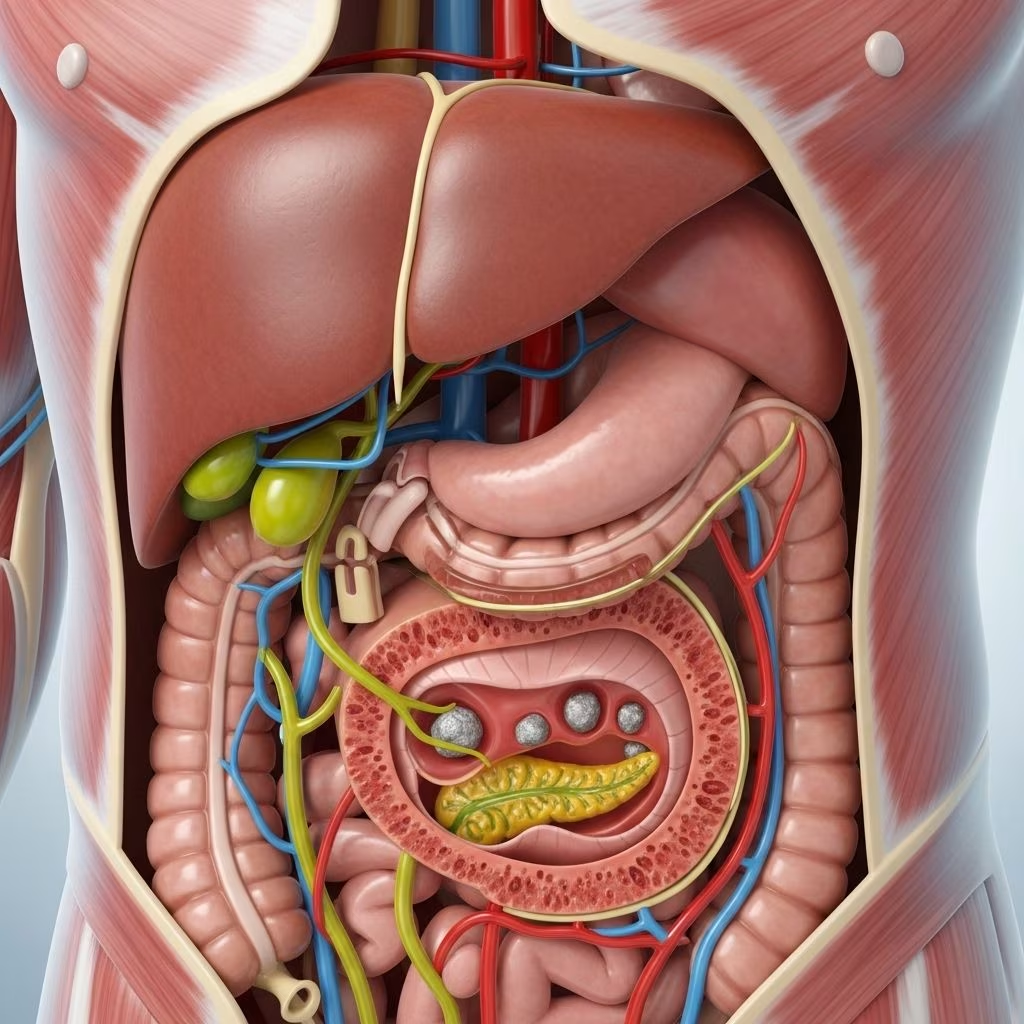
The Science: How Bitter Foods Enhance Digestion
According to expert nutritionists, bitters stimulate digestion at the very first bite. Here’s how they work:
- Trigger increased saliva production, which starts breaking down foods in your mouth.
- Stimulate the release of gastric acid in the stomach for efficient breakdown of nutrients.
- Enhance bile flow from the liver, aiding fat digestion and nutrient absorption in the gut.1
- Include fiber and plant nutrients that support the gut microbiome, reducing irregularity and improving overall comfort.1
“Bitters increase saliva production and start the digestion process because of their bitter flavor,” notes Amy Fischer, MS, RD, CDN, registered dietitian and nutrition expert. Over time, regular inclusion of bitter foods can help regulate bowel movements, reduce bloating, and support regularity.
Health Benefits Beyond Digestion
Bitter foods don’t just promote digestive health. Many of them are nutrition superstars in their own right, loaded with fiber, vitamins, minerals, and antioxidants. These compounds have been tied to multiple health benefits, including:
- Supporting liver health and detoxification
- Protecting against cellular damage with antioxidant activity
- Stabilizing blood sugar and supporting healthy weight through metabolic effects
- Helping the body combat inflammation
- Potentially lowering risk factors for several chronic diseases
Why Is Bitterness So Hard for Us to Enjoy?
Modern palates often prefer sweet, salty, and umami (savory) flavors over bitter notes. This aversion has evolutionary roots: in nature, many toxic plants are bitter as a warning. But, as nutrition science now shows, the right kinds—and moderate amounts—of bitterness are not only safe, but deeply beneficial.3
Bitterness in foods comes from their natural phytochemicals, including:
- Phenols
- Flavonoids
- Isoflavones
- Other antioxidant compounds
These are responsible for many of the anti-inflammatory and anticancer benefits attributed to plant foods.3
Top 13 Bitter Foods to Support Gut Health
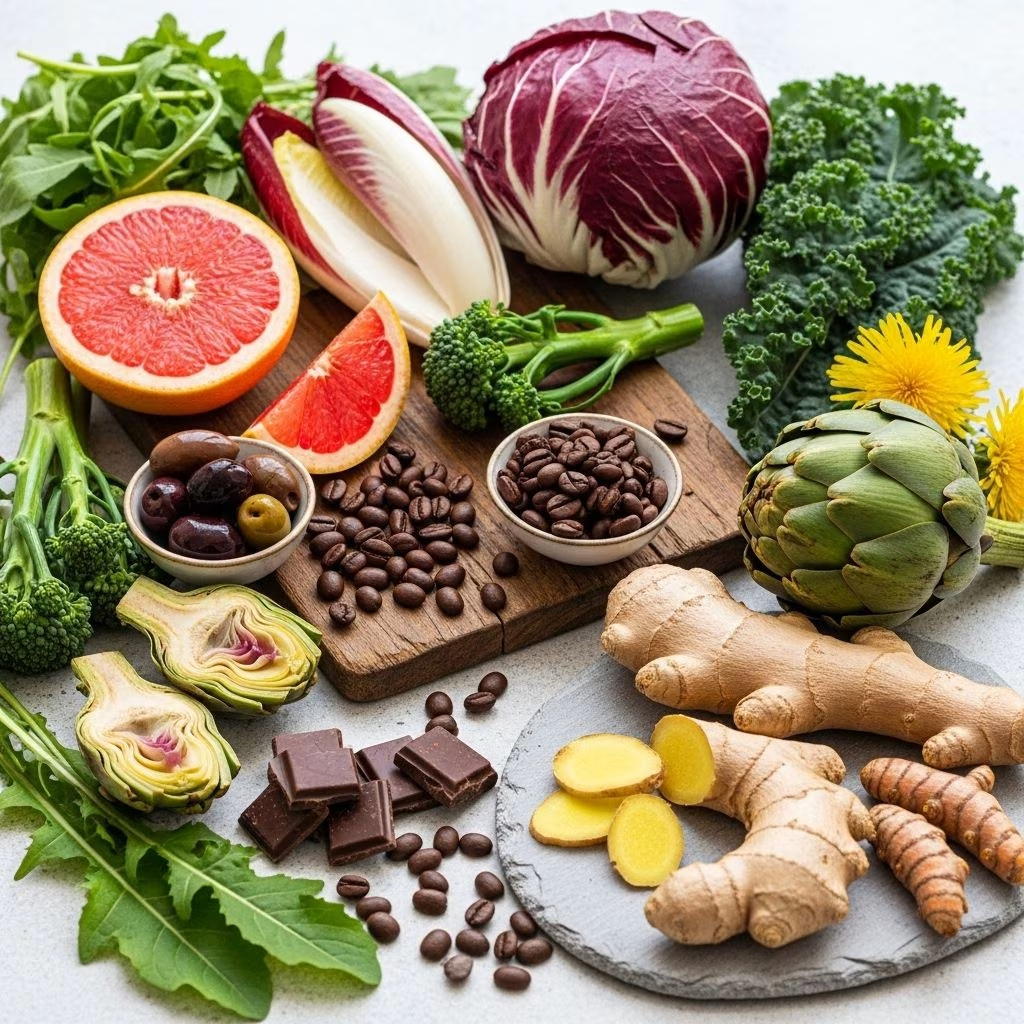
The following foods are some of the best bitter nutrition sources. Many are already found in everyday meals and can be slowly incorporated into your diet for their unique taste and major benefits:
- Kale
One of the most nutrient-dense bitter greens, kale is packed with vitamins A and K, calcium, potassium, and glucosinolates—a compound linked to liver health and digestive support. Kale’s robust bitterness shines in salads and sautés.1 - Cranberries
Known for their tart and bitter punch, cranberries are rich in vitamin C and antioxidants. They can support urinary and digestive health, as well as provide fiber for gut regularity.1 - Dandelion Greens
Perhaps one of the classic bitters, these greens stimulate the liver and are an excellent source of vitamins A, C, and K, along with calcium and iron. Use in salads, smoothies, or sautés for an extra digestive kick.1,2 - Arugula
This peppery green adds a sharp, bitter note to salads and sandwiches and is loaded with phytochemicals such as glucosinolates.2 - Broccoli Rabe
With a more intense bitterness than other cruciferous veggies, broccoli rabe is superb for stimulating digestion and is a great source of vitamins E, A, and C, as well as fiber.1 - Radicchio
This red-leafed chicory is rich in antioxidants and brings a pleasing, palate-activating bitterness to salads and grilled dishes.2 - Cocoa (Dark Chocolate)
Unsweetened and minimally processed cocoa is bitter, with powerful flavonoids that support heart and brain health. Look for chocolate with 70%+ cacao for maximum benefits.3 - Coffee
One of the world’s favorite bitter beverages, coffee contains multiple health-promoting compounds that support brain and metabolic health (both caffeinated and decaf versions).2 - Bitter Melon
This gourd, valued in Asian, African, and Caribbean cuisines, helps regulate blood glucose levels and can be stir-fried, stewed, or juiced.2 - Brussels Sprouts
Another cruciferous contender, these sprouts pack a sulphury bitterness but offer fiber, vitamin C, and a myriad of phytochemicals.2 - Cabbage
Especially red or Napa varieties, cabbage is mildly bitter and is a crucial source of fiber, vitamins, and cancer-fighting compounds.2 - Grapefruit
This tart citrus fruit provides vitamin C and fiber while stimulating digestion through its bitter, astringent notes.3 - Green Tea
A beverage rich in catechins, green tea’s bitterness is a sign of its antioxidant content and potential metabolism-boosting effects.3
How to Add More Bitter Foods to Your Diet
Overcoming aversion to bitterness is possible—many people find enjoyment through gradual exposure and creative cooking. Here are tips to get started:
- Start slow: Add small amounts of bitter greens to mixed salads or smoothies to get your palate accustomed to their flavor.
- Balance flavors: Pair bitter ingredients with sweet, salty, or sour foods. For example, toss arugula with a sweet balsamic vinaigrette or combine dark chocolate with berries.
- Cook and caramelize: Roasting or sautéing can mellow out bitterness while maintaining health benefits. Brussels sprouts or kale chips are great introductions.
- Explore beverages: Try swapping a cup of sweetened tea for green tea, or sip on black coffee (with or without a dash of milk).
- Experiment with tradition: Many cultures serve a bitter salad or aperitif before meals—try dandelion greens or a chicory salad as a starter.
- Don’t overdo it: Especially if new to bitters, slowly ramp up intake to avoid gas or stomach upset.
Table: Top Bitter Foods, Their Benefits, and Simple Uses
| Bitter Food | Key Nutrients | Notable Benefit | How to Enjoy |
|---|---|---|---|
| Kale | Vitamins A, K, fiber, glucosinolates | Liver and gut health | Raw in salads, roasted, or sautéed |
| Cranberries | Vitamin C, antioxidants | Urinary and digestive support | In smoothies, unsweetened juices, salads |
| Dandelion Greens | Vitamins A, C, K, calcium, iron | Liver stimulation, bowel regularity | Fresh in salads or cooked like spinach |
| Broccoli Rabe | Vitamins E, C, A, fiber | Digestive benefits | Sautéed with garlic, in pastas |
| Coffee | Antioxidants, polyphenols | Brain and metabolic health | Fresh-brewed, hot or cold |
| Bitter Melon | Vitamins C, A, unique plant compounds | Blood sugar regulation | Stir-fried or added to stews |
| Dark Chocolate (Cocoa) | Flavonoids, magnesium | Heart protection, mood boost | 70%+ cacao as snack or in desserts |
Common Questions About Bitter Foods
Q: Are bitter foods safe for everyone to eat?
A: Most people can safely enjoy bitter foods. However, those with particular digestive conditions—like ulcers or reflux—should introduce these foods gradually to avoid discomfort. Always consult a healthcare provider if you have concerns.
Q: Will eating bitter foods “fix” my gut overnight?
A: Bitter foods can support gut health and regularity, but changes in digestion take time. Gradual incorporation (rather than sudden excess) is best for lasting benefit and comfort.
Q: How do I reduce bitterness if a food is too strong?
A: Cooking methods like roasting or sautéing, as well as pairing with creamy dressings, fruits, or grains, can help mellow and balance out sharp flavors.
Q: Do all bitter foods have the same health benefits?
A: Each bitter food offers its own blend of nutrients and health perks. Rotating a variety in your diet is the best way to cover a broad range of health-supporting compounds.
Getting Started: Your Action Plan
- Pick one or two bitter foods from the above list to try this week.
- Start with small portions—such as a handful of kale mixed into a salad or a square of dark chocolate after a meal.
- Gradually increase the variety and amount of bitters in your diet to build tolerance and appreciation.
- Experiment with different preparations and pairings to find what best suits your taste buds.
By embracing more bitter foods, you’re not just trying new flavors—you’re giving your gut and your whole body a ticket to better health.
References
- https://www.goodhousekeeping.com/health/diet-nutrition/a38982936/bitter-foods/
- https://foodrevolution.org/blog/bitter-is-better-why-bitter-foods-can-be-good-for-your-health/
- https://www.steponefoods.com/blogs/news/what-real-food-tastes-like
- https://www.goodhousekeeping.com/uk/food/a32016717/store-cupboard-meals/
- https://digital.library.cornell.edu/catalog/hearth6417403_1337_002
- https://eatinginmke.wordpress.com/2015/02/24/chive-and-goat-cheese-frittata-good-housekeeping-cookbook-recipe-3/
- https://novicehousewife.com/2014/08/02/blueberry-and-sour-cream-loaf/
- https://digital.library.cornell.edu/catalog/hearth6417403_1339_002