What Are Ear Seeds?
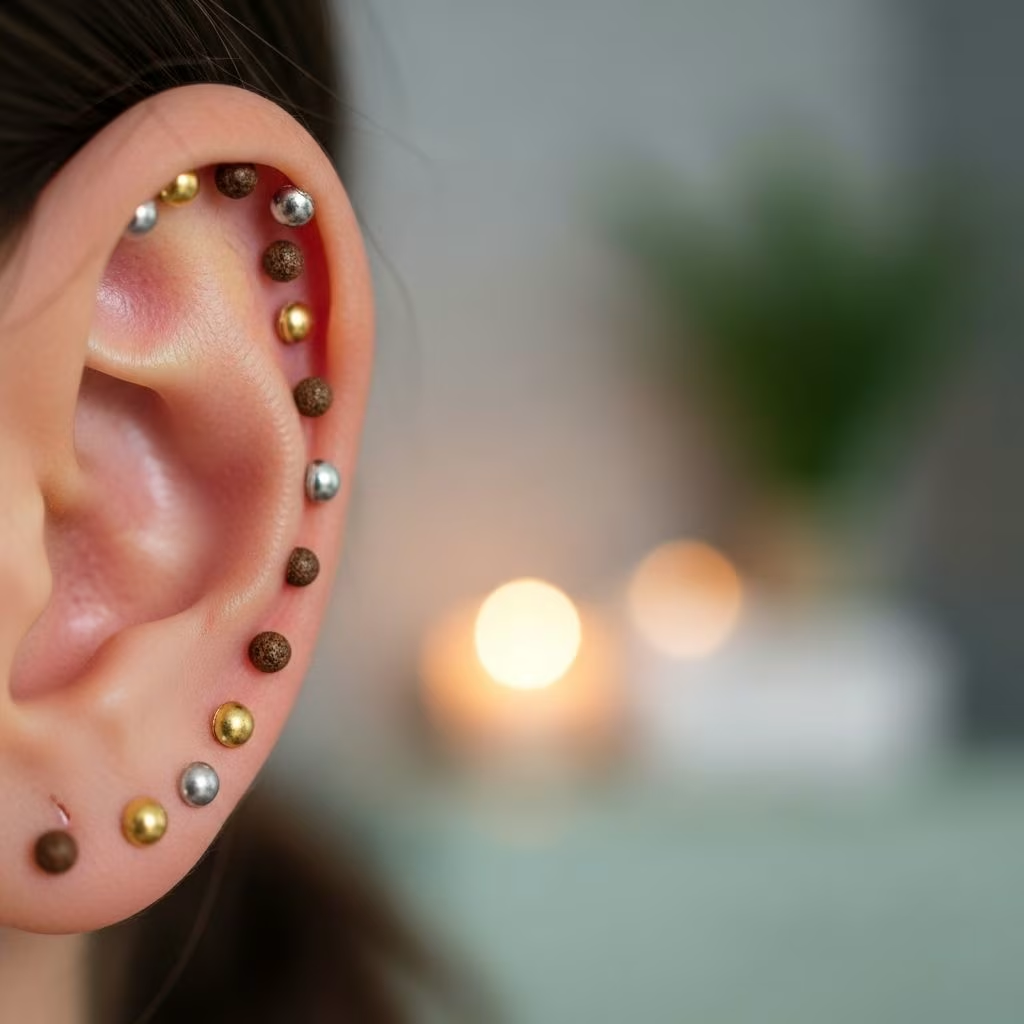
Ear seeds are tiny objects—traditionally vaccaria plant seeds—placed on specific points of the ear to apply gentle, constant acupressure. While their origins trace back centuries in Traditional Chinese Medicine (TCM), today’s ear seeds can be made from metal, ceramic, or crystal and have evolved into accessible, stylish wellness tools.1
This practice is known as auriculotherapy. It aims to stimulate nerve-rich pressure points mapped across the ear’s surface, with each location thought to influence different bodily systems—much like reflexology of the feet or hands.2
A Brief History
Although auriculotherapy is rooted in ancient Chinese traditions, the modern mapping of the ear was pioneered in the mid-20th century by French neurologist Paul Nogier. Nogier’s work suggested the ear resembles a curled fetus, with each segment linked to corresponding body parts.3
The Theory Behind Ear Seeding
The foundational belief is that the ear acts as a microsystem representing the entire body. By manipulating specific points on the ear, practitioners aim to send signals through neural pathways, potentially triggering systemic benefits.2
- Ear mapping combines insights from acupuncture, reflexology, and neurology.
- The seeds provide sustained acupressure—unlike acupuncture, which uses brief needle stimulation.
- This gentle approach can be self-administered, making it accessible to those wary of needles.
What Are the Benefits of Ear Seeds?
Practitioners and users claim ear seeds can help with a range of conditions, including:
- Stress and anxiety
- Insomnia and sleep issues
- Headaches and migraines
- Depression
- Addiction and cravings
- Weight management support
- Pain management (holistic approach)
The seeds are believed to provide constant, gentle stimulation to targeted acupuncture points, which may modulate underlying nerves and influence the body’s endorphin production—the so-called ‘feel-good’ chemicals.2
Scientific Evidence: What Do Studies Say?
- A 2020 review of 24 studies found that, in 22 surveys, ear seeds helped reduce stress, anxiety, and depression symptoms.2
- Smaller clinical trials suggest ear seeds can increase pain tolerance, although robust, large-scale studies are still lacking.1
- Despite growing anecdotal support, experts caution that current research remains limited and more controlled trials are needed.
Why Are Ear Seeds Trending?
Ear seeding has surged in popularity, especially during the pandemic, as people seek accessible at-home wellness tools. Social media influencers, holistic spas, and acupuncturists have embraced the trend, touting its minimal invasiveness, low cost, and even its potential as a subtle fashion accessory.3
- Modern seeds come in attractive designs—gold, silver, crystal-backed.
- Kits are widely available online, often with illustrated charts and tweezers for DIY use.
- Healthcare workers, in particular, have been drawn to ear seeds for stress and sleep support during challenging times.
How to Apply Ear Seeds Safely
Whether you’re a first-timer or a wellness enthusiast, following best practices ensures a safe and effective experience.
Step-by-Step Application Guide
- Consult a Professional: Begin with a session led by an acupuncturist or licensed practitioner, who can recommend appropriate points and demonstrate proper placement.2
- Prepare Your Ear: Clean your ear thoroughly with an alcohol swab.
- Identify Acupuncture Points: Use a chart (often included in DIY kits) and, if possible, a skin-safe marker to identify the right spots.
- Apply the Seeds: Use tweezers and a mirror for precise placement. Press the seed gently onto the desired point using its adhesive tape.
- Massage for Stimulation: Twice or thrice daily, gently press and rotate the seed in a small circle for enhanced acupressure.
- Monitor Your Response: Check for irritation, tenderness, or discomfort, and adjust use accordingly.
- Remove Safely: Tilt your head downward during removal to avoid seeds falling into the ear canal. Use tweezers for careful extraction.
Frequency and Duration Recommendations
- Change seeds every 3 days to prevent the skin from becoming accustomed and to minimize irritation.2
- Do not leave seeds on for more than 5–7 days at a stretch.
- Allow a break of 1–2 days between treatments.
- Listen to your body and adjust based on comfort.
Tips for First-Time Users
- Start under professional supervision.
- Don’t stress about perfect placement; ‘close enough’ usually suffices due to ear shape variation.2
- Use a well-lit room and a magnifying mirror for easier application.
Choosing the Right Ear Seeds Kit
A growing market provides consumers with a range of options:
- Rena Chris Multi-Condition Ear Seeds Kit
- Ear Seeds Crystal Ear Pellet Seeds
- Dragon Acupuncture Multi-Condition Ear Seeds Kit
- RoseNice Ear Seed Acupressure Kit
Kits often come with:
- Multiple sheets of seeds
- Tweezers for application/removal
- Illustrated acupuncture point charts for reference
Are Ear Seeds Safe?
Experts agree that ear seeds are generally safe and suitable for most people, but recommend caution for certain groups:
- Children: Risk of swallowing or choking on seeds necessitates close supervision.
- Allergy-prone skin: People with sensitive or allergic skin should monitor for irritation and discontinue if needed.
- Ear infections or open wounds: Avoid ear seeding until fully healed.
Potential side effects are minimal:
- Redness or tenderness at the site
- Mild discomfort or warmth
- Occasional risk of skin irritation if seeds are worn too long
How Do Ear Seeds Compare to Other Therapies?
| Therapy | Invasiveness | Requires Professional? | Purpose |
|---|---|---|---|
| Ear Seeding | Needle-free; non-invasive | Recommended at first, optional thereafter | Acupressure on ear points for systemic effects |
| Acupuncture | Needles; minimally invasive | Yes, licensed professional required | Stimulates meridians/body points |
| Reflexology | Massage-based; non-invasive | No, but professional helps | Manipulates foot/hand/ear zones |
Frequently Asked Questions (FAQs)
Q: Can I use ear seeds at home?
A: Yes, many consumer kits are designed for home use. However, beginners should consult a practitioner for guidance on placement and suitable acupoints.2
Q: How long should I keep ear seeds on?
A: Most experts recommend leaving seeds on for up to 3–7 days, with breaks in between applications to prevent skin irritation.2
Q: Are ear seeds painful?
A: Applying ear seeds is typically painless. Some users report mild tenderness, warmth, or pressure, especially when massaging seeds.1
Q: Where can I buy ear seeds?
A: Ear seeds are available online through specialty retailers and major e-commerce sites, as well as through licensed acupuncturists who may offer instruction and custom selection.
Q: Can ear seeds help with specific medical conditions?
A: While small studies and anecdotal evidence suggest benefits for stress, insomnia, and pain, these effects aren’t fully substantiated by large-scale clinical research.2
Who Should Avoid Ear Seeds?
- Young children (due to choking hazard)
- Individuals with skin allergies to adhesives or metals
- Anyone with an active ear infection, lesions, or trauma
- Consult your doctor if you have chronic health conditions or take medication regularly
Final Thoughts: Ear Seeds in the Modern Wellness Landscape
Ear seeds exemplify the intersection of ancient tradition and contemporary wellness. Their accessibility, versatility, and low barrier to entry have made them a staple practice among those seeking holistic alternatives to support mental and physical well-being.
- Low-cost and needle-free
- Can be practiced at home after initial instruction
- Research is promising, but more evidence is needed for mainstream validation
- Always consult a qualified practitioner before beginning any alternative therapy
Whether you’re searching for stress relief, sleep support, or simply intrigued by new wellness modalities, ear seeds offer an approachable first step into the world of acupressure and integrative health.
References
- https://www.webmd.com/balance/ear-seeds-what-to-know
- https://www.goodhousekeeping.com/health/a39773408/ear-seeds/
- https://www.goodmorningamerica.com/gma/story/ear-seeds-newest-wellness-trend-works-68097918
- https://www.healthline.com/health/ear-seeds
- https://pmc.ncbi.nlm.nih.gov/articles/PMC4707384/
- https://www.goodhousekeeping.com/health/wellness/a63937765/stand-on-one-leg-aging-study/
- https://easthealing.com/blogs/articles/the-science-evidence-behind-ear-seeds
- https://draxe.com/health/ear-seeds/