What Is a Chronotype?
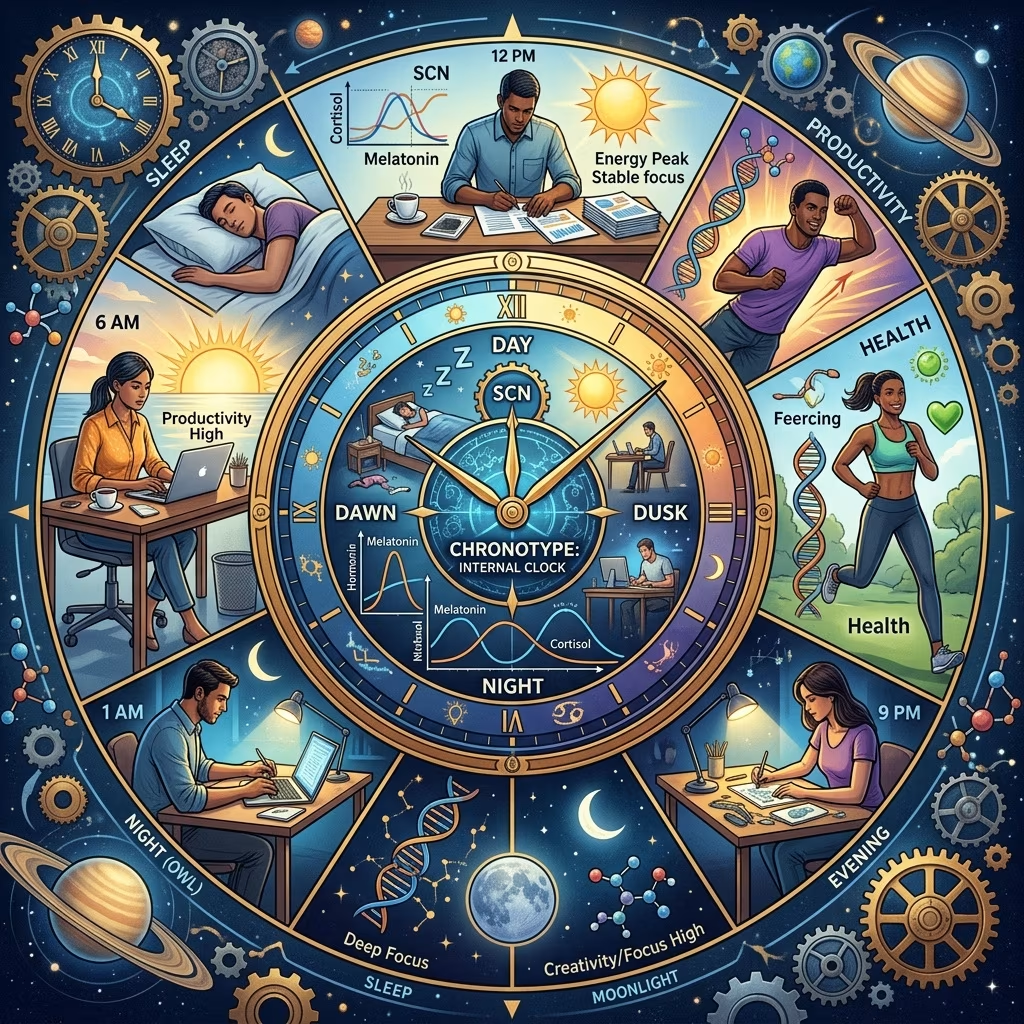
Every person has an internal clock that governs the sleep-wake cycle—commonly referred to as a circadian rhythm. But did you know this clock differs from person to person? This difference is your chronotype: a unique genetic predisposition to feel alert or sleepy at different times of the day. Chronotypes influence when we prefer to wake, sleep, eat, and exercise—and they play a pivotal role in our daily mood, energy, and overall health.
Why Do Chronotypes Matter?
Research shows that optimizing your lifestyle to match your chronotype can improve sleep quality, boost productivity, and support overall well-being. People who align activities—like work, exercise, and meals—with their natural biological timing tend to experience higher energy, sharper focus, and even better mental health. Ignoring your chronotype, on the other hand, can lead to ongoing fatigue, sleep disturbances, and increased stress.
What Determines Your Chronotype?
- Genetics: Studies reveal your ideal sleep and wake preferences are partly hardwired, with specific genes influencing chronotypes.
- Age: Chronotype can shift throughout life—children and older adults often tend toward morningness, while teenagers and young adults become more night-oriented.
- Hormones: Fluctuations in hormones like melatonin and cortisol play a role in chronotype shifts across the lifespan.
- Environment & Lifestyle: Exposure to light, work schedules, and social obligations can also shape chronotype expression from day to day.
The Four Major Chronotypes
Sleep expert Dr. Michael Breus popularized four main chronotypes, each named after animals to reflect distinctive sleep and activity patterns.
| Chronotype | Sleep Pattern | Peak Productivity Time | Personality Traits | Population % |
|---|---|---|---|---|
| Lion (Early Bird) | Wakes up early, sleeps early | Morning | Organized, driven, optimistic | ~15–20% |
| Dolphin (Light Sleeper) | Irregular sleep, trouble staying asleep | Mid-morning to early afternoon | Intelligent, cautious, introverted | ~10% |
| Bear (Majority) | Follows solar cycle, sleeps and wakes with the sun | Daytime (mid-morning to early afternoon) | Social, easygoing, balanced | ~50–55% |
| Wolf (Night Owl) | Wakes late, sleeps late | Afternoon to evening | Creative, impulsive, adventurous | ~15% |
How to Identify Your Chronotype
- Observe your natural wake and sleep preferences, especially on days off.
- Track when you feel most productive and alert.
- Consider personality traits that match each chronotype.
- Genetic tests and standardized questionnaires (like the Munich Chronotype Questionnaire) can help pinpoint your category.
Do Chronotypes Change Over Time?
Chronotypes are not fixed for life—they naturally shift as you age. Most children are “larks” or early types, while teenagers experience a biological delay, often becoming night owls. This change is partly hormonal and is not a sign of laziness. As people move into adulthood, chronotypes gradually start to shift earlier again.
Chronotypes and Daily Life
Sleep Patterns
Chronotype largely determines your optimal sleep and wake times. Attempting to function against your type (for example, a wolf forced into a lion’s routine) can lead to chronic sleep deprivation, reduced alertness, and increased irritability.
Energy and Productivity
- Lions: Peak energy in early morning hours; ideal for high-focus tasks before noon.
- Bears: Steady energy from mid-morning to mid-afternoon.
- Wolves: High energy bursts in late afternoon and evening.
- Dolphins: Often have scattered energy; benefit from flexible schedules and short focused work sprints.
Chronotype and Diet/Exercise
Chronotype can influence not only appetite but also response to exercise:
- Early types may prefer breakfast and morning workouts.
- Night owls often skip breakfast and feel strong later in the day.
- Exercise scheduled in line with your peak alertness can improve motivation and performance.
Chronotype, Mood, and Health Outcomes
Research links mismatched chronotype schedules to higher rates of mood disorders, anxiety, and even chronic health risks like obesity and cardiovascular disease.
- Lions generally report more positive moods and fewer sleep problems.
- Wolves experience more difficulty with early schedules, and may be at increased risk for depression and social jetlag.
- Bears benefit from routines aligned with the solar day.
- Dolphins often struggle with insomnia and may need additional support for restful sleep.
Chronotypes in Relationships, Families, and Workplaces
Family Life
Chronotypes can reveal why some family members jump out of bed while others are slow to start. Recognizing these differences can help minimize morning arguments and improve household harmony. For instance, morning-type parents may have a hard time relating to their sleepy teens—a mismatch often rooted in biology rather than attitude.
Social and Professional Impacts
- Differing chronotypes can lead to conflicts over bedtimes, meal times, or social plans.
- Work schedules are traditionally designed for early risers, but flexible schedules and remote work are increasingly valuable for accommodating all types.
- Aligning daily tasks with individual strengths can boost team productivity and reduce stress.
| Chronotype | Strengths at Work | Adaptative Strategies |
|---|---|---|
| Lion | Morning meetings Deadline-driven tasks | Prioritize demanding work early Allow flexibility after 3 p.m. |
| Bear | Group projects Daytime productivity | Full-day engagement Breaks aligned with energy slumps |
| Wolf | Creative brainstorms Late-day work | Flexible start/end times Project deadlines aligned to evening bursts |
| Dolphin | Problem solving Quick pivots | Short sprints Flexible work periods |
Can You Change Your Chronotype?
Chronotypes are biologically driven but can be tuned to a degree. Major natural shifts are rare, but small adjustments can be made through consistent sleep hygiene and exposure to light. Most adults’ core chronotype will stay fairly stable, though mild shifts occur with age, major life changes, or travel across time zones.
- Light exposure: Morning daylight can help move bedtime earlier; bright evening light can delay sleepiness.
- Routine: Staying consistent with sleep and wake times can stabilize chronotype expression.
- Nutrition & exercise timing: Coordinating these with your ideal awake period supports adjustment and energy.
Tips to Live in Harmony With Your Chronotype
- Track your natural patterns for sleep, energy, and focus using a journal or apps.
- Schedule important activities during peak alertness slots—avoid high-stakes projects when you’re naturally tired.
- Make use of flexible work hours whenever possible, and communicate needs with your household or team.
- Practice good sleep hygiene: limit screen time before bed, maintain a calming pre-sleep routine, and keep lights dim in the evening.
- Support others with different chronotypes instead of pushing everyone into the same routine.
Frequently Asked Questions (FAQs)
What is a chronotype?
A chronotype is your unique biological pattern for sleep and activity, influenced by genetics, hormones, lifestyle, and age.
How do I find out my chronotype?
Pay attention to when you naturally feel awake, tired, and your best throughout the day. Consider online quizzes or genetic testing for more precision.
Can my chronotype change?
Yes—chronotypes shift with age and can adjust with lifestyle, but your core type remains relatively stable over your lifetime.
Should work and school start times match chronotypes?
Experts say flexible start times benefit society, supporting productivity and reducing stress. Remote work and tailored schedules help accommodate diverse chronotypes.
Is one chronotype healthier than the others?
No type is inherently better. Health risks arise when your lifestyle consistently conflicts with your chronotype’s natural timing—so the best approach is to work with your biological clock, not against it.
Key Takeaways
- Chronotypes are your biological timing for sleep, energy, and alertness.
- Aligning your daily schedule with your chronotype boosts wellbeing, productivity, and mood.
- Everyone benefits from understanding and respecting chronotype differences—both at home and at work.
- Simple lifestyle tweaks can help you thrive, no matter your chronotype.
References
- https://www.mygenefood.com/blog/sleep-chronotypes-101-how-your-genes-decide-the-ultimate-bedtime/
- https://pmc.ncbi.nlm.nih.gov/articles/PMC4392115/
- https://www.risescience.com/blog/chronotype
- https://www.sleepfoundation.org/how-sleep-works/chronotypes
- https://www.goodhousekeeping.com/health/wellness/a63024106/hacks-to-help-you-sleep-better/