The Healthiest Chinese Food Dishes to Order and Enjoy
Chinese cuisine offers a vibrant array of flavors and dishes, spanning everything from savory stir-fries to comforting soups. Yet, with so many choices, finding the healthiest options can sometimes feel daunting—especially at Americanized Chinese restaurants, where deep-fried items and heavy sauces are prevalent. With guidance from nutrition experts, you can navigate the menu to select delicious meals that nourish your body and align with your wellness goals.
Understanding Healthy Chinese Food
Not all Chinese food is created equal. Dishes prepared with fresh ingredients, lean proteins, lots of vegetables, and lighter sauces provide essential nutrients while supporting your health. Traditional Chinese cooking frequently features:
- Fresh produce like bok choy, broccoli, bell peppers, and snow peas
- Lean proteins such as chicken, tofu, shrimp, and fish
- Healthful cooking techniques including steaming, stir-frying, and braising
- Sauces and condiments such as low-sodium soy sauce, ginger, and garlic
By choosing dishes focused on these elements and moderating portions of rice and noodles, you can enjoy a flavorful meal rich in fiber, protein, antioxidants, vitamins, and minerals.
Common Healthy Ingredients Found in Chinese Cuisine
- Bok Choy – Rich in vitamin C and antioxidants, supports immune function and heart health.
- Broccoli – Packed with fiber, vitamin C, and cancer-preventing compounds.
- Bell Peppers – High in vitamin C and phytonutrients, help protect against cell damage.
- Green Onions (Scallions) – Contain anti-inflammatory compounds, reduce cholesterol and support cardiovascular health.
- Tofu – Excellent source of plant-based protein, calcium, and iron; low in calories.
- Soy Sauce (low-sodium) – Flavor enhancer best consumed in moderation due to sodium content.
- Rice (White and Brown) – Brown rice provides more fiber and protein than white, keeps you full longer, and can assist in blood sugar regulation.
Top Tips for Ordering Healthy Chinese Food
- Favor steamed, grilled, or stir-fried dishes over anything deep-fried or battered.
- Request sauces on the side to control sodium and sugar intake.
- Load up on vegetable-rich dishes and limit white rice or fried rice portions.
- Choose lean protein sources: tofu, chicken breast, shrimp, and fish are great picks.
- Opt for brown rice or skip rice entirely to further reduce calories and boost fiber.
- Be wary of sugar-laden and viscous sauces (such as sweet and sour or General Tso’s sauce).
- Communicate dietary preferences with your server, such as requesting less oil or salt.
The Healthiest Chinese Food Dishes Recommended by Dietitians
When it comes to specific menu items, certain Chinese dishes consistently stand out for their nutritional profiles. Here are some of the healthiest choices to look for the next time you’re at a Chinese restaurant or ordering takeout:
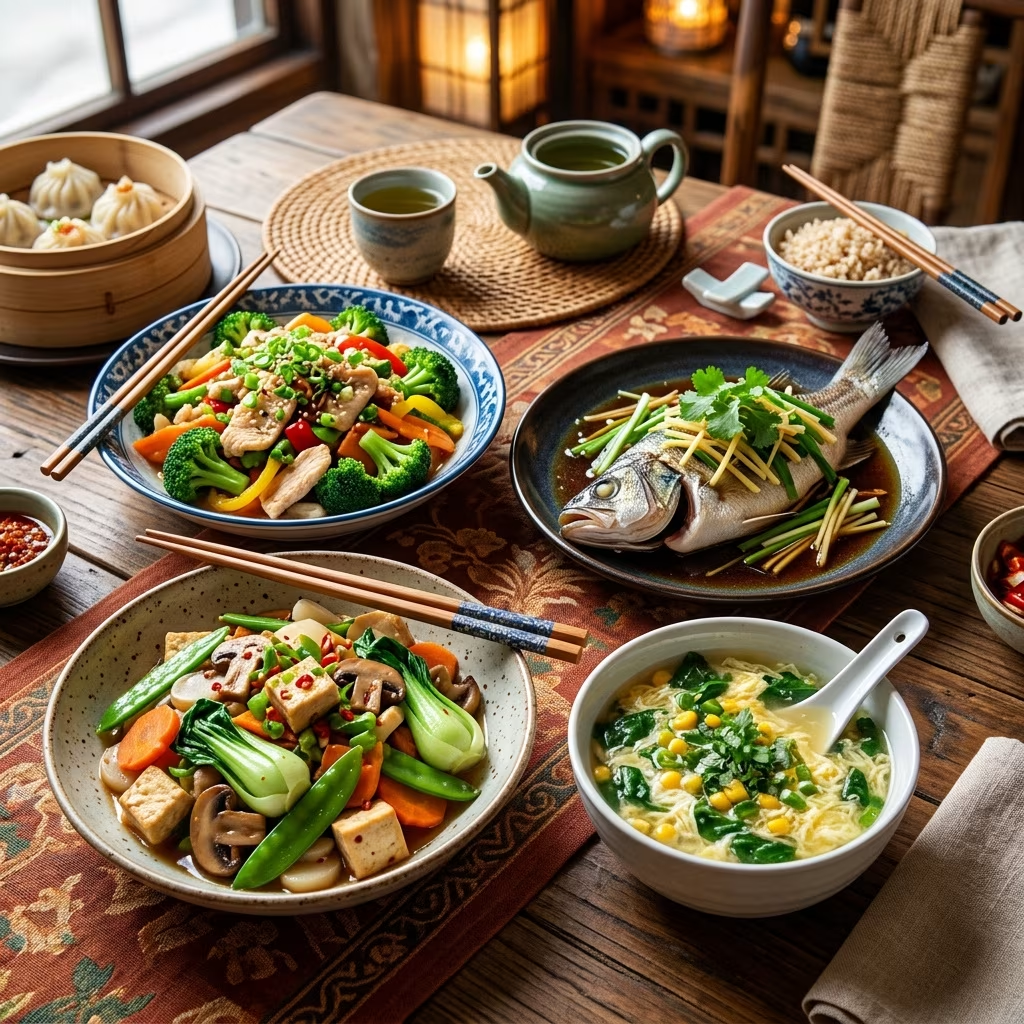
1. Steamed Fish or Seafood with Ginger and Scallions
Why it’s healthy: Steaming preserves the delicate flavor and nutrients of seafood without added fat. Fish is rich in lean protein and omega-3 fatty acids, while ginger and scallion add antioxidants and anti-inflammatory benefits. Frequently found in authentic Cantonese cuisine, this dish is light, savory, and ideal for heart health.
2. Stuffed Green Peppers with Shrimp
Why it’s healthy: This satisfying entree features green peppers (a good source of fiber, vitamin C, and phytonutrients) filled with shrimp, fermented black beans, and a modest amount of oyster sauce for flavor. Shrimp provides lean protein, and the fermented black beans offer extra minerals and probiotics.
3. Tofu and Broccoli Stir-Fry
Why it’s healthy: By choosing steamed or lightly stir-fried tofu over fried, you get protein, calcium, and iron without excessive fat. Broccoli offers additional fiber, vitamins, and compounds that support immune and heart health. Ask for minimal oil and a light soy sauce dressing for a balanced, plant-forward meal.
4. Chicken with Green Peppers
Why it’s healthy: Lean chicken breast combined with vibrant green peppers, onions, and a garlic-based sauce results in a dish that’s high in protein, low in saturated fat, and packed with antioxidant-rich veggies. Opt for versions with a lighter, savory sauce and ask for extra vegetables.
5. Buddha’s Delight (Lo Han Jai)
Why it’s healthy: Traditionally a vegetarian medley of bok choy, mushrooms, carrots, bamboo shoots, snow peas, and other seasonal vegetables, this stir-fry is loaded with fiber, vitamins, and minerals. Served in a light garlic or ginger sauce, Buddha’s Delight is a filling, nutrient-dense option low in calories and saturated fat.
6. Hot and Sour Soup (with Tofu, Mushrooms, Bamboo Shoots)
Why it’s healthy: Soups can be a great choice for starting your meal and feeling full with fewer calories. Hot and sour soup is typically made with a savory, vinegar-spiked broth, featuring tofu, mushrooms, bamboo shoots, eggs, and often a hint of chili. It provides plant protein, antioxidants, and electrolytes.
7. Moo Shu Vegetables (with Thin Pancakes and Hoisin Sauce)
Why it’s healthy: This stir-fry blend of cabbage, mushrooms, and sometimes eggs or tofu is rolled in thin pancakes with a dab of hoisin sauce. It’s veggie-rich, moderate in calories, and makes for a satisfying, shareable entree. Use hoisin sauce sparingly to control sugar intake.
8. Steamed Chicken or Steamed Vegetable Dumplings
Why it’s healthy: Choose steamed over fried dumplings to cut down on fat and calories. Filling them with vegetables and lean meats or tofu increases the fiber and protein content, all while keeping the appetizer light and flavorful.
9. Egg Drop Soup
Why it’s healthy: Clear broth-based egg drop soup offers a soothing, low-calorie start to your meal, supplying some protein and hydration with minimal added fat.
10. Sautéed or Steamed Mixed Vegetables
Why it’s healthy: A classic, customizable choice—simply ask for a medley of seasonal veggies, either sautéed with a splash of garlic sauce or steamed plain. Add tofu or chicken for extra protein.
Traditional Chinese Ingredients and Their Health Benefits
Many staple ingredients in Chinese cuisine not only contribute flavor and texture but also support health in distinctive ways. Here are some of the most notable:
| Ingredient | Nutritional Benefit |
|---|---|
| Bok Choy | Rich in vitamins A, C, K; antioxidants; low-calorie, anti-inflammatory |
| Broccoli | High in fiber; vitamins C and K; potential cancer-protective properties |
| Bamboo Shoots | Good source of fiber and potassium; promotes digestive health |
| Tofu | Plant-based protein, calcium, iron; cholesterol-lowering |
| Green Onions | Flavonoids for heart health; anti-inflammatory |
| Red & Green Bell Peppers | Antioxidant-rich, high in vitamin C |
| Lean Poultry/Shrimp | Lean protein, low in saturated fat, good for muscle repair |
What to Limit or Avoid for Healthier Choices
- Deep-fried foods such as egg rolls, fried wontons, and General Tso’s chicken, due to high fat and calories.
- Thick, sugar-heavy sauces like sweet and sour, orange, or sesame sauces.
- Large portions of white rice or fried rice; brown rice offers more fiber and nutrients.
- MSG and excess sodium—request low-sodium versions or use less soy sauce when possible.
- Processed meats and fatty cuts (like spare ribs, crispy pork belly).
Smart Hacks for Takeout: Making Chinese Food Even Healthier
Even when ordering Chinese food from a restaurant, you can tailor your order for better nutrition:
- Ask for extra steamed or stir-fried vegetables in your entrees.
- Request less oil or sauce in preparations.
- Share appetizers and avoid doubling up on starches (e.g., rice and noodles together).
- Consider skipping sugary beverages in favor of unsweetened tea or water.
Frequently Asked Questions (FAQs)
Q: Are popular American-Chinese staples like General Tso’s chicken healthy?
A: Dishes like General Tso’s chicken, sesame chicken, or sweet and sour pork are typically deep-fried and coated in sugary sauces. While they are flavorful, these options are high in calories, saturated fat, and added sugars—making them less advisable for those seeking the healthiest choices. Opt for steamed, grilled, or vegetable-centric alternatives when available.
Q: Which is healthier: brown rice or white rice?
A: Brown rice is the healthier choice because it contains more fiber and nutrients. It promotes satiety, helps regulate blood sugar, and supplies additional vitamins and minerals. If brown rice isn’t available, enjoy white rice in smaller portions and balance your meal with protein and vegetables.
Q: How do I lower the sodium in my Chinese restaurant meal?
A: Ask for dishes with less soy sauce, or request low-sodium soy sauce. You can also order your sauce on the side to control the amount used. Focusing on steamed dishes and lots of vegetables can further reduce your sodium intake.
Q: Are vegetarian Chinese dishes always healthy?
A: Vegetarian options like Buddha’s Delight or tofu stir-fry are often nutrient-dense, but preparation matters. Opt for steamed or lightly stir-fried versions rather than battered and fried. Monitor sauces for added sugar and excess oil.
Q: What are some balanced meal ideas if I’m ordering family-style?
A: Include at least one steamed vegetable dish (such as mixed greens or bok choy), a lean protein (like steamed fish or tofu), a broth-based soup, and brown rice if possible. This combination offers plenty of flavor with more balanced nutrition.
Eat Well, Savor More: Making Smart Choices at Chinese Restaurants
With the right approach, Chinese cuisine can provide both vibrant taste and robust nutrition. By emphasizing fresh ingredients, mindful preparation, and balanced portions, you can satisfy your cravings for Chinese food and support your health goals at the same time. Don’t hesitate to ask questions, customize your order, and savor the wonderful variety this dynamic cuisine offers!
References
- https://www.chilihousesf.com/blog/some-of-the-healthiest-foods-are-found-in-chinese-dishes/
- https://www.nutrisense.io/blog/healthiest-chinese-food-dishes
- https://www.runnersworld.com/nutrition-weight-loss/a41092368/healthiest-chinese-food/
- https://www.goodhousekeeping.com/health/diet-nutrition/a40932274/healthiest-chinese-food/
- https://www.goodhousekeeping.com/health/
- https://www.youtube.com/watch?v=tFkzX1I65JY