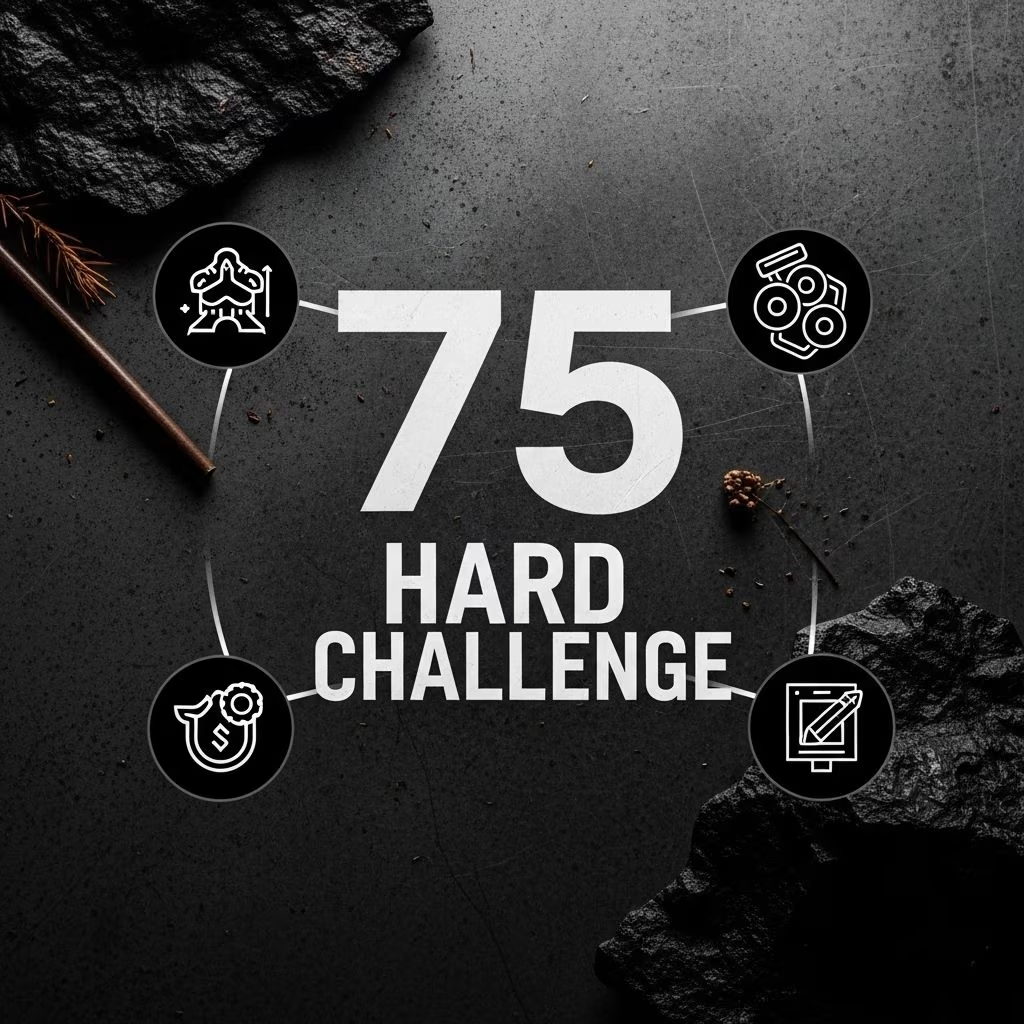
The 75 Hard Challenge has become a viral sensation, lighting up social media feeds and drawing attention from both fitness enthusiasts and the broader wellness community. This high-discipline program intertwines physical endurance, mental grit, and consistent self-discipline, promising participants transformation beyond just aesthetic changes. But what exactly is 75 Hard, what are its requirements, and what do experts say about its effectiveness and safety? This comprehensive guide covers all key aspects of the 75 Hard Challenge: its origins, rules, claimed benefits, scientific perspective, potential risks, and tips for responsibly attempting such a demanding endeavor.
What Is the 75 Hard Challenge?
The 75 Hard Challenge is a self-improvement program that tasks participants with following a rigorous set of six daily rules for 75 consecutive days. If a single rule is broken on any day, participants must restart the entire program from day one, regardless of how far they’ve come. Conceived by Andy Frisella, a podcaster and entrepreneur, the challenge aims to develop “mental toughness” far more than it focuses on weight loss or traditional fitness outcomes.
- Launched: 2019, by Andy Frisella
- Main focus: Transforming mental discipline and resilience
- Structure: All-or-nothing; any lapse resets your progress
Since its rise, the hashtag #75Hard has accumulated millions of views on TikTok and Instagram, sparking both testimonials of life-changing results and sharp critiques about its intensity and one-size-fits-all approach.
Who Created 75 Hard and Why?
Andy Frisella, an entrepreneur renowned for his motivational podcasting and supplement company, designed the 75 Hard Challenge following inspiration from Ironman triathlons and conversations with athletes such as James Lawrence, known as the “Iron Cowboy.” Frisella reasoned that enduring extreme challenges fosters unshakeable discipline, which he considered foundational for personal success. Frisella’s messaging makes clear the program is, first and foremost, a “mental toughness program” rather than a traditional physical transformation plan. His online materials promise dramatic enhancements in self-worth, grit, and confidence—but always through a framework of zero compromise.
Core Rules of the 75 Hard Challenge
Participants must complete all six rules every day for 75 consecutive days:
- Follow a diet of your choice—with no cheat meals and zero alcohol allowed.
- Complete two 45-minute workouts daily; one must be completed outdoors, no matter the weather.
- Drink one gallon of water every day.
- Read 10 pages of a nonfiction or self-help book (audiobooks do not count).
- Take a daily progress photo to visually document your changes.
- Continue for 75 uninterrupted days; if any element is missed, restart at day one.
| Rule | Purpose | Potential Challenges |
|---|---|---|
| Strict Diet, No Alcohol, No Cheats | Encourages nutritional consistency and discipline | Social pressures, temptation, restrictive eating |
| 2 Daily Workouts (One Outdoors) | Builds physical endurance and pushes through environmental discomfort | Weather conditions, time constraints, overtraining risks |
| 1 Gallon of Water | Promotes hydration and focus on healthy habits | Bathroom frequency, water intoxication concerns |
| 10 Pages Nonfiction Reading | Stimulates mental growth and self-education | Maintaining consistency, reading speed, book selection |
| Daily Progress Photo | Tracks visual transformation and accountability | Body image concerns, privacy, diligence |
| No Days Off for 75 Days | Instills discipline and perseverance | No flexibility for illness, life events, or emergencies |
Choosing Your Diet: Flexibility with Boundaries
The challenge allows for any diet plan, so long as you commit 100% to it for the full 75 days. There is no allowance for “cheat meals” or any alcohol consumption. Frisella does not prescribe a specific nutritional program; instead, participants are expected to select what works for their health goals and stick to it relentlessly.
- Keto: High-fat, low-carb, with an emphasis on metabolism and muscle retention.
- Mediterranean: Plant-based, healthy fats, with lean meats like chicken and fish.
- Paleo: Focused on whole foods, avoiding dairy/refined sugar.
- Whole 30: Eliminates dairy, grains, and legumes in favor of fruits, veggies, and lean proteins.
- DASH: Emphasizes potassium, low-sodium for improved blood pressure.
- Vegan/Vegetarian/Pegan/Flexitarian: Varies by inclusion/exclusion of animal products or balance of plant-based and animal foods.
Whatever you choose, 75 Hard demands unwavering dietary compliance.
Why Two Workouts—And Why One Must Be Outside?
The most controversial requirement is the demand for two 45-minute workouts per day, with one of them performed outdoors, regardless of weather or schedule. According to Frisella, this is about developing the resilience to tackle discomfort and to break through self-imposed barriers. Activities aren’t specified, so the workouts can be tailored—from weightlifting and cardio to yoga or brisk walking—so long as each session is deliberate and lasts the full 45 minutes.
- Outdoor training serves to build adaptability and tenacity.
- Variety in workouts may help mitigate risks of overuse or injury.
- Time management is essential, since workouts total 90 minutes daily.
The Other Pillars: Water, Reading, and Progress Photos
- Drink a Gallon of Water: Hydration is critical, but for some, this volume may be excessive and require careful monitoring.
- Read 10 Pages of Nonfiction/Self-Help: Encourages participants to nurture not just their bodies but also their minds. Only traditional reading—no audiobooks—counts towards this goal.
- Take a Daily Progress Photo: Though this may boost daily accountability, it has sparked concern among mental health professionals who caution it could contribute to negative body image or obsession in vulnerable individuals.
Does 75 Hard Really Work? What the Evidence (and Critics) Say
Proponents tout astounding physical and mental transformations. On social media, hundreds of thousands share before-and-after photos and stories citing improved confidence, discipline, productivity, and fitness.
- Develops self-esteem, discipline, and ‘grit’
- May jump-start healthy routines—especially for those seeking a dramatic reset
However, medical and mental health experts are cautious:
- There is little peer-reviewed research specifically evaluating the 75 Hard Challenge.
- All-or-nothing restrictions can backfire for many: perfectionism may trigger repeated restarts, frustration, or guilt.
- The physical intensity—especially the dual workouts and rigid rules—increases risk of injury, dehydration, or over-exertion.
- Mental health professionals warn daily progress photos and strict dietary rules may be triggering for those with body dysmorphia or previous eating disorders.
Many experts suggest that meaningful long-term change is best achieved through consistent, personalized habits rather than a rigid, one-size-fits-all challenge.
Who Should (and Should Not) Attempt 75 Hard?
75 Hard is not safe or appropriate for everyone.
- Consult with a healthcare provider (doctor or registered dietitian) before starting, especially if you have underlying medical conditions or mental health challenges.
- Pregnant individuals, those with chronic illness, or people with a history of disordered eating should avoid such rigid, potentially triggering challenges.
- Experienced athletes or those with well-managed exercise routines may find some aspects motivating, but should still monitor for signs of overtraining or burnout.
Potential Benefits of Completing 75 Hard
- Enhanced mental resilience and confidence
- Greater consistency in physical activity and nutrition
- Potential for establishing new, positive health routines
- A sense of accomplishment from completing a tough challenge
Risks and Downsides to Consider
- Overtraining: Risk of fatigue, injury, or chronic pain due to insufficient rest and recovery
- Dehydration or electrolyte imbalance: From excessive water intake
- Mental health impact: Perfectionism, guilt, or negative self-image if unable to meet requirements
- Triggering disordered eating or body image concerns through daily photographs and rigid dietary rules
- Lack of flexibility: May not accommodate work, travel, illness, or family needs
Medical and Professional Opinions
Medical experts universally recommend that, before beginning the 75 Hard Challenge, participants:
- Consult with a physician, especially if sedentary or managing chronic conditions
- Acknowledge the program was not developed by credentialed nutrition, fitness, or mental health experts
- Monitor for warning signs: dizziness, fainting, injury, or significant changes in mood or appetite
Some clinical physiologists and trainers suggest adopting a modified or “75 Soft” approach: aiming for flexible daily habits (like one workout, a sensible nutrition plan, and some daily self-education), rather than uncompromising adherence to all rules, to build a more sustainable routine.
How to Safely Try a Transformation Challenge
- Set realistic goals—and listen to your body
- Prioritize recovery and mental wellness alongside physical effort
- Focus on consistency over perfection
- Enlist social support—whether with friends, a coach, or an online group
- Be willing to adjust the plan to fit your health needs
Alternatives to 75 Hard
Several alternatives to the strict 75 Hard rules exist for those seeking improved health without the all-or-nothing pressure. These include:
- 75 Soft: A friendlier adaptation prioritizing balance and flexibility
- 30-day wellness challenges focused on a single habit (steps, hydration, mindfulness)
- Personalized fitness and nutrition plans developed by qualified professionals
Frequently Asked Questions (FAQs)
Q: Why is the 75 Hard Challenge so popular on social media?
A: The challenge’s simplicity, visual transformation stories, and sense of camaraderie make it highly shareable content. Its uncompromising rules appeal to those seeking clear structure and immediate accountability, while dramatic results fuel viral trends.
Q: Can beginners attempt the 75 Hard Challenge?
A: It is not recommended for beginners due to its physical and mental demands. Those new to structured exercise or strict diets should consider starting with more flexible, sustainable routines—and consult a health professional first.
Q: What happens if you miss one task?
A: The rules state you must start over from day one, regardless of how far into the challenge you are. This strict “reset” approach sets the 75 Hard Challenge apart from most traditional fitness or wellness plans.
Q: Are there any official modifications for 75 Hard?
A: No official modifications exist. However, spin-offs like “75 Soft” adapt the original to be more balanced. Modifications may include fewer workouts, more flexible eating, or built-in rest days.
Q: Is tracking daily progress photographs required?
A: Yes, it’s a core element of accountability built into the challenge. However, participants should remain mindful of any negative emotional response or obsession with appearance, and consider skipping this element if it’s mentally harmful.
Key Takeaway: Is 75 Hard Worth It?
The 75 Hard Challenge can help individuals push through mental and physical barriers, building self-discipline and a stronger sense of agency. However, its strict rules, potential health risks, and inflexible structure mean it is not appropriate for everyone. Anyone considering the program should evaluate their motivations, current health status, and willingness to prioritize safety and mental well-being above all else. For most people, a more flexible, customized routine in partnership with health professionals offers broader and more sustainable benefits.
References
- https://www.usatoday.com/story/life/health-wellness/2024/01/04/75-hard-challenge/72095892007/
- https://www.webmd.com/fitness-exercise/75-hard-challenge-what-to-know
- https://pennstatehealthnews.org/2024/01/the-medical-minute-75-hard-75-soft-and-how-to-keep-your-fitness-resolutions/
- https://www.crossrope.com/blogs/blog/75-hard-challenge/
- https://andyfrisella.com/pages/75hard-info