10 Easy and Delicious Anti-Inflammatory Desserts
Inflammation is a natural response by the body to injury and infection, but chronic inflammation — driven by stress, poor diet, or environmental factors — has been linked to a host of health conditions, from heart disease to diabetes. The good news? Diet plays a crucial role in helping fight inflammation, and yes, that includes dessert. By focusing on whole foods, antioxidant-rich ingredients, and natural sources of sweetness, you can support a healthy body while satisfying your sweet cravings.
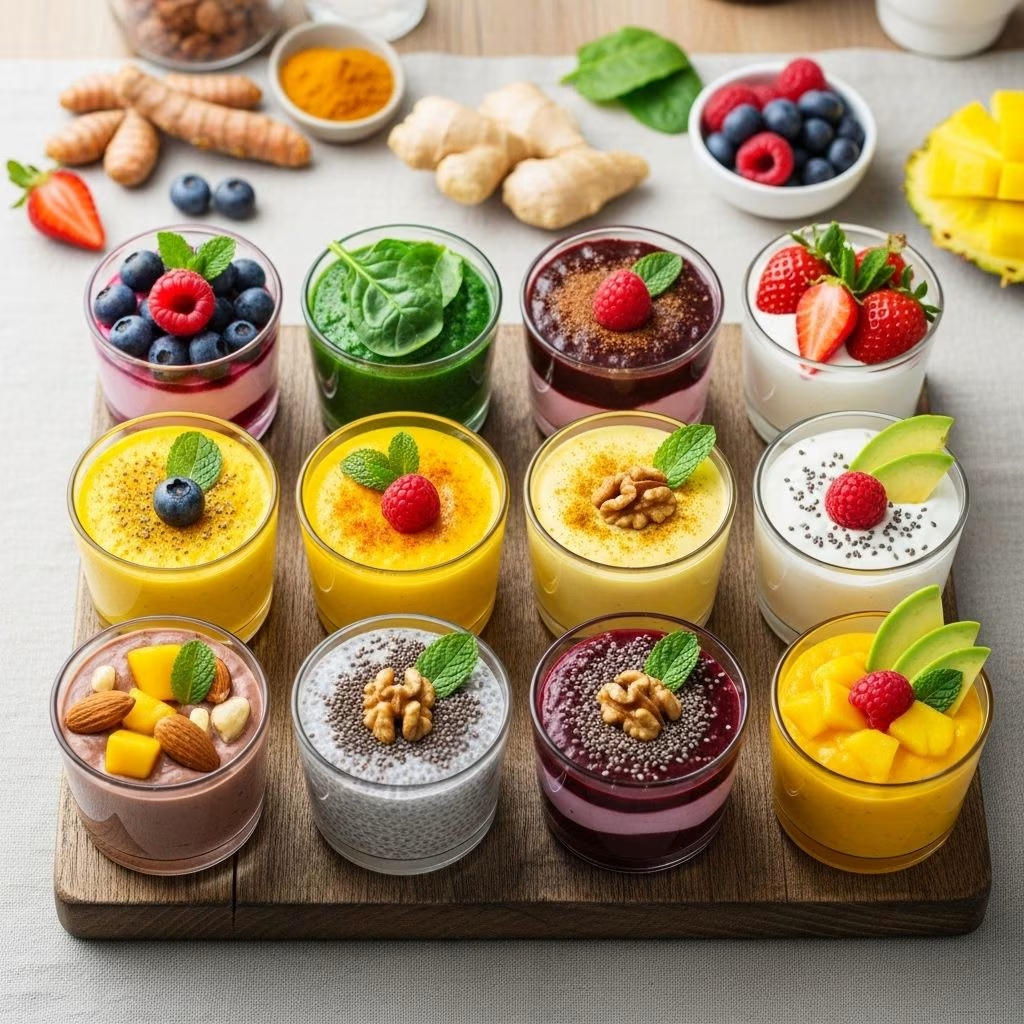
Below are 10 easy, nutrient-packed anti-inflammatory desserts featuring fruits, nuts, and superfoods that not only taste delicious but also provide your body with beneficial nutrients to help quell inflammation.
Chocolate-Covered Strawberries
There’s no need to wait for a special occasion to indulge in this dessert classic. Strawberries are rich in potassium, folate, fiber, and especially vitamin C—a powerful antioxidant. The vibrant red pigments (anthocyanins) in strawberries may help reduce inflammation, oxidative stress, and even insulin resistance. Pairing strawberries with dark chocolate amps up the health benefits, as chocolate (especially 70% cacao or higher) provides flavonoids, which are also potent anti-inflammatory agents.
- How to make: Dip washed and dried strawberries into melted dark chocolate (look for varieties with 70% cacao or more). Let them cool on parchment paper until set.
- Tip: For extra crunch and antioxidants, sprinkle with chopped pistachios, walnuts, or coconut flakes before the chocolate hardens.
Fresh Fruit Salad
A vibrant fruit salad is more than just a refreshing treat—it’s a powerhouse of antioxidants. Colorful fruits like berries, oranges, kiwis, and mangoes supply a variety of vitamins and phytochemicals. The antioxidants in fruits combat free radical damage and keep cells healthy while reducing systemic inflammation.
- How to make: Combine a mix of your favorite seasonal fruits in a large bowl. Top with fresh mint leaves and, for a creamy touch, a dollop of Greek yogurt.
- Why it works: The wide range of colors means diverse antioxidants. Add citrus for extra vitamin C and berries for an anthocyanin boost.
Chia Jam Parfait
Chia seeds are a nutritional superstar, packed with fiber, omega-3 fatty acids, protein, and a range of minerals like calcium, magnesium, and phosphorus. When mixed with berries (like raspberries or blueberries), they form a naturally sweet and thick jam thanks to their gelling properties. Layer this jam with Greek yogurt and nuts for an anti-inflammatory parfait.
- How to make:
- Cook fresh or frozen berries with a touch of maple syrup until they break down, then stir in chia seeds and let sit until thickened (about 30 minutes).
- Layer the chia jam with plain Greek yogurt in a glass.
- Top with nuts (walnuts or almonds) and a sprinkle of cinnamon.
- Benefits: Chia seeds supply plant-based omega-3s, which are known to help reduce inflammation.
Nutty Chocolate
For chocolate lovers, it’s easy to make a dessert that also helps fight inflammation. Dark chocolate (rich in cocoa solids) is full of antioxidants, while toppings such as nuts and dried fruits add healthy fats, vitamins, and minerals. Choose a variety of nuts and fruits for different textures and flavors.
- How to make: Melt dark chocolate and spoon small rounds onto parchment paper. Sprinkle with a mix of pistachios, almonds, walnuts, pepitas, and dried fruit like raisins or freeze-dried raspberries. Let cool to set.
- Why it works: Nuts are rich in vitamin E, which helps lower inflammation. Dark chocolate provides protective flavanols.
Sriracha Mixed Nuts
Not every dessert needs to be sweet to curb your cravings. Spiced mixed nuts offer a savory-sweet twist and are loaded with anti-inflammatory vitamin E. Ingredients such as cayenne, chili powder, or Sriracha sauce are used to give them a flavorful kick—great for after meals or as a party snack.
- How to make: Coat a mix of your favorite raw nuts (almonds, cashews, pecans) with a blend of Sriracha, maple syrup, and a touch of olive oil. Roast in the oven until golden and glossy. Cool before serving.
- Tip: Add fresh rosemary, garlic, or cumin for additional flavor and anti-inflammatory benefits.
Pie Spiced Baked Apples
Enjoying the taste of apple pie without the heavy crust makes this dessert both lighter and more nourishing. Apples are a good source of fiber and protective polyphenols; when baked, their natural sweetness intensifies. Cinnamon, rich in polyphenols, is a strong antioxidant linked to lower inflammation.
- How to make: Slice apples (Honeycrisp, Pink Lady, or any favorite variety) in half, remove the core, and bake with a dusting of cinnamon. Add chopped nuts for crunch and enhanced anti-inflammatory power.
- Serving: Top with Greek yogurt or serve warm on their own for a comforting, healthy treat.
Avocado Mousse
If you prefer creamy desserts, look no further than this avocado-based chocolate mousse. Avocado delivers heart-healthy fats and fiber; unsweetened cacao powder adds antioxidants and acts as a natural anti-inflammatory.
- How to make: Blend ripe avocado with cacao powder, a splash of vanilla, and a drizzle of maple syrup. Adjust sweetness to taste. Chill before serving.
- Tip: For added protein and flavor, blend in Greek yogurt or peanut butter.
Arroz con Leche (Anti-Inflammatory Spin)
This beloved Spanish and Latin American rice pudding turns even healthier with a few clever swaps. Traditionally made with white rice, condensed milk, and cinnamon, it can be transformed into an anti-inflammatory dessert by using whole grains and seeds, and by swapping out high-sugar ingredients.
- How to make: Substitute half or all of the white rice with brown rice, bulgur, or even quinoa. Add chia or flax seeds for extra fiber. Use whole milk or plant-based milk for creaminess and replace condensed milk with natural sweeteners like maple syrup or honey.
- Serving: Finish with a sprinkle of cinnamon and sliced almonds.
Chickpea Blondies
Ditch refined flour and pack your dessert with nutrients by turning to chickpeas. These legumes are an excellent source of fiber and plant protein while providing a moist, satisfying texture for blondies.
- How to make: Blend canned, drained chickpeas with eggs, nut butter, maple syrup, vanilla extract, and a sprinkle of baking powder. Stir in dried fruit, nuts, and cinnamon before baking until firm.
- Why it works: Chickpeas add fiber for digestive health and keep blood sugar spikes at bay.
- Tip: These freeze well—make a batch ahead!
Quick Reference Table: Anti-Inflammatory Dessert Benefits
| Dessert | Main Anti-Inflammatory Ingredient(s) | Benefit |
|---|---|---|
| Chocolate-Covered Strawberries | Strawberries, Dark Chocolate | Anthocyanins, Flavonoids, Vitamin C |
| Fresh Fruit Salad | Berries, Citrus, Kiwi | Antioxidants, Vitamins, Fiber |
| Chia Jam Parfait | Chia Seeds, Berries | Omega-3, Fiber, Protein |
| Nutty Chocolate | Dark Chocolate, Mixed Nuts | Vitamin E, Flavanols |
| Sriracha Mixed Nuts | Nuts, Sriracha, Spices | Vitamin E, Healthy Fats |
| Pie Spiced Baked Apples | Apples, Cinnamon, Nuts | Polyphenols, Fiber |
| Avocado Mousse | Avocado, Cacao | Monounsaturated Fat, Flavonoids |
| Arroz con Leche (Alt.) | Brown Rice, Seeds, Cinnamon | Fiber, Calcium, Antioxidants |
| Chickpea Blondies | Chickpeas, Dried Fruit, Nuts | Fiber, Protein, Polyphenols |
Frequently Asked Questions (FAQs)
Q: What makes a dessert anti-inflammatory?
A: Anti-inflammatory desserts use ingredients that are rich in antioxidants, healthy fats, fiber, vitamins, and minerals—all of which help counteract inflammation in the body. They avoid or minimize highly processed sugars, trans fats, and artificial additives.
Q: Can I enjoy these desserts if I have specific dietary requirements (e.g., gluten-free, vegan)?
A: Yes! Many of these desserts can easily be made gluten-free or vegan. For example, use gluten-free oats or flour substitutes and plant-based yogurts and milks where needed. Always check ingredient lists to fit your dietary needs.
Q: How often can I eat anti-inflammatory desserts?
A: While these treats are healthier than traditional sweets, balance is key. Enjoy them as part of a varied diet emphasizing whole foods, vegetables, healthy fats, and lean proteins for the greatest health benefits.
Q: Are there quick changes I can make to my regular desserts to make them anti-inflammatory?
A: Swap refined flours for whole grain or legume-based alternatives, use fruits and spices like cinnamon for natural sweetness and antioxidants, and replace high-fat creams and butters with options like Greek yogurt or avocado for healthier fats.
Q: Which single ingredient is most effective for fighting inflammation in desserts?
A: There isn’t a single “most effective” ingredient—the key is variety! However, berries (especially blueberries and strawberries), dark chocolate (70%+ cacao), and nuts (walnuts, almonds) are all strongly linked to reduced inflammation due to their powerful antioxidants and healthy fats.
Pro Tips for Building an Anti-Inflammatory Pantry
- Keep a range of nuts and seeds (e.g., walnuts, flax, chia, almonds) on hand for quick add-ins.
- Buy dark chocolate with a cacao percentage of 70% or higher.
- Stock up on frozen berries to boost fruit content year-round.
- Choose spices like cinnamon, ginger, and turmeric for flavor and added benefits.
- Opt for natural sweeteners (like honey or maple syrup) in place of refined sugars, but use moderately.
Expert Advice: Reducing Inflammation Beyond Dessert
Pair these desserts with an overall healthy lifestyle: emphasize whole grains, colorful vegetables, lean proteins (fish, poultry, legumes), and minimize sugar, processed foods, and red meat. Regular physical activity and proper sleep are equally important in controlling inflammation in the body.
References
- https://www.goodhousekeeping.com/health/diet-nutrition/g63174018/anti-inflammatory-desserts/
- https://www.aol.com/10-anti-inflammatory-desserts-delicious-130000073.html
- https://www.zinio.com/publications/good-housekeeping-summer-mediterranean-diet/41700/issues/616862/articles
- https://www.goodhousekeeping.com/uk/health/a28034405/inflammation/