Transform Your Life: The Power and Process of Vision Board Workshops
In today’s fast-paced world, finding a moment to reflect on what truly matters can be a rare gift. Vision board workshops offer a structured, creative, and deeply personal way to pause, clarify your goals, and set a course toward manifesting your dreams. Through a blend of guided activities, reflection, and communal inspiration, these workshops have emerged as a transformative tool for personal growth and achievement.
What Is a Vision Board Workshop?
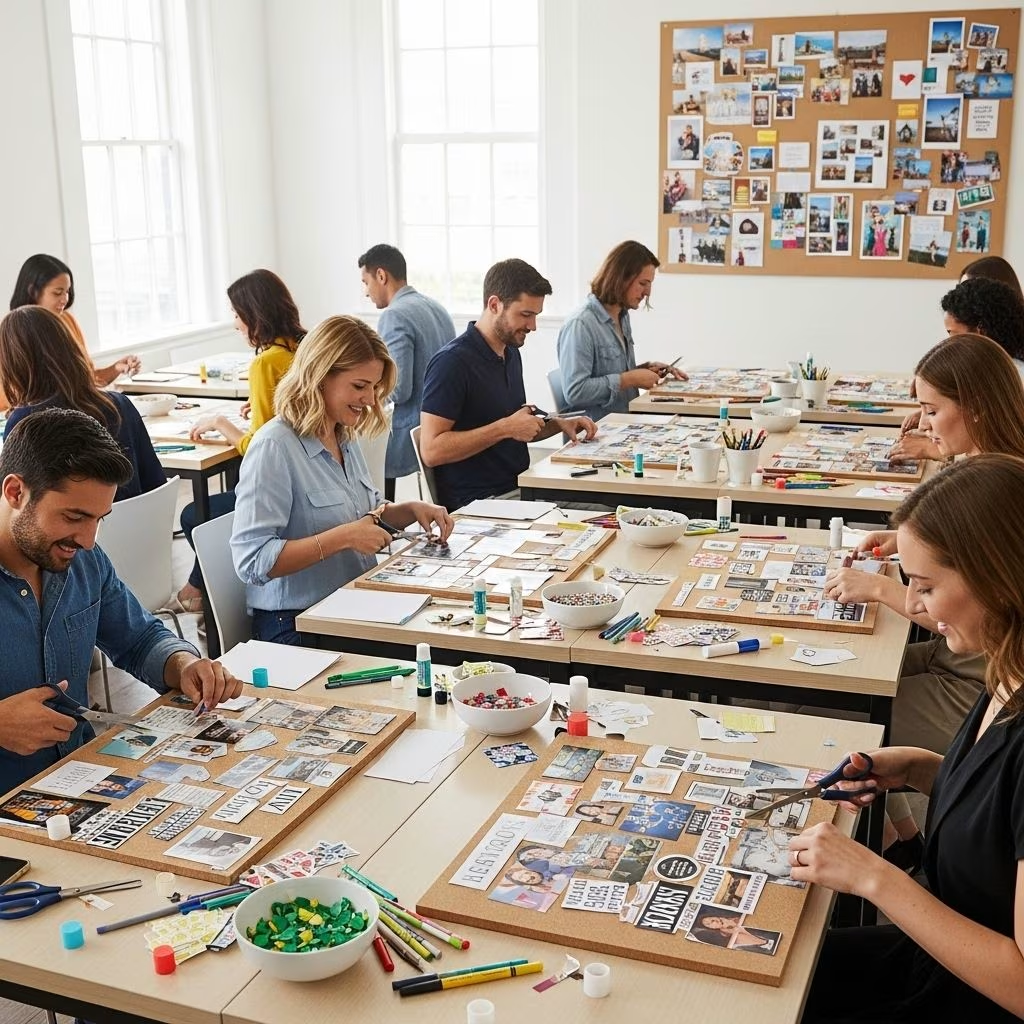
A vision board workshop is a facilitated event where participants craft physical or digital boards comprised of images, quotes, and affirmations representing their aspirations. Whether held in-person or virtually, these workshops provide an environment that nurtures self-discovery, intentional goal setting, and emotional connection.
- Participants engage in guided activities like meditation, journaling, and visualization.
- Boards are created using magazines, digital platforms, or custom art supplies.
- The core objective: clarify goals, foster motivation, and visualize a roadmap for achievement.
The Experience: What Happens at a Vision Board Workshop?
Vision board workshops are meticulously designed to maximize personal insight and inspiration. Here’s a typical breakdown:
| Stage | Activity | Purpose |
|---|---|---|
| Opening | Welcome and introduction by facilitator | Set intentions, establish a safe space |
| Reflection | Guided meditation and journaling prompts | Access inner dreams, focus attention |
| Creation | Assemble vision boards using images, words, and symbols | Visualize goals; express creativity |
| Sharing | Optional group sharing or feedback | Build community, inspire mutual support |
A vision board can be constructed from a diverse array of materials, from traditional magazines and craft supplies to digital platforms like Canva. Facilitators may offer staging activities, from guided meditations to expert guest lectures, all designed to help attendees connect deeply with their intentions.
Guided Meditation and Visualization: Tapping into Inner Wisdom
Many workshops begin with a guided meditation session to ease participants into the right mindset for self-reflection. These sessions encourage relaxation, enhance creativity, and prompt individuals to visualize their ideal future. Meditation not only helps people tune out distractions but also fosters a sense of energized focus, making the creative process more impactful.
- Meditation exercises may ask you to picture yourself a year from now, living your dreams.
- Reflection prompts help clarify desires, remove mental blocks, and pave the way to authentic goal setting.
Theme-Based Vision Board Workshops: Focusing Your Energy
Many facilitators design workshops around specific themes, such as:
- Well-being: Emphasizing mental or physical health goals.
- Career growth: Targeting professional aspirations, skills, or ambitions.
- Relationships: Focusing on connections, family, or personal networks.
- Personal development: Centering around learning, self-compassion, or resilience.
Themed workshops often feature expert speakers, guided group discussions, and tailored breakout activities. The intention is to concentrate participants’ efforts, sparking insight and mutual encouragement among attendees.
Mind-Mapping: Organizing Thoughts Before Creation
A powerful precursor to vision board creation is the mind-mapping exercise. Mind maps allow participants to visually organize their ideas, centralizing a goal and branching out into actionable steps or related thoughts.
- Tools like MindMeister or XMind offer digital options; paper and pen work just as well.
- Mind mapping fosters clarity and direction, enabling richer, more meaningful vision boards.
Expert Guest Speakers: Learning from Leaders
Many workshops elevate their events by inviting expert guest speakers. Professionals in fields related to goal setting, personal development, or wellness may lead motivational talks, provide answers in live Q&A sessions, and offer actionable advice for turning vision into reality.
- Direct interaction via polls or chat rooms increases engagement.
- Recording sessions allows participants to revisit key insights.
Transformative Benefits of Vision Board Workshops
Creating a vision board in a workshop setting offers several profound benefits:
- Clarity and Focus: The process forces participants to distill what matters most, stripping away distractions to prioritize authentic goals.
- Motivation and Inspiration: Vision boards act as visual reminders, keeping individuals inspired and committed even in moments of doubt.
- Goal Setting and Planning: Participants intentionally map out steps, moving from abstract wishes to tangible milestones.
- Manifestation and Positive Reinforcement: Displaying dreams visually reinforces belief in their achievability, leveraging the law of attraction to drive real outcomes.
- Community and Connection: Sharing boards and hearing others’ stories fosters inclusion, support, and fresh perspectives.
The Science Behind Vision Boards: Why Visualization Works
Neuroscientific research supports the effectiveness of visualization techniques in goal achievement. By repeatedly exposing oneself to visual cues aligned with future aspirations, individuals strengthen neural pathways associated with habits, motivation, and resilience. This process creates positive reinforcement and keeps goals front and center.
Overcoming Common Challenges: Tips for a Rewarding Workshop
- Set Intentions, Not Limits: Avoid narrowing focus too rigidly; let intuition guide your vision board selections.
- Embrace Imperfection: Vision boards are personal expressions—no artistic talent required.
- Schedule Reflection: Allocate time before and after creation for journaling and self-review.
- Share Optional: Community matters, but sharing is never mandatory. Respect preferences.
- Place Your Board Strategically: Position it where you’ll see it daily—this visibility enhances motivation and action.
Digital vs. Physical Vision Boards: Which One Is Right for You?
| Type | Pros | Cons |
|---|---|---|
| Physical | Tactile, creative, prominent visual reminder, fun group activity | Requires supplies, less portable |
| Digital | Easy to update, shareable, accessible anywhere, integrates with apps | Risk of digital clutter, less sensory engagement |
The choice between digital and physical boards depends on personal preference, available resources, and intended display. Many workshops offer both options to maximize inclusivity.
Beyond the Workshop: Making Vision Boards a Daily Practice
To sustain the benefits of your vision board, integrate it into your daily routine:
- Place your board where you’ll see it each morning and evening.
- Set micro-goals based on themes from the board to track progress.
- Revisit and update your board quarterly to reflect new aspirations.
- Invite peers or loved ones to create boards with you for accountability.
- Practice brief visualization exercises to strengthen motivation.
Real-Life Testimonials: Stories of Transformation
Participants often share striking stories of how vision boards propelled personal and professional breakthroughs:
- A team reported increased cohesion and renewed excitement for collective goals after a corporate workshop.
- Individuals have cited manifesting new jobs, homes, or relationships after regularly engaging with their boards.
- Many find that sharing boards in groups inspires unexpected ideas, collaborations, and friendships.
Frequently Asked Questions (FAQs)
Q: Who benefits most from vision board workshops?
A: Anyone seeking clarity, motivation, and community around personal or professional goals can benefit, regardless of age or background.
Q: What materials should I bring to a physical workshop?
A: Basic supplies include poster boards, magazines, scissors, glue, markers, stickers, and any personal mementos or photos.
Q: Are vision boards proven to help manifest goals?
A: Research supports visualization as a tool to reinforce positive habits and motivation, with vision boards acting as daily reminders of what’s possible.
Q: How long does a typical workshop last?
A: Most workshops run 60–120 minutes, depending on activities, sharing sessions, and whether group reflection is included.
Q: Can I make a digital vision board on my own?
A: Absolutely! Platforms like Canva, MindMeister, and Pinterest allow for easy creation and sharing of digital boards.
Conclusion: Imagining Your Future, One Image at a Time
Vision board workshops are more than creative exercises; they are catalysts for transformation. By committing to intentional reflection, visualization, and goal setting, participants gain the clarity, focus, and community that propel dreams into reality. Whether for individuals or teams, these workshops unlock the power to forge new paths—one meaningful image at a time.
References
- https://teambuilding.com/blog/virtual-vision-board-workshop
- https://carmenbalie.co.za/the-transformative-benefits-of-vision-board-workshops/
- https://www.withconfetti.com/product/virtual-vision-board-workshop
- https://lifecatalystct.com/the-therapeutic-power-of-vision-boards-in-goal-achievement/
- https://www.youtube.com/watch?v=OkCGIWAeMn4
- https://selfmadeladies.com/vision-board-benefits/
- https://www.tedxmilehigh.com/vision-board-workshop/
- https://striveworkspaces.com/how-a-vision-board-can-benefit-your-office-space/
- https://brainbasics.com/lets-unlock-your-potential-together-how-vision-boards-can-help-you-achieve-your-dreams/