What is Hurkle-Durkle? The Viral Scottish Morning Trend
If you’ve ever longed to lounge in bed after your alarm rings, you’re not alone—and you might be hurkle-durkling. The term “hurkle-durkle” has recently hit viral status, championed by those seeking slower, more mindful mornings. But is it really just a cute way to rationalize laziness, or does the trend offer something deeper for modern-day wellness?
- Originates from an old Scottish phrase from the 1800s, which originally referred to crouching for warmth or privacy but evolved toward its current meaning—lingering under the covers after waking up.
- Modern usage: Enjoying a period of restfulness upon waking, intentionally resisting the rush to start the day right away.
- Recently revived and popularized on TikTok and social media, making it a buzzword in wellness circles and morning routine advice.
The Hurkle-Durkle Experience: An Attempt at Mindful Lounging
Trying out hurkle-durkle is less a guided practice, more a state of mind—there is no “official” playbook. To see what impact it would have, the author opted to test the ritual on a relaxed Saturday morning. Here’s how the practice unfolded:
- Step 1: Woke up without an alarm, letting the body decide when it was ready.
- Step 2: Tended to morning tasks (such as letting the dogs out), then returned to bed to reclaim a few more moments of comfort.
- Step 3: Settled into fresh sheets, fluffed pillows, and attempted to resist the urge to mentally run through the day’s to-dos.
The initial challenge? Shaking the feeling of “wasting time.” For someone with a busy mindset or a never-ending to-do list, being still and present is not always easy. It’s not uncommon for the mind to wander to chores and obligations—the laundry pile, grocery planning, or even the need to brush teeth. This guilt is precisely what the hurkle-durkle mindset aims to disrupt.
Mindfulness Over Multitasking
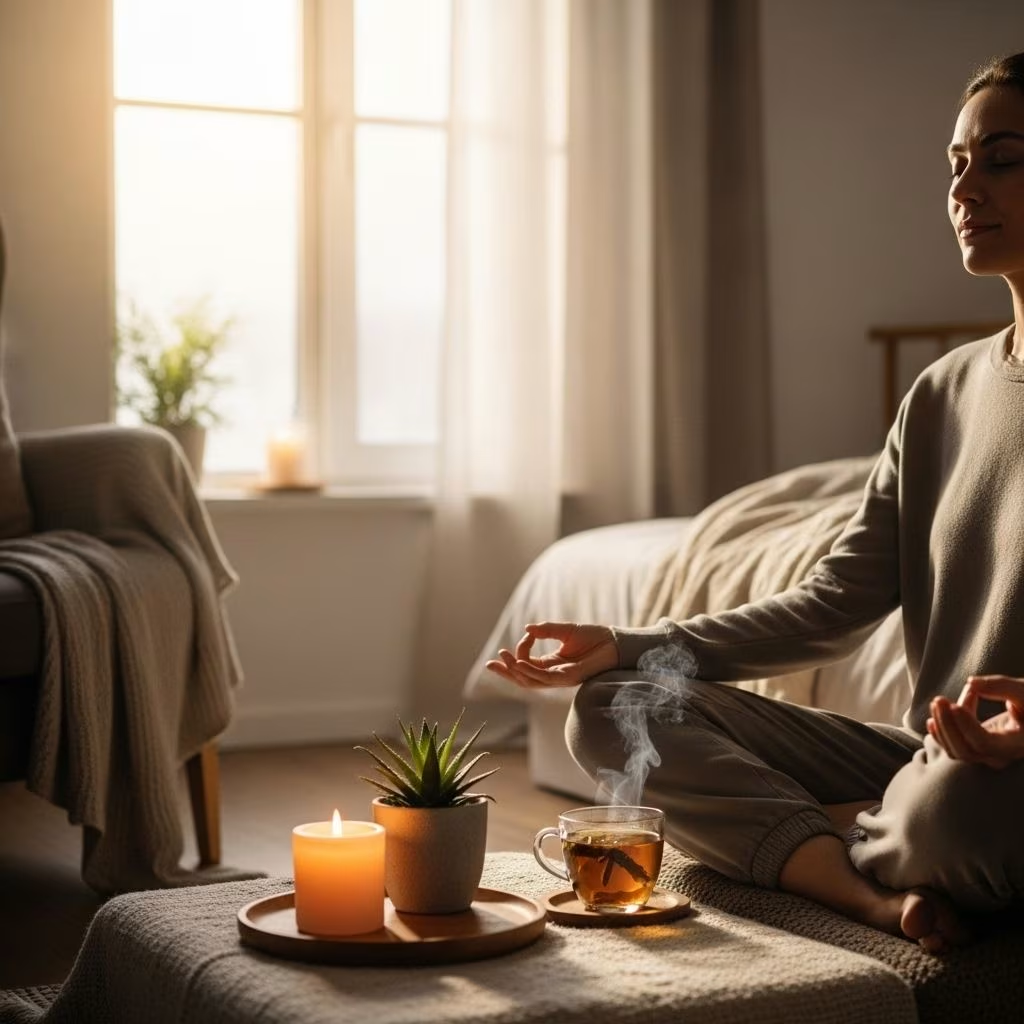
After battling the internal pressure to get things done, the experience shifted. Taking a few deep breaths and tuning into the environment—the soft light through the drapes, the peaceful sounds of a quiet weekend morning, the warm presence of pets—brought a sense of calm and gratitude. As the author noticed, dogs are expert hurkle-durklers: they snuggle back in and sleep on without shame or guilt. Perhaps we can learn something from them.
Hurkle-Durkle: Is It Just Laziness, or a Form of Self-Care?
On the surface, hurkle-durkle looks like lingering in bed—something often associated with laziness. But this trend is about more than just idleness:
- It’s intentional rest: Claiming the right to pause before the day’s rush.
- It’s a self-care act: Allowing yourself time to downshift in a world prone to glorifying busyness and constant connectivity.
- It’s an act of resistance against the productivity obsession. Sometimes, we need mindful moments far more than an early start.
Crucially, hurkle-durkle does not advocate procrastination or disregarding responsibilities. Instead, it asks: What if you gave your mind and body a gentle start, rather than an abrupt jolt into the day?
Where Did Hurkle-Durkle Come From?
The word hurkle-durkle is charmingly odd, with roots that stretch back to Scotland in the 1800s:
- Originally described a crouched position for warmth or stealth, but in modern English, it refers to lingering in bed after you’re supposed to be up.
- Saved from linguistic obscurity by social media: Actress Kira Kosarin spotlighted it as her “word of the day,” sparking a new generation of hurkle-durklers.
Today, it’s shorthand for resisting the pressure of productivity and embracing slow, intentional starts to the day.
Why Hurkle-Durkle? The Self-Care Benefits Behind the Trend
Why is hurkle-durkle resonating so strongly? Because our lives are more “always-on” than ever before:
- Digital overload: Constant pings, news alerts, and work messages make it hard to unplug.
- Chronic stress: Never-ending tasks, household chores, and career obligations can make true rest feel impossible.
- Burnout risk: Lack of rest and over-scheduling are real threats to mental and physical health.
Hurkle-durkle provides an escape—a few minutes to slow down, breathe, and simply be before taking on daily demands.
What Science Says About Slow Mornings
- A 2017 study found that sleeping in a few times a week can help offset health risks associated with chronic sleep debt. It may soothe stress levels and improve mood, even if the effect is temporary.
- Starting the day slowly, by choice, can trigger a calm, mindful outlook for hours—even if you’re only able to linger for 10–15 minutes.
Is Hurkle-Durkle Right for Everyone?
While anyone can try hurkle-durkle, its feasibility depends on your schedule. Parents, shift workers, or anyone with early-morning responsibilities may find it difficult during the workweek. In these cases, consider the following:
- Save it for weekends: Use hurkle-durkle as a special Saturday or Sunday treat.
- Try a “mini” version: Even five minutes of mindful lounging before getting up can help you start the day with a different mindset.
Common Challenges—and How to Overcome Them
Trying hurkle-durkle as a first-timer may come with some obstacles:
- The Guilt Trap: Believing that lounging is indulgent or lazy.
- Restless Thoughts: A racing mind cataloging chores, errands, or emails to send.
- Practical interruptions: Family, pets, or urgent responsibilities may disrupt your attempt at calm.
Practicing hurkle-durkle is about reframing these moments as intentional rest, not wasted time.
Expert Tips for the Best Hurkle-Durkle Session
- Ease into waking: Use a gentle alarm, such as soft music or a sunrise lamp, rather than a jarring sound.
- Prepare ahead: Lay out breakfast items, clothes, and essentials the night before to allow yourself more morning flexibility.
- Minimize screen time: Instead of reaching for your phone, focus on the sights, sounds, and sensations of your surroundings.
- Practice gratitude or mindfulness: Simply notice the comfort of your bed, the light in the room, or the rhythms of your breathing.
- Get the family involved: If possible, invite kids or pets for some morning snuggles and chats before launching into the day.
Balancing Hurkle-Durkle with Real Life
While adopting hurkle-durkle can be transformative, balance is vital. Too much lounging—especially on weekdays—may result in missed obligations or increased stress later on. Use hurkle-durkle as:
- A reward on weekends or days off after a busy week.
- A way to recover from periods of low energy, illness, or burnout.
- An occasional practice that complements effective morning routines, not replaces them.
Why the Hurkle-Durkle Trend is Here to Stay
- It fills a genuine need for more rest and less guilt around self-care.
- It’s flexible and accessible: Anyone, anywhere, can try it—no equipment necessary.
- It fosters mindfulness and gratitude by encouraging us to pause and appreciate comfort, stillness, and gentle beginnings.
- It builds community: Social media sharing around hurkle-durkle has connected people with similar struggles and aspirations for rest.
Frequently Asked Questions (FAQs) About Hurkle-Durkle
Is hurkle-durkle just being lazy?
No—for many, it’s about reclaiming time, fostering mindfulness, and prioritizing well-being rather than avoiding responsibilities.
Does it really help with stress or productivity?
Many people report that they feel more refreshed and less frazzled after practicing a slow morning ritual like hurkle-durkle. Even short rest can have positive psychological effects.
Can you hurkle-durkle on a workday?
Most people reserve hurkle-durkle for weekends or days off, but even a few extra mindful minutes in bed can be beneficial—even on busy weekdays.
How long should a hurkle-durkle session last?
There are no strict rules. Some people spend just 5–10 minutes enjoying the moment, while others luxuriate for much longer if schedules permit.
How do I stop feeling guilty while hurkle-durkling?
Remind yourself that intentional rest is productive in its own way and essential for sustainable wellness. It’s not indulgence—it’s preparation for the day ahead.
Hurkle-Durkle Versus Other Morning Trends: A Quick Comparison
| Trend | Main Focus | When to Use | Benefits |
|---|---|---|---|
| Hurkle-Durkle | Intentional lounging in bed after waking up | Weekends, days off, or as a mindful daily ritual | Reduces stress, cultivates gratitude, enhances rest |
| Miracle Morning | Early rising for exercise, meditation, and goal-setting | Weekdays, during personal growth phases | Boosts productivity, fosters discipline |
| 5am Club | Rising at 5am to maximize the day | Daily, especially for high achievers | Adds quiet, focused time before others wake |
| Sleep In | Extra hours of sleep, usually on weekends | After late nights, or to catch up on sleep debt | Helps with recovery and rest |
Making Hurkle-Durkle Work For You: Practical Tips
- Start small—allow yourself even a few extra intentional minutes in bed, observing your thoughts and the calm of the morning.
- Release guilt by remembering that rest fuels productivity and overall well-being.
- Personalize the practice—add music, stretch, journal, or meditate to make the most of your time.
- Share your experience. Talking about hurkle-durkle on social media or with friends may help others embrace intentional rest too.
Conclusion: Embrace the Art of Slow Mornings
The hurkle-durkle trend is a playful yet powerful reminder that not every morning must start with the race of productivity. With a little intention, even a fleeting period of lingering in bed can set a gentle, mindful tone for your whole day—no guilt attached.
Hurkle-Durkle FAQs Recap
- Can I do it during the week? Yes, even if only for a few minutes.
- Will it slow down my mornings? It’s about balance—try it on days with low pressure.
- What if I have kids or pets? Consider a family hurkle-durkle with pets and little ones to foster quality time.
Give yourself permission to pause, breathe, and enjoy the soft moments between sleep and the start of the day. Your mind and body will thank you—and you just might inspire others to reclaim a bit of simple joy each morning, too.
References
- https://onetopknotmama.com/how-to-hurkle-durkle-and-live-your-best-life/
- https://www.goodhousekeeping.com/health/wellness/a63434769/i-tried-the-hurkle-durkle-morning-hack/
- https://www.upworthy.com/hurkle-durkling-scottish-self-care-ex1
- https://www.aol.com/heres-happened-tired-viral-hurkle-170400603.html
- https://www.goodhousekeeping.com/health/wellness/
- https://www.goodhousekeeping.com/health/wellness/g66053765/morning-habits-doctors-swear-by/