


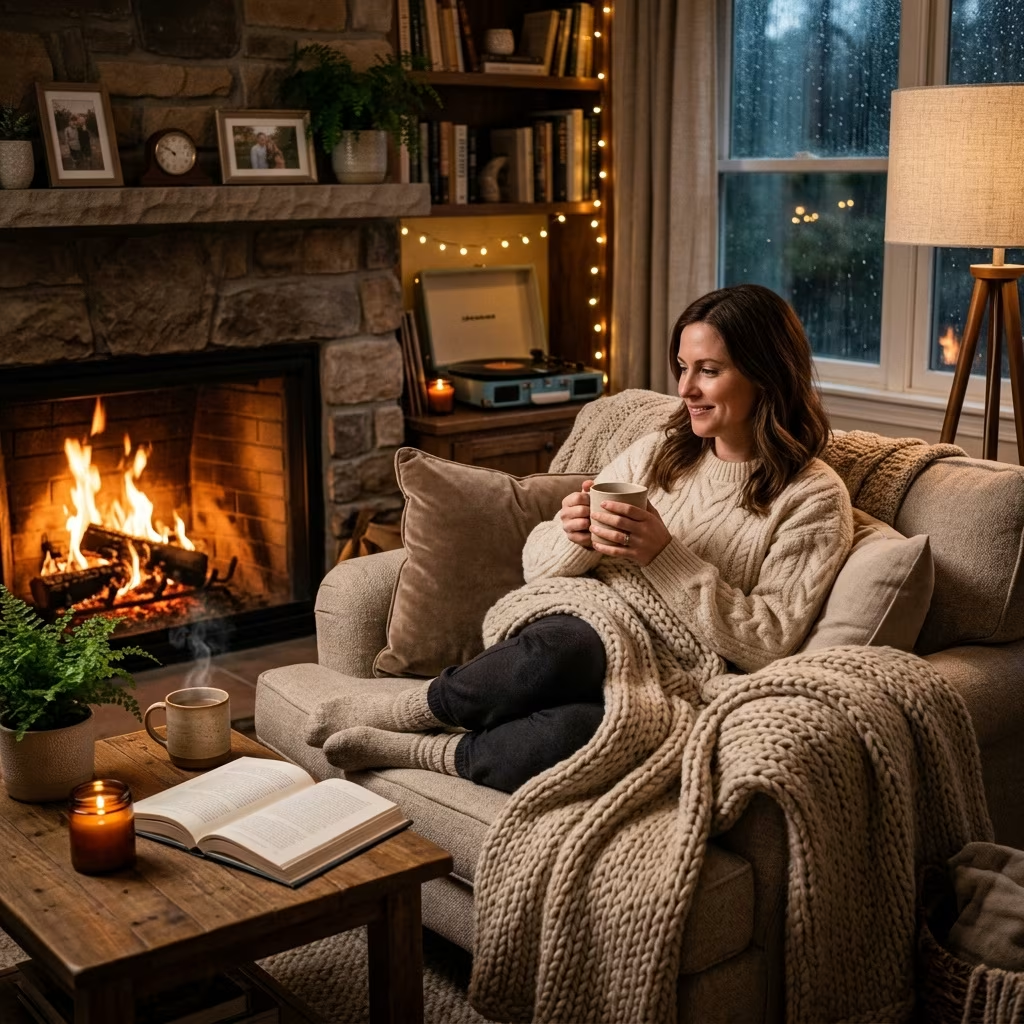
Cozymaxxing: The Intentional Art of Comfort and Self-Care
In a world increasingly dictated by relentless pace, digital noise, and societal pressures, a new movement is quietly reshaping how we approach self-care and mental health. Cozymaxxing is the art of deliberately curating your surroundings to achieve a sense of deep comfort, relaxation, and security. But this phenomenon is more than aesthetic: it is rapidly gaining traction as a science-backed approach to reclaiming emotional balance and well-being.
What is Cozymaxxing?
Cozymaxxing refers to the deliberate creation of spaces and rituals that foster a feeling of calm, warmth, and safety. The term, which blends ‘cozy’ with ‘maximalism,’ places an emphasis on amplifying comfort in both physical environments and daily routines. Unlike fleeting trends, cozymaxxing aligns elements of traditional self-care with a focus on sustained comfort and restorative solitude.
- Intentional design: Thoughtfully arranging your space to feel safe, calming, and welcoming.
- Comfort rituals: Engaging in activities and habits that bring personal joy and ease, such as reading wrapped in a blanket or savoring a cup of tea.
- Solo restoration: Embracing moments of solitude and unplugging from digital distractions to recharge and reconnect with yourself.
Inspired in part by the Danish concept of hygge, cozymaxxing takes things a step further: rather than simply adding cozy elements, it prioritizes intentional solitude and restorative environments as a daily necessity, not just a seasonal luxury.
Why Is Cozymaxxing So Popular?
The rise of cozymaxxing directly responds to the overwhelming stressors of modern life—burnout, social upheaval, climate anxiety, and the ongoing effects of uncertainty. While hustle culture praises constant productivity, cozymaxxing reframes rest and comfort as essential, not indulgent. This is especially notable as more people openly reject the notion that self-worth is tied to busyness.
On social media platforms like TikTok and Instagram, the #cozymaxxing tag boasts hundreds of thousands of posts, with creators sharing scenes of candlelit living rooms, unfussy bedding, and everyday rituals like journaling or meditation. These visual vignettes normalize rest, making comfort-seeking not only permissible but aspirational.
Key reasons for cozymaxxing’s surge:
- High stress and burnout: Widespread emotional exhaustion has fueled the search for new tools to decompress.
- Rejection of hustle culture: More people are embracing balance and prioritizing well-being over constant achievement.
- Lingering global instability: Unpredictable times increase the need for stability and safety at home.
- Validation of rest: Emphasizes that recharging is responsible self-care, not laziness.
The Science-Backed Benefits of Cozymaxxing
Cozymaxxing is not just about feeling good in the moment. Research shows that purposefully crafted environments and rituals of comfort activate the parasympathetic nervous system, or the body’s natural rest-and-digest mode. This shift brings a measurable reduction in stress hormones like cortisol, slows heart rate, decreases blood pressure, and enhances emotional regulation.
| Benefit | Description | Supporting Science |
|---|---|---|
| Mental health | Reduced anxiety and improved mood through comforting rituals and environments. | Environments that feel safe cue the brain to relax, aiding emotional resilience. |
| Sleep quality | Soothing ambiance and routines help regulate sleep patterns and improve rest. | Predictable, comforting environments promote deep, restorative sleep. |
| Physical relaxation | Decreased muscle tension, lower heart rate, and reduced blood pressure. | Activation of the parasympathetic system counteracts chronic stress responses. |
| Cognitive function | Better memory, focus, and less mental fatigue as a result of lower stress. | Reduced cortisol levels support clearer thinking and cognitive processing. |
| Emotional balance | Improved emotional regulation and resilience against psychological stressors. | Greater sense of safety lowers reactivity and supports healthy coping. |
Essential Elements of Cozymaxxing
To experience the full benefits, cozymaxxing encourages the use of sensory details and predictable rituals that remind the brain it is safe. These elements work both alone and together for maximum effect:
- Textures: Soft blankets, plush rugs, and layered pillows can immediately offer physical comfort.
- Warmth: Ambient lighting, candles, and warm beverages set a soothing tone.
- Sound: Favorite music, nature sounds, or gentle rain can provide a calming backdrop.
- Scent: Aromatherapy with essential oils or the smell of fresh baking can evoke security and pleasure.
- Visual comfort: Uncluttered, personalized spaces prevent sensory overload and create a sense of order and control.
The goal is not perfection, but rather a personal sanctuary that feels inviting, manageable, and uniquely you.
What Cozymaxxing Isn’t: Avoiding the Pitfalls
Experts warn that while cozymaxxing supports wellness, it should be a tool for rest and restoration, not a mechanism to avoid responsibilities or uncomfortable feelings. When the practice morphs into escapism—using comfort rituals to delay or evade real-life stressors—it can exacerbate issues like procrastination, social anxiety, or emotional avoidance.
- Not about perfection: Cozymaxxing works when it is accessible and adaptable to your life, not when it becomes a new source of stress.
- Not an escape hatch: Rest periods are essential, but using coziness to sidestep ongoing problems can lead to more stress in the long run.
- Balance matters: Allow cozymaxxing to enhance your resilience and well-being—not limit growth or connection.
How to Practice Cozymaxxing at Home
You don’t need a designer home or lavish resources to embrace cozymaxxing. The principles are universal and scalable no matter your space or budget. Here are several steps to get started:
- Assess your space: Identify which areas feel inviting and which could use more comfort or personalization.
- Edit out stressors: Tidy up clutter, mute digital devices, and limit disturbances for set periods.
- Layer in comfort: Add throws, soft lighting, or items that represent security, like cherished books or memorabilia.
- Establish rituals: Carve out moments for quiet reading, gentle movement, brewing a favorite tea, or journaling.
- Curate your media: Engage with content—films, shows, music—that evokes nostalgia or calm.
- Prioritize solitude: Allow for intentional alone time to process, recharge, and reset without guilt.
Quick Cozymaxxing Ideas:
- Dedicate 10–15 minutes per day for screen-free relaxation.
- Create a “cozy corner” with plush seating and ambient lighting.
- Incorporate calming scents, such as lavender, via diffusers or candles.
- Warm up with a soft robe or favorite sweater after a shower in the evening.
- Listen to comforting playlists or nature soundscapes while you unwind.
The Psychology Behind Cozymaxxing
Why does cozymaxxing work? At its core, the brain is wired for safety. When exposed to environments that are warm, soothing, and familiar, the parasympathetic nervous system is activated, sending signals to the body that it can relax. Think of this as the brain’s way of encouraging healing, replenishment, and balance after periods of heightened stress or “fight or flight” activation.
As neuroscientists and psychologists explain, predictable routines and environments:
- Signal the brain to power down anxious thoughts.
- Reduce the need for vigilance and hyper-alertness.
- Boost “feel-good” neurotransmitters like dopamine, serotonin, and endorphins.
- Reinforce a sense of agency, security, and control in a chaotic world.
Cozymaxxing vs. Other Comfort Trends
| Trend | Core Focus | Distinguished By |
|---|---|---|
| Hygge | Cultivating coziness and togetherness, often among friends and family | Originates in Danish culture, emphasizes communal comfort |
| Minimalism | Reducing possessions, focusing on simplicity and space | Less is more; prioritizes decluttering for peace of mind |
| Cozymaxxing | Maximizing comfort and self-soothing, often in solitude | Prioritizes intentional solo restoration and sensory comfort |
The Bottom Line:
While hygge is about communal warmth and minimalism about simplicity, cozymaxxing uniquely normalizes the need for solo retreat and personalized comfort as an everyday self-care tool.
Frequently Asked Questions (FAQs)
What is cozymaxxing, in simple terms?
Cozymaxxing is the intentional creation of comforting environments and rituals designed to lower stress and promote a sense of safety and ease, often through sensory details and solo relaxation.
How does cozymaxxing improve mental health?
By triggering the body’s relaxation response, cozymaxxing lowers stress hormones, balances emotions, stabilizes mood, and leads to better sleep and cognitive performance.
Is cozymaxxing just another word for being lazy?
No. Unlike laziness or avoidance, cozymaxxing is about proactive self-care—making restorative comfort a regular part of maintaining balance, not an excuse to neglect responsibilities.
Can cozymaxxing replace traditional mental health strategies?
While cozymaxxing has real benefits, it should complement, not replace, professional therapy or medical interventions if you’re struggling with persistent anxiety, depression, or other mental health issues.
What are the signs that cozymaxxing is becoming avoidance?
Warning signs include using comfort routines to consistently avoid important tasks, social interactions, or difficult emotions. The practice should support restoration, not delay growth.
Final Thoughts
Cozymaxxing represents a meaningful shift in self-care: replacing guilt-ridden downtime with mindful, restorative comfort that is accessible and deeply effective. By embracing cozymaxxing, anyone can transform their environment—and their outlook—one comfortable moment at a time.
References
- https://www.hindustantimes.com/htcity/wellness/selfcare-has-a-new-name-cozymaxxing-explained-101743590815584.html
- https://www.goodhousekeeping.com/health/wellness/a64379052/what-is-cozymaxxing/
- https://www.goodnet.org/articles/discover-cozymaxxing-selfcare-trend
- https://www.pockitudes.com/blog/cozymaxxing-the-small-act-of-comfort-that-can-radically-transform-your-mental-well-being
- https://www.healthline.com/health-news/cozymaxxing-tiktok-self-care-mental-health-trend
- https://www.upworthy.com/2025-wellness-trends-cozymaxxing
- https://homeandtexture.com/cozymaxxing-trend/


