Amsterdam’s Coffeeshops: Navigating Cannabis Culture
Amsterdam is world-renowned for its vibrant canal-side life, picturesque townhouses, and, perhaps most famously, its unique ‘coffeeshops.’ These hazy, dazy cafés are at the intersection of Dutch pragmatism, social culture, and a progressive approach to cannabis. For travelers eager to sample authentic Amsterdam life, understanding what a coffeeshop is—and isn’t—is essential.
The Coffeeshop: What’s in a Name?
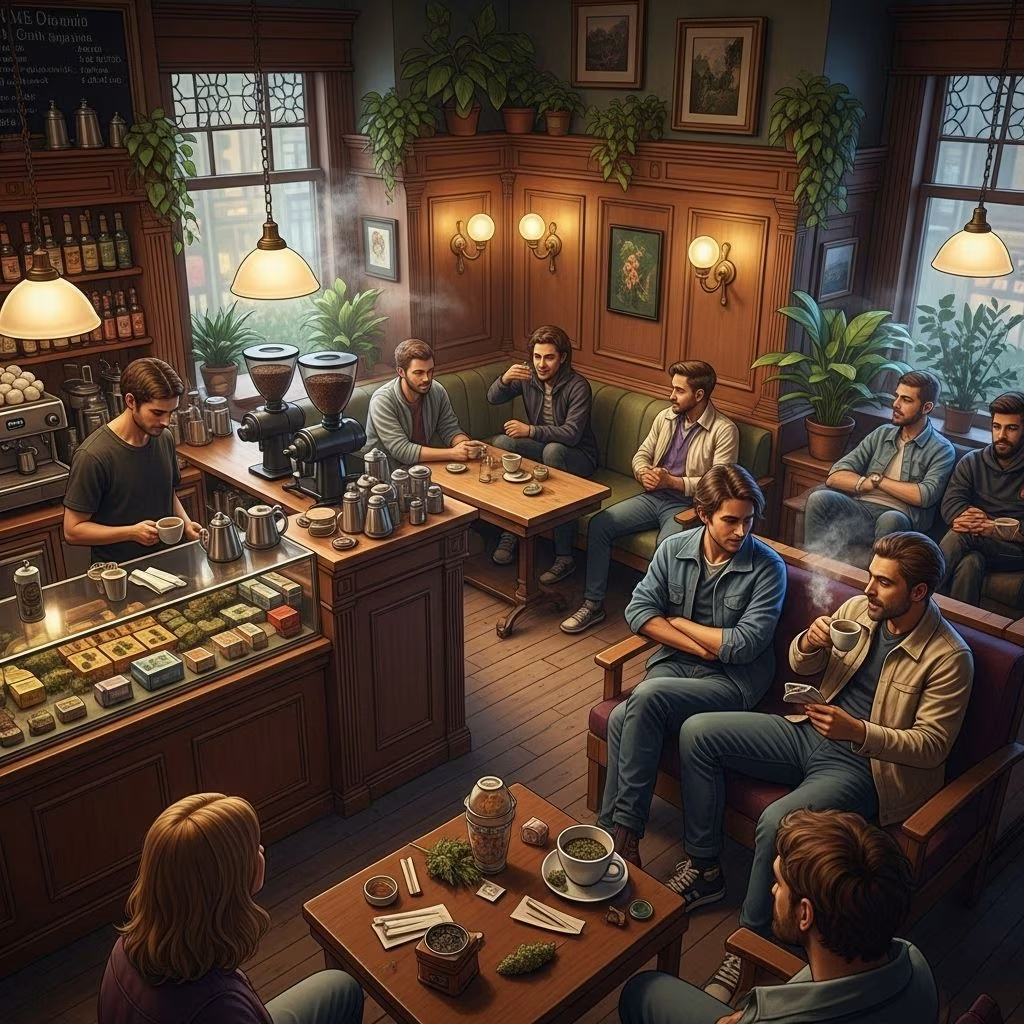
To the uninitiated, the term “coffeeshop” in Amsterdam can lead to some confusion. While it may conjure images of baristas and artisanal lattes, the typical Amsterdam coffeeshop is something altogether different. In these establishments, the primary draw isn’t coffee beans but cannabis—sold and consumed openly, albeit with strict rules attached.
If your goal is a velvety cappuccino or a rich espresso, what you need is a koffiehuis or a regular café. Traditional Dutch brown cafés, with their wood-paneled interiors and candlelight, fill this role, offering the classic European café experience. By contrast, step into a ‘coffeeshop,’ and you enter a laid-back world suffused with the subtle (and not-so-subtle) aroma of cannabis.
How Coffeeshops Rose to Fame: A Brief History
The story of Amsterdam’s coffeeshops is a tale of social change, pragmatic governance, and cultural evolution. In the late 1960s and early 1970s, as countercultural trends swept across Europe, Amsterdam saw a boom in illicit drug sales, undercover social clubs, and a growing demand for relaxed, communal spaces. Out of this atmosphere emerged the earliest coffeeshops, blending the cozy anonymity of a café with a semi-secret trade in marijuana.
What began as a gray-market subculture became institutionalized in the 1970s when Dutch authorities, seeking to minimize drug-related harms, weighed the benefits of a tolerant, regulated system. The result was a quasi-legal framework: coffeeshops were permitted to sell cannabis under strict guidelines, while hard drugs remained banned. This landmark policy became a hallmark of Dutch liberalism, distinguished by a focus on health, transparency, and public order.
Key milestones in the coffeeshop era:
- 1960s–70s: Countercultural movements and social clubs proliferate, paving the way for Amsterdam’s first ‘coffeeshops’.
- 1976: Dutch law formalizes the distinction between “soft” and “hard” drugs—coffeeshops are allowed to sell cannabis with stringent conditions.
- 1980s–90s: Coffeeshops become fixtures of Amsterdam’s tourism and local scene, each with its own personality and crowd.
- Recent years: Regulations have tightened, capping the number of coffeeshops and introducing new identification and anti-advertising rules.
The Modern Coffeeshop Scene
Today, coffeeshops range from bohemian hideouts and artistic havens to global icons and casual hangouts. Some, like the storied Bulldog, have been welcoming travelers and locals for decades, while others offer a quieter, more artsy experience. Each venue reflects Amsterdam’s tolerant ethos—a space for socializing, relaxing, and sampling some of the best cannabis products Europe has to offer.
Main features of Amsterdam coffeeshops:
- Atmosphere: Laid-back and inclusive, with a diverse clientele spanning ages and backgrounds.
- Selection: Extensive cannabis menus, offering a variety of locally grown strains, pre-rolled joints, hashish, and edibles (such as space cakes).
- Facilities: Rolling papers, bongs, vaporizers, and lighters are typically available; many places also offer non-alcoholic drinks, snacks, or meals.
- Menus: Cannabis menus, often discretely hidden and available on request, detail the variety and strength of products—akin to a wine list for cannabis connoisseurs.
Understanding Coffeeshop Etiquette
Experiencing a coffeeshop to the fullest means understanding and respecting the local norms. For both seasoned enthusiasts and curious newcomers, following some basic etiquette ensures a positive and respectful visit:
- Request the Menu: Menus are discreetly kept; ask the staff if you’d like to see what’s on offer.
- Bring Identification: Only adults 18 or older (in some cases 21+) are admitted. Be prepared to show ID.
- Purchase Before Consuming: It’s customary to buy your chosen product in the shop and consume it there, rather than bringing your own from outside.
- Moderation and Awareness: Amsterdam cannabis is notably stronger than what’s legally available in some other countries. Start small, especially with edibles.
- No Alcohol: Coffeeshops do not serve alcoholic beverages.
- Social Behavior: Respectful, non-disruptive behavior is expected. While it’s a relaxed setting, rowdy or disrespectful behavior is unwelcome.
- Photography: Many coffeeshops prohibit taking photos inside to respect patrons’ privacy.
Rules and Regulations: The Legal Landscape
The Dutch approach to cannabis regulation is pragmatic and strict. Coffeeshops operate under clearly delineated laws and municipal policies:
- Advertising is Prohibited: Coffeeshops cannot directly advertise cannabis products. Their identity is usually marked by a green and white sticker in the window or a recognizable sign.
- Purchase Limits: A single customer can purchase up to five grams per day.
- No Underage Access: Entry is strictly limited to adults with official ID.
- Tolerance Policy: While technically illegal under national law, the sale of small quantities is “tolerated” under closely supervised municipal rules.
- Location Restrictions: Coffeeshops cannot operate within a designated distance from schools.
- Tourist Access: In Amsterdam, tourists are generally welcome, but some Dutch cities restrict coffeeshop access to residents only.
- No Hard Drugs: Possession or sale of hard drugs is strictly prohibited and subject to criminal prosecution.
Comparing Coffeeshops, Koffiehuis, and Smartshops
| Type | Main Product | Atmosphere | Clientele |
|---|---|---|---|
| Coffeeshop | Cannabis (weed, hash, edibles) | Relaxed, aromatic, often artistic or quirky | Locals, tourists, social groups |
| Koffiehuis/Café | Coffee, tea, snacks, alcohol | Traditional, cozy, candlelit | Locals, day-to-day socializers, families |
| Smartshop | Legal natural psychoactives (e.g., truffles) | Alternative, specialty, retail-focused | Experimenters, alternative culture |
Why Visit a Coffeeshop? Cultural and Social Context
For many travelers, visiting a coffeeshop is about more than sampling local cannabis. These establishments offer a window into Dutch attitudes—open-minded, inclusive, and communal. As Rick Steves notes, even non-users can appreciate the vibe: friends chatting at tables, a sense of easygoing tolerance, and a fusion of locals and travelers alike. For enthusiasts, it’s a chance to explore an extraordinary range of high-quality products in a comfortable, legal setting.
- Socialize or people-watch for hours without pressure to leave.
- Enjoy snacks, drinks, or even full meals at some venues.
- Learn about the city’s progressive policies and community values through firsthand experience.
Practical Tips for Tourists
- Start Small: Especially with edibles. Amsterdam’s “space cakes” pack a punch—effects can be intense and delayed.
- Stay Hydrated: Non-alcoholic drinks are plentiful; water and fruit juices are usually available.
- Know Your Limits: Cannabis affects everyone differently. Don’t feel pressured to consume more than you’re comfortable with.
- Be Discreet Outdoors: Smoking cannabis is allowed inside coffeeshops, not in public places like parks or streets.
- Respect Local Laws: Ignoring the rules can attract fines and may lead to removal from the shop.
- Ask Staff for Advice: Coffeeshop staff are usually knowledgeable and happy to help with product recommendations.
Responsible Use and Local Customs
Enjoying Amsterdam’s coffeeshops responsibly means more than following the law—it means respecting local customs and contributing to a convivial, relaxed scene. Consider your impact on the neighborhood and city at large:
- Don’t bring cannabis home—exporting any cannabis product is illegal and can result in serious fines or arrest.
- Remember that tolerance doesn’t mean lawlessness—politeness and moderation are valued qualities in Dutch society.
- Avoid treating coffeeshops as a party venue; these are social spaces, not nightclubs.
Frequently Asked Questions (FAQs) about Amsterdam’s Coffeeshops
Q: Can anyone enter a coffeeshop in Amsterdam?
A: Only adults aged 18 or older (21+ in some places). Proof of age is required. Tourists are welcome in Amsterdam unless stated otherwise.
Q: Are alcohol and tobacco allowed in coffeeshops?
A: No, coffeeshops do not serve alcohol, and smoking tobacco indoors is prohibited by Dutch law. Cannabis-only joints are the norm.
Q: What is a ‘space cake’?
A: A space cake is a cannabis-infused edible—typically a muffin, brownie, or pastry. Effects can take 30–90 minutes to set in and are often much stronger than smoking, so start with a small portion.
Q: Are there limits to what I can purchase?
A: Yes, the maximum legal purchase is five grams per person per day. Portions above this may result in legal trouble.
Q: Can I take cannabis home or travel with it?
A: Absolutely not. Exporting cannabis is illegal and strictly enforced at airports and borders.
Q: Are Coffeeshops Only for Tourists?
A: No, locals also frequent coffeeshops. While some venues especially cater to tourists, many preserve a local atmosphere and value regular clientele.
Q: What’s the difference between a coffeeshop, a café, and a smartshop?
A: A coffeeshop sells cannabis, a café (or koffiehuis) serves coffee and snacks (sometimes alcohol), and a smartshop offers legal psychoactive products such as truffles.
Q: Is it safe?
A: Yes, provided you use products responsibly within the coffeeshop. Security and safety in these venues is high, and staff are trained to assist patrons who feel unwell or overwhelmed.
In Conclusion: Experiencing Amsterdam Like a Local
Amsterdam’s coffeeshops offer curious travelers an opportunity to engage with a unique fragment of Dutch culture—one woven from tolerance, sociability, and a progressive spirit that prizes health and safety above punitive enforcement. Whether you’re looking to sample cannabis or simply take in the scene, understanding what defines Amsterdam’s coffeeshops will ensure a rewarding and respectful visit. The core advice is simple: embrace the cultural difference, follow the house rules, and enjoy one of Europe’s most distinctive—and talked-about—urban experiences.
References
- https://www.islands.com/1750225/rick-steves-explains-why-tourists-will-surprised-amsterdam-america-coffeeshops-smoke-weed/
- https://www.explore.com/1607532/reason-why-coffeeshops-fun-unique-experience-amsterdam-local-weed-rick-steves/
- https://www.ricksteves.com/watch-read-listen/read/articles/amsterdams-coffeeshops
- https://blog.ricksteves.com/blog/lessons-learned-in-an-amsterdam-coffeeshop/
- https://www.ricksteves.com/watch-read-listen/read/articles/comfort-and-company-in-europes-cafes-and-pubs
- https://www.youtube.com/watch?v=pz7Yi4v0cuo
- https://community.ricksteves.com/travel-forum/netherlands/status-of-coffeeshops
- https://www.heraldnet.com/life/rick-steves-europe-dutch-tolerance-red-lights-and-pot-shops/