A Festive Guide to Europe’s Christmas Markets
Every winter, as chilly winds tingle the air and cities don shimmering displays of twinkling lights, Europe’s Christmas markets spring forth, transforming main squares and cobbled streets into joyful wonderlands of tradition and delight. For centuries, these bustling open-air bazaars have woven together folksy crafts, celestial music, steaming drinks, and regional treats, enchanting locals and travelers alike. Whether you’re seeking unique ornaments, culinary adventures, or simply a dose of yuletide cheer, Europe’s Christmas markets promise heartwarming experiences and unforgettable holiday memories.
Why Visit a Christmas Market?
Visiting a Christmas market is more than just shopping; it is a delightful immersion into a world where past and present traditions mingle. It’s in the contagious laughter of bundled-up children swirling around carousels, the comforting scent of hot mulled wine, and the shimmering glow of thousands of fairy lights. Across Europe, these markets highlight the best of local craftsmanship, holiday foods, and community spirit. Above all, they serve as meeting points for generations, making strangers friends beneath the gentle snow or crisp winter skies.
Where the Magic Begins: The Big and Small of Europe’s Markets
The tradition of Christmas markets began in German-speaking regions centuries ago, and these areas still boast some of the largest and most iconic gatherings:
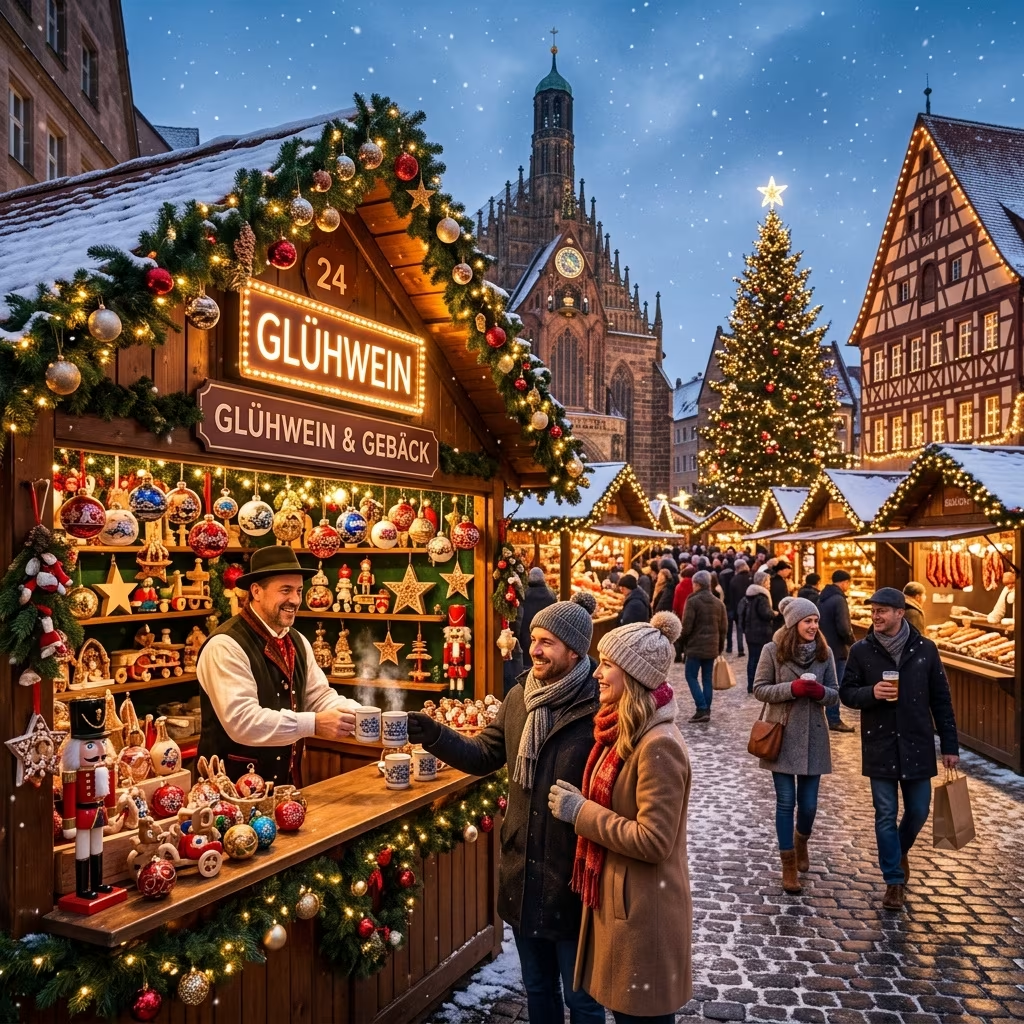
- Nürnberg (Nuremberg), Germany: Famous for its Christkindlesmarkt, this market fills the main square with over 200 wood-clad stalls, where handmade nutcrackers, gingerbread, and sizzling sausages entice the senses. With its old-world charm, strict avoidance of kitsch and plastic, and the annual awarding of the “Prune Man” trophy to the prettiest stall, Nürnberg’s market is a celebration of authenticity and tradition.
- Dresden, Germany: The Striezelmarkt, dating back to 1434, is among the oldest markets in the world. Its pyramids and stollen cake are legendary.
- Munich, Cologne, Heidelberg, and Frankfurt: These German cities each host spectacular markets of varying sizes and traditions.
- Switzerland: Zürich’s central train station is transformed by a towering, crystal-adorned tree, while Basel’s colorful market is beloved for its carnival rides and steam-powered locomotive for children.
- Austria: Vienna, Salzburg, and Innsbruck merge Baroque elegance with festive folkways.
- France’s Alsace: Strasbourg and Colmar offer French-German flavors amid half-timbered houses—aromatic cider and handmade ornaments abound.
- Northern Italy: Markets in Trento and other towns bring together Alpine and Italian Christmas flavors.
Elsewhere in Europe, the tradition has blossomed in both grand capitals and tiny mountain villages: from Zagreb to Copenhagen, Edinburgh to Prague, and Gdańsk to Helsinki, along with hundreds of small towns whose intimacy and warmth often leave a stronger impression than the biggest city squares.
Atmosphere: What Makes Christmas Markets Special?
Wander through any Christmas market and you’ll find yourself embraced by an enchanting atmosphere—a sensory tapestry of:
- Lights and decorations: Garlands, wreaths, and elaborate sound-and-light shows add a magical glow.
- Music and performances: Roving brass ensembles, choirs, and staged concerts fill the air with traditional carols and local anthems.
- Craftsmanship: Stalls overflow with meticulously crafted ornaments, hand-carved manger scenes, wooden figurines (like nutcrackers and incense ‘smokers’), candles, advent wreaths, and felted slippers.
- Community spirit: Friends and families gather, laughter mingling with the swirl of snowflakes and the warmth of shared joy.
Shopping: Treasures and Tips for Finding the Best Gifts
Christmas markets are ideal for finding handmade gifts and festive decor that you won’t see back home. Here’s how to make the most of your shopping experience:
- Ornaments and nativity sets: Hand-carved or blown-glass ornaments and intricate crèche figures celebrate local styles. Look for figurines representing regional folklore or daily life.
- Woolens and textiles: Scarves, socks, table linens, and mittens—many made by local artisans—offer both warmth and lasting memories.
- Edible gifts: Chocolates, marzipan, preserves, honey, liqueurs, gingerbread, and Lebkuchen spoil both the giver and receiver.
Shopping tips:
- Circle the market first—a “reconnaissance loop”—to take in all the options, prices, and special finds before you commit to the best souvenirs.
- Prioritize goods directly from artisans, especially vendors specializing in a single craft or food, for unique, high-quality keepsakes.
- Beware of stalls with mass-produced goods; true treasures are usually unique or available only at that market.
Food and Drink: A Festive Feast
No visit to a Christmas market would be complete without sampling its tasty traditions. Some perennial favorites include:
- Hot mulled wine (Glühwein): Europe’s answer to winter chills—served in collectible mugs (with a small deposit, refundable upon return).
- Bratwurst and sausages: German markets feature many kinds of sizzling sausages, sometimes on hearty rolls.
- Pancakes, waffles, and potato cakes: Warm, fresh, and often dusted with sugar, these are street food comfort at its best.
- Gingerbread hearts and Lebkuchen: Decorated with icing and messages, they are both delicious and decorative.
- Cheeses, jams, and roasted chestnuts: Local specialties to snack on or pack as edible souvenirs.
- Holiday sweets: Stollen, marzipan, and chocolate treats delight children and adults alike.
Tip: Keep small change handy for food stalls and mug deposits. Most vendors still prefer cash, though credit cards are increasingly accepted.
Special Experiences and Entertainment
While browsing and eating are central pleasures, many Christmas markets offer extra festive fun:
- Rides for children: Carousels, Ferris wheels, and occasionally charming miniature trains delight the youngest visitors.
- Live performances: Brass bands, choirs, and dance groups spread seasonal cheer and keep guests entertained.
- Workshops and demonstrations: Some markets let you watch (or participate in) the making of ornaments, candies, or even wooden toys.
Many towns also schedule events like parades, processions, nativity plays, and sound-and-light displays. It’s worth checking the local market’s website or information stand for schedules.
Planning Your Visit: Practical Tips
- When to go: Evenings are typically the busiest, especially on weekends, when the lights and music are most enchanting. For a quieter experience, visit on weekday afternoons.
- Admission: Most markets are open-air and free, though certain indoor venues or special events (like castle markets) may charge entry fees. Rides and performances may have extra charges.
- Weather: Dress in layers and wear waterproof shoes—European winters can be wet and chilly. Bring a collapsible shopping bag for spontaneous purchases.
- Safety: Crowds create prime environments for pickpockets, so keep valuables secure at all times.
- Facilities: Carry small change for pay-to-use restrooms. Market maps and toilet locations are usually well signposted, but lines can be long during peak times.
- Research: Most markets maintain up-to-date websites with opening dates, hours, vendor lists, event highlights, and special accessibility information.
Market Styles: Giant Squares and Intimate Alleys
Christmas markets vary in their setup and ambiance:
- Main-square markets: Grand but often crowded, these are ideal for those who enjoy lively energy and festive crowds.
- Multiple mini-markets: Some cities scatter several smaller markets across town, each with a unique theme or specialty—one for food, one for crafts, another for children’s entertainment.
- Village markets: Cozy and authentic, these are beloved for their tight-knit community feeling and unique regional customs.
Finding the Most Authentic Experience
If you’re looking for a less touristy, more personal experience:
- Seek out smaller towns or lesser-known city markets—often more atmospheric and less crowded than the famous big city squares.
- Look for locally made crafts and food, and take time to speak with vendors about their work and traditions.
- Plan to visit early in the season or during weekdays to experience a quieter, more leisurely atmosphere.
Frequently Asked Questions (FAQs)
Q: What are the must-try foods at a typical Christmas market?
A: Signature treats include hot mulled wine (Glühwein), grilled sausages, gingerbread, marzipan sweets, potato pancakes, roasted nuts, and regional cheeses. Many markets also sell traditions unique to their region, such as Stollen cake in Dresden or fondue in Switzerland.
Q: Are Christmas markets suitable for children?
A: Absolutely. Christmas markets cater to families with carousels, toy stalls, hands-on workshops, and even rides on miniature trains. Many towns feature events specifically for kids, such as puppet shows or gingerbread baking sessions.
Q: When are Christmas markets open?
A: Most markets open in late November and run through Christmas Eve, though some extend into early January. Each market publishes its own calendar, so check before you go.
Q: Do Christmas markets accept credit cards?
A: While credit cards are increasingly accepted, especially in larger cities, many vendors (especially in smaller markets) may accept cash only. Bring coins and small bills for mug deposits, snacks, and restrooms.
Q: Can I bring home food and drink from the markets?
A: Many items—such as chocolates, preserves, dried fruit, and cookies—travel well and make great gifts. Fresh foods (cheese, sausage) may face import restrictions or require refrigeration, so check guidelines for your destination before buying.
Table: Top Christmas Market Destinations by Country
| Country | City | Market Name / Highlight |
|---|---|---|
| Germany | Nürnberg | Christkindlesmarkt – Iconic old-world charm, nutcrackers, gingerbread |
| Germany | Dresden | Striezelmarkt – World’s oldest, known for Stollen cake |
| Switzerland | Zürich | Central Station Market – Modern style, giant crystal tree |
| Switzerland | Basel | Family-friendly with a historic, cozy atmosphere |
| Austria | Vienna | City Hall Market – Baroque beauty, classic Viennese traditions |
| France | Strasbourg | ‘Capital of Christmas’ – Mix of French-German traditions |
| Italy | Trento | North Italian Alpine flavors and crafts |
| Czech Republic | Prague | Old Town Square Market – Fairy-tale backdrop |
Conclusion: The Spirit of Christmas in Europe
Europe’s Christmas markets are living testaments to the power of tradition, community, and joy. Whether you go to shop for gifts, sample delicious foods, or simply soak up the warm atmosphere, these markets invite you to slow down, savor, and make memories that will last a lifetime. Layer up and embark on a festive adventure that draws from centuries of holiday cheer, and discover why, for so many, the true magic of Christmas is found outdoors, beneath a constellation of winter lights, in the heart of Europe’s towns and cities.
References
- https://www.ricksteves.com/watch-read-listen/read/articles/nuernbergs-christmas-market
- https://www.ricksteves.com/watch-read-listen/read/articles/christmas-markets
- https://www.ricksteves.com/watch-read-listen/video/tv-show/pledge-spe/european-christmas-pledge-special
- https://blog.ricksteves.com/cameron/2018/11/christmas-switzerland
- https://www.youtube.com/watch?v=1RqIPZx8ncQ
- https://community.ricksteves.com/travel-forum/france/i-don-t-understand-the-attraction-of-christmas-markets
- https://www.ricksteves.com/watch-read-listen/read/tms/christmas-in-europe-not-a-day-but-a-season