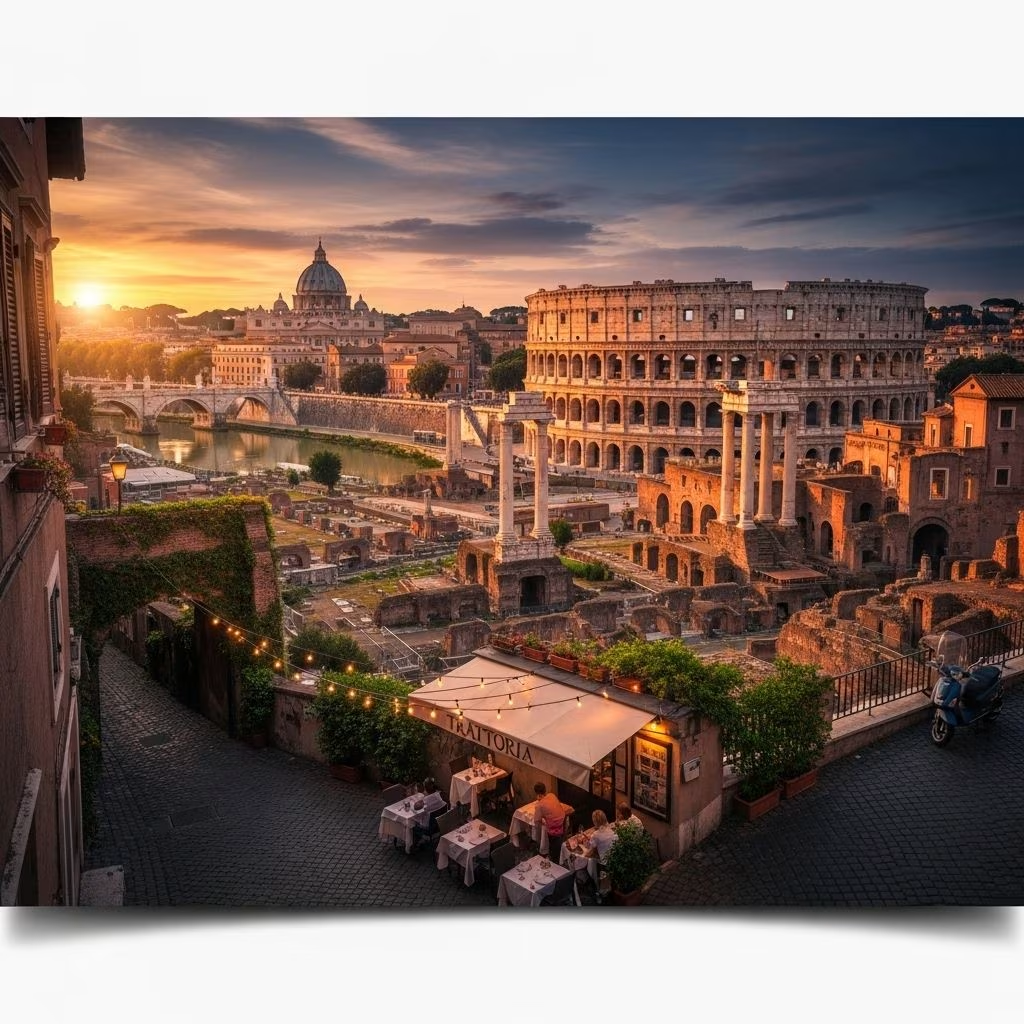
Rome in Seven Days: The Ultimate Itinerary for Every Traveler
Rome, the Eternal City, brims with a blend of ancient history, celebrated art, lively neighborhoods, and culinary delights. Whether it’s your first or fifth visit, a week in Rome offers enough time to immerse yourself in its grand monuments, intimate piazzas, religious centers, and vibrant street life. Follow this day-by-day plan to make the most of your time, combining classic highlights with local discoveries and flexible options.
How to Use This Itinerary
This itinerary is designed for flexible, energetic travelers eager to experience Rome’s diversity. Each day focuses on one or two main areas or themes, with tips for advance reservations, convenient transit, and possible alternatives. Reserve major attractions ahead where possible—tickets to the Colosseum and Borghese Gallery are essential, and the Vatican Museums warrant advance booking for shorter lines.
- All sites are accessible via Rome’s compact public transit, though much of the exploration is on foot; wear comfortable shoes.
- Adapt pacing based on your interests—art lovers might linger in galleries, while foodies shouldn’t miss Rome’s bustling markets and trattorias.
Day 1: Ancient Rome’s “Caesar Shuffle” and the Heart of Rome
Kicking off in Rome’s iconic archaeological zone, today’s route explores the essential monuments of Imperial and Renaissance Rome before ending among lively, romantic streets and squares.
- Colosseum – Step into the world’s most famous ancient arena. Booking tickets or a guided tour ahead is strongly advised for shorter waits.
- Roman Forum – Wander the political, commercial, and religious heart of the ancient city. Interpretive panels help decode ruins; consider a guide for deeper context.
- Capitoline Hill & Museums – Ascend Michelangelo’s elegant piazza and visit the Capitoline Museums, home to Rome’s best collection of classical sculpture and imperial portraits.
- Victor Emmanuel Monument – Enjoy a panoramic viewpoint over the old city; brave the glass elevator for sweeping vistas.
- Pantheon – Marvel at this perfectly preserved ancient temple turned church, renowned for its colossal dome and harmonious proportions.
- Evening: Heart of Rome Walk – Lose yourself in cobbled lanes. Rick Steves’ “Heart of Rome” route or audio tour connects gems like Piazza Navona, Piazza di Spagna, and the Trevi Fountain, perfect as dusk falls.
Day 2: Museums and the Characterful Jewish Ghetto & Trastevere
This day emphasizes Rome’s diverse heritage: archaeological treasures, the vibrant Jewish Quarter, and the bohemian charm of Trastevere, culminating with a memorable dinner in one of the city’s foodiest districts.
- National Museum of Rome (Palazzo Massimo) – Admire exquisite mosaics, frescoes, and sculptures that illuminate daily life in ancient times.
- Baths of Diocletian – Explore ruins of Rome’s largest ancient bath complex, a feat of engineering and social history.
(Arrive early to avoid crowds.) - Jewish Ghetto Walk – Stroll through the historic Jewish Quarter, absorbing its unique atmosphere, kosher bakeries, and the evocative Portico d’Ottavia.
- Trastevere Walk – Cross the Tiber for Trastevere’s medieval lanes, adorned with artisan shops, flower-filled balconies, and the magnificent Basilica di Santa Maria.
- Dinner in Trastevere – From classic trattorias to modern bistros, Trastevere offers some of the best dining in Rome. Try local specialties like carciofi alla giudia (Jewish fried artichokes).
Day 3: Vatican City – Art, Spirit, and the Dolce Vita Stroll
Dedicate your third day to Vatican masterpieces and Roman street life, balancing spiritual wonder and people-watching pleasures.
- St. Peter’s Basilica – Arrive early to minimize queues. Climb to the dome’s summit for an unforgettable panorama of Rome and the Vatican gardens.
- Vatican Museums – Home to the Sistine Chapel (Michelangelo’s triumph), the Raphael Rooms, and a rich array of classical antiquities and Renaissance treasures. Book ahead for timed entry.
- Passeggiata & Dolce Vita Stroll – As evening falls, join Romans in their beloved tradition of an early evening stroll. Start at Piazza del Popolo and meander down stately Via del Corso to Piazza Venezia, soaking in the shops, gelaterias, and street performances. End your day with sunset views atop the Victor Emmanuel Monument or nearby Capitoline Hill.
Day 4: Off the Beaten Path – Ostia Antica & Testaccio
For a day trip beyond the city center, experience the hush of archaeological ruins at Ostia Antica, and the authentic Roman life of Testaccio, with its bustling market and food culture.
- Ostia Antica – Rome’s ancient port city (closed Mondays), less crowded than Pompeii and just as evocative. Walk among temples, warehouses, baths, and mosaics. Easy train access from Rome.
- Testaccio District – On your way to or from Ostia, stop in Testaccio for one of Rome’s best food markets, lively at lunchtime. Visit the Monte Testaccio (a hill made entirely of ancient pottery shards) or enjoy a meal at a classic Roman trattoria. The area is famed for offal-based dishes and a salt-of-the-earth spirit.
- Evening: Campo de’ Fiori to Spanish Steps – If energy permits, revisit the center and stroll from lively Campo de’ Fiori to the Spanish Steps, taking in Rome’s vibrant nighttime scene.
Day 5: Art, Churches, and Pilgrims’ Rome
Today balances world-class Baroque art with the city’s top pilgrimage churches, offering a window onto Rome’s spiritual and artistic legacy.
- Borghese Gallery – Home to Bernini’s dynamic sculptures and Caravaggio’s paintings, this intimate museum requires advance reservations. The surrounding Borghese Gardens beckon for a pre- or post-visit stroll.
- San Giovanni in Laterano – The official cathedral of Rome and the Pope’s true church, with splendid mosaics and imposing baroque statuary.
- Santa Maria Maggiore – Renowned for its 5th-century mosaics, lavish gold ceilings, and relics of the Nativity.
- San Clemente – Descend through centuries of history, from a 12th-century basilica to earlier Christian and pagan sites below.
Day 6: Day Trip to Naples and Pompeii
Venture south for a change of pace and scenery: vibrant Naples, birthplace of pizza, and the astonishing ruins of Pompeii, frozen in time by Mount Vesuvius’ eruption.
- Travel by Train: High-speed trains make Naples accessible in about 70 minutes. From there, local trains continue to Pompeii.
- Naples – Sample authentic Neapolitan coffee and pizza; visit the archaeological museum for treasures from Pompeii and Herculaneum; or stroll the colorful Spaccanapoli district.
- Pompeii Archaeological Park – Walk Roman streets perfectly preserved under ash: villas with frescoes, theaters, baths, and haunting plaster casts of victims. Expert guides are worth considering for context.
- Note: If a full-day trip sounds daunting, consider focusing on Naples or selecting a guided day tour for hassle-free logistics.
Day 7: Choose Your Own Roman Adventure
Your final day is yours to customize. Whether you crave more antiquity, art, leisure, or shopping, Rome offers boundless options:
- Hadrian’s Villa (Villa Adriana) near Tivoli – Discover the vast, atmospheric ruins of Emperor Hadrian’s country estate, a UNESCO World Heritage Site, just outside Rome.
- Appian Way & Catacombs – Cycle or stroll along the storied Roman road, stopping at early Christian catacombs and the imposing tomb of Cecilia Metella.
- Castel Sant’Angelo – Explore this fortress-turned-museum with rich papal and imperial history, boasting memorable river and city views.
- Galleria Doria Pamphilj – An opulent private palace showcasing masterpieces by Caravaggio, Velázquez, and Titian among original family decor.
- Shop or Eat Like a Local: Dive deeper into Testaccio or Trionfale for food markets, or explore posh boutiques around Via Condotti.
- More Vatican: If you missed key sites, revisit the basilica or museums at a slower pace.
Frequently Asked Questions: Visiting Rome
Q: What’s the best way to get around Rome?
A: The historic center is compact and best explored on foot. For longer distances, Rome’s Metro, bus system, and taxis are convenient. Portions of the city are car-restricted (ZTL), so visitors should avoid driving.
Q: How can I avoid long lines at Rome’s top sights?
A: Book entry tickets in advance for the Colosseum, Vatican Museums, and Borghese Gallery. Aim for early morning visits or, in busy seasons, consider small group tours that include fast-track access.
Q: Is Rome safe for tourists?
A: Rome is generally safe, but beware of pickpockets in crowded areas and public transport. Guard your valuables, stay alert in busy squares, and avoid deserted streets at night.
Q: What should I wear when visiting churches?
A: Modest attire is essential in churches: shoulders and knees must be covered. Scarves or shawls are useful for improvised coverage.
Q: Are restaurants open late in Rome?
A: Dinner service typically begins around 7:30 pm. Many restaurants close by 11 pm; late-night snacks are best found in lively areas like Trastevere or around Piazza Navona.
Tips for Rome Visitors
- Book tickets and tours early: Rome’s most famous attractions require advance planning, especially in high season.
- Stay central: Accommodations in or near the historic center save you travel time and let you enjoy Rome’s magical evenings.
- Embrace la passeggiata: Join locals for the evening stroll—an essential slice of Roman life and people-watching.
- Sample regional cuisine: Don’t miss Roman specialties: cacio e pepe, amatriciana, supplì (fried rice balls), and Roman-style artichokes.
- Bring cash and cards: Credit cards are widely accepted, but some small cafes, markets, and taxis prefer cash.
Pacing and Physical Demands
- Expect extensive walking, with hills, stairs, and often uneven cobblestones. Sturdy footwear is vital.
- Rome’s sites can be crowded and require patience—early starts help beat crowds and heat.
- Prepare for variable weather: Rome is generally mild, but rain or heat can affect outdoor plans.
Summary Table: Rome in 7 Days
| Day | Main Focus | Highlights |
|---|---|---|
| 1 | Ancient Rome & Center | Colosseum, Forum, Pantheon, Heart of Rome walk |
| 2 | Museums & Neighborhoods | National Museum, Jewish Ghetto, Trastevere |
| 3 | Vatican City, Street Life | St. Peter’s, Vatican Museums, Dolce Vita stroll |
| 4 | Ostia Antica & Testaccio | Ancient port, local food market |
| 5 | Art & Churches | Borghese Gallery, Pilgrim churches |
| 6 | Naples & Pompeii | Historic Naples, Pompeii ruins |
| 7 | Flexible Exploration | Appian Way, Tivoli, more Vatican, shopping |
Before You Go
- Reserve entry to major museums and the Colosseum online in advance.
- Have euros for small transactions; many places accept cards, but some family-run businesses do not.
- Brush up on basic Italian phrases for greetings, directions, and menu items—it’s appreciated by locals.
- Verify opening days and hours: many museums close one day per week. Plan accordingly, especially for Ostia Antica (closed Mondays).
- Check local holidays and festivals that may affect transport and opening times.
References
- https://www.youtube.com/watch?v=Ra3h6yKLSq4
- https://www.ricksteves.com/europe/italy/rome-itinerary
- https://www.ricksteves.com/tours/italy/rome
- https://www.ricksteves.com/watch-read-listen/video/travel-talks/rome
- https://www.ricksteves.com/europe/italy/rome
- https://community.ricksteves.com/travel-forum/italy/itinerary-for-3-days-in-rome
- https://www.ricksteves.com/europe/italy/itinerary
- https://www.ricksteves.com/watch-read-listen/video/insiders-rome