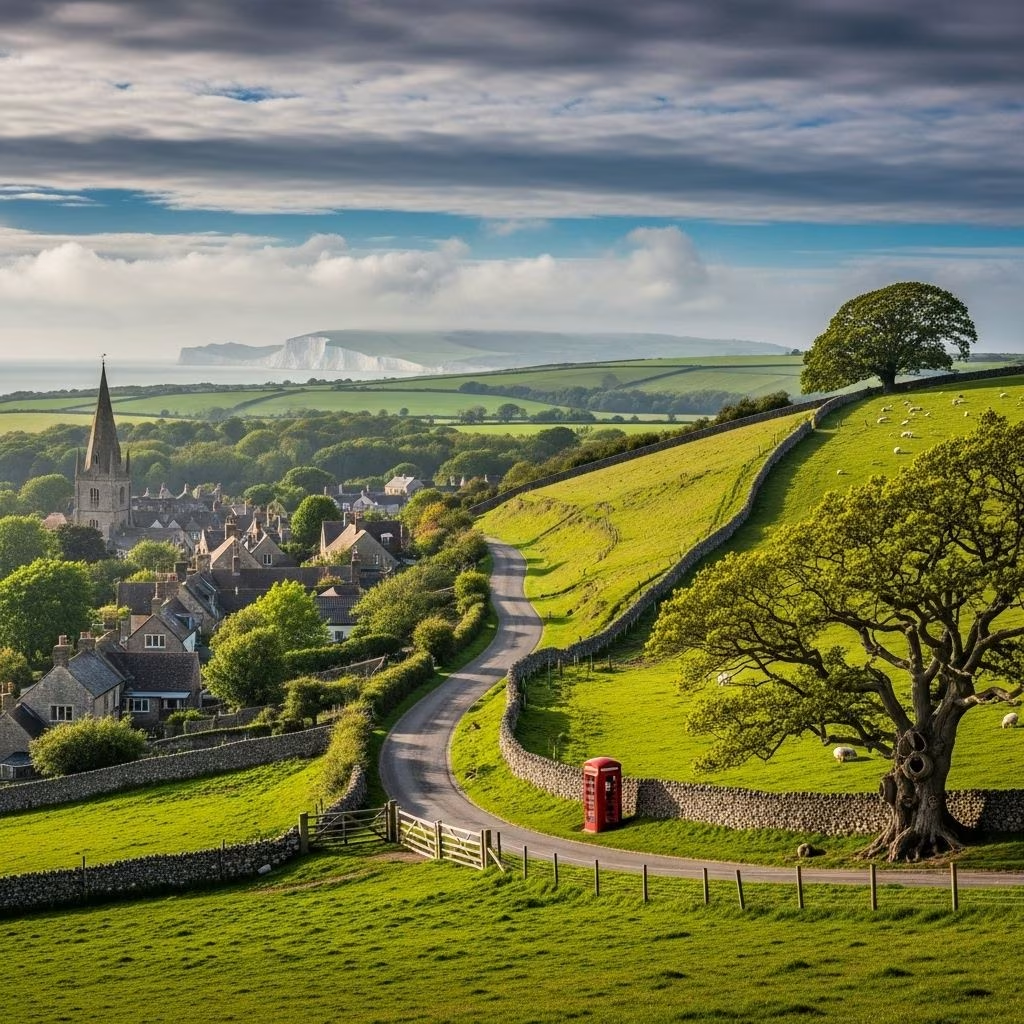
England Travel Guide: Destinations, Tips, and Cultural Insights
England captivates travelers with its seamless blend of history, rolling countryside, vibrant cities, and charming villages. Whether you are tracing the footsteps of literary giants in Oxford, exploring the mystical landscapes of Cornwall, or diving deep into London’s vibrant cultural scene, England offers a tapestry of experiences. This comprehensive guide delves into the must-see destinations, essential planning tips, insider advice, and rich culture, helping you make the most of your English adventure.
Why Visit England?
- Diverse Destinations: From bustling metropolises to serene moors, England’s variety excites every traveler.
- Rich History: Explore castles, cathedrals, stone circles, and medieval quarters that bring the past to life.
- Cultural Hub: England boasts world-class museums, theater, music, and literature.
- Culinary Scene: Sample everything from traditional pub fare and afternoon tea to innovative cuisine and local ales.
Top English Destinations
England is compact but packed with highlights, making it possible to experience a diverse array of attractions even on a shorter trip. Here are some of the most notable areas, each with their own character and treasures.
London and Its Surroundings
As the capital and heartbeat of England, London dazzles visitors with its blend of royal pageantry, famous landmarks, and modern vibrancy.
- Major Sights: Tower of London, Westminster Abbey, Buckingham Palace, Big Ben, British Museum.
- Neighborhood Walks: Explore Greenwich’s maritime history, stroll along the Docklands, or discover quirky markets in Camden and Notting Hill.
- Nearby Excursions: Windsor Castle’s regal heritage, punting in Cambridge, or the historic city of Canterbury.
West and Southwest England
Bath
Famed for its Georgian architecture and ancient Roman baths, Bath is a haven for history lovers and architecture enthusiasts. Enjoy a walking tour of the crescent streets, relax in the original Roman baths, or sip tea in a classic Regency setting.
Cotswolds
The Cotswolds offer quintessential English countryside, with stone cottages, thatched roofs, and flowering gardens. Picturesque villages like Chipping Campden, Stow-on-the-Wold, and Moreton-in-Marsh are perfect for leisurely exploration.
Cornwall & Devon
Home to rugged cliffs, sandy coves, and legendary castles, Cornwall and Devon are ideal for scenic drives and coastal hikes. Enjoy artistic St Ives, historic Penzance, and the untamed beauty of Dartmoor National Park.
Bristol, Glastonbury & Wells
- Bristol: Bustling port city with a vibrant arts are culinary scene.
- Glastonbury: Linked to Arthurian legend and renowned for its mystical atmosphere and famous music festival.
- Wells: England’s smallest city, featuring a breathtaking Gothic cathedral.
Stonehenge, Avebury & Salisbury
- Stonehenge & Avebury: Marvel at ancient stone circles and mysterious prehistoric sites.
- Salisbury: Visit Salisbury Cathedral’s soaring spire and see an original Magna Carta.
Central England
- Oxford: Famous for its university and golden-hued colleges, Oxford invites self-guided walks through storied libraries and along the River Isis.
- Blenheim Palace: A grand World Heritage site and birthplace of Winston Churchill.
- Stratford-upon-Avon: The birthplace of Shakespeare, rich with Tudor buildings and theaters.
- Warwick and Coventry: Home to medieval castles and cathedrals with fascinating wartime histories.
- Ironbridge Gorge: Explore the roots of the Industrial Revolution at world-class museums and the first iron bridge ever built.
Northern England
- Liverpool: Vibrant port city with Beatles heritage, maritime museums, and a thriving nightlife.
- Blackpool: Classic seaside entertainment, amusement piers, vintage trams, and a lively promenade.
- Lake District: England’s premier national park, renowned for its tranquil lakes, rugged fells, and poetic history—base yourself in Keswick, explore Ullswater, or hike through the South Lake District.
- York: A medieval city boasting a magnificent Gothic minster, winding streets, Viking history, and festive markets.
Northeast England
- Durham: UNESCO-listed cathedral city with a romantic riverside setting.
- Hadrian’s Wall: Walk alongside Roman-era stonework that once marked the edge of the empire.
- Beamish Museum: An open-air museum reconstructing life in northern England over the centuries.
- Northumberland Coast: Discover Holy Island (Lindisfarne) and the imposing Bamburgh Castle on windswept shores.
Planning Your Trip: Essential Tips
Successful English travel blends preparation with flexibility. Consider the following essentials when planning your itinerary:
- When to Go: Late spring to early autumn offers the best weather, lush landscapes, and vibrant festivals. For fewer crowds, opt for shoulder season (late April–June or September–October).
- Trip Length: A minimum of 10–14 days allows you to experience England’s diversity, with specialized itineraries for driving or using public transportation.
- Pre-Trip Checklist: Arrange passports, necessary visas, accommodation, and tickets for popular attractions well in advance.
- Festivals & Holidays: Watch for major events such as Wimbledon, Glastonbury Festival, and local fairs for unique experiences.
- Recommended Reading & Films: Prepare with English classics—from Austen and Shakespeare to recent period dramas—bringing settings to life ahead of your visit.
Itinerary Suggestions
- Three-Week By Car: Combine city stays with scenic drives in the Cotswolds, Cornwall, and the Lake District to experience rural charm and urban highlights.
- Three-Week By Train: England’s train network links major cities and picturesque regions efficiently; base yourself in hubs like Bath, York, and London for multifaceted day trips.
- 11-Day Southern England: Focus on the South’s castles, cathedrals, coastlines, and historic towns.
Travel Practicalities
Transportation
- Trains: The backbone of English travel—fast, frequent, and serving most destinations. Tickets are cheaper when booked in advance.
- Buses & Coaches: Cover towns not on train routes and are often cost-effective for regional travel.
- Driving: Ideal for exploring rural areas and the scenic countryside—remember to drive on the left!
- City Transit: All major cities feature efficient public transport, including London’s legendary Underground (Tube), buses, and taxi services.
Accommodations
- Hotels & Inns: Range from luxury to budget-friendly. Book early for best prices in popular areas.
- Bed & Breakfasts: Experience English hospitality in charming settings—from coastal towns to city neighborhoods.
- Self-Catering: Holiday cottages or apartments are excellent for families or longer stays.
Food and Drink
- Pubs: Enjoy favorites like fish and chips, pie and mash, and roast dinners paired with real ale or cider.
- Tea Rooms: Indulge in traditional afternoon tea with scones and cakes.
- Farmers’ Markets: Sample regional cheeses, pastries, and seasonal produce.
Money Matters
- The pound sterling (£) is England’s currency; cards are widely accepted.
- Carry some cash for rural pubs, markets, or transit in remote areas.
- Check your bank’s international transaction and ATM withdrawal fees.
Communication & Emergencies
- UK-plug adapters are needed for most devices (Type G socket).
- Wi-Fi is prevalent in cities, hotels, and public spaces.
- Emergency services: Dial 999 for police, fire, or ambulance.
Connecting with Local Culture
Engaging with England’s culture is essential for a memorable trip. Try these immersive experiences:
- Theater: Catch classic and modern productions in London’s West End or at Shakespeare’s Globe.
- Football: Attend a match or visit a stadium for a taste of local passion.
- Music & Festivals: England’s music scene thrives—from open-air concerts to cozy pub gigs.
- Walks & Cycle Paths: Explore urban parks, coastal cliffs, and riverbank trails—great for both city breaks and countryside escapes.
- Local Markets: Hunt for antiques, crafts, and fresh fare at weekly village and city markets.
A Brief Guide to English History, Language, and Customs
Understanding England’s background will enrich your travels:
- History: From prehistoric stone circles (Stonehenge, Avebury) to towering cathedrals and Norman castles, history is visible everywhere.
- Monarchy: Royal traditions remain prominent—witness changing of the guard or explore Windsor, Bath, and London’s royal heritage.
- Language Tips: British English has unique terminology—chips (fries), crisps (potato chips), lorry (truck). A British–Yankee vocabulary guide is helpful for American travelers.
- Manners & Etiquette: Queue patiently, greet with a polite “please” and “thank you,” and embrace understated British humor.
Self-Guided Walks and Museum Tours
- Follow thematic walking routes in Bath, London, York, Oxford, and more to get the most out of local history, architecture, and culture.
- Museum tours reveal priceless collections—from the British Museum and National Gallery to regional gems like York’s Railway Museum or Liverpool’s Maritime Museum.
Frequently Asked Questions (FAQs)
Q: How much time should I budget for an England trip?
A trip of 10 to 14 days allows you to explore both urban centers and countryside highlights; longer stays open up more regional depth and slow travel opportunities.
Q: Is it easy to travel around England without a car?
Absolutely. England’s train and bus systems are extensive, making it easy to connect cities and major towns. Rural and remote destinations may require driving or targeted tours.
Q: What are must-see sights for first-time visitors?
London’s iconic sites (Tower of London, Westminster Abbey), Bath’s Roman heritage, the Cotswold villages, Lake District scenery, and York’s historic charm are among the best for first-timers.
Q: When is the best time to visit?
Late spring through early autumn promises mild weather and lively cultural events, though England’s climate is variable and rain possible year-round.
Q: Do I need to tip in England?
Tipping is appreciated but not obligatory. In restaurants, 10–12.5% is typical if service isn’t included; rounding up small amounts at pubs and for taxi drivers is also common.
Resources and Further Reading
- Pack a detailed guidebook for self-guided walks, practical advice, maps, and cultural context.
- Consult up-to-date websites for festivals, transport, and local recommendations.
Essential Vocabulary Table
| British Term | American English Equivalent |
|---|---|
| Lorry | Truck |
| Holiday | Vacation |
| Chips | French fries |
| Boot (of car) | Trunk |
| Petrol | Gasoline |
| Biscuits | Cookies |
References
- https://store.ricksteves.com/shop/p/england-guidebook
- https://store.ricksteves.com/shop/p/best-england-guidebook
- https://www.ricksteves.com/tours/england/best-england-tour
- https://www.hachettebookgroup.com/titles/rick-steves/rick-steves-england/9781641716116/
- https://www.ricksteves.com/europe/england
- https://www.ricksteves.com/watch-read-listen/video/tv-show/southeast-england
- https://www.ricksteves.com/europe/england/itinerary
- https://www.ricksteves.com/watch-read-listen/video/tv-show/london-historic-and-dynamic
- https://www.youtube.com/playlist?list=PL7C576D3DE635344E