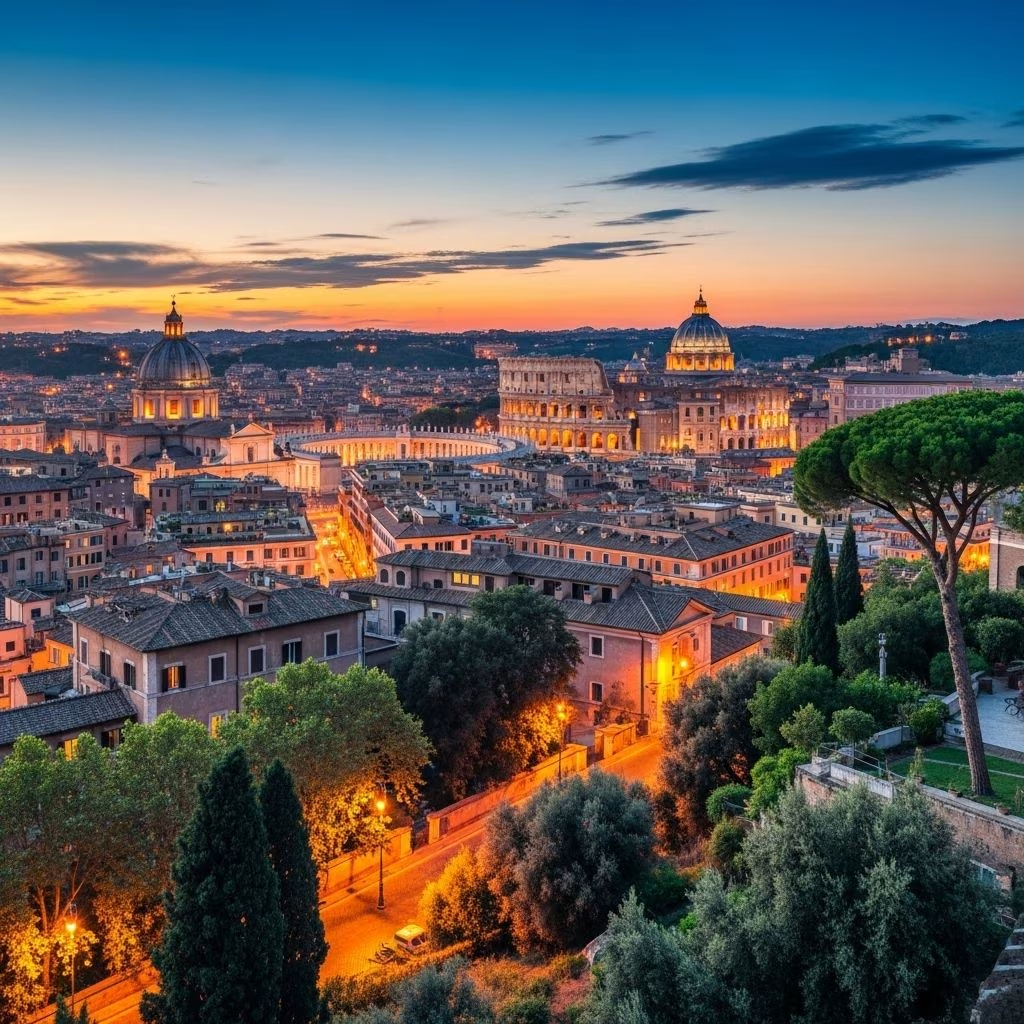
Rome: The Eternal City — A Complete Travel Guide
Ancient and ever-new, Rome stands as one of the world’s richest cities in art, history, religion, and culinary delights. This guide unveils all that awaits—from imperial ruins and Renaissance masterpieces to bustling piazzas and mouthwatering local cuisine. Whether you have one day or one week, here’s how to experience Rome’s timeless magic.
Planning Your Roman Adventure
Rome entices with its endless tapestry of sights and experiences. To make the most of your visit, consider these key planning essentials:
- When to Go: Rome is captivating year-round, but spring (April–June) and fall (September–October) offer the most comfortable weather with fewer crowds compared to midsummer.
- How Long to Stay: Even a whirlwind three days lets you see the essentials, but four to seven days affords deeper dives and rewarding side trips.
- Getting Around: Rome is navigable by foot, but the metro, buses, and trams help connect farther neighborhoods. Purchase transport passes for convenience, and be prepared for some uneven cobblestones and steep staircases.
- Skip-the-Line Tips: For major attractions such as the Vatican Museums and Colosseum, pre-booking tickets saves hours of waiting, especially during peak seasons.
Pre-Trip Checklist
- Reserve hotels well in advance, especially in popular districts.
- Book skip-the-line entries for the Colosseum and Vatican Museums.
- Pack comfortable shoes and adaptors for European plugs.
- Study a basic city map and key Italian phrases.
Essential Neighborhoods and Self-Guided Walks
Beyond the must-sees, Rome truly comes alive in its distinctive neighborhoods. Explore on foot with these immersive walks:
Heart of Rome Walk
Traverse the city’s iconic center, weaving through bustling piazzas, historic fountains, and vibrant streets. Start at the Pantheon, continue to the Trevi Fountain, Piazza Navona, and wander through winding alleys filled with gelaterias and boutiques.
Jewish Ghetto Walk
Delve into the city’s layered history in the centuries-old Jewish Ghetto. Discover kosher bakeries, the Great Synagogue, and timeless trattorias where Rome’s unique Jewish cuisine shines.
Trastevere Neighborhood Walk
Cross the Tiber to the charming Trastevere quarter, a labyrinth of narrow lanes, ivy-draped buildings, artists’ studios, and lively squares. This is the place for authentic Roman nightlife, rustic tavernas, and the golden mosaic-filled church of Santa Maria in Trastevere.
Ancient Rome: The Core of Western Civilization
Rome’s monumental ruins tell stories of empire, ambition, and artistry. These sites are essential for any itinerary:
- Colosseum: The world’s grandest surviving Roman amphitheater, hosting gladiator games and spectacles for nearly 2,000 years. Explore interiors, climb to tiered viewing levels, and envision the roar of ancient crowds.
- Roman Forum: Once the commercial, political, and spiritual heart of the empire, the Forum houses evocative remnants of temples, basilicas, and arches, all linked by the Via Sacra.
- Palatine Hill: Overlooking the Forum, the legendary birthplace of Rome and the former enclave of emperors’ palaces. Lush gardens offer a peaceful escape and breathtaking city views.
- Pantheon: Rome’s best-preserved ancient building, a marvel of architectural genius with a perfect hemispherical dome and serene interior flooded with light.
- Appian Way and Catacombs: Step outside the old walls for a walk on the original cobblestones of the Via Appia Antica, visit Rome’s mysterious underground catacombs, and see ancient aqueducts lining the landscape.
Vatican City: The Papal State
Seat of the Catholic Church and home to treasures of Western civilization, Vatican City is non-negotiable for any visit:
- St. Peter’s Basilica: Towering dome, jaw-dropping mosaics, Bernini’s ornate Baldacchino, and Michelangelo’s Pietà highlight this world-famous church. Don’t miss the climb to the dome for sweeping views.
- Vatican Museums & Sistine Chapel: A maze of galleries brimming with classical sculptures, renaissance masterpieces, and the jaw-dropping ceiling of the Sistine Chapel painted by Michelangelo.
Rome’s Top Museums
For lovers of art, archaeology, and history, a few world-class museums stand out:
- Borghese Gallery: Reservations required for access to a compact but spectacular collection, including Bernini sculptures and works by Caravaggio, Raphael, and Titian.
- Capitoline Museums: Perched on Michelangelo’s Capitoline Hill, these museums house treasures from ancient bronzes to Renaissance art and offer panoramic city views.
- National Museum of Rome: Four separate venues feature extraordinary antiquities, mosaics, frescoes, and coins spanning centuries.
Churches Beyond the Vatican
Rome is blessed with hundreds of historic churches, each with unique art and significance. Those on the “Pilgrims’ Rome” circuit include:
- San Giovanni in Laterano: The Pope’s official ecclesiastical seat, boasting ancient mosaics and relics.
- Santa Maria Maggiore: Marvel at the coffered ceilings, fifth-century mosaics, and ornate chapels.
- San Clemente: A time capsule with layered remains of ancient temples, medieval frescoes, and a stunning twelfth-century basilica.
Rome for Families and Food Lovers
Rome with Children
Rome can dazzle young travelers. Interactive museums, lush parks like the Villa Borghese Gardens, and ancient sites where imagination runs wild make it a family-friendly destination. Many pizzerias and trattorias cater to younger palates, and Roman gelato remains an irresistible treat for all ages.
Cuisine — Eat Like a Roman
Dining in Rome is a celebration of local flavors and time-honored traditions:
- Must-Try Dishes: Sample Roman classics like cacio e pepe (cheese and pepper pasta), carbonara, supplì (fried rice balls), and carciofi alla giudia (Jewish-style artichokes).
- Markets: Visit the Campo de’ Fiori market for fresh produce and lively scenes.
- Gelato: Try artisanal gelaterias for authentic flavors—avoid shops with neon colors and tall mounds.
Shopping, Nightlife, and the Roman Life
Shopping Districts
- Via del Corso: The city’s main shopping artery, lined with international brands and local boutiques.
- Piazza di Spagna area: High-end fashion and legendary Italian design houses.
- Campo de’ Fiori & Monti: Explore quirky shops, vintage finds, and artisanal crafts.
Nightlife and Passeggiata
As dusk falls, Romans engage in the passeggiata—a graceful evening stroll through glowing piazzas and lively bars. Trastevere and Piazza Navona buzz with energy, while the Spanish Steps and Trevi Fountain offer more romantic atmospheres.
Easy Day Trips from Rome
- Ostia Antica: Discover extensive Roman ruins and ancient mosaics in this port town, a short train ride away.
- Tivoli: The lavish gardens of Villa d’Este and the imperial ruins of Hadrian’s Villa captivate history and landscape lovers alike.
- Naples & Pompeii: Wander through Naples’ vibrant streets and take a guided visit of Pompeii’s haunting ancient cityscape. Accessible by high-speed train for a long, rewarding day.
Practicalities and Insider Tips
- Accommodations: Choose centrally located lodgings for easy access to top sights. Consider boutique hotels, family-run guesthouses, or vacation apartments for unique stays.
- Money and Safety: Credit cards are widely accepted, but cash is still needed for small purchases. Keep valuables secure and beware of pickpockets, especially near major tourist areas.
- Language: Italian is the local language, but English is commonly spoken in most tourist venues. Learning a few key phrases in Italian is always appreciated.
- Transportation: Rome’s transport system includes metro, bus, and tram lines. Taxis are plentiful but make sure they’re official (with a meter).
- Etiquette: Dress modestly when visiting churches. Greet shopkeepers with a polite “buongiorno” or “buonasera.” Tipping is not obligatory but rounding up or leaving small change is customary.
A Sample 7-Day Rome Itinerary
| Day | Highlight | Activities |
|---|---|---|
| 1 | Ancient Rome | Colosseum, Roman Forum, Capitoline Hill, Pantheon, Heart of Rome Walk |
| 2 | Historic Museums & Neighborhoods | National Museum, Baths of Diocletian, Jewish Ghetto Walk, Trastevere Walk, dinner in Trastevere |
| 3 | Vatican City | St. Peter’s Basilica, dome climb, Vatican Museums & Sistine Chapel, Evening Passeggiata |
| 4 | Day Trip | Ostia Antica, explore Testaccio or nightlife in Campo de’ Fiori-Spanish Steps corridor |
| 5 | Art & Pilgrims’ Churches | Borghese Gallery, San Giovanni in Laterano, Santa Maria Maggiore, San Clemente |
| 6 | Naples & Pompeii | Full day trip by high-speed train |
| 7 | Flexible | Hadrian’s Villa, Appian Way, E.U.R., Testaccio, Galleria Doria Pamphilj, Castel Sant’Angelo, shopping, or more Vatican time |
Frequently Asked Questions (FAQs)
Q: What are the absolute “must-see” sights in Rome for a first-time visitor?
A: Essential highlights include the Colosseum, Roman Forum, Pantheon, Vatican Museums and St. Peter’s Basilica, the Trevi Fountain, and the lively neighborhoods of Trastevere and Centro Storico.
Q: Is Rome a walkable city? Should I rely on public transportation?
A: While many sights are within walking distance, Rome’s size and hills mean you’ll occasionally want to use metro, buses, or trams—especially for farther zones like the Vatican, Ostia Antica, or Appian Way.
Q: Are reservations needed for Rome’s top museums and attractions?
A: Yes. Pre-book tickets for the Colosseum, Vatican Museums, and Borghese Gallery at minimum, particularly in high season.
Q: Is it safe to visit Rome?
A: Rome is generally safe, but watch for pickpockets—especially in crowded transport and tourist areas. Take basic precautions like keeping bags zipped and valuables close.
Q: What should I eat in Rome for an authentic experience?
A: Try local dishes such as cacio e pepe, amatriciana, Roman-style artichokes, pizza al taglio, and sample gelato daily from small artisanal shops.
Conclusion: Living la Dolce Vita
Rome isn’t just a city—it’s a feast for the senses that blends ancient majesty with modern vibrance. Savor its treasures, linger in its piazzas, and embrace the perpetual motion that makes the Eternal City unforgettable. The best way to experience Rome is to wander, savor, and let history, art, and daily life envelop you.
References
- https://store.ricksteves.com/shop/p/rome-guidebook
- https://www.ricksteves.com/europe/italy/rome-itinerary
- https://www.ricksteves.com/tours/italy/rome
- https://www.youtube.com/watch?v=Ra3h6yKLSq4
- https://www.ricksteves.com/watch-read-listen/video/travel-talks/rome
- https://www.ricksteves.com/europe/italy/rome
- https://community.ricksteves.com/travel-forum/italy/recommendations-for-a-rome-tour-guide
- https://www.ricksteves.com/watch-read-listen/video/insiders-rome