Stretching Out in the Italian Alps
The Italian Alps, particularly the breathtaking Dolomites, offer a dynamic blend of soaring limestone peaks, rolling alpine meadows, and vibrant local culture. For travelers seeking a mix of adventure, tradition, and stunning natural beauty, this region in northern Italy provides a playground that is both wild and welcoming. No matter your hiking experience or fitness level, the Dolomites make it easy to immerse yourself in mountain tranquility, hearty cuisine, and timeless customs.
The Magic of the Dolomites
Rising dramatically from the valleys in Italy’s South Tirol region, the Dolomites are a UNESCO World Heritage Site renowned for their jagged rock formations, storybook villages, and panoramic views. The region, shaped over centuries by a mixture of Italian and Germanic influences, feels distinct from other parts of Italy. Local dialects, bilingual signage, and cultural festivals are daily reminders of this unique heritage.
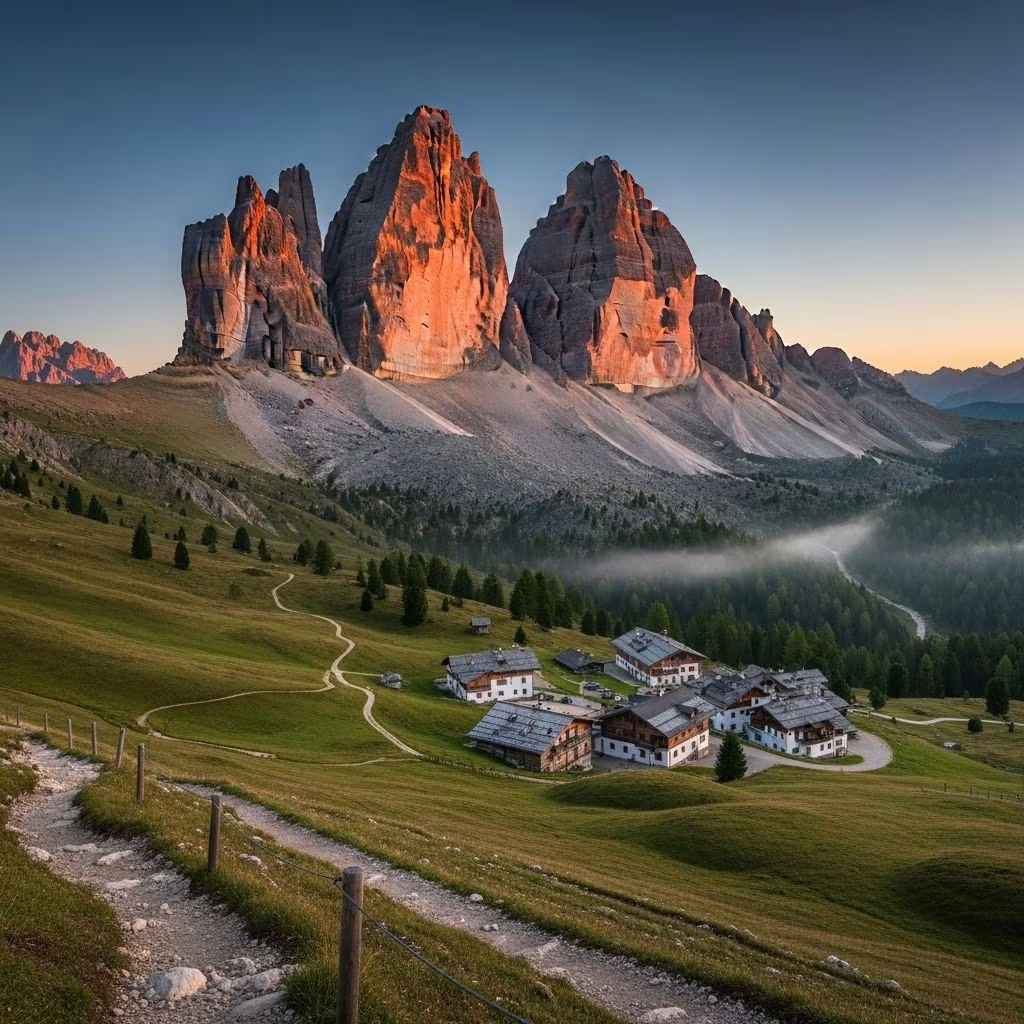
- Geology and Landscape: The Dolomites are named for the pale, mineral-rich dolomite rock that glows pink and orange at sunset. Peaks like Sassolungo and Schlern loom over lush meadows, dense forests, and mirror-like lakes.
- South Tirol’s Bilingual Character: Once part of Austria, today’s region retains its blend of Germanic roots and Italian flair. Expect menus in both languages and a proud local identity.
Exploring Alpine Villages: Where Cultures Meet
Village life in the Dolomites is as much of a reason to visit as the hiking itself. Towns like Ortisei (St. Ulrich/Urtijëi) and Kastelruth (Castelrotto) serve as gateways to adventure and showcase traditional Tirolean architecture, frescoed churches, and bustling markets. Festivals fill the streets with folk music, dancing, and locals sporting classic blue aprons—a symbol of their agricultural past.
- Kastelruth: A storybook village known for its wooden chalets, bell tower, and vibrant weekly markets. It sits at the foot of the Alpe di Siusi, Europe’s largest alpine meadow.
- Ortisei: Famed for artisanal woodcarving, Ortisei is surrounded by rolling pastures and offers quick access to cable cars ascending to high-altitude trailheads.
- Festivals & Traditions: Local bands in traditional attire—lederhosen, dirndls, and the practical blue apron—keep their history alive, bridging the old with the new.
Adventure for All: Hiking and Lifts in the Alps
Contrary to the myth that alpine travel is only for rugged mountaineers, the Dolomites make it accessible for everyone. An extensive network of modern lifts and cable cars does most of the steep climbing, depositing visitors at high-altitude starting points for hikes ranging from gentle strolls to challenging treks.
- Seceda Lift: In Ortisei, the Seceda gondola whisks you to trails with views of flower-filled meadows and the iconic jagged peaks.
- Alpe di Siusi (Seiser Alm): A vast, car-free plateau at 6,000 feet, this is the largest alpine meadow in Europe. It’s ideal for family walks, easy hikes, horseback riding, and wildflower spotting.
- Great Dolomites Road & Sella Pass: This scenic drive—also a favorite with cyclists—winds to the 7,000-foot Sella Pass, providing sweeping views and ample opportunities for triumphant photos.
| Lift/Trail | Type | Highlights |
|---|---|---|
| Seceda Lift | Gondola | Ridge walks, panoramic views, wildflowers, access to Ortisei |
| Alpe di Siusi (Seiser Alm) | Cable car, shuttle | Largest high meadow, easy walking, family-friendly |
| Sella Pass | Road, hiking trail | Sweeping views, cycling challenge, rock climbing base |
Alpine Comfort: Huts, Lodges, and Rest Stops
Gone are the days when mountain exploration meant hardship. Today’s Italian Alps are dotted with welcoming huts and cafes, called rifugi, that offer hikers everything from espresso to victory beers. These rest stops encourage travelers to slow down, soak their feet in cold alpine streams, and savor the moment.
- Rifugi: Simple yet comfortable, these mountain lodges serve homemade soups, strudels, and local cheese. Many offer overnight accommodation with warm hospitality.
- Local Cuisine: Expect hearty fare—dumplings, polenta, cured meats, and apple desserts—blending Austrian and Italian flavors perfectly suited to mountain appetites.
Hiking Tips for Everyone
Whether you’re a seasoned trekker or a casual walker, the Dolomites invite you to set your own pace. With trails for all abilities, the focus of this region’s hiking culture is on enjoyment and relaxation—not athleticism.
- You don’t need extensive gear or training to enjoy the trails. Modern lifts handle the climb, and itineraries can be as short or as long as you wish.
- Pack light: Lightweight shoes, layered clothing, a water bottle, and a camera are usually enough.
- Take breaks often; there are always huts or cafes nearby for refreshments.
- Soak up the tranquil scenery—alpine flowers, chirping marmots, and expansive views encourage you to slow down and savor each moment.
The Alpe di Siusi: Europe’s Largest Alpine Meadow
Spanning three miles wide and seven miles long, the Alpe di Siusi (Seiser Alm) is a gently undulating plateau set against a backdrop of Dolomite peaks. Most cars are restricted, so visitors arrive via cable car and explore by foot, bike, or horse. The meadow is a protected nature reserve, scattered with wildflowers and dotted by traditional farm huts.
- Family-friendly: The meadow’s gentle slopes and wide paths are ideal for families, retirees, and anyone seeking relaxation.
- Views: Panoramic vistas include the dramatic Sassolungo and Sasso Piatto peaks. On clear days, the views stretch across the Italian Alps.
- Legends: Locals tell tales of witches and spirits said to haunt the striking Schlern outcrop that towers over the meadow.
Nature and Culture: Keeping Traditions Alive
The Alps have always been a place where nature and tradition intertwine. Mountain farming persists alongside modern tourism, and community festivals remain an essential part of life.
- Folk bands: Young musicians in traditional dress play local tunes at markets and festivals.
- Agriculture: Haymaking continues on the slopes; cows dot the pastures; rustic wooden barns are still in use.
- Festive spirit: Celebrations marked by costume parades and Tirolean songs help maintain community identity and pass down cherished stories.
Accessible Adventure: Who Can Enjoy the Alps?
You don’t have to be a hardcore athlete to stretch out in the Italian Alps. The region’s infrastructure is designed for accessibility and enjoyment for all ages and levels of experience.
- Lifts and cable cars do the heavy lifting, making high alpine scenery easy to reach.
- Paths and signage are well maintained, with many English speakers in the service and tourism sector.
- There’s always an inviting hut nearby for a rest, a hot drink, or a celebratory drink after a memorable climb.
Practical Tips for Visiting the Italian Alps
- Best times: Summer (June–September) is ideal for hiking, wildflowers, and festivals. Winter offers world-class skiing and snowshoeing.
- Transportation: Major villages are linked by public buses and trains. Renting a car provides flexibility for exploring smaller valleys.
- What to pack: Layered clothing for changing weather, robust walking shoes, sunscreen, and a hat. Water bottles and light snacks—most trails have refreshment huts, but high-alpine weather can change rapidly.
- Language: Italian and German are both spoken (plus Ladin in some valleys), but English is widely understood in tourist areas.
- Respect the environment: Stick to marked trails, don’t pick wildflowers, and be sure to carry out your trash.
Frequently Asked Questions (FAQ)
Q: Do I need to be an experienced hiker to enjoy the Dolomites?
A: No. Thanks to lifts, clear signage, and well-maintained trails, travelers of all fitness levels and hiking experience can find trails to match their pace and interest.
Q: When is the best time to visit the Italian Alps?
A: The peak hiking season runs from late spring to early fall (June to September), when trails are clear of snow and wildflowers bloom. Skiers prefer winter months, December to March.
Q: Are the regional villages welcoming to non-Italian speakers?
A: Yes, most service staff in popular villages speak some English, and signage often includes German and Italian. A few words in Italian or German are always appreciated.
Q: What kind of food can I expect in the Dolomites?
A: Cuisine blends hearty Tirolean dishes (like dumplings and sausage) with Italian pastas, polenta, and apple desserts. Mountain lodges and hut restaurants highlight local cheeses, cured meats, and seasonal produce.
Q: How do I access the Alpe di Siusi meadow?
A: Private cars are restricted, so most visitors use the cable car from Siusi or Ortisei to Compatsch, the central hub. From there, trails and shuttle buses make the plateau easy to explore.
Conclusion: The Lasting Allure of the Dolomites
The Italian Alps, and especially the Dolomites, promise a combination of wild scenery, cultural richness, and accessible adventure found nowhere else. Whether you are ambling along a flower-dusted path or sharing a toast in a wooden hut, this region reminds every visitor to slow down and savor each moment—making lasting memories high above the valleys below.
References
- https://www.ricksteves.com/watch-read-listen/video/tv-show/alps
- https://www.ricksteves.com/watch-read-listen/video/tv-show/austrian-and-italian-alps
- https://www.youtube.com/watch?v=6f6VGHNbmXs
- https://www.ricksteves.com/watch-read-listen/read/articles/stretching-out-in-the-italian-alps
- https://www.ricksteves.com/watch-read-listen/read/articles
- https://community.ricksteves.com/travel-forum/italy/dolomites-reality-check-some-thoughts
- https://www.ricksteves.com/europe/italy