Edinburgh: Scotland’s Timeless Capital
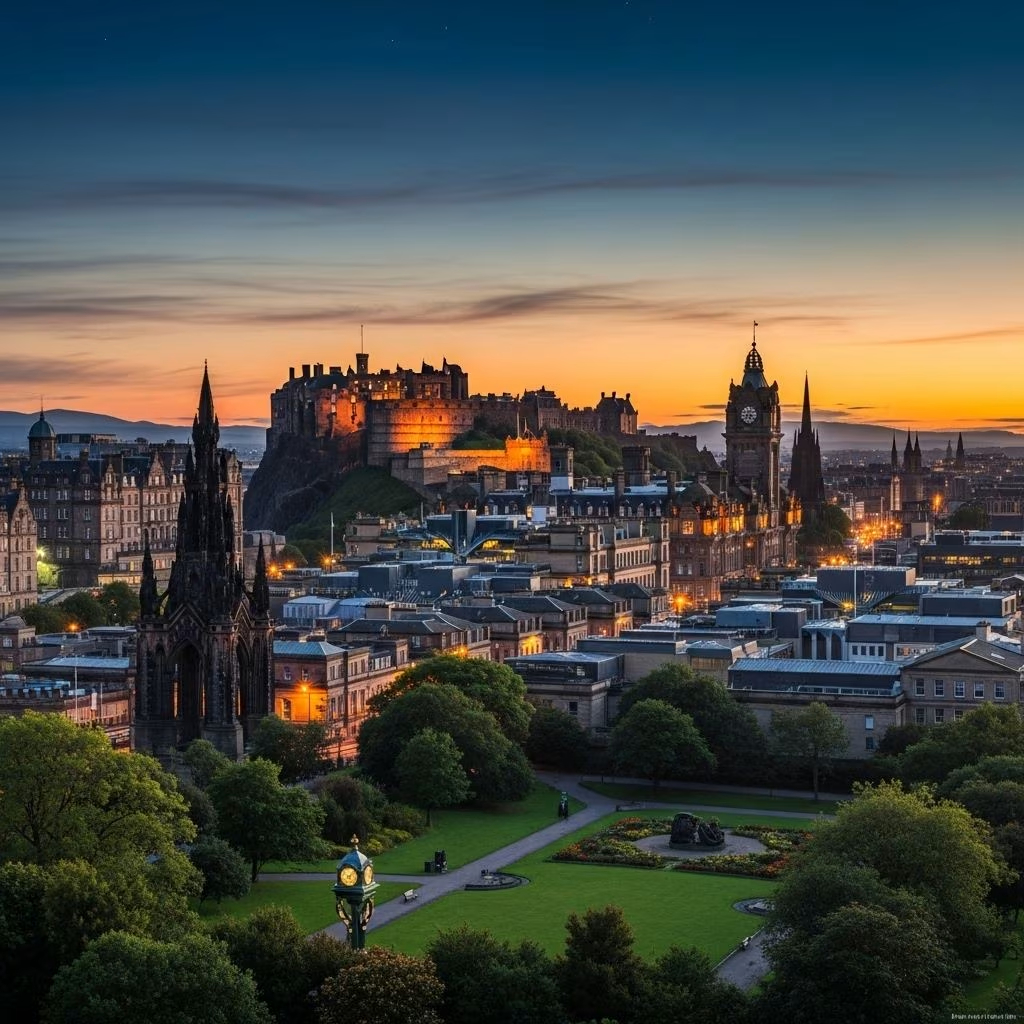
Edinburgh stands as Scotland’s cultural, historical, and political capital—a city where medieval grandeur and Georgian elegance mingle with contemporary verve. Dominated by its iconic castle atop a volcanic rock, Edinburgh offers a vibrant blend of royal heritage, literary tradition, scenic walks, and world-famous festivals. Whether you’re a first-time visitor or a frequent explorer, this guide covers the essential sights, experiences, and practical tips for making the most of your trip to Scotland’s unforgettable capital.
The Essence of Edinburgh
- Atmospheric Streets: Edinburgh’s dramatic architecture and winding alleys evoke centuries of history.
- Cultural Heart: Home to renowned museums, celebrated writers, and lively artistic events.
- Historic Split: The city divides into two distinctive halves—the medieval Old Town and the elegant Georgian New Town.
- Festivals and Nightlife: From world-class festivals to cozy pubs, the city buzzes day and night.
Edinburgh’s Top Sights and Experiences
- Edinburgh Castle: Overlooking the city, this fortress has been the birthplace and epicenter of Scotland’s history for over a millennium.
- Royal Mile: One of Europe’s greatest walks, it connects the castle to the Palace of Holyroodhouse, lined with historic landmarks, vibrant shops, and inviting pubs.
- The National Museum of Scotland: Exhibiting legendary figures and artifacts from Scottish history, a must-see for culture enthusiasts.
- New Scottish Parliament: A striking modern building symbolizing Scotland’s independent spirit.
- Scott Monument: A towering tribute to Sir Walter Scott with panoramic city views after a climb up 220 steps.
- Royal Yacht Britannia: The late Queen Elizabeth II’s former floating palace, now open to visitors just outside the city center.
- Scotch Whisky Experience: An engaging introduction to the craft and lore of Scotland’s most famous beverage.
- Literary Pub Tours: Guided walks through Edinburgh’s pubs, celebrating its world-famous writers and lively social scene.
Exploring Edinburgh’s Neighborhoods
The city’s layout splits distinctly into:
- The Old Town: Characterized by medieval tenements, narrow lanes (called closes), and atmospheric squares. The Royal Mile forms its backbone, with centuries-old buildings and hidden courtyards beckoning exploration.
- New Town: Boasting Georgian townhouses and grand squares like Charlotte and St. Andrew Square, this area represents Enlightenment ideals and modern Scottish style. Wide streets like Princes Street and elegant gardens set the scene for cosmopolitan living.
Table: Edinburgh Old Town vs. New Town Highlights
| Old Town | New Town |
|---|---|
| Narrow alleys, medieval tenements | Elegant Georgian squares |
| Royal Mile, St. Giles’ Cathedral | Princes Street, Edinburgh Gardens |
| Historic pubs, literary sites | Upscale shopping, chic cafés |
Edinburgh Castle: The City’s Crown Jewel
Perched atop Castle Rock, Edinburgh Castle dominates both skyline and Scottish history. Once a royal residence and fortress, it’s now a popular tourist attraction revealing the roots of Scotland’s monarchy, military, and mythic tales. Visitors tour grand halls, ancient chapels, and see the Honours of Scotland—the nation’s crown jewels—amidst sweeping city views.
Strolling the Royal Mile
The Royal Mile offers a leisurely walk through centuries of legend, drama, and urban buzz. Highlights include:
- Gladstone’s Land: A well-preserved 17th-century tenement, with costumed guides depicting historic daily life.
- St. Giles’ Cathedral: The spiritual heart of Edinburgh, with striking stained glass and medieval architecture.
- Writers’ Museum: Set in Lady Stair’s House, showcasing memorabilia from Scotland’s literary giants, including Robert Burns, Sir Walter Scott, and Robert Louis Stevenson.
- Side Streets and Closes: Explore labyrinthine alleys leading to hidden gardens, atmospheric squares, and quirky shops.
- Palace of Holyroodhouse: The official residence of the monarch in Scotland, marking the end of the Royal Mile.
Notable Museums and Attractions
- National Museum of Scotland: Features exhibits on Scottish innovations, natural history, and cultural artifacts.
- Camera Obscura: Five floors of optical illusions, light play, and the city’s finest panoramic viewpoint at the top.
- Royal Yacht Britannia: A unique look into royal life, the Britannia once hosted dignitaries and the Queen herself. Now open for public tours, it’s a short trip from the city center.
- Scotch Whisky Experience: Visitors take a barrel ride through the whisky-making process, sample varieties, and learn about traditions that define Scottish identity.
Edinburgh’s Literary Tradition
Scotland’s capital boasts a rich literary heritage. Discover it through:
- Writers’ Museum: Manuscripts, personal effects, and rare books from Scotland’s celebrated authors.
- Scott Monument: Dedicated to Sir Walter Scott, this Gothic spire is a visible tribute to his profound impact on Scottish and global literature.
- Literary Pub Crawls: Guided tours through storied pubs, weaving tales of writers like Robert Burns and Sir Walter Scott.
Where to Eat, Drink, and Socialize
- Classic Pubs: Try local ales and wide whisky selections at favorites like Leslie’s Bar, with its Victorian interiors and expert staff.
- New Scottish Cuisine: Sample modern dishes blending local produce with innovative flair—look for cozy bistros and upscale restaurants offering everything from seafood to venison.
- Café Culture: Independent coffee shops and bakeries abound, perfect for a midday rest or people-watching.
Getting Around and Practical Tips
- Transportation: Buses and taxis efficiently connect Edinburgh’s attractions, with frequent service throughout the city.
- Walking: The city’s compact center is best explored on foot. Self-guided walking tours are an excellent way to see both Old Town and New Town highlights.
- Planning: Avoid ticket lines by pre-booking popular sites. Plan visits early or late in the day to maximize time and avoid crowds.
- Maps: Downloadable and printed maps are readily available to help you navigate the city’s winding streets.
- Money & Emergencies: Most venues accept cards; keep cash for smaller shops and buses. Know emergency numbers and local contacts.
Table: Edinburgh Travel Essentials
| Essentials | Details |
|---|---|
| Local Currency | Pound Sterling (£) |
| Public Transport | Bus network, taxis, tram (to airport) |
| Language | English; some shops welcome Scots Gaelic |
| Climate | Mild summers, damp winters; pack layers |
| Emergency | Dial 999 for police, ambulance, or fire |
Day Trips and Local Excursions
- Nearby: Venture to Rosslyn Chapel—a masterpiece of medieval stonework, or the picturesque coastal villages of East Lothian.
- Beyond: Add excursions to Glasgow for vibrant modern art, or the Highlands for wild natural beauty.
Culture, History, and Traditions
Edinburgh’s story unfolds in grand palaces and quiet tenements. Once medieval powerhouse, the city became an Enlightenment beacon, home to philosophers and architects who shaped modern Scotland. Today, centuries-old festivals still thrive, including the world-famous Edinburgh Festival Fringe and Hogmanay celebrations. Delve into:
- Ancient Customs: Annual festivals celebrate Scottish music, dance, and folklore.
- Modern Scottish Identity: Discover contemporary art, political debate, and the diversity of today’s city dwellers.
- Unique Architecture: From fortress-like castles to graceful Georgian squares, Edinburgh’s buildings narrate its evolution.
Recommended Walking Tours
- Self-Guided Royal Mile Walk: Start at Castle Hill, stroll past St. Giles’ Cathedral, visit Gladstone’s Land, and finish at the Palace of Holyroodhouse. Enjoy stops at inviting cafés and discover quirky sights along the way.
- Bonnie Wee New Town Walk: Meander from Princes Street and its gardens through elegant squares, soaking in the Enlightenment-era atmosphere.
Best Places to Stay
- Old Town: Ideal for history buffs, with charming guesthouses and boutique hotels.
- New Town: Upscale hotels and apartments close to restaurants, shopping, and transport links.
- Neighborhoods: Consider staying near the university for youthful energy or Leith for waterfront vibes.
Practical Travel Advice
- Reserve Early: Hotels and popular attractions fill quickly during festival season—book ahead!
- Pack for Weather: Edinburgh’s weather is famously changeable; layer up and bring a rain jacket.
- Tokens and Souvenirs: Take home tartan goods, local crafts, and a bottle of single malt whisky.
- Respect Local Etiquette: Scots are friendly and direct—return the warmth!
Frequently Asked Questions (FAQs)
Q: What is the best time to visit Edinburgh?
A: Edinburgh shines year-round, but summer offers mild weather and the city’s biggest arts festivals, including the Festival Fringe. Spring and autumn bring lighter crowds and colorful scenery.
Q: Are main attractions in walking distance?
A: Yes, Old Town and New Town are compact and walkable. A few outlying sights, like the Britannia, are reached easily by bus or taxi.
Q: Is Edinburgh suitable for families and children?
A: Absolutely. Attractions like the castle, Camera Obscura, interactive museums, and city parks make Edinburgh welcoming for all ages.
Q: How is the nightlife?
A: Edinburgh boasts lively pubs, chic bars, theater venues, and frequent music performances, especially during festival season.
Q: What local foods should I try?
A: Don’t miss haggis, fresh seafood, scones, and a dram of Scotch whisky. Many venues offer modern takes on traditional Scottish fare.
Final Tips: Make Your Edinburgh Trip Unforgettable
- Begin your adventure with a castle tour and end with a stroll on the Royal Mile.
- Reserve time for museums, literary sites, and the legendary whisky experience.
- Meet locals in classic pubs, join a literary pub tour, and enjoy a view from atop Scott Monument.
- Use self-guided walks to uncover hidden corners and vibrant street life.
- Embrace both the ancient charm and modern energy that define Edinburgh.
References
- https://www.youtube.com/watch?v=8Mp9-NJDSEw
- https://store.ricksteves.com/shop/p/edinburgh-guidebook
- https://www.ricksteves.com/watch-read-listen/video/tv-show/edinburgh
- https://www.ricksteves.com/watch-read-listen/video/travel-talks/edinburgh-glasgow
- https://www.ricksteves.com/watch-read-listen/read/articles/edinburgh-royal-mile
- https://www.ricksteves.com/europe/scotland/edinburgh
- https://community.ricksteves.com/travel-forum/tours/edinburgh-434bbc7a-9c1d-4ee3-8a99-ddc1bbe020b1
- https://www.ricksteves.com/watch-read-listen/video/travel-talks/scotland-guide
- https://www.ricksteves.com/watch-read-listen/read/articles/beyond-the-royal-mile