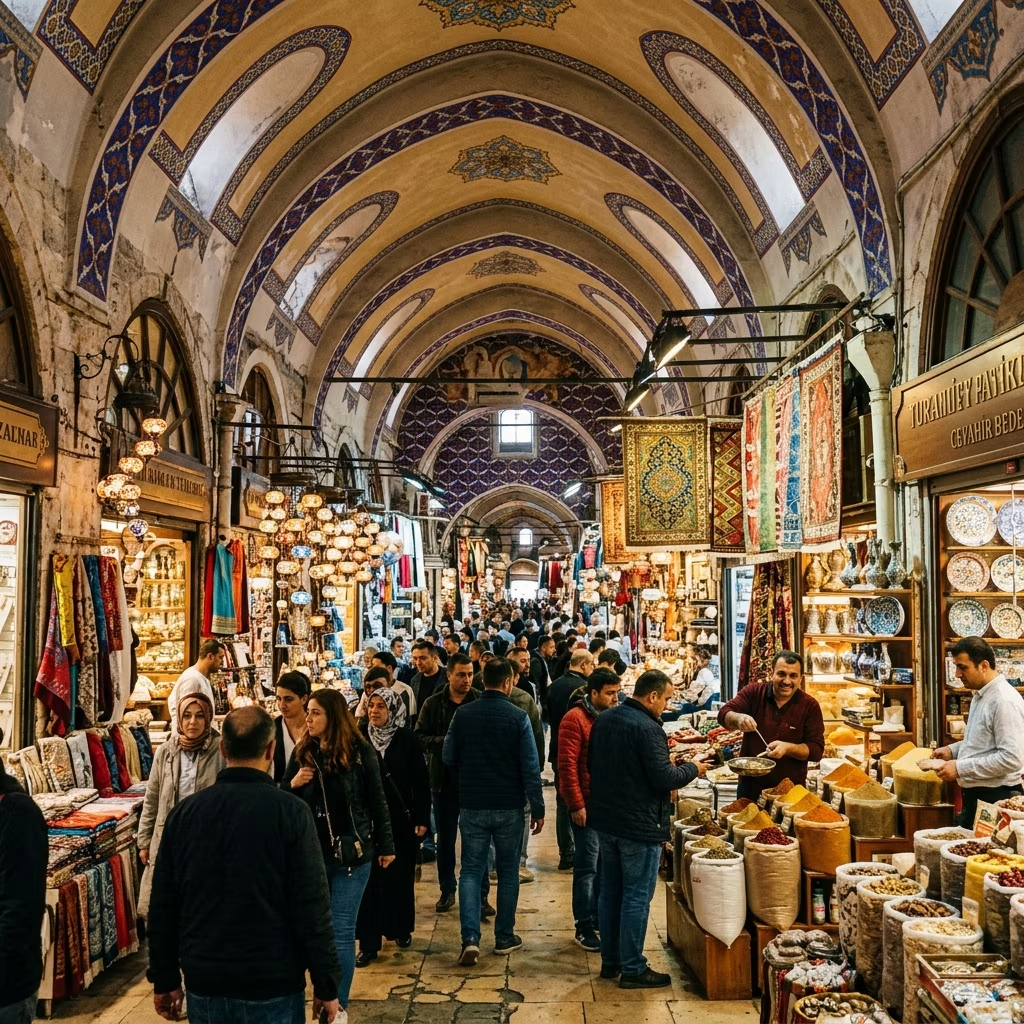
Istanbul’s Grand Bazaar: The Heartbeat of a Timeless Market
Diving into the bustling heart of Istanbul, the Grand Bazaar (Kapalı Çarşı) stands as one of the world’s oldest and most vibrant marketplaces. With a history stretching back to the glory days of the Ottoman Empire, it lures both locals and visitors with a dazzling array of shops, crafts, and historic echoes. This labyrinthine complex is more than just a center of commerce – it’s a living heritage, echoing with stories and traditions that have shaped Istanbul’s soul.
Tracing the Bazaar’s Storied Past
The Grand Bazaar was established in the 15th century after the Ottoman conquest of Constantinople. What began as a series of bedestens – robust, domed commercial buildings dedicated to trading valuables – eventually blossomed into a sprawling network of more than 4,000 shops. In its heyday, the Bazaar was the powerhouse of trade for the Ottoman Empire, guarded fiercely every night and pulsing with the energy of global commerce. Goods from across Europe, Asia, and Africa found their way into these stone passageways, defining Istanbul’s reputation as a cultural and economic crossroads.
- Its name, Kapalı Çarşı, literally means “Covered Market,” reflecting the distinctive vaulted ceilings and arcaded halls that form its architectural backbone.
- Each alley and corner historically specialized in specific crafts, leading to evocative names like “Hatmakers’ Street” and “Master of All Eunuchs Alley.”
- From the Byzantine period through the Ottoman era, and even into modern times, the Bazaar remained integral to the city’s economic life.
The Labyrinth: Shops, Streets, and Bedestens
The Grand Bazaar is a mazelike warren of shops and passageways, its labyrinthine design confusing and tempting explorers. Visitors often find themselves dodging carts brimming with produce, sidestepping streams of shoppers, and following winding alleys into quieter nooks away from the tourist crowds.
- Bedestens: These ancient commercial centers are still the backbone of the Bazaar. The Sandal Bedesten, dating to the late 15th century, remains one of the oldest.
- Hatmakers’ Street (Kalpakçılar Caddesi): Historically assigned to specific crafts, many of these streets now host jewelry display cases in place of hat racks, reminding visitors of the evolving nature of trade.
- Hans: Small courtyards surrounded by workshops, known as hans, specialize in trades like silversmithing. The Kızlarağası Han is one such enclave still preserving artisan traditions.
Echoes of Tradition: Markets, Merchants, and Gold
The Bazaar thrived as the Ottoman Empire’s “world trade center,” with both practical wares and exotic marvels lining its halls. Over time, international travelers flocked to experience its unique Oriental market atmosphere, changing the economic balance within. Rents rose, and many small shopkeepers relocated to the fringe areas, making way for souvenir and carpet shops geared toward tourists.
| Tradition | Modern Adaptation |
|---|---|
| Dedicated craft districts | Tourist-focused souvenir shops |
| Small, artisanal workshops (hans) | Factory-made products and imported gifts |
| Currency brokers in alleyways | Tourist-oriented services (guides, exchanges) |
The Allure of Gold: More Than Mere Ornament
Jewelry stores dominate much of the Grand Bazaar, a testament to the enduring Turkish love for gold. Yet gold is valued not only for its beauty – it is seen as a practical investment, a defense against currency devaluation. Gold jewelry, especially simple 22-carat bracelets, serves as both an accessory and a form of family savings.
- Gold is a traditional gift at weddings, circumcisions, and important celebrations. The bride’s family receives gold bracelets as a condition of marriage in some regions.
- Women often wear multiple gold bracelets, symbolizing their family’s wealth and security – truly “wearing savings on their sleeve.”
- 22-carat gold is preferred, as 24-carat is too soft for daily wear.
Craftsmanship and Workshops: A Dying Breed?
In the less-traveled han courtyards and alleys, visitors will encounter the true artisans – master smiths who melt, hammer, and shape gold and silver. Ayhan, a goldsmith in Kızlarağası Han, exemplifies such tradition. His work is physically demanding, carried out in sweltering heat among sooty furnaces. In one memorable encounter, visitors watch Ayhan melt gold fragments, pour them, cool, and shape them into bricks, before sending them to shops for final touches.
These artisan workshops perform critical roles:
- Providing quick adjustments, repairs, or customizations for goods sold in shops.
- Maintaining heritage crafts, passing skills down through generations.
- Supporting the Bazaar’s reputation for authenticity and quality.
However, high rents and commercialization threaten their existence. As workshops are forced out, replaced by generic import shops, the Bazaar risks losing its unique identity and becoming merely a tourist mall.
Bazaar Life off the Beaten Path
Beyond the crowded main drags, the Bazaar reveals another world. Alleys echo with animated calls of currency brokers, trading euros, dollars, and Turkish lira in a flurry reminiscent of a poor man’s Wall Street. In quieter hans, the aroma of melting metals mixes with the sound of craftsmen at work, offering a glimpse into the Bazaar’s living soul.
- Boisterous brokers and tradesmen keep economic traditions alive.
- Artisan communities sustain crafts and personal relationships between customers and makers.
- Local buyers and sellers coexist with international shoppers, lending authenticity to the Bazaar’s daily life.
Visiting the Grand Bazaar: What to See and Do
Visitors navigating the Grand Bazaar will encounter much more than shops. The experience is sensory and immersive: heat from electric bulbs, the hum of conversation, and the sparkle of wares create a vibrant atmosphere. Both the obvious and hidden gems reward curiosity and patience, especially for those willing to venture beyond the busy main streets.
- Popular items: Hand-painted ceramics, carpets, embroideries, antiques, spices, leather goods, and more.
- Shopping Tips: Prices can be high on the main drag; wandering into smaller alleys often yields better deals and more authentic encounters.
- Window shopping: The Bazaar is a feast for the eyes, with colorful displays inviting even casual onlookers.
- Haggling: Bargaining is expected; shopkeepers relish the process when approached respectfully.
For those seeking genuine craft, a visit to one of the hans provides insight into old processes and personal stories. Meeting artisans such as Ayhan can transform an everyday shopping trip into a lasting memory.
Grand Bazaar FAQ
What is the Grand Bazaar’s historical significance?
The Grand Bazaar was once the central trade hub for the Ottoman Empire, influencing commercial routes between Europe, Asia, and Africa. It remains one of the largest and oldest covered markets in the world.
Is the Grand Bazaar only for tourists today?
Although the main thoroughfares cater to international visitors, hidden corners and quieter alleys still serve locals and traditional craftsmen. Exploring beyond the busy entrances reveals the Bazaar’s authentic side.
Why is gold so important in Turkish culture?
Gold serves as both ornament and investment. Given previous devaluations of Turkish currency, gold has become central to family wealth, traditions, and ceremonial gifts.
Can you still find genuinely handmade crafts and goods?
Yes, particularly in the artisan workshops and smaller hans. Seek out workshops for authentic items rather than mass-produced souvenirs.
How many shops are in the Grand Bazaar?
There are more than 4,000 shops, ranging from tiny stalls to large establishments, scattered across a maze of covered streets and alleys.
Preserving the Spirit of the Bazaar
The fate of Istanbul’s Grand Bazaar hinges on its ability to balance tradition with modernity. Locals and artisans argue that both shops and workshops are essential to its unique role – where products go from creation to sale without leaving the Bazaar. If high rents and mass-market pressures eliminate workshops, the Bazaar risks losing its essence, becoming an echo of its former self.
For now, the Grand Bazaar remains a living monument. Each brick and archway, each craftsman and merchant, tells a story – of resilience, ingenuity, and a city that has thrived for centuries at the crossroads of worlds.
Visitor Tips
- Allow plenty of time to wander; the maze-like alleys hide many treasures.
- Be ready to negotiate; haggling is both tradition and entertainment.
- Seek out workshops for authentic crafts and interactions with artisans.
- Early mornings and late afternoons can be less crowded.
- Respect local customs and etiquette, especially when photographing people or shops.
Frequently Asked Questions (FAQs)
Q: Are prices in the Grand Bazaar fixed or negotiable?
A: Prices are often negotiable, especially for jewelry, carpets, and crafts. Bargaining is part of the experience.
Q: Is the Grand Bazaar open every day?
A: The Grand Bazaar is typically open daily except Sundays and public holidays. Opening hours are generally from 9 am to 7 pm.
Q: What should I look out for to avoid tourist traps?
A: Avoid shops with aggressive sales tactics. Explore side streets and hans for more authentic, better-priced goods.
Q: Can I buy gold safely in the Bazaar?
A: Yes, but always ask for certified weights and authenticity. Reputable jewelers will provide certificates for gold purchases.
Q: What is the best way to reach the Grand Bazaar?
A: The Bazaar is centrally located in Istanbul’s old city, easily accessible by tram (Beyazıt-Kapalıçarşı stop) or on foot from major sights like the Hagia Sophia and Blue Mosque.
References
- https://www.planetjanettravels.com/discover-istanbul-top-5-sights-old-city-part-2/
- https://www.ricksteves.com/watch-read-listen/read/articles/istanbuls-grand-bazaar
- https://www.ricksteves.com/watch-read-listen/video/tv-show/istanbul
- https://blog.ricksteves.com/blog/istanbuls-grand-bazaar-hums-along/
- https://www.ricksteves.com/watch-read-listen/video/grand-bazaar
- https://blog.ricksteves.com/blog/istanbuls-grand-bazaar/
- https://www.sfgate.com/travel/article/Rick-Steves-Europe-Plunge-into-Istanbul-s-3298218.php
- https://community.ricksteves.com/travel-forum/turkey/istanbul-spice-market-and-grand-bazaar-for-older-ladies