The Ideal Time to Experience Provence and the French Riviera
Traveling to Provence and the French Riviera is a dream come true for many, offering lavender fields, dazzling coastline, Roman ruins, and rich Provençal culture. However, choosing when to visit Southern France is as important as choosing where to go. Each season in Provence and the Riviera brings unique flavors, sights, and travel considerations. This comprehensive guide will walk you through the region’s climate, crowds, festivals, and insider travel tips so you can plan the perfect trip.
Understanding Provence and the French Riviera
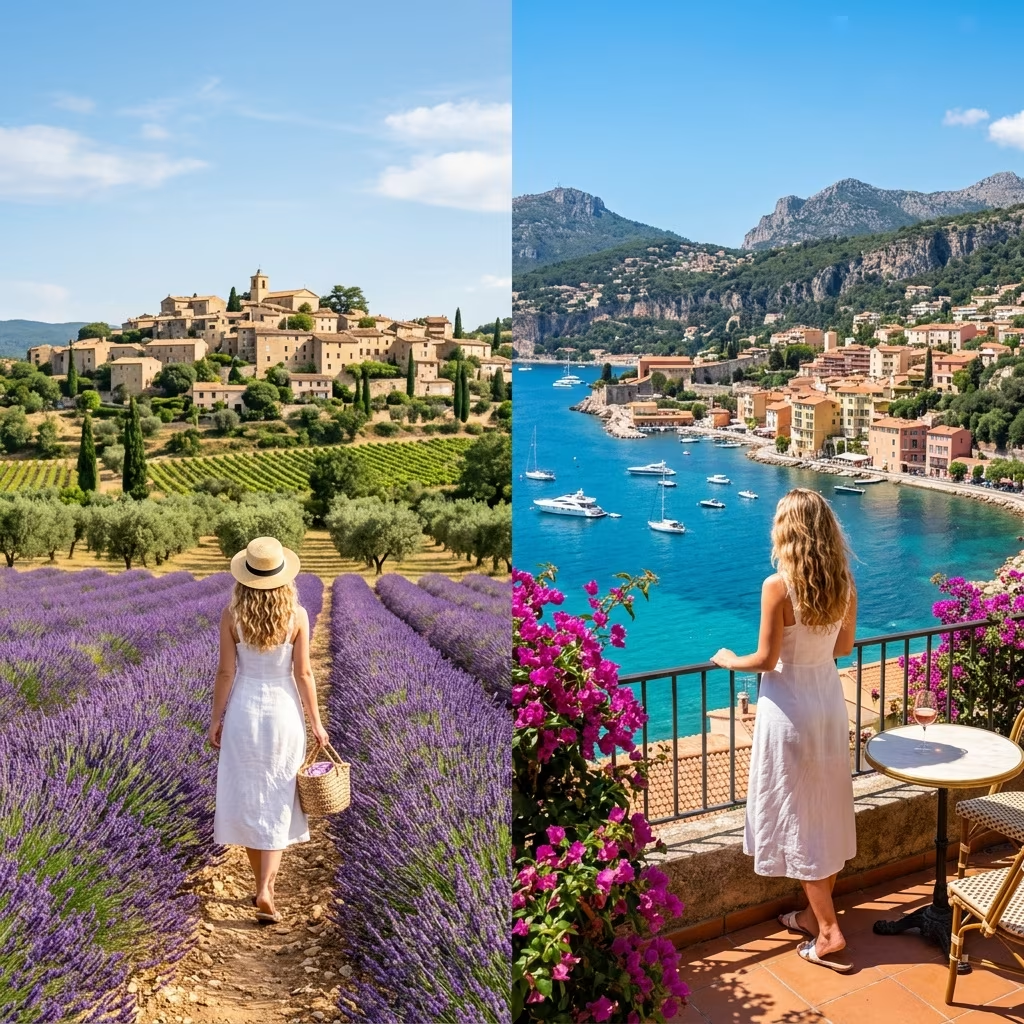
Provence spans the sun-drenched southeastern quarter of France, stretching from the Rhône River to the Italian border. The French Riviera, or Côte d’Azur, is its celebrated Mediterranean coastline — think Nice, Cannes, Saint-Tropez, Monaco, and endless blue horizons. Inland, you’ll discover hill towns, rolling vineyards, and world-renowned lavender fields.
- Coastal Riviera: Sparkling seaside towns like Nice, Cannes, and Antibes, famous for glamour, festivals, and beaches.
- Inland Provence: Ancient cities (Arles, Avignon), perched hill villages (Gordes, Roussillon), and beautiful countryside.
- Natural Wonders: Gorges du Verdon (the “Grand Canyon of Europe”), Camargue wetlands, fragrant lavender fields, and olive groves.
Season-by-Season: What to Expect
Provence and the Riviera enjoy a Mediterranean climate — warm, dry summers and mild winters. However, each season comes with its own rhythm, opportunities, and caveats.
Spring (April–May)
Spring is, for many, the best-kept secret of Southern France. The landscape bursts into bloom, the weather is generally lovely, and the high-summer crowds have not yet arrived.
- Weather: Temperatures usually range from 15–22°C (59–72°F). You can expect some showers but also many sunny days.
- Crowds: Fewer tourists than in peak months. Major sights, hotels, and restaurants are open, but without the overwhelming throngs.
- Highlights: Fields and gardens are lush, making it perfect for countryside walks. Outdoor cafés reopen. Easter and May Day bring delightful local festivals.
- Drawbacks: The Mediterranean can still be too chilly for swimming, and a few attractions may have shorter spring hours.
Summer (June–August)
Summer is high season on the Côte d’Azur, when sun seekers, festival crowds, and international jetsetters descend upon the region. Provence’s villages and countryside are alive with color and celebration.
- Weather: Typically hot and sunny, with daytime temperatures from 25–35°C (77–95°F). Coastal breezes provide relief, but inland areas can feel quite warm, especially in July and August.
- Crowds: Expect packed beaches, bustling town squares, and higher prices. Advance reservations for hotels, restaurants, and major attractions (e.g., Gorges du Verdon, lavender fields) are strongly advised.
- Highlights:
- The famous lavender fields are in full bloom from late June through mid-July.
- Open-air markets, music festivals (e.g., Jazz à Juan in Antibes, Festival d’Avignon), and vibrant street life.
- Warm Mediterranean water perfect for swimming and boating.
- Drawbacks: High heat inland, heavy traffic on coastal roads, crowded viewpoints, and the risk of encountering the region’s notorious mistral winds, which can blow fiercely for days.
Autumn (September–October)
Fall offers a golden reprieve: the weather remains warm, summer crowds disperse, and harvest season begins in villages and vineyards.
- Weather: Days are still pleasantly warm (20–28°C / 68–82°F) in September, cooling further in October.
- Crowds: Busy through early September, especially along the coast, but much quieter by October. Many attractions remain open, but with shorter hours.
- Highlights: Grape harvests are in full swing, village festivals abound, and seaside towns wind down with less noise and more authentic local life.
- Drawbacks: Some seasonal attractions shutter for the year in late October. The sea is still swimmable in early fall, but gets cool by late October.
Winter (November–March)
Winter in Provence and the Riviera is relatively mild, especially compared to northern Europe. It’s a season for culture, cuisine, and escaping bigger crowds — though beach weather is long gone.
- Weather: Coastal temperatures average 8–15°C (46–59°F). Inland, it can be crisper and windier. Snow is rare, but mistral winds may sweep the region.
- Crowds: Very few foreign tourists. Many hotels, resorts, and restaurants close or scale back hours, but city museums, galleries, and shops remain open.
- Highlights: Colorful winter markets (especially Christmas in Nice, Avignon, Arles), truffle and olive oil festivals, and peaceful sightseeing.
- Drawbacks: Lack of outdoor events and limited hours for attractions in smaller villages. Not a swimming season.
Month-by-Month: Regional Events and Special Activities
In addition to the seasons, specific months mark major highlights across Provence and the Riviera, often celebrated with local festivals, markets, and unique cultural activities.
| Month | Typical Weather | Highlights & Events |
|---|---|---|
| April | Mild, 15-20°C | Wildflowers in bloom, Easter parades, start of outdoor café season |
| May | Warm, 17-23°C | Cannes Film Festival, Monaco Grand Prix, village fêtes, best for cycling and hiking |
| June | Warm, 22-28°C | Lavender fields bloom (late June–mid July), outdoor concerts, peak markets |
| July | Hot, 25-35°C | Lavender at peak, Avignon & Orange Theater Festivals, Bastille Day fireworks |
| August | Hot, 28-35°C | Beach life, harvest preparations, local festivals, mountain hiking is popular escape |
| September | Mild, 20-28°C | Wine harvest and festivals, quieter beaches, truffle fairs start |
| October | Cooler, 15-20°C | Autumn colors, olive harvest, quieter towns, All Saints’ Day |
| November–March | Cool, 8-15°C | Christmas markets, museum visits, off-season city life, fewer tourists |
Managing Crowds and Costs
Timing is everything in southern France. High season runs from mid-June to August. Expect higher prices and busy crowds at key sights like the Gorges du Verdon, lavender fields, Pont du Gard, coastal towns, and major museums.
- Visit in the shoulder months — April, May, September, early October — for balanced weather, lower costs, and manageable crowds.
- Book accommodation early if you plan to travel in July or August, especially in festival towns or beach resorts.
- Festival periods, like Cannes Film Festival or Festival d’Avignon, quickly fill beds and raise prices. Plan far in advance.
- Transportation: Car rentals are in high demand in summer. Trains and buses fill near festivals or holidays; buy tickets ahead where possible.
What to Pack for the Season
Provence and the Riviera demand a flexible wardrobe, depending on your season:
- Spring/Autumn: Layers, windbreaker, waterproof shoes, and a scarf for mistral winds. Sun hat and sunglasses for long walks.
- Summer: Light clothing, swimsuit, sunblock, and comfortable sandals. Evening cover-up for cool breees along the coast.
- Winter: Warm layers, sweater, rainproof jacket. City wear for Nice or Marseille plus sturdy shoes for exploring ancient towns.
Major Destinations and Their Seasonal Appeal
Some highlights are uniquely tied to certain months, thanks to natural cycles and local tradition:
- Lavender Routes: Sault, Valensole, Luberon bloom from late June into mid-July.
- The Riviera beaches: Best (and most crowded) in July and August; try June or September for quieter sands.
- City Life: Nice and Marseille have year-round cultural scenes, restaurants, and museums open off-season too.
- Hill Town Exploration: Hilltop villages (Gordes, Roussillon, St-Paul-de-Vence) are especially atmospheric in the spring and fall, when crowds thin and colors shine.
- Outdoor Activities: Gorges du Verdon for hiking and kayaking (late spring to early autumn); Camargue wildlife spotting best from April to September.
Travel Tips and Practical Advice
- Getting Around: Trains link major cities; buses and car rentals reach smaller towns and countryside. Summer has fewer public transport choices on Sundays and holidays.
- Language: A little French goes a long way, especially in the countryside. Locals appreciate simple courtesies and a willingness to try.
- Money: France uses the euro. ATMs are widely available but have a card handy for tolls and parking meters.
- Dining: Outdoor markets are a year-round highlight, but summer brings peak produce. Restaurants may require reservations in high season.
Frequently Asked Questions (FAQs)
When is the best time to see lavender in Provence?
The lavender peaks from late June to mid-July. Specific timing can shift slightly year to year based on spring weather and rainfall.
Is Provence or the Riviera too crowded in summer?
July and August see heavy crowds, especially along the coast and in famous inland villages or at major festivals. Early June and September are great alternatives for warmer weather and fewer people.
Can I visit Provence and the Riviera in winter?
Yes, cities and larger towns (Nice, Marseille, Avignon) remain lively with local events, museums, and restaurants open. Small villages may have limited activities and amenities, but you’ll experience a peaceful, authentic side of the region.
Will I need a car?
For exploring hill towns, villages, and countryside, a car is very helpful — especially outside of summer. Trains efficiently connect coastal cities, but public transport to rural areas is limited, particularly on weekends and holidays.
Which festivals are worth planning a trip around?
Top highlights include the Cannes Film Festival (May), Avignon Theater Festival (July), Menton Lemon Festival (February), and summer night markets across Provençal villages.
Insider Tips for a Memorable Trip
- Arrive at top sights early in the morning or late afternoon to avoid crowds and enjoy softer light for photography.
- Visit village markets — held weekly and packed with local color, food, and crafts.
- If planning in peak summer, reserve all accommodation, tours, and restaurants in advance, particularly near major events or festivals.
- Sample seasonal specialities: fresh rosé and strawberries in spring, melons in June, lavender honey in summer, truffles and olives in fall and winter.
Conclusion: Your Perfect Provence and French Riviera Experience
The best time to visit Provence and the French Riviera depends on your interests: peak color and energy in summer, serene beauty and lower prices in spring and fall, or the quieter charisma of winter. Carefully considering the region’s climate, crowd patterns, and festive calendar can transform a good trip into an unforgettable journey. With its rich variety and year-round appeal, there’s truly no wrong time to explore southern France’s enchanting heart.
References
- https://store.ricksteves.com/shop/p/provence-guidebook
- https://literatibookstore.com/book/9781641715911
- https://www.ricksteves.com/europe/france/provence-french-riviera-itinerary
- https://www.ricksteves.com/watch-read-listen/video/travel-talks/provence-french-riviera
- https://www.ricksteves.com/europe/france/french-riviera
- https://www.ricksteves.com/europe/france/provence
- https://www.ricksteves.com/watch-read-listen/video/tv-show/french-riviera-uniquely-chic
- https://community.ricksteves.com/travel-forum/france/provence-french-riviera-a839d9b9-62e5-4cfa-8c9e-787578c4243c