The Best Time to Visit Sicily
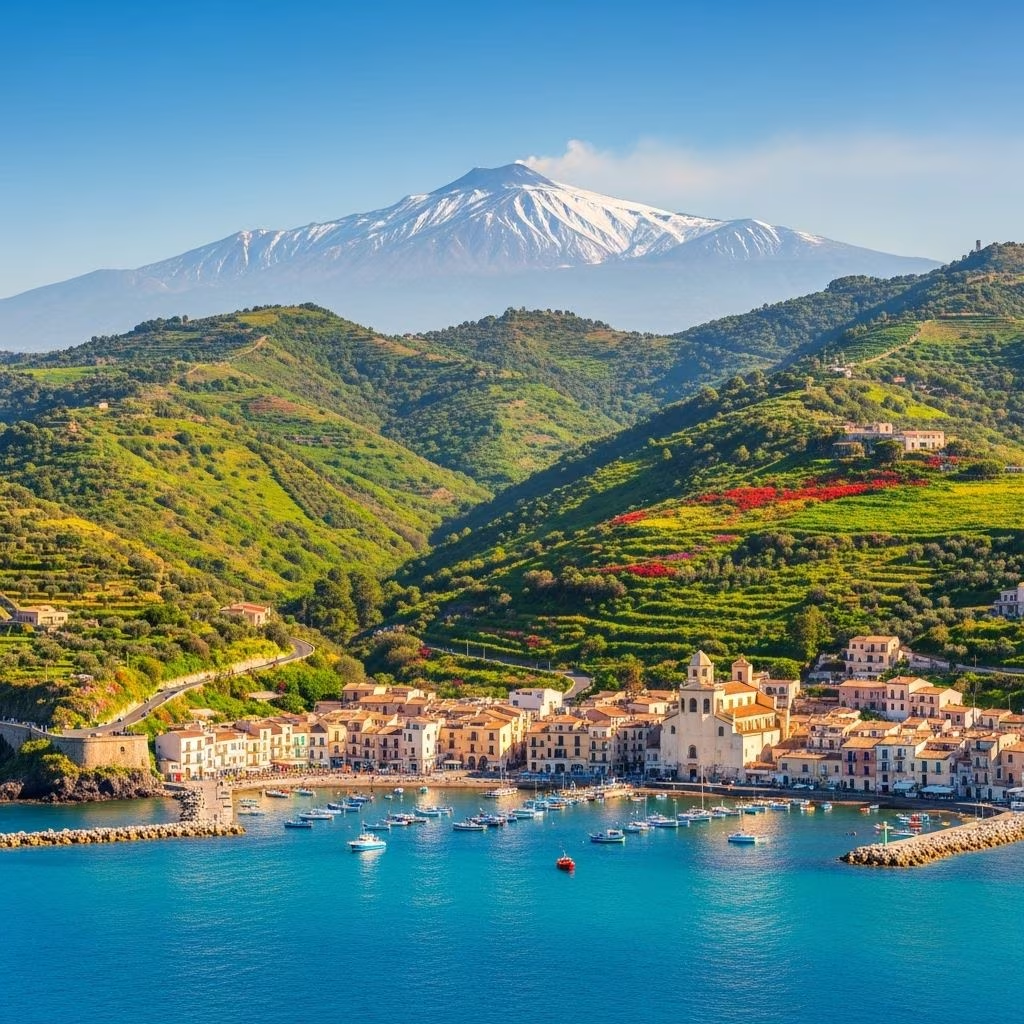
Sicily, the Mediterranean’s largest island, is a treasure trove of history, culture, and natural beauty. Planning when to visit can make all the difference, whether you want warm sea breezes, vibrant festivals, or peaceful ancient ruins. This comprehensive guide explores the weather, tourism flows, key celebrations, and unique monthly highlights to help you decide when to make the most of your Sicilian getaway.
Sicily’s Seasons at a Glance
Sicily experiences a classic Mediterranean climate, yet each season offers distinct advantages that can shape your trip:
- Spring (March–May): Mild, blooming, and ideal for touring.
- Summer (June–August): Hot, lively, and packed with festivals and tourists.
- Autumn (September–November): Warm seas, grape harvests, and fewer crowds.
- Winter (December–February): Quiet cities, occasional rain, and festive holiday events.
Let’s explore what makes each month—and each season—distinct for travelers.
Month-by-Month: Sicily’s Year in Detail
January & February: Sicily’s Quietest Time
Winter months in Sicily are cool and calm. January is the coldest month, particularly in the hill towns, and although Sicily’s winter is mild compared to much of Europe, rain and some wind are common. Most days, temperatures range between 8°C–15°C (46°F–59°F) along the coast, dropping in the higher elevations. Tourist crowds vanish and accommodation prices are at their lowest. Many sites, restaurants, and hotels in vacation-oriented towns operate on reduced hours or close entirely; major cities remain vibrant.
- Best for: Off-season city breaks, exploring museums, and experiencing local life.
- Festivals: Carnival, which varies by year (sometimes falls in February), brings bursts of traditional celebrations to towns like Acireale and Sciacca, known for lively parades and colorful costumes.
March & April: Spring Awakening
As March unfolds, Sicily shakes off its winter torpor. Temperatures warm up (13°–18°C/55°–64°F), spring greenery emerges, almond and orange blossoms fill the air, and Easter festivities dominate the calendar. Late April is particularly pleasant, with more consistent sunshine and comfortable days.
- Best for: Walking tours, hiking, and archaeological site visits (Valley of the Temples, Selinunte, Segesta).
- Festivals:
- Easter (Pasqua): Expect highly traditional and theatrical processions, especially evocative in Enna, Trapani, and Caltanissetta.
- St. Joseph’s Day (March 19): Celebrated with special foods and parades in towns like Salemi and Sicily’s southwest.
Crowds are light, and prices remain reasonable before the late-spring travel surge.
May & June: Mediterranean Perfection
By May, spring is in full swing with clear skies, lush countryside, and ever-warmer beaches (aim for 18°–25°C/64°–77°F by June). This is the sweet spot for many travelers—a near-perfect blend of weather, scenery, and manageable crowds. Flowers spill from balconies, archaeological parks glow in golden sunlight, and ferries resume service to the Aeolian and Aegadian Islands.
- Best for: Sightseeing, hiking, early swimming, and island hopping before peak heat and crowds.
- Festivals:
- Infiorata di Noto (May): Noto’s streets are transformed into radiant flower mosaics.
- Sagra del Pesce (Fish Festival, June): Celebrates Sicily’s seafood traditions in towns like Marzamemi and Acitrezza.
July & August: Sicily Sizzles
Sicilian summers are famous for sunshine and heat. In July and August, temperatures frequently top 30°C/86°F, sometimes soaring higher—especially inland. Coastal towns bustle with both Italian and foreign vacationers, while cities can be sleepy as locals escape to the sea or the mountains. Expect lively resort areas, energetic nightlife, and crowded heritage sites.
- Best for: Beaches, festivals, and night-time strolls in bustling towns such as Taormina, Cefalù, and San Vito Lo Capo.
- Festivals:
- Ferragosto (August 15): National summer holiday, filling beaches with families and sparking massive celebrations across Sicily.
- Taormina Film Festival (June–July): A major cultural event in Sicily’s famed amphitheater.
Note: Many businesses in both cities and villages close for a week or more around Ferragosto as residents head out of town.
Book early for accommodations in July and August.
September & October: Sweet Autumn
Autumn is a standout season—especially September and early October. The Mediterranean remains warm for swimming, harvest festivals fill the calendar, days are sunny yet comfortable (22°–28°C/72°–82°F in September), and crowds thin considerably. Locals return, rates drop, and the island’s rhythm feels more relaxed.
- Best for: Sea swimming, food lovers, wine enthusiasts (grape harvests), and relaxed pace.
- Festivals:
- Sagra dell’Uva (Grape Festival): Wine towns like Menfi and Marsala come alive with tastings and parades.
- Cous Cous Fest (San Vito Lo Capo, September): International celebration of couscous and world cuisine.
- Settembre Musicale: Music festivals, especially in Palermo and major cities.
November & December: Tranquil Endings
Late autumn and early winter bring shorter days and a higher chance of rain. While coastal nights cool, afternoons can still reach 15°–20°C (59°–68°F). Major cities such as Palermo, Catania, and Siracusa retain a lively pace, and Christmas season traditions create a festive atmosphere throughout the island, especially in markets and nativity displays.
- Best for: Holiday festivities, exploring museums, and uncrowded cultural sites.
- Festivals:
- St. Lucia’s Day (December 13) in Siracusa: Religious processions and unique rituals.
- Nativity Scenes (Presepi): Artistic cribs and live reenactments from early December.
- Christmas Markets (through December): Experience Sicilian crafts, sweets, and local spirit.
Weather in Sicily: Regional Variations
While the Mediterranean climate is generally consistent, expect some regional differences:
- Mountains: The Madonie, Nebrodi, and Hyblaean hills are often several degrees cooler than coastal cities, with possible snowfall in winter.
- Inland: Central Sicily can feel hotter and drier than the coasts in summer, with occasional chilly winds from north Africa (the sirocco).
- The Coast: Temperature extremes are far milder. Sea breezes help cool even the hottest days.
Across Sicily, rainfall is rare in summer, but late autumn and winter can see heavy but brief showers, particularly in the northwest.
Pros and Cons by Season: Quick Comparison Table
| Season | Weather | Crowds | Local Events | Best For |
|---|---|---|---|---|
| Spring | Fresh, mild, blossoms | Light-to-moderate | Easter, St. Joseph’s Day | Sightseeing, hiking, festivals |
| Summer | Hot, dry, sunny | Heavy (especially July–August) | Beach parties, Ferragosto | Beaches, outdoor events |
| Autumn | Warm days, gentle cool | Moderate, low in late season | Harvest festivals, food fests | Swimming, culinary travel |
| Winter | Mild, rainy, cool | Minimal | Carnival, Christmas | City breaks, off-season deals |
When to Avoid and When to Seek Sicily’s Top Destinations
- Major Cities (Palermo, Catania, Siracusa): Visit year-round. Winters are vibrant, though some shops close for August holidays.
- Beach Resorts (Taormina, Cefalù, San Vito Lo Capo): Best late May to June and September. Avoid mid-August if you dislike crowds.
- Archaeological Parks: Most pleasant March–June and September–November for cooler temperatures and sparse groups.
- Inland Villages: May–June and September–October are perfect to enjoy cultural life and walks without peak heat.
- Island Hopping (Aeolian, Aegadian Islands): Late spring to early fall, when ferries operate regularly and island accommodations are open.
Sicily’s Festival Calendar: Don’t-Miss Events
- Carnival (Carnevale): Colorful processions, lively parades, and masked balls in Acireale and Sciacca, usually in February or early March.
- Easter (Settimana Santa): Dramatic Holy Week ceremonies, especially in Enna and Trapani.
- Infiorata di Noto (May): Baroque streets emblazoned with floral art.
- Taormina Film Festival (June–July): International film and star-studded performances.
- Ferragosto (August 15): Feasts, fireworks, and nationwide shutdowns as all of Italy celebrates.
- Cous Cous Fest (September): World cuisine festival in San Vito Lo Capo with music and food competitions.
- St. Lucia in Siracusa (December 13): Processions and religious theater.
Weather and Packing Tips for the Season
- Spring: Layered clothing—mornings and evenings can be cool; a light jacket and waterproof shoes are wise.
- Summer: Shorts, light shirts, a hat, sunscreen, and swimwear. Evenings are warm but a light wrap may be needed in the hills.
- Autumn: Layered wear for variable days. A light raincoat and casual shoes serve well, especially after October.
- Winter: Warm sweater, windproof jacket, and umbrella. Check hotel heating in advance, especially in smaller accommodations.
Travel Logistics: Transportation, Accommodation, and Crowds
High season (July–August) requires booking hotels and transports well in advance, especially in resort areas. Shoulder seasons (April–June and September–October) offer the ideal blend: reasonable prices, plenty of tour and ferry options, and a relaxed atmosphere with enough energy for fun evenings.
- Car Rentals: Convenient from April to October, especially for countryside and villages. Avoid driving in Palermo or Catania city centers.
- Trains & Buses: Good connections between main cities and towns throughout the year. Some routes—especially to small towns and islands—reduce frequency in winter.
- Closures: Beach clubs, island hotels, and some rural attractions often close between November and March.
Frequently Asked Questions (FAQs)
Q: What is the absolute best time to visit Sicily?
A: Most travelers and locals consider late April to early June and September to early October to offer the best blend of pleasant weather, moderate prices, active towns, and beautiful seasonal sights.
Q: Is it worth visiting Sicily in the off-season?
A: Absolutely. Early spring and late autumn offer tranquility, local color, and lower costs. Winter is ideal for city lovers, food aficionados, or festival seekers. Some resorts may be closed, but Sicily’s urban centers stay lively year-round.
Q: Are tourist sites and museums open in winter?
A: Major museums and archaeological parks remain open, though with reduced hours. Some smaller attractions, especially in beach towns, may close or limit access.
Q: Does Sicily get crowded like other parts of Italy?
A: July and especially August deliver beach-town crowds to rival any in Italy. Elsewhere, even iconic sites rarely feel as packed as Rome or Florence, especially in spring or fall.
Q: Can I swim in Sicily outside of summer?
A: Yes. Sea temperatures are swimmable from late May to October, with locals often plunging in through November in warm years.
Q: Is there a bad time to visit Sicily?
A: Not truly, but mid-August brings closures in cities and busy beaches, while some rural or island areas nearly shut down in winter. Otherwise, every season offers unique charms.
Final Tips and Recommendations
- For archeological touring or hiking: spring and fall give the best mix of sunshine, wildflowers, and comfortable temperatures.
- For island escapes or swimming: late May through September brings warm seas and lively ferry schedules.
- If you crave events and festivals: time your trip around Easter (for processions), early May (for floral displays), or September (for food and wine festivals).
- To find a budget-friendly escape with fewer tourists: book in early spring (March–early May) or mid-to-late autumn (October–December).
- Always check ahead for seasonal closures if visiting remote towns, islands, or rural accommodations.
Ultimately, there is no wrong time for Sicily—the island rewards visitors with rich flavors, unforgettable landscapes, and dramatic history throughout the year. Choose your dates according to your priorities, and let the rhythms of Sicilian life guide your adventure.
References
- https://store.ricksteves.com/shop/p/sicily-guidebook
- https://www.ricksteves.com/tours/italy/sicily
- https://www.ricksteves.com/europe/italy/sicily-itinerary
- https://www.ricksteves.com/watch-read-listen/video/tv-show/sicily
- https://www.ricksteves.com/europe/italy/sicily
- https://community.ricksteves.com/travel-forum/italy/advise-and-opinion-of-sicily-tour
- https://www.youtube.com/watch?v=TbckkgHAMU0
- https://www.ricksteves.com/watch-read-listen/video/tv-show/sicily-delights
- https://www.tripadvisor.com/ShowTopic-g187886-i343-k5151667-o10-Rick_Steves_Sicily-Sicily.html
- https://www.youtube.com/watch?v=sUinO80JSYo