Best Time to Visit Austria: A Comprehensive Guide
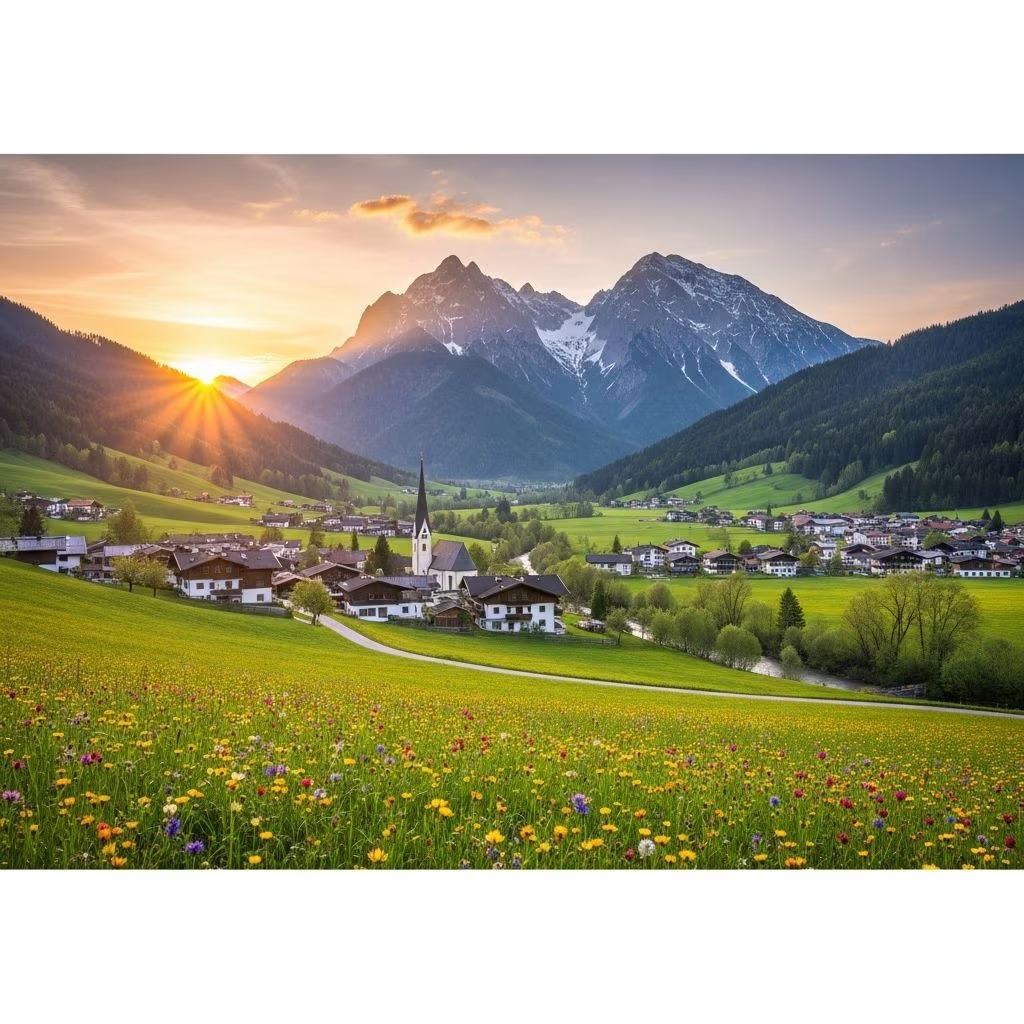
Austria welcomes travelers year-round with its dazzling urban culture, scenic Alpine landscapes, and rich traditions. Choosing when to visit Austria can greatly influence your experience—from sunlit strolls through Vienna’s grand boulevards to festive Christmas markets in Salzburg, to peaceful hikes in the mountain meadows. This guide provides an in-depth look at Austria’s seasons, major festivals, and what to expect in terms of weather, crowds, and costs throughout the year.
Understanding Austria’s Seasons
Austria’s climate ranges from Central European continental to Alpine weather patterns, resulting in distinct seasons:
- Spring (April to May): Mild temperatures, blooming parks, and fewer crowds.
- Summer (June to August): Warm days, bustling cities, music festivals, and peak tourism activity.
- Autumn (September to October): Cool, crisp air; spectacular foliage in the countryside; harvest celebrations.
- Winter (November to March): Snowy landscapes, winter sports, Christmas magic, and cozy local traditions.
Seasonal Table: Temperatures, Events, and Crowds
| Season | Avg. Temperatures (°C) | Main Events | Crowd Levels |
|---|---|---|---|
| Spring | 8–18 | Concerts, Rural Festivals | Low to Moderate |
| Summer | 15–25 | Music & Art Festivals, Outdoor Activities | High |
| Autumn | 10–20 | Wine, Harvest, Film Festivals | Moderate |
| Winter | -5–5 | Christmas Markets, Skiing, Carnival | Low to Moderate |
Spring: Colorful Beginnings (April–May)
Spring in Austria is marked by milder weather, the gradual thaw of Alpine meadows, and the blossoming of parks and gardens. This is one of the best times for city sightseeing and countryside walks, with fewer crowds and fresh cultural events.
- Pros: Comfortable temperatures, flowers in bloom, lower accommodation prices.
- Cons: Some Alpine trails are still snow-covered, so hiking opportunities may be limited until late spring.
- Highlights:
- Vienna’s parks, Salzburg’s Old Town, Danube Valley cycling.
- Easter festivals, classical concerts.
Summer: High-Energy Festivals and Alpine Adventure (June–August)
The Austrian summer is famously lively with warm temperatures, long daylight hours, and a packed event calendar. It’s peak season for both international and local tourists, especially in Vienna, Salzburg, Innsbruck, and mountain resort towns.
- Pros: Reliable weather for hiking, biking, and lake activities; vibrant nightlife; outdoor events.
- Cons: Higher prices, larger crowds, especially July and August.
- Highlights:
- Salzburg Festival, Vienna Film Festival, open-air music concerts.
- Hiking in the Alps, swimming in crystal-clear lakes.
- Folk festivals in the countryside.
Autumn: Golden Landscapes and Harvest Festivities (September–October)
Autumn offers a quieter, more relaxed pace as school holidays end and temperatures begin to cool. It’s the ideal season for wine tours, meals celebrating the harvest, and walks beneath golden leaves.
- Pros: Crisp, pleasant days; beautiful foliage; grape harvests; fewer crowds than summer.
- Cons: Cooler evenings; some outdoor activities wind down.
- Highlights:
- Styria’s wine country, Vienna’s cultural season opener, Salzburg’s autumn markets.
- Oktoberfest, vineyard visits.
- Alpine hiking with fewer tourists.
Winter: Alpine Magic and Festive Traditions (November–March)
From late November through March, Austria transforms into a winter wonderland. Cities glow with holiday lights; ski resorts in Tirol and Salzburg are abuzz; and traditional Christmas markets fill public squares.
- Pros: Fantastic skiing and snowboarding; magical holiday celebrations; cozy cafes and music halls.
- Cons: Shorter daylight hours and cold temperatures; some attractions may have reduced schedules.
- Highlights:
- Christmas Markets in Vienna, Graz, Innsbruck, and Salzburg.
- Ski resorts: St. Anton, Kitzbühel, Zell am See.
- Apres-ski parties, carnival celebrations (Fasching).
Shoulder Seasons: The Sweet Spot
Travel experts often recommend Austria’s shoulder seasons—April, May, late September, and October—as the best blend of decent weather, manageable crowds, and moderate prices. These months offer many of the same advantages as peak periods but with added flexibility and less competition for hotel rooms or tickets.
- Popular for hiking (especially in early autumn, as spring trails may remain snowbound).
- Atmospheric rural events and festivals.
- More time to linger in museums and monuments.
Key City and Region Highlights by Season
- Vienna:
- Best in spring and autumn for mild weather and cultural events.
- Winter sparkles with Christmas markets and classical music concerts.
- Summer attracts with vibrant streets but can be crowded.
- Salzburg:
- Famed for summer festivals, but beautiful in every season.
- Picturesque Old Town and fortress always appeal.
- Nearby lake district (Salzkammergut) ideal for summer and autumn explorations.
- Innsbruck & Tirol:
- Top ski destination in winter; hiking and folk festivals in summer.
- Tyrolean village events feature traditional costumes and music.
- Hallstatt & Salzkammergut:
- Peak beauty in late spring and autumn; idyllic lakes and trails.
- Popular but can get very crowded in high summer.
Festival Calendar: What Not to Miss
- Vienna Ball Season (January–February): Elegant galas and waltzes.
- Salzburg Festival (July–August): World-renowned classical music celebration.
- Wine Harvest Festivals (September–October): Styria’s grapes and wine culture peak.
- Christmas Markets (late November–December): Festive stalls in every major town.
- Tirolean Village Festivals (various dates): Local traditions, folk costumes, and music.
- Fasching/Carnival (February–March): Colorful parades and street celebrations.
Tips for Timing Your Austrian Trip
- Consider shoulder months if you want balanced weather and manageable prices.
- Book early for summer festivals or high-profile winter events.
- If skiing, check resort opening and closing dates—usually from late November to early April.
- Some smaller attractions and rural accommodations may close or reduce hours in winter and early spring.
Sample Austria Itineraries for Every Season
Austria’s compact size and excellent train network make it easy to plan trips tailored to your interests and timing:
- Spring (7–10 Days): Vienna – Melk/Danube Valley – Salzburg – Hallstatt – Innsbruck.
- Summer (10–14 Days): Vienna – Salzburg (for festivals) – Hallstatt & Salzkammergut – Tirol & Bavarian Alps.
- Autumn (7–10 Days): Vienna (wine tours) – Graz (harvest festivals) – Salzburg (autumn markets) – Zell am See.
- Winter (7–12 Days): Vienna (Christmas markets) – Salzburg (New Year concerts) – Innsbruck (ski & snow sports) – Alpine villages.
Practical Considerations: Weather & Packing
- Spring: Light jackets, rain protection, comfortable walking shoes.
- Summer: Layers for changeable weather, sun hat, swimwear for lakes.
- Autumn: Warm layers, waterproof coats, hiking boots.
- Winter: Insulated clothing, snow boots, gloves, hats; formal attire for balls.
Frequently Asked Questions (FAQs)
Q: What is considered peak tourist season in Austria?
A: Peak season runs June through August, coinciding with major festivals, school vacations, and the best weather for outdoor activities.
Q: Are shoulder season months (April, May, September, October) recommended for travel?
A: Yes, these months have fewer crowds, moderate prices, and generally pleasant weather, making them ideal for both city and rural visits.
Q: When are Austria’s ski resorts open?
A: Most ski resorts operate from late November or early December to early April, depending on snowfall and altitude.
Q: Are there any downsides to visiting Austria in winter?
A: While winter is magical, some smaller attractions may close or operate on limited schedules, and certain hiking trails become inaccessible due to snow.
Q: Should I book accommodation in advance for summer visits?
A: Advance booking is strongly recommended for central cities and festival periods, as hotels fill quickly during summer peak times.
Top Tips for Planning Your Austrian Adventure
- Check local tourism websites for up-to-date event schedules and regional closures.
- Use Austria’s efficient train and bus network for hassle-free travel between cities and scenic areas.
- If festivals are a priority, plan months ahead and secure tickets early.
- Consider day trips from major cities to explore lake districts, wine regions, and picturesque Alpine towns.
- Pack versatile clothing suitable for variable weather, especially in spring and autumn.
Conclusion: Finding Your Perfect Austrian Moment
There is truly no bad time to visit Austria—each season brings unique charms, experiences, and adventures. Whether you crave bustling city life, musical extravaganzas, tranquil landscapes, or alpine snow sports, Austria’s calendar has something for every traveler. Time your visit by weighing weather, festivals, and your own travel style, and you’ll make the most of what this vibrant country has to offer. Viel Spaß und gute Reise!
References
- https://www.ricksteves.com/europe/austria/itinerary
- https://www.ricksteves.com/watch-read-listen/video/tv-show/austrian-and-italian-alps
- https://www.ricksteves.com/travel-tips/trip-planning/timing-your-trip
- https://www.ricksteves.com/watch-read-listen/video/tv-show/salzburg-and-surroundings
- https://community.ricksteves.com/travel-forum/general-europe/best-time-to-visit-swiss-and-austria
- https://www.tripadvisor.com/ShowTopic-g190454-i147-k6633856-o10-Rick_Steves_travel_guide_good-Vienna.html
- https://www.ricksteves.com/europe/austria