Austria Tours & Vacations: Discover Imperial Cities and Alpine Wonders
Austria stands as a land of stunning alpine heights, elegant imperial cities, and a cultural scene that bridges the grandeur of the past with laid-back modernity. With expertly curated tours, you can experience Austria’s finest—from the stately boulevards of Vienna to the mountain adventure of Tirol and the musical legacy of Salzburg. Let cozy central hotels, friendly local guides, and a thoughtfully paced itinerary ensure you create memories to last a lifetime.
Why Choose a Guided Austria Tour?
- Stress-free planning: All logistics are managed so you can focus on discovery.
- Expert guides: Deep local knowledge brings history and culture alive.
- Small groups: Enjoy camaraderie while maintaining flexibility and personal attention.
- Central hotels: Rest comfortably in the heart of each destination.
- All sightseeing included: No hidden costs—major attractions and insider experiences are built in.
Austria at a Glance: Destinations on the Grand Tour
A well-rounded Austria tour explores the country’s highlights, balancing stately cities with mountain villages and lakeside retreats. Here’s what to expect as you journey through Austria’s greatest treasures:
| Destination | Highlights |
|---|---|
| Vienna | Imperial palaces, spectacular museums, classical music, vibrant coffeehouse culture |
| Salzburg | Mozart’s home, Baroque churches, medieval fortress, The Sound of Music locations |
| Danube Valley | Biking trails, hilltop ruins, wine villages, Melk Abbey, Wachau Valley |
| Tirol | Mountain sports, Innsbruck’s old town, scenic villages like Hall, gateway to Alps |
| Hallstatt & Salzkammergut | Fairytale lakes, the charming Hallstatt village, salt mines, swan-filled lakefronts |
Vienna: Austria’s Regal Capital
Vienna embodies Austria’s opulent heritage. The city showcases imperial grandeur at every turn—from the Habsburgs’ Hofburg Palace to the ornate Schönbrunn Palace and St. Stephen’s Cathedral with its tiled roof piercing the skyline. World-class museums line the Ringstrasse, and music reverberates from grand concert halls and atmospheric cafés.
- Imperial residences: Hofburg and Schönbrunn Palaces
- Cultural masterpieces: Kunsthistorisches Museum, Belvedere Palace galleries
- Vibrant markets: Naschmarkt’s culinary delights
- Tradition and entertainment: Vienna State Opera, legendary coffeehouses
Walking Vienna’s historic center feels like strolling through a living museum, where every cobbled street tells a story of emperors, composers, and artists.
Don’t Miss in Vienna
- St. Stephen’s Cathedral: Marvel at Gothic spires and panoramic city views from the South Tower.
- Ringstrasse tram tour: Circle the historic core along grand 19th-century boulevards.
- Sachertorte and melange: Enjoy Vienna’s famed chocolate cake and frothy coffee in a storied café.
Salzburg: Mozart, Baroque Splendor, and Alpine Charm
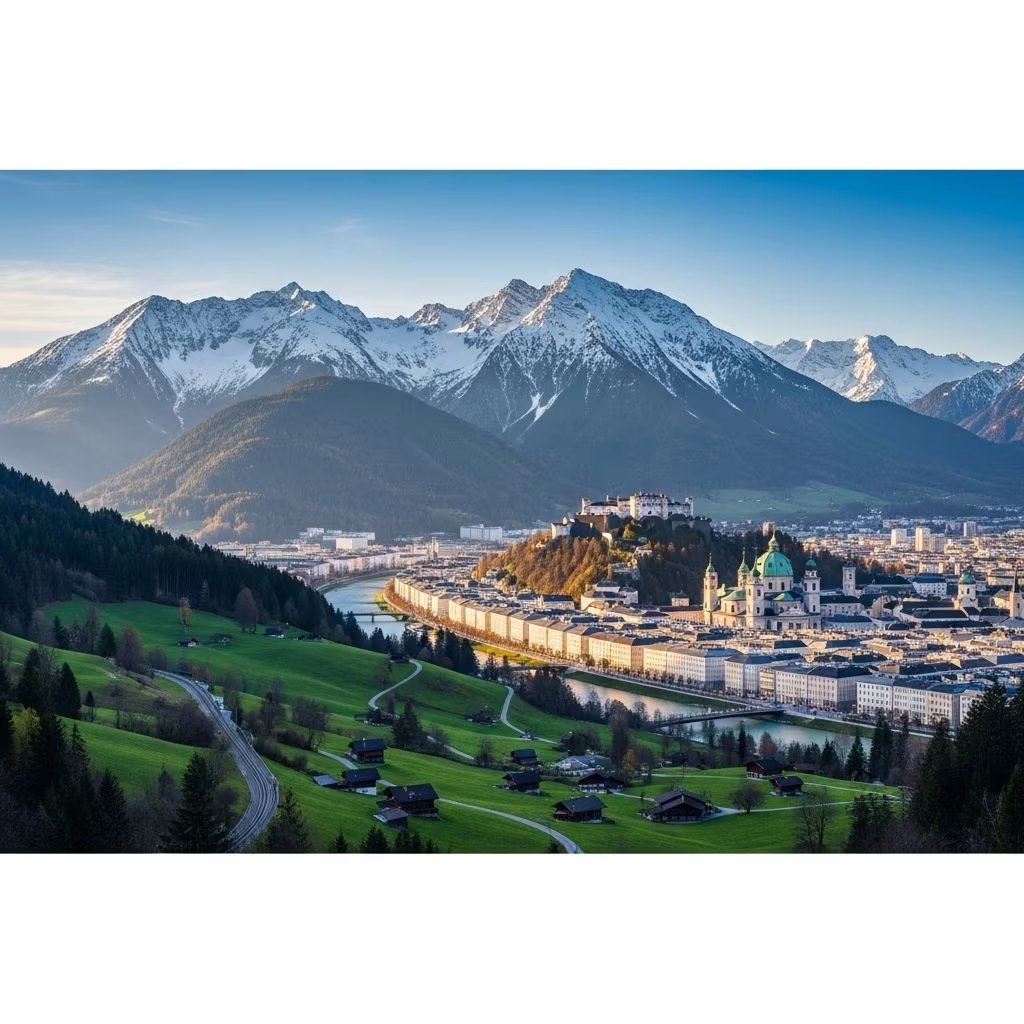
Salzburg delights with its blend of majestic architecture and musical heritage. The city’s castle, churches, and stately squares feel plucked from the pages of an opera, while its winding lanes brim with cozy shops and eateries. As the birthplace of Wolfgang Amadeus Mozart and the setting for The Sound of Music, Salzburg draws both music lovers and romantics alike.
- Hohensalzburg Fortress: Towering above the city, this medieval fortress provides breathtaking views of both Salzburg and the Alps.
- Mozart’s Birthplace: Explore the composer’s life and works in a charming old town house.
- Mirabell Gardens: Stroll through floral elegance—the backdrop for memorable movie scenes.
- Baroque churches: Marvel at domed interiors and ornate altars lining winding streets.
Salzburg’s lakeside beer gardens, near-nightly concerts, and inviting pedestrian squares ensure visitors feel both entertained and at home.
The Danube Valley: Wachau, Melk, and Beyond
West of Vienna, the Danube’s meandering route carves a romantic valley—famed for ruined castles, vineyards, and storybook villages. The prized “Wachau” stretch between Melk and Krems boasts Austria’s most photogenic river scenery.
- Melk Abbey: This hilltop Benedictine abbey dazzles with its gold-leafed halls and sumptuous library.
- Wachau wineries: Sample crisp Grüner Veltliner and local apricot liqueurs in sun-dappled courtyards.
- Bike or cruise the river: Pedal or float past charming hamlets and terraced vineyards.
- Mauthausen Memorial: Reflect at the deeply moving former concentration camp site farther west.
Each riverside village—like Dürnstein with its blue tower—offers an invitation to slow down and savor Austria’s pastoral side.
Hallstatt & Salzkammergut: Lakes and Alpine Villages
Picture a glassy lake reflecting storybook houses and wildflower-dotted slopes—this is Hallstatt, centerpiece of the Salzkammergut lake district. The village’s medieval charm, salt mines, and swan-filled waters make it a highlight of the Austrian countryside, drawing nature lovers, photographers, and casual strollers.
- Medieval market square: Cafés, shops, and pastel-hued houses dot the lakeshore.
- World’s oldest salt mine: Ride underground slides and learn about Hallstatt’s 7,000 years of salt history.
- Lake cruises: Drift among swans and dramatic cliffs—ideal for a sunny afternoon.
- Alpine hiking: Trails lead through meadows and forests with panoramic vistas at every turn.
The Salzkammergut’s gentle appeal lies in its balance of serenity, outdoor pursuits, and authentic rural traditions. Berchtesgaden, just across the German border, extends the scenic delight with additional mountain huts and historic sites.
Tirol and the Alpine Heart of Austria
Austria’s west, known as Tirol, is a mecca for mountain adventures. The capital, Innsbruck, blends imperial-era grandiosity with rugged alpine beauty—from its Golden Roof to winter sports venues. Quaint towns like Hall preserve medieval charm, while the meadows, trails, and towering peaks offer year-round recreation.
- Innsbruck’s old town: Pastel facades, cobbled alleys, and the famous Golden Roof create a fairytale setting.
- Zugspitze: Austria’s highest peak, accessible for hiking and breathtaking vistas.
- Tyrolean villages: Discover the small-town heart of Austria in places like Hall and Reutte.
For sports enthusiasts, Tirol is paradise: skiing, hiking, paragliding, and mountain biking fill every season. Innsbruck’s melding of history and adrenaline makes it a memorable finale to a grand Austrian journey.
Itineraries and Trip Planning Essentials
Whether you’re exploring Austria in one action-packed week or a leisurely two, a guided tour ensures optimized routes and hidden gems along the way. Here’s how such itineraries might unfold:
- Trip duration: Most signature tours last 8–14 days, balancing city time and countryside wanderings.
- Pace: Central lodging allows for smooth transitions and early starts at key sights, minimizing travel fatigue.
- Sample stops: Vienna (2–3 days), Wachau Valley, Salzburg (2–3 days), Hallstatt, Innsbruck or Reutte, optional day trips across the border (e.g., Germany’s castles or Italy’s Dolomites).
With all transportation managed—whether by modern trains, comfy private coaches, or scenic river cruises—you can focus fully on exploration and enjoyment.
Culture, History, and Cuisine
An Austrian tour is as much about immersion as it is sightseeing. Along the way, you’ll experience:
- Imperial cuisine: Savor Wiener schnitzel, apfelstrudel, and delicate pastries in both cozy inns and elegant city restaurants.
- Café culture: Pause for a melange (local coffee) and pastry in ornate coffeehouses—many unchanged for over a century.
- Music and the arts: Attend concerts in storied halls, living out Austria’s deep musical legacy.
- Festivals and markets: Whether spring flower parades or Christmas markets, local celebrations invite participation.
Expect helpful German survival phrases and cultural etiquette tips from guides, ensuring you engage authentically throughout your journey.
Practical Information: What to Know Before You Go
- Best time to visit: Spring and fall offer pleasant weather and moderate crowds; summer is lively but busier, while winter brings festive markets and skiing.
- Money matters: The euro is standard; cards are widely accepted, though smaller towns may prefer cash.
- Communication: English is commonly spoken in tourist centers; a basic German phrasebook proves handy elsewhere.
- Transportation: Trains and buses efficiently connect cities; tours handle all local travel for you.
- Festivals and holidays: Guides will help navigate holiday closures and suggest can’t-miss local events.
Guided tours typically equip travelers with maps, emergency contacts, and a comprehensive pre-departure checklist.
Frequently Asked Questions (FAQs)
Q: What makes an Austria tour unique compared to independent travel?
A: Small-group tours provide insider access, skip-the-line admission, and expert context—making it easy to relax and enjoy while discovering cultural and scenic highlights.
Q: Can I customize my Austria tour?
A: While itineraries are thoughtfully structured to include top sights, you’ll enjoy free time for personal exploration, shopping, or spontaneous discoveries in each location.
Q: Are these tours suitable for all ages?
A: Austria’s manageable cities and accessible nature walks suit a wide range of travelers. Most tours include periods of moderate walking and can accommodate special requests in advance.
Q: What should I pack for an Austria tour?
A: Bring comfortable shoes for cobbled streets, layers for changeable mountain weather, and a light daypack. Many tours provide luggage handling between hotels.
Q: How far in advance should I book an Austria tour?
A: Book early—especially for spring, summer, and holiday departures—as top tours fill up quickly due to Austria’s enduring popularity.
Make Austria Your Next Unforgettable European Adventure
From the imperial echoes of Vienna and Salzburg’s lyrical beauty to the pure air and majestic slopes of the Austrian Alps, every region offers a blend of history, relaxation, and awe-inspiring scenery. Guided tours unlock the riches of Austria in comfort and camaraderie—so you can savor classical concerts, lakeside sunsets, and fresh strudel without worry.
References
- https://store.ricksteves.com/shop/p/vienna-guidebook
- https://www.ricksteves.com/tours/austria
- https://www.ricksteves.com/europe/austria
- https://www.ricksteves.com/watch-read-listen/video/tv-show/salzburg-and-surroundings
- https://www.ricksteves.com/watch-read-listen/video/tv-show/vienna
- https://www.tripadvisor.com/ShowTopic-g190454-i147-k6633856-o10-Rick_Steves_travel_guide_good-Vienna.html
- https://community.ricksteves.com/travel-forum/austria/our-first-visit-to-austria
- https://www.youtube.com/watch?v=Phpc37uiyMw