Denmark Travel Guide: From Vikings to Contemporary Cool
Denmark may be the smallest Scandinavian country, but its influence and charm reach far beyond its borders. With a history that once saw it ruling Norway and southern Sweden, and origins tied to the legendary Viking warriors, Denmark today captivates travelers with picturesque landscapes, expertly preserved villages, and a society famed for both its organization and welcoming spirit.
Less than 30 miles from the sea at any point, Denmark is a tapestry of rolling hills, historic farmhouses, lush beech forests, and strikingly white churches. This guide delves into Denmark’s must-see destinations, cultural wonders, and practical information to make your trip unforgettable.
At a Glance: Top Destinations in Denmark
- Copenhagen: Denmark’s vibrant capital; home to iconic sights like the Little Mermaid, Tivoli Gardens, Rosenborg Castle, and the pedestrian haven of Strøget. Don’t miss the eye-opening Christiania district for a counterculture experience.
- Ærø: A peaceful isle perfect for bike or car tours, featuring Denmark’s best-preserved 18th-century village, Ærøskøbing.
- Aarhus: The country’s second-largest city; notable for its walkable city center, impressive ARoS art museum, and Den Gamle By open-air folk museum.
- Day Trips North of Copenhagen: Includes Frederiksborg Castle (the “Danish Versailles”), Louisiana Art Museum, and Kronborg Castle, immortalized as “Hamlet’s Castle”.
- Odense: Famed as Hans Christian Andersen’s birthplace, home to his childhood museum and the historic Funen Village open-air museum.
- Roskilde: Former capital with a world-class Viking Ship Museum and the majestic Royal Cathedral.
- Central Jutland: Features family delights like Legoland and Jelling, home to historic Viking rune stones.
Copenhagen: Heart of Danish Culture
Copenhagen embodies the spirit of Denmark, offering a seamless blend of modern innovation and storied tradition. The city is celebrated for its livability, green initiatives, and distinct character.
Essential Copenhagen Experiences
- The Little Mermaid: Visit the iconic statue inspired by Hans Christian Andersen’s fairy tale.
- Tivoli Gardens: One of the world’s oldest amusement parks; offers enchanting rides, gardens, and entertainment for all ages.
- National Museum: Holds Scandinavia’s finest prehistoric collections and captivating exhibits with English descriptions.
- Rosenborg Castle: A Renaissance gem built by King Christian IV; hosts the Danish crown jewels and personal artifacts spanning 500 years.
- Strøget: Europe’s first major pedestrian street, bustling with shops, cafes, and street performers.
- Christiania: An independent, hippie-spirited enclave favoring artistic expression and communal living.
- Cathedral of Our Lady: Neoclassical architecture with acclaimed sculptures and free organ concerts in summer.
- Ny Carlsberg Glyptotek: Renowned for its ancient artifacts and Danish/French art collection spanning the 19th century.
Copenhagen Table: Key Attractions
| Site | Highlight | Suggested Visit |
|---|---|---|
| National Museum | Prehistoric & Viking artifacts | Half-day |
| Tivoli Gardens | Amusement park & gardens | Evening |
| Rosenborg Castle | Crown Jewels & Artifacts | 1-2 hours |
| Strøget | Shopping & Pedestrian Life | Walk/stroll |
Excursions Near Copenhagen
The region surrounding Copenhagen offers enriching day trips showcasing Denmark’s royal, artistic, and maritime heritage.
Noteworthy Day Trips
- Frederiksborg Castle (Hillerød): Dubbed the “Danish Versailles,” its grandeur is unmatched, surrounded by baroque gardens and a lake.
- Louisiana Art Museum (Humlebæk): A modern art epicenter featuring Scandinavian and international works, beautifully set against the sea.
- Kronborg Castle (Helsingør): Immortalized as Hamlet’s Castle, it stands as a symbol of Denmark’s maritime legacy and literary history.
- Roskilde: Dive into Viking history at the Viking Ship Museum and marvel at the Royal Cathedral, the resting place of Danish monarchs.
Ærø: Coastal Charm and Timeless Villages
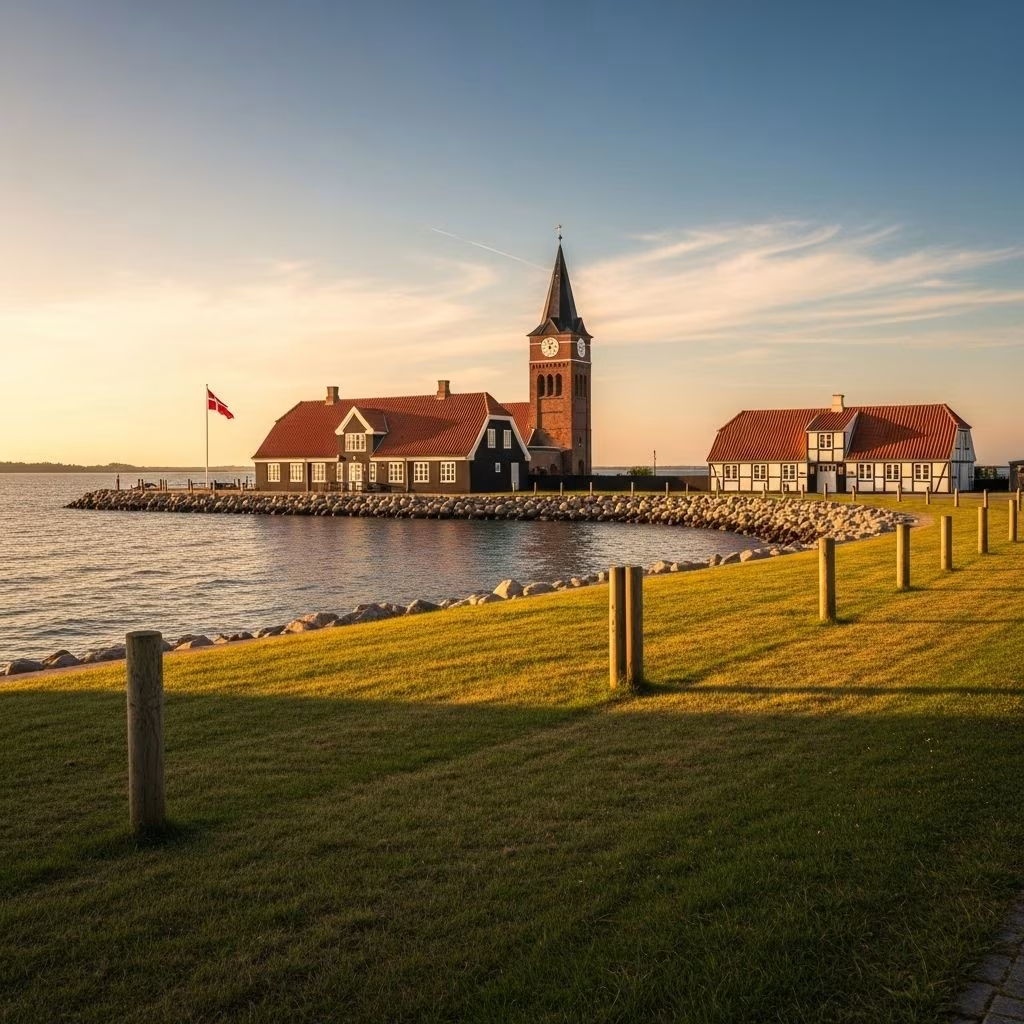
Ærø’s tranquil landscapes make it an ideal retreat. Explore by bike or car, circling from village to scenic coast. The highlight is Ærøskøbing, a meticulously preserved village offering a glimpse into Danish life centuries ago.
Ærø Must-Sees
- Ærøskøbing: Cobblestone streets, pastel homes, and maritime legacy.
- Bike and Car Loops: Experience the island’s rolling hills, windmills, and coastal views at a gentle pace.
- Local Shops and Cafes: Sample Danish pastries and locally produced goods.
Aarhus: Denmark’s Cultural Second City
Denmark’s second-largest city is a vibrant blend of contemporary art, historic preservation, and pedestrian-friendly streets.
Highlights of Aarhus
- ARoS Art Museum: Known for its panoramic “Rainbow Panorama” walkway atop the building, along with world-class collections.
- Den Gamle By: An open-air museum preserving Danish urban life across centuries.
- City Center: Enjoy lively cafes, shopping, and parks along the city’s walkways.
Odense: Where Fairy Tales Begin
Odense carries the legacy of Hans Christian Andersen, inviting travelers to immerse themselves in classic Danish stories and village life.
- Hans Christian Andersen House Museum: Explore the life and works of Denmark’s beloved storyteller.
- Funen Village Open-Air Museum: Demonstrates rural Danish life with traditional architecture, farm animals, and crafts.
Jutland: Families and Historic Treasures
Central Jutland is Denmark’s playground, mixing kid-friendly attractions with awe-inspiring Viking heritage.
- Legoland: An interactive adventure park celebrating Denmark’s most famous toy export.
- Jelling: Visit the UNESCO-listed rune stones, testaments to Denmark’s Viking Age and the nation’s birth.
Getting Around Denmark
Travel within Denmark is a breeze thanks to a highly organized network of trains, buses, and ferries. Most destinations are easily reached within a few hours, maximizing sightseeing opportunities and minimizing transit hassles.
Transportation Options
- Train: Reliable, efficient, and connecting major cities and regional attractions.
- Car: Roads are well maintained; renting a car makes island and rural exploration simple.
- Boat/Ferry: Essential for island visits and coastal journeys.
Tips for Travelers
- Plan routes in advance, especially for outlying villages and islands.
- Consider purchasing rail passes for extended trips.
- Combine trains and bikes for eco-friendly adventures.
Culture, Cuisine, and Practical Insights
Modern Danish culture is both organized and laid-back, celebrated for environmental stewardship, design, and wry humor. Visitors are welcomed with open arms and a wink.
Historic Footnotes
- Denmark’s legacy swings from fierce Vikings to harmonious monarchs and peace-loving contemporary society.
- The country’s churches, castles, and museums offer journeys through millennia of history.
Danish Cuisine Essentials
- Smørrebrød: Open-faced sandwiches with artful presentations.
- Pickled Herring & Salmon: Seafood is a staple, often enjoyed with rye bread and a glass of schnapps.
- Pastries: From flaky wienerbrød to creamy cakes.
- Local Beer: Try a pint at a historic brewery or harborside cafe.
Traveler Essentials
- Money: Credit cards are widely accepted; currency is Danish krone.
- Language: Danish is the official language; English fluency is high, especially in urban centers.
- Emergencies: Denmark has a robust healthcare and emergency network.
- Accommodation: Range from chic urban hotels to countryside guesthouses.
Handy Danish Survival Phrases
- Hej: Hello
- Tak: Thank you
- Hvor er…?: Where is…?
- Hjælp: Help
- Farvel: Goodbye
Frequently Asked Questions (FAQs): Denmark Travel
Q: Is Denmark easy to travel around for first-time visitors?
A: Yes. Denmark’s compact geography and reliable transportation network make it one of the easiest European countries for travelers to navigate.
Q: Which Danish city is a must-see for a short trip?
A: Copenhagen stands out for its attractions, culture, and food. If possible, add a day trip to nearby castles or Roskilde for Viking history.
Q: Is English widely spoken?
A: Yes, English is commonly spoken, especially in Copenhagen, major cities, and tourist areas.
Q: What foods should I try in Denmark?
A: Don’t miss smørrebrød (open-faced sandwiches), fresh seafood, pastries, and local beer.
Q: When is the best time to visit Denmark?
A: Summer offers mild weather and festivals, but late spring and early autumn provide comfortable temperatures with fewer crowds.
Explore Denmark: Your Next Adventure Awaits
Whether you’re searching for Viking treasures, savoring Danish pastries, cycling quiet island roads, or diving into the urban buzz of Copenhagen, Denmark reveals a harmony between its rich history and contemporary zest. With every destination less than a half-day’s journey apart, your exploration of this Scandinavian gem is sure to be both manageable and memorable.
References
- https://store.ricksteves.com/shop/p/copenhagen-guidebook
- https://www.youtube.com/watch?v=kBEUme7HbbA
- https://www.ricksteves.com/europe/denmark
- https://www.ricksteves.com/watch-read-listen/video/tv-show/copenhagen
- https://www.ricksteves.com/watch-read-listen/video/tv-show/denmark-beyond-copenhagen
- https://community.ricksteves.com/travel-forum/denmark/denmark-itinerary
- https://www.ricksteves.com/watch-read-listen/read/articles/in-denmark-even-the-gravestones-are-content
- https://www.youtube.com/playlist?list=PL6FE56A38D48D99DE
- https://www.ricksteves.com/europe/denmark/copenhagen