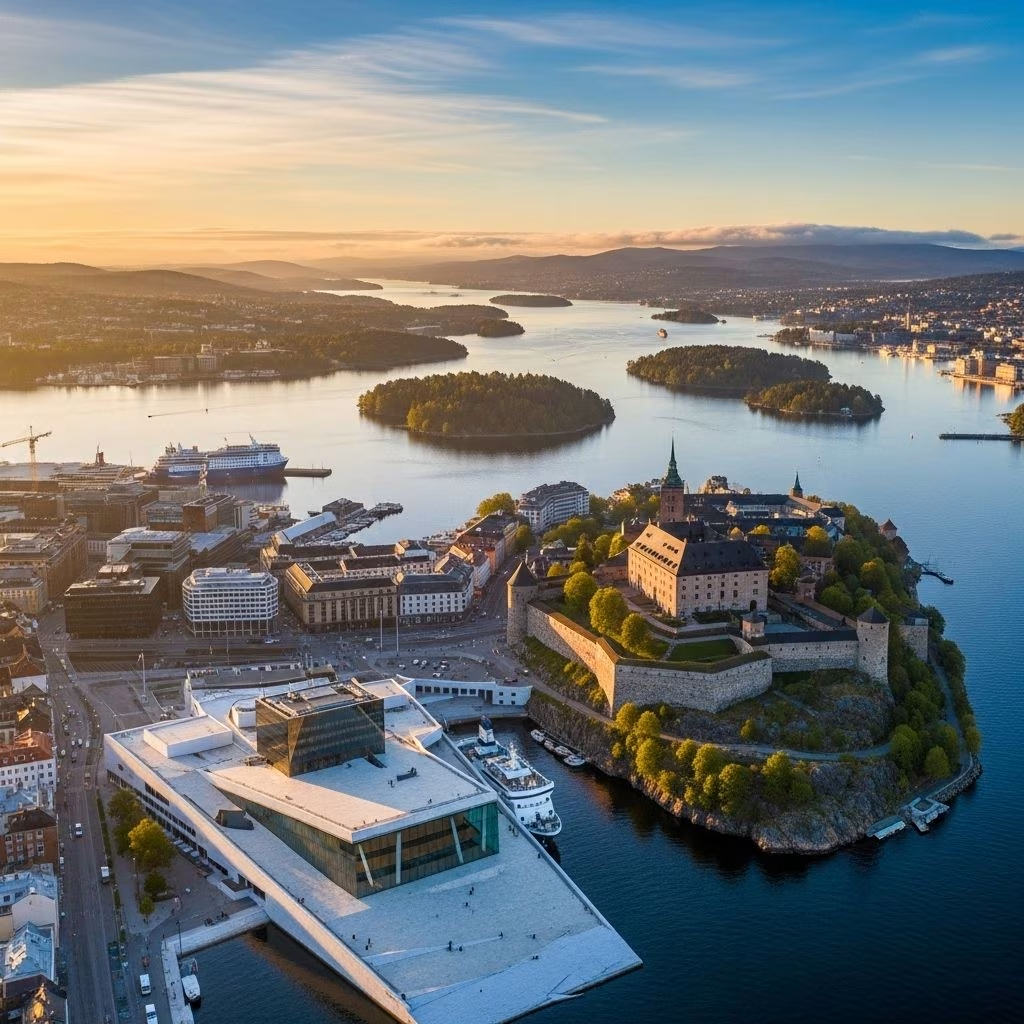
Oslo, nestled at the head of the Oslofjord, is both Norway’s political heart and its cultural soul. This city of striking museums, lively neighborhoods, and bold urban design seamlessly blends ancient heritage with modern ideas. Whether you are captivated by Viking legends, Munch’s vibrant canvases, or the energy along the waterfront, Oslo offers a rich and varied experience for every traveler.
At a Glance: Oslo’s Essential Highlights
- City Hall (Rådhuset): Norway’s iconic 20th-century government building, notable for its captivating municipal-themed murals.
- National Museum: The country’s grandest art collection in a stunning new home, highlighting the breadth of Norwegian culture and nature.
- Frogner Park and Vigeland Museum: A vast outdoor gallery of dramatic sculptures by Gustav Vigeland, surrounded by beautifully landscaped grounds and the artist’s studio museum.
- Fram Museum: Fascinating exhibits about Norway’s legendary Arctic exploration ships and polar adventures.
- Norwegian Resistance Museum: Immersive chronicle of Norway’s struggle during World War II, inside the historic Akershus Fortress.
- Norwegian Folk Museum: 150 remarkable historic buildings capturing rural Norwegian life in an open-air setting.
- Museum of the Viking Age: Future home for Viking treasures, set to open in the coming years; until then, see Viking relics at other local museums.
- Kon-Tiki Museum: Celebrates Thor Heyerdahl’s daring expeditions on the primitive Kon-Tiki and Ra II.
- Aker Brygge and Tjuvholmen: Oslo’s bustling harbor promenade, filled with public art, upscale shops, and lively waterfront cafes.
- Oslo Opera House: A modern architectural masterpiece and centerpiece for the city’s dynamic waterfront redevelopment.
- Munch Museum: State-of-the-art tribute to the world-renowned artist Edvard Munch.
- Norwegian Maritime Museum: A journey through Norway’s deep seafaring traditions and oceanic heritage.
- Nobel Peace Center: Showcases inspiring stories of Nobel Peace Prize laureates and the power of peace.
- Grünerløkka: Former industrial district now buzzing with trendy cafes, independent boutiques, and nightlife.
- Ekeberg Sculpture Park: An outdoor gallery of striking contemporary works amid natural beauty and sweeping city views.
- Holmenkollen Ski Jump and Museum: Iconic ski jump with panoramic vistas and an in-depth history of Norway’s ski culture.
Oslo’s Rich History and Cityscape
Oslo’s roots stretch back over a millennium, from its days as a Viking power center through centuries of foreign rule by Danish and Swedish monarchs. For 300 years, Oslo was known as “Christiania” after its Danish king, but in 1924, Norwegians reclaimed its Old Norse name as a symbol of independence.
Today’s Oslo gracefully merges sleek, glassy modern high-rises with grand, classic facades, especially in its older, residential districts. The city’s harborfront is a hub of activity, with international cruise ships, working docks, and residents enjoying coveted fjordside views. Roughly one-fifth of Norway’s population calls greater Oslo home, making it the pulsing heart of Norwegian life and culture.
Top Museums and Sights
Oslo City Hall (Rådhuset)
The City Hall stands out with its imposing facade and is a showcase of Norwegian public art inside. Free guided tours highlight vast murals depicting everyday life, mythology, and moments from Norway’s story. It is also the site where the Nobel Peace Prize ceremony is held annually, making it a must-see for those seeking insight into the nation’s civic spirit.
National Museum
This landmark institution houses an impressive array of Norwegian masterworks and international art. Wander galleries filled with paintings, design, and folk treasures, and don’t miss Edvard Munch’s The Scream.
Frogner Park and Vigeland Museum
Frogner Park, also called Vigeland Park, is the largest sculpture garden in the world created by a single artist. Gustav Vigeland’s 200+ dramatic, expressive statues captivate visitors amid manicured lawns and tree-lined avenues. The Vigeland Museum, the artist’s preserved studio, reveals insights into his creative process.
Fram Museum
This unique museum is built around the Fram, the world’s strongest wooden ship, used in record-breaking Arctic and Antarctic expeditions. Experience recreated polar environments and learn the gripping tales of Norwegian explorers like Fridtjof Nansen and Roald Amundsen.
Norwegian Resistance Museum
Within the walls of Akershus Fortress, this museum offers a poignant look at Norway’s WWII experience, chronicling the fight against Nazi occupation through personal artifacts, multimedia, and historical documents.
Norwegian Folk Museum
This extensive open-air museum brings Norwegian history to life with 150 historical buildings, traditional farmsteads, and a notable stave church. Period-costumed interpreters demonstrate crafts, folk dancing, and rural customs.
Kon-Tiki Museum
Dedicated to the legendary explorer Thor Heyerdahl, the Kon-Tiki Museum displays original vessels and artifacts from his daring ocean voyages across the Pacific, tracing humanity’s ancient migrations.
Norwegian Maritime Museum
Gain insight into Norway’s powerful seafaring tradition with exhibits on shipbuilding, fishing, maritime rescues, and Arctic navigation. A treat for maritime enthusiasts and families alike.
Museum of the Viking Age
The new Museum of the Viking Age, set to open in the coming years, will debut spectacular Viking treasures, including reconstructed ships and daily life artifacts. Until then, see a real Viking boat at the Maritime Museum.
Munch Museum
This cutting-edge gallery holds the largest collection of works by Edvard Munch, Norway’s most illustrious artist, featuring iconic paintings, prints, and personal effects. The museum’s architecture itself is a modern wonder on Oslo’s skyline.
Nobel Peace Center
Celebrating the legacy of Alfred Nobel and the laureates of the Nobel Peace Prize, this dynamic museum presents interactive exhibits and powerful multimedia stories of peace, hope, and activism.
Oslo’s Vibrant Neighborhoods and Modern Life
Aker Brygge and Tjuvholmen
This lively harborfront promenade is Oslo’s gathering spot for locals and tourists. Walk along wooden piers lined with stylish boutiques, art galleries, the striking Astrup Fearnley Museum of contemporary art, and diverse eateries. Sunbathers, street musicians, and the scent of fresh waffles create an inviting scene, transforming the working docks into a lively urban playground.
Grünerløkka
Once a blue-collar industrial quarter, Grünerløkka is now Oslo’s trendiest neighborhood, brimming with independent shops, vibrant street art, local coffee roasters, craft beer bars, and creative start-ups. The area’s leafy parks and nearby Mathallen Food Hall are perfect for sampling Norway’s culinary renaissance.
Ekeberg Sculpture Park
Set on forested hills above the city, Ekeberg Park invites exploration among striking contemporary sculptures, works by international and Norwegian artists, and panoramic views over Oslo and the fjord. The park offers peaceful trails, picnic spots, and a unique blend of nature and modern art.
Holmenkollen Ski Jump and Ski Museum
Holmenkollen stands as a symbol of Norway’s winter sports tradition. The ski jump offers dazzling views over the city and fjord, while its museum traces 4,000 years of skiing history, artifacts, and Olympic triumphs. For thrill-seekers, a zip-line descends from the ski jump’s summit.
Experiencing the Oslo Waterfront
Oslo’s reinvigorated harborfront is a model of modern urban design, with the Oslo Opera House at its heart. Locals and visitors stroll, cycle, or relax on the marble roof of this architectural marvel for a unique city panorama. The area comes alive with ferries, floating saunas, and public art installations, making it a true window to both Oslo’s maritime past and its innovative future.
Day Trips and Fjord Adventures
- Oslofjord Cruises: Hop on a ferry or tour boat to explore the beautiful islands of the Oslofjord, with stops at historic lighthouses, small beaches, and summer retreats.
- Bygdøy Peninsula: Home to several top museums (Fram, Kon-Tiki, Viking), plus forested trails and tranquil seaside spots.
- Hiking and Biking: Oslo’s extensive parks and green spaces are perfect for urban hiking, cycling, and picnicking, especially in summer months.
Table: Oslo’s Must-See Attractions
| Attraction | Highlight | Location |
|---|---|---|
| Vigeland Park | Over 200 expressive sculptures | Frogner |
| Oslo Opera House | Modern performance arts & panoramic rooftop | Bjørvika, Harborfront |
| National Museum | Norway’s largest art collection | City Center |
| Fram Museum | Arctic exploration ship | Bygdøy Peninsula |
| Grünerløkka | Trendy food, shopping & nightlife | East Oslo |
| Holmenkollen | Ski jump & museum, city views | Northwest Oslo |
Tips for Exploring Oslo
- Buy an Oslo Pass: This card provides free entry to most museums, unlimited public transportation, and discounts on tours and restaurants.
- Getting Around: Oslo’s efficient buses, trams, and ferries make city travel easy and eco-friendly. City bikes are available for short rides.
- Weather: Summers are pleasantly mild and perfect for outdoor sights. Winters offer a magical, snow-dusted city—great for museums and winter sports.
- Local Etiquette: Norwegians respect personal space and value modesty. Don’t be surprised at the relaxed attitude towards outdoor recreation and topless sunbathing in city parks during summer.
Frequently Asked Questions (FAQs)
Q: What is the best time of year to visit Oslo?
A: Summer (June through August) offers warm days, outdoor festivals, and extended daylight. Winter is ideal for snow activities and festive markets, but many attractions remain open year-round.
Q: Can you see the Northern Lights in Oslo?
A: Rarely. Oslo is too far south and has considerable city lights; for stronger aurora displays, head north to Tromsø or Lofoten.
Q: Is Oslo an expensive city?
A: Yes, Oslo is one of Europe’s pricier cities, but you can save by using the Oslo Pass, shopping at food halls, and exploring free parks and walks.
Q: Are English and other languages widely spoken?
A: Absolutely. Norwegians typically speak excellent English, and many museums offer multilingual signs and audio guides.
Q: Which museums are suitable for families?
A: The Norwegian Folk Museum, Fram Museum, and Norwegian Maritime Museum are very family-friendly, with interactive exhibits and open spaces to explore.
Conclusion: Why Oslo Should Top Your Nordic Travel List
Oslo masterfully combines the grandeur of Norway’s past with its open-minded, inventive present. From the echoes of Viking longships, through the inspiring art of Munch and Vigeland, to the creative energy humming along its fjordfront promenades, Oslo offers deeply rewarding experiences for art lovers, history buffs, outdoor enthusiasts, and urban explorers alike. Whether you’re planning a quick stopover or a longer stay, Norway’s capital is sure to enrich your Nordic journey.
References
- https://www.youtube.com/watch?v=3MTS7WXCAUU
- https://www.ricksteves.com/europe/norway/oslo
- https://www.ricksteves.com/watch-read-listen/video/tv-show/oslo
- https://www.ricksteves.com/watch-read-listen/read/articles/sightseeing-progressive-oslo
- https://community.ricksteves.com/travel-forum/norway/roughly-1-day-in-oslo-what-are-your-must-see-suggestions
- https://www.ricksteves.com/watch-read-listen/video/oslo
- https://community.ricksteves.com/travel-forum/norway/oslo-norway-e17a9421-c61e-4641-9d0a-bd757234461b
- https://community.ricksteves.com/travel-forum/norway/24-hours-to-explore-oslo-norway-june-28th