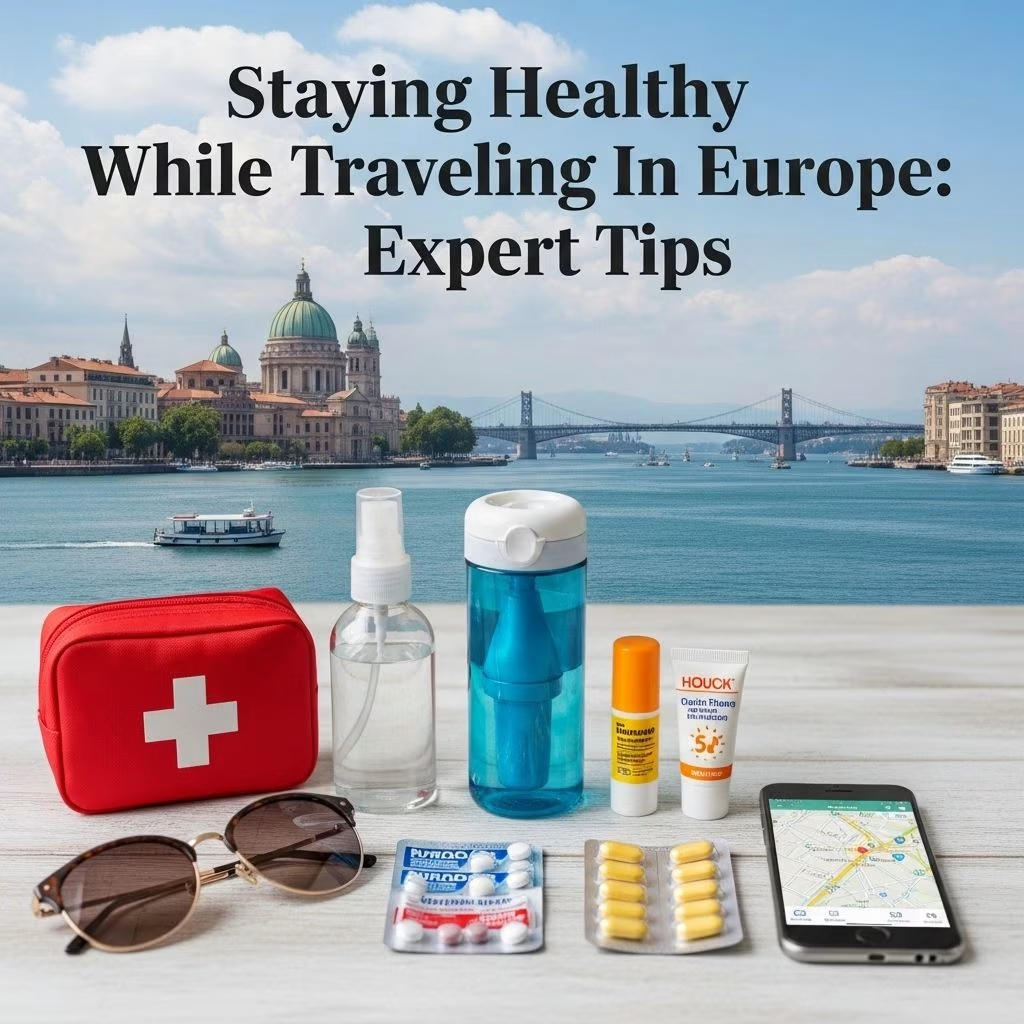
Staying Healthy While Traveling in Europe
Traveling is one of life’s greatest joys, but feeling unwell on a trip can quickly spoil even the best-planned vacation. Whether you’re navigating busy cities, exploring picturesque towns, or trekking through the countryside, prioritizing your health helps ensure your adventures are memorable for all the right reasons. This article offers comprehensive, practical guidance for staying healthy while traveling in Europe—from prevention and packing to knowing what to do if you get sick abroad.
Proactive Ways to Stay Healthy Abroad
Much of staying healthy on the road boils down to the same common-sense strategies you use at home, with some additional precautions for cross-cultural and environmental differences. Here are key habits to adopt before and during your trip:
- Eat a balanced diet: Prioritize fruits, vegetables, and lean proteins. Avoid overly fatty or rich foods that may upset your digestion.
- Stay hydrated: Drink plenty of water, especially during flights and after long days sightseeing. European tap water is generally safe but check local guidelines in each country or region.
- Get enough rest: Fatigue lowers immunity and can exaggerate jet lag and travel stress. Listen to your body and rest when you need it.
- Move your body: Walking is integral to European travel. Regular strolls through parks or city streets boost energy and circulation.
- Wash your hands often: Use soap and water or hand sanitizer, especially after using public transport and before meals.
- Avoid crowded spaces as possible: Overcrowded places increase your risk of respiratory illnesses. Consider wearing a mask in packed transport hubs or during outbreaks.
Preventing Common Travel Woes
- Jet Lag: Book flights arriving in the afternoon to help you stay awake until local bedtime. Sunlight helps reset your internal clock.
- Motion Sickness: Bring medication such as dimenhydrinate (Dramamine) or meclizine (Bonine); in some European countries, you can find cinnarizine (Stugeron), which is not available in the United States.
- Colds and Allergies: Maintain regular handwashing, carry tissues, and pack over-the-counter medications for symptoms like congestion, sneezing, or headaches.
Packing Your Travel Health Arsenal
Before you leave, assemble a personalized health kit to save time, money, and worry if minor illness or injury strikes:
- Prescription medications: Bring enough for your entire trip, plus a few days extra in case of delays. Always pack these in your carry-on, not checked luggage.
- Medication list: Have your prescriptions written with the generic names (not just brand names), which helps if you need a refill abroad.
- First-aid basics: Include adhesive bandages, moleskin or blister pads, antibacterial ointment, and a small roll of medical tape.
- Pain and fever relievers: Acetaminophen (called paracetamol in Europe) or ibuprofen for headaches, fevers, or sore muscles.
- Cold/flu medications: Severe cold and flu capsules, antihistamines (such as loratadine for allergies), and decongestants (note that availability may vary by country).
- Stomach remedies: Antidiarrheal agents, oral rehydration salts, and laxatives if prone to constipation.
- Sanitizer & surface wipes: Hand sanitizer and disinfectant wipes help reduce your exposure to germs in public spaces and accommodations.
- Travel accessories: Digital thermometer (remember: most European models use Celsius), oximeter (optional), and sunscreen.
The Value of Travel Insurance
Unexpected illness or accident can bring more than discomfort—they can threaten your itinerary and budget. Comprehensive travel insurance is an investment in peace of mind. Key considerations include:
- Health coverage: Look for policies that cover emergency medical care, hospitalization, evacuation, and repatriation.
- Cancellation/interruption insurance: Protects against unforeseen illness or emergencies that might cause you to miss part or all of your trip.
- Policy details: Understand coverage limits, exclusions, and claims procedures before you buy. Bring a digital and paper copy of your policy details and emergency numbers.
Blister Prevention and Foot Care
Europe’s charm is often best experienced on foot—but cobblestone streets and full days of walking can be challenging. Keep your feet happy with these tips:
- Choose well-broken-in shoes: Avoid new footwear; opt for supportive shoes that are already comfortable after hours of wear.
- Use anti-friction balm or bandages: Apply to areas prone to blistering, such as heels and toes. Moleskin and special blister pads can shield hot spots.
- Keep feet dry: Moisture increases friction. Change socks as needed, and let shoes dry out overnight if wet.
If you develop blisters, treat promptly. Clean with antiseptic, cover with a blister pad, and protect the affected area until healing begins.
Managing Minor Injuries and Sickness
Even with precautions, scrapes, sprains, or illnesses may occur. Here’s what to do:
- Sprains: Apply ice (ask your hotel or use cold water), elevate the limb, and rest. Use ibuprofen to reduce pain and swelling as needed.
- Colds: Get plenty of sleep, hydrate, and use over-the-counter remedies. Most pharmacies can provide equivalent medications if you run out.
- Stomach upset: For diarrhea, stick to bland foods and stay hydrated with bottled water or oral rehydration salts. For constipation, increase fiber and take a mild laxative if needed.
European Pharmacies: Your First Stop for Help
If you get sick abroad, pharmacies (often marked by a green cross) are the best first point of contact. European pharmacists are well-trained to handle minor ailments and can advise on whether you need to see a doctor. In larger cities, many pharmacies are open 24 hours or have late-night hours.
- Medication names may differ: Ask by the generic name (for example, acetaminophen is usually called paracetamol).
- For prescription refills: Bring your prescription (with generic name) from home, as brand names and availability can differ.
- Allergies: Common allergy meds include loratadine and, for drowsiness, diphenhydramine (Benadryl). For decongestants, pseudoephedrine is regulated in many countries—ask the pharmacist for advice.
- Headaches and fevers: Paracetamol (acetaminophen) and ibuprofen are widely sold for pain, fever, or inflammation.
When to See a Doctor
For persistent, severe, or unexplained symptoms—such as prolonged fever, breathing difficulties, chest pain, severe abdominal pain, or potential infections—seek medical help. Options include:
- Visiting a clinic or urgent care: Hotels can refer you to a local doctor or clinic. Fees are often much lower than in the U.S., and walk-in care is widely available.
- House calls: In some European cities, doctors make hotel visits at reasonable rates.
- Emergency numbers: Call 112 anywhere in the European Union for emergencies (ambulance, police, fire). In the UK, use 999.
Bring a copy of your medical and prescription history, as well as translation notes for critical conditions or allergies if needed. Digital translation apps can help in a pinch.
Special Concerns: Avoiding Serious Illness
- Covid-19 precautions: Practice regular hand hygiene, avoid crowded indoor spaces, and wear masks as warranted by local regulations or your health needs. Stay up to date with vaccinations.
- Communicable diseases: For more exotic destinations outside Western Europe, additional vaccines may be recommended—consult a health professional before travel.
- Food and water safety: Though most European water is safe, stick to bottled or filtered water in regions where quality is uncertain. Eat well-cooked foods and avoid pre-cut or raw vegetables if you have a sensitive stomach.
Smart Everyday Habits
- Consistent sleep routine: Maintain regular hours, and allow yourself to acclimate to new time zones gradually.
- Healthy snacks: Pack nuts, granola bars, or fruit for when hunger strikes during busy sightseeing days.
- Take breaks: Incorporate a midday rest or shade break to stay refreshed, especially during summer heat.
- Listen to your body: Adjust your pace and agenda if you start feeling run down.
Sample Table: Common Medication Names
| Symptom | US Medication Name | Generic | European Name |
|---|---|---|---|
| Pain/Fever | Tylenol | Acetaminophen | Paracetamol |
| Allergies | Claritin | Loratadine | Loratadine |
| Motion Sickness | Dramamine | Dimenhydrinate | Stugeron (Cinnarizine, UK/Europe) |
| Decongestant | Sudafed | Pseudoephedrine | Pseudoephedrine* |
*Availability may be restricted in some European countries.
Frequently Asked Questions
Q: How do I find medical help if I get sick in Europe?
A: Start with the local pharmacy for minor ailments. For serious or persistent concerns, hotel staff can direct you to nearby clinics or call a doctor. Emergency numbers are 112 (EU-wide) or 999 (UK).
Q: What should I pack in a travel health kit?
A: Pack all prescription medications with the generic name, pain/fever relievers, cold/flu medications, adhesive bandages, anti-diarrheal and constipation medicine, hand sanitizer, and any personal health items.
Q: Is tap water safe to drink in Europe?
A: In most Western European countries, tap water is safe. Always check local guidelines, and in uncertain areas, opt for bottled or filtered water.
Q: Should I buy travel insurance—and what type?
A: Travel insurance is strongly recommended. Look for coverage for medical emergencies, evacuation, trip cancellations, and your particular pre-existing conditions.
Q: What’s the best way to prevent blisters while walking?
A: Wear shoes that are already broken in, use anti-friction products or bandages, and keep your feet dry. Address sore spots immediately to prevent worsening.
More Tips for a Healthy Trip
- Book accommodations within walking distance of central sights to allow for midday breaks and avoid exhausting travel days.
- Carry a refillable water bottle and refill at public fountains where water is potable.
- Use translation apps for medical emergencies if you don’t speak the local language.
- Bring backups for critical health items (glasses, contact lenses, hearing aids, etc.).
- Practice your regular wellness routines—bring snacks, get fresh air, and don’t overcommit your daily schedule.
Staying healthy ensures that your European adventure lives up to its full potential. With a little preparation and a few good habits, you’ll spend less time at the pharmacy and more time making memories!
References
- https://www.islands.com/1795973/rick-steves-tips-save-doctor-visit-while-traveling/
- https://community.ricksteves.com/travel-forum/general-europe/staying-healthy-while-traveling
- https://www.youtube.com/watch?v=bKWK6nCFhlg
- https://ert-test.latech.edu/rick-steves-health
- https://www.ricksteves.com/travel-tips/health
- https://www.ricksteves.com/travel-tips/health/medical-care-in-europe
- https://www.ricksteves.com/travel-tips/health/womens-health