Normandy: A Region Steeped in History and Beauty
Normandy, located in the northwestern reaches of France, beckons with its lush green hills, sweeping coastlines, half-timbered towns, and thatched cottages. Despite the tranquil atmosphere that welcomes visitors today, Normandy’s landscape bears the marks of a tumultuous past—from the Viking invasions to William the Conqueror’s exploits, from Joan of Arc’s martyrdom to the colossal D-Day landings of World War II. Rich in heritage, art, and cuisine, this region is a magnet for those seeking a blend of natural charm and historical depth.
Normandy’s Essential Destinations
Whether you are a history buff, art enthusiast, or culinary explorer, Normandy offers a plethora of experiences. Below, explore the must-see highlights across this enchanting region:
- Rouen: Medieval streets, Gothic cathedrals, and the echoes of Joan of Arc.
- Giverny: Monet’s iconic gardens and birthplace of Impressionist inspiration.
- Honfleur: Harbor towns, timeless light, and crêpes along the Seine estuary.
- Bayeux: Home to the famed Bayeux Tapestry and bustling markets.
- D-Day Beaches: Arromanches, Omaha, Utah, and the pivotal sites of WWII.
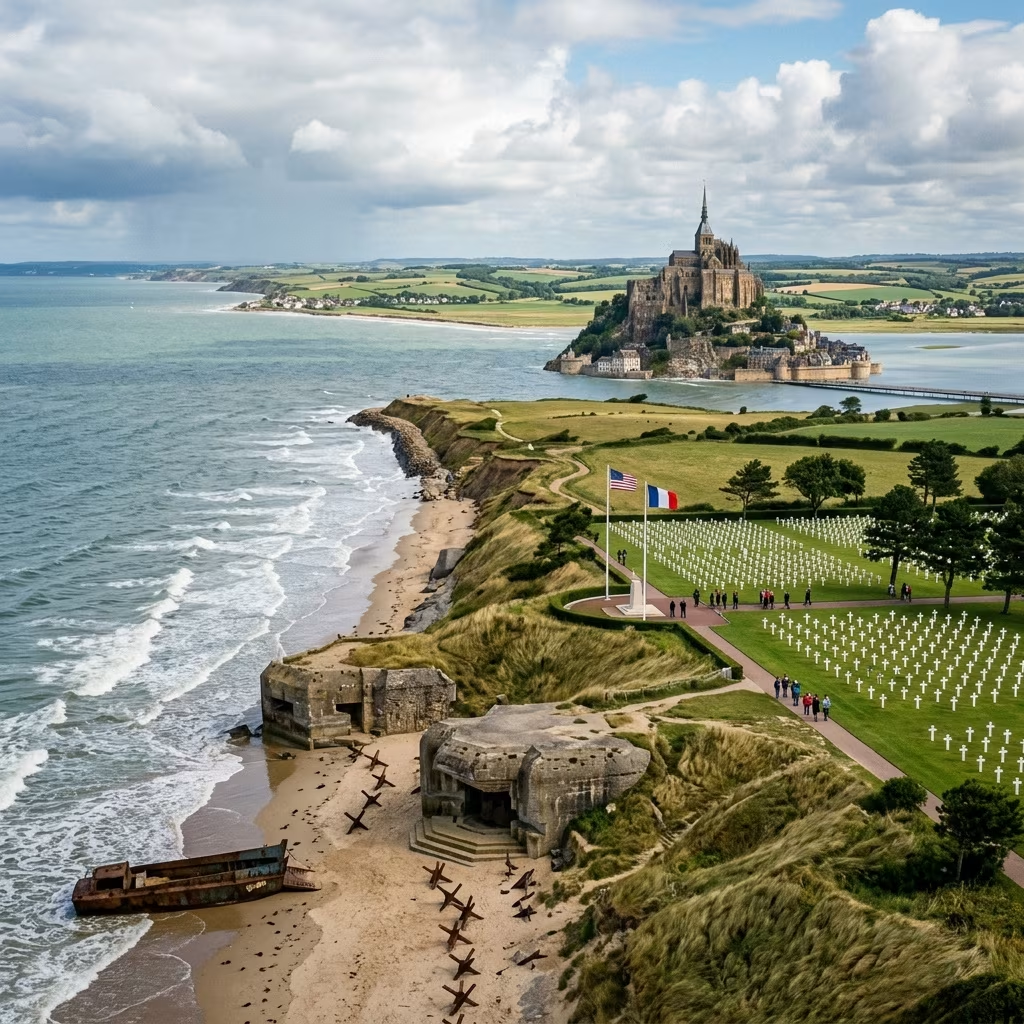
- Mont St-Michel: The ‘marvel of the Western world,’ an abbey rising from the tidal flats.
Rouen: A City of Medieval Majesty and Sacred Heritage
Rouen, Normandy’s historic capital, entices with half-timbered houses, elaborate churches, and cobbled lanes. Looming over the old town stands the Notre-Dame Cathedral, immortalized by Monet’s repeated studies of light. Not far away is the site where Joan of Arc met her fate, with memorials and museums recounting her role in France’s national story.
- Cathedral of Notre-Dame: A Gothic masterpiece, famed for its tower and vibrant nightly illuminations.
- Rue du Gros-Horloge: A picturesque street lined with shops and crowned by a 14th-century astronomical clock tower.
- Joan of Arc’s Memorial: Visit the modern church and memorial on the historic Place du Vieux-Marché.
Giverny: Stepping into an Impressionist Landscape
A short journey from Rouen, the village of Giverny enchants with the luxuriant gardens of Claude Monet. Here, Monet cultivated the water lily pond and Japanese bridge that inspired some of Impressionism’s most iconic works.
- Explore Monet’s home, his stunning flower gardens, and the carefully designed lily pond.
- The Museum of Impressionisms offers deeper insight into the development and influence of the style.
Honfleur: A Harbor of Light and Living Art
At Normandy’s coast, Honfleur is renowned for its scenic harbor—a place where artists come to capture the ever-shifting light. The old port is framed by tall, timber-clad buildings and lined with brasseries and galleries. This town is celebrated as a cradle of Impressionism, with luminaries like Boudin and Monet painting its maritime scenes.
- Vieux Bassin: The picturesque historic harbor at the town’s heart.
- Eugène Boudin Museum: Showcasing local Impressionist art and historic costumes.
- Erik Satie’s House: A whimsical museum exploring the life of the avant-garde composer through sound and spectacle.
Traditional Stays: The “Chambre d’hôte” Experience
To truly immerse yourself in Normandy’s local culture, consider staying at a family-run chambre d’hôte (bed and breakfast). Welcoming hosts offer cozy rooms and regional breakfasts, helping visitors connect more intimately with the area’s rhythms and traditions.
Bayeux: A Tapestry of History and Lively Markets
Inland, the town of Bayeux boasts a remarkable medieval heritage. The star attraction is the Bayeux Tapestry, an 11th-century embroidery chronicling William the Conqueror’s invasion of England and the Battle of Hastings in 1066. Wander through the bustling Saturday market or marvel at the stately Bayeux Cathedral nearby.
- Bayeux Tapestry Museum: See the 70-meter masterpiece unveiled with detailed commentary and visuals.
- Bayeux Cathedral: Majestic Gothic architecture anchors the old quarter.
- Saturday Market: A vibrant scene for fresh produce, flowers, and Norman specialties.
D-Day Beaches: Walking the Sands of Sacrifice
No region is more associated with the liberation of Europe during World War II than Normandy. The D-Day beaches—from Utah and Omaha to Juno and Sword—mark where Allied forces landed on June 6, 1944, igniting the battle to free France from Nazi occupation. Carefully preserved memorials, museums, and cemeteries help visitors comprehend the scale of this pivotal moment.
- Arromanches: The remains of the floating Mulberry harbor are visible from the shore.
- Omaha Beach and Normandy American Cemetery: Silent fields of white crosses stand above the sand where so many fell.
- Pointe du Hoc: Dramatic cliffs scaled by American rangers offer haunting views and preserved bunkers.
- Utah Beach Landing Museum: Detailed displays recount the American advance and liberation.
- Ste-Mère-Église: The first village liberated, famous for its parachutist-topped church.
- Juno Beach: A Canadian memorial and cemetery, honoring those who stormed its sands.
Caen: Center of Reflection and Remembrance
Normandy’s Caen is home to the Caen Memorial Museum, an essential stop for those wishing to grasp both the context and consequences of the D-Day landings. The museum addresses the causes of WWII, life during occupation, and the journey toward peace in the modern era.
A self-guided tour takes visitors through immersive exhibitions, poignant testimonials, and interactive displays that connect Normandy’s fate to the wider currents of European history.
Mont St-Michel: The Jewel in Normandy’s Crown
Possibly the most magical site in Normandy, Mont St-Michel appears as a vision above gleaming sand flats, joined to the mainland only by a narrow causeway. Pilgrims and travelers alike have marveled at its silhouette for over a millennium.
- The Abbey: A marvel of medieval architecture, reachable after a climb through steep lanes and stairways lined with shops and eateries.
- Guided Abbey Tours: Learn about the monastic life, construction, and evolution of this UNESCO World Heritage site.
- Pilgrim Walks: At low tide, join a guided walk across the bay, reliving the centuries-old pilgrim approach.
Regional Culture and Cuisine
A visit to Normandy is not complete without indulging in its flavors. This region is famed for its dairy products, apples, seafood, and hearty rustic fare. Savoring local specialties is an essential part of the Norman journey.
- Crêpes and Galettes: These thin pancakes (often made from buckwheat) can be enjoyed sweet or stuffed with savory fillings.
- Camembert Cheese: Creamy and pungent, Normandy’s king of cheeses is prized across France.
- Apple Cider (Cidre): Choose from sweet or dry variations—perfect with crêpes or galettes.
- Seafood: Oysters, mussels, and scallops harvested from cold coastal waters.
- Calvados: The fiery apple brandy beloved as a digestif.
Many family-run inns and seaside brasseries offer travelers the chance to sample these delicacies paired with local hospitality.
Travel Tips: Planning Your Normandy Journey
- Getting Around: Distances are moderate; a rental car allows access to small towns and rural scenes. Highways are efficient; tolls are worth the saved time.
- Accommodations: Look for charming bed & breakfasts (chambres d’hôtes) and historic inns in village centers.
- Language: Basic French is helpful, though many in the tourism sector speak English.
- Time Allocation: Normandy merits at least three to five days to experience both coast and interior highlights.
Itinerary Suggestions
| Day | Highlights |
|---|---|
| 1 | Arrive in Rouen, tour old town and cathedral |
| 2 | Excursion to Giverny and Monet’s Gardens |
| 3 | Explore Honfleur’s harbor and art museums; enjoy a seaside dinner |
| 4 | Morning at Bayeux Tapestry, afternoon at D-Day beaches |
| 5 | Visit Caen Memorial, journey to Mont St-Michel for sunset |
Frequently Asked Questions (FAQs)
Q: What is the best time to visit Normandy?
A: Late spring (May–June) and early autumn (September–October) offer mild weather, blooming gardens, and fewer crowds. Summer is the warmest but can attract more visitors to popular sites.
Q: Is a car necessary for exploring Normandy?
A: While some towns are accessible by train or bus, a car provides maximum flexibility to reach rural sites, the D-Day beaches, and small villages.
Q: Can I visit the D-Day beaches independently?
A: Yes, but guided tours (available in English and French) provide valuable context and allow you to see multiple significant sites efficiently.
Q: Are there local food specialties unique to Normandy?
A: Absolutely. Don’t miss Camembert cheese, cider, calvados, fresh seafood, and both sweet and savory crêpes or galettes.
Q: Is Mont St-Michel accessible at all times?
A: The causeway is usually accessible except at rare high tides; however, check for scheduled closures and join a guided bay walk at low tide for a unique experience.
Insider Tips for Rewarding Travel
- Reserve accommodations near top sights, such as Honfleur’s port or within walking distance of Mont St-Michel.
- Plan D-Day commemorations or museum visits in advance, especially around the June 6th anniversary.
- Bring layers—they’ll shield you from the region’s famously changeable weather.
- Immerse yourself in local markets for authentic flavors, crafts, and a glimpse of daily Norman life.
Normandy promises a journey through evocative landscapes and history-laden towns. Whether following the footsteps of conquerors, artists, or liberators, each traveler finds a personal connection in this cherished region of France.
References
- https://store.ricksteves.com/shop/p/normandy-guidebook
- https://www.ricksteves.com/watch-read-listen/video/tv-show/normandy
- https://www.ricksteves.com/watch-read-listen/video/travel-talks/normandy-loire
- https://www.ricksteves.com/europe/france/normandy
- https://community.ricksteves.com/travel-forum/france/detailed-itinerary-suggestions-normandy
- https://www.youtube.com/watch?v=rc7mz2XojjM
- https://www.ricksteves.com/europe/france/d-day-beaches
- https://www.youtube.com/watch?v=yeEt6G3hwnk