Iceland’s Hot Springs: A Soak into Nature, Wellness, and Icelandic Culture
Among the dramatic volcanic landforms, thundering waterfalls, and starkly beautiful landscapes of Iceland, one of the most memorable—and relaxing—experiences visitors can find is soaking in naturally heated water. Iceland’s hot springs and geothermal baths are both an ancient tradition and a modern national pastime, offering everything from luxurious spas to wild, steamy rivers in open nature. This guide explores the culture, geography, and pure joy of Iceland’s thermal waters.
The Geology Behind Iceland’s Steamy Waters
Sitting astride the Mid-Atlantic Ridge, Iceland is a land literally split by tectonic forces. Deep beneath its surface, the earth’s crust is thin, allowing magma to heat underground reservoirs. This volcanic energy gives rise to geothermal hot springs, bubbling mud pots, and explosive geysers—a landscape alive with steam and warmth.
- Volcanic Activity: Iceland has over 200 volcanoes and countless geothermal sites, from geysers to piping-hot rivers.
- Harnessing Natural Energy: Icelanders have become experts at using geothermal energy for heating, electricity, and wellness.
- Rich Mineral Waters: Geothermal water often contains minerals like silica, sulfur, and algae, believed to have skin-soothing properties.
This geological bounty is the basis for both modern spas and ancient bathing traditions, allowing the entire nation to be heated and energized by the earth itself.
A National Obsession: Iceland’s Bathing Culture
For Icelanders, bathing in warm water is not just a leisure activity—it’s a way of life. From public pools in every town to wild rivers hidden in valleys, communal soaking is an integral part of the culture.
- Social Hubs: Local people often meet, relax, and discuss news in community baths—think of them as Iceland’s equivalent of a village pub or café.
- Daily Routines: Many Icelanders start or finish their day with a dip, following rigorous shower etiquette and often moving between pools, hot tubs, and saunas.
- Health Beliefs: The mineral-rich, naturally warm water is believed to soothe stress, ease aches, and promote well-being.
The Blue Lagoon: Iceland’s Iconic Spa
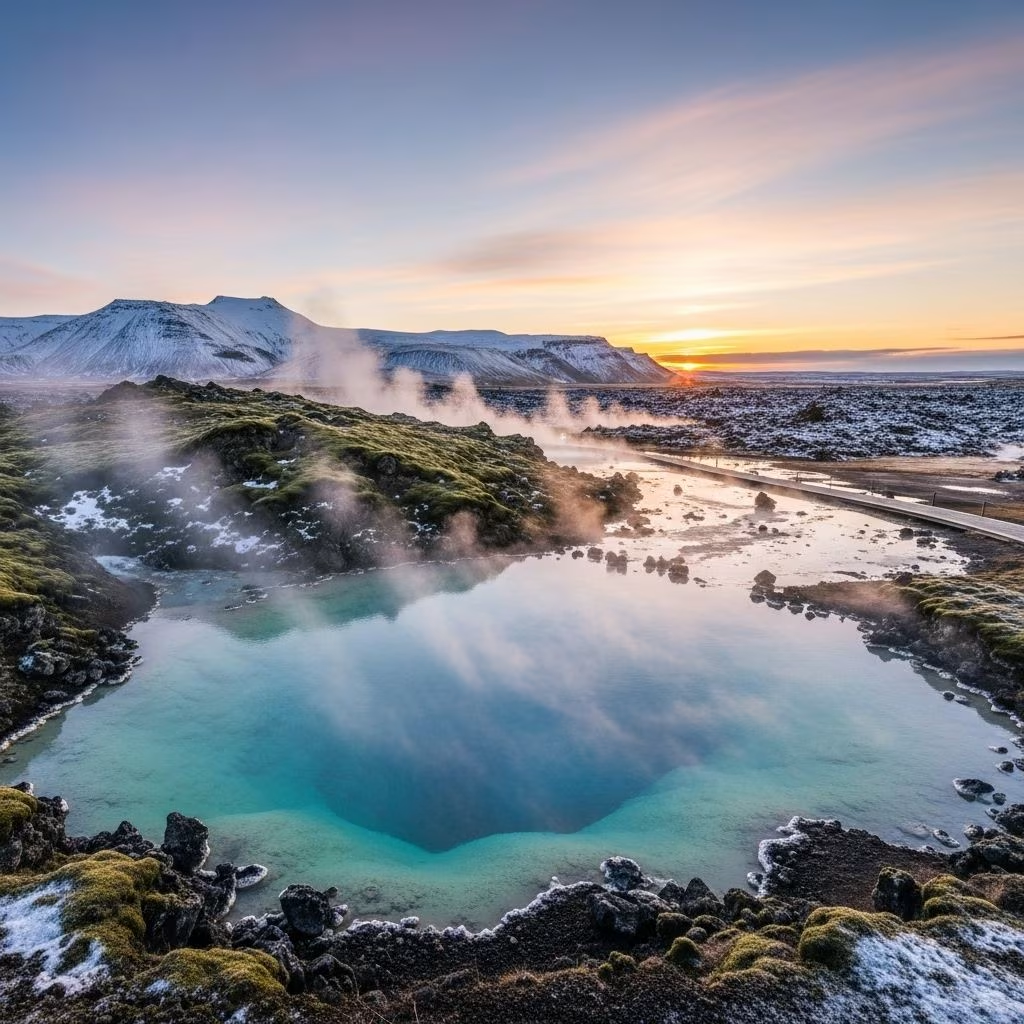
No destination is more associated with Icelandic thermal bathing than the Blue Lagoon. Close to Keflavík International Airport, it’s often travelers’ first or last stop in Iceland—a surreal, milky-blue expanse nestled in black volcanic rock.
How the Blue Lagoon Was Born
Despite its natural appearance, the Blue Lagoon is a happy accident. When the nearby geothermal power plant began pumping hot water from below the earth, mineral-rich wastewater created warm pools in the lava field. Locals discovered this oddity and began to bathe here; eventually, developers transformed it into a world-class spa.
- Mineral-Rich Water: High in silica, sulfur, and algae, the creamy water is famous for leaving skin soft and smooth.
- Facilities: Spa-like amenities include steam rooms, saunas, swim-up bars, silica mud masks, luxurious lounges and treatments.
- Reservations Required: Entry slots often sell out; advance online booking is essential. The lagoon’s popularity leads to higher prices compared to most other pools.
- Location: About 45 minutes from Reykjavík and close to the airport—perfect for combining with flights or airport transfers.
What You’ll Experience at the Blue Lagoon
- Wade through dreamy, blue-tinted water with temperatures around 37–39°C (98–102°F).
- Indulge in a silica mud mask: smear the white paste on your face for a DIY spa treatment.
- Relax under a cascading waterfall for a vigorous natural massage.
- Grab a drink at the in-water bar—it’s included with most entry packages.
- Take care: the water is opaque! Don’t drop your glasses or belongings, as you won’t find them easily.
Though massively popular and a little touristy, the Blue Lagoon remains a must-visit for many travelers, offering a blend of Icelandic wellness and surreal, lunar-like atmosphere.
Beyond the Blue Lagoon: Public Thermal Pools
While the Blue Lagoon is famous, locals rarely soak here. For an authentic Icelandic experience, visit one of the hundreds of public geothermal pools scattered throughout Iceland’s towns and cities. These municipal pools are community gathering spots—social, affordable, and integral to daily life.
- Community Connection: Icelanders of all ages use these pools for exercise, family fun, and neighborhood gossip.
- Facilities: Most feature a large, warm outdoor pool, a few hot tubs (some at near-hot tub temperatures), steam rooms, and sometimes waterslides or children’s zones.
- Low Cost: Entry typically costs a fraction of the Blue Lagoon; facilities are modern and clean, with strict hygiene standards.
- Famous Pools: Reykjavik’s Laugardalslaug, Vesturbæjarlaug, and Sundhöllin are local favorites, each with unique character and features.
To get the most from your visit, follow local bathing etiquette: shower thoroughly (without your swimsuit) before entering the pools, and be respectful of quiet areas and unwritten rules.
Out in the Wild: Natural Hot Springs and Rivers
For those craving adventure, nothing beats bathing in wild nature. Across Iceland, you’ll find rivers, pools, and even steaming craters where you can soak amidst jaw-dropping landscapes.
- Reykjadalur Valley (“Steamy Valley”): Near Hveragerði, hike about an hour to a warm, knee-deep stretch of river. Beautiful, rustic and unforgettable.
- Seljavallalaug: Built in 1923 and one of Iceland’s oldest pools, this mountainside spot is filled with warm spring water and reached by a short hike.
- Landmannalaugar: A remote and stunning region in the Highlands, known for its natural warm springs and colorful rhyolite mountains.
- Tips for Wild Soaking:
- Bring your own swimwear and towel—facilities are often minimal or non-existent.
- Stay on marked paths to avoid fragile crusts and scalding water.
- Be prepared for Icelandic weather: dress in layers and protect valuables from rain.
- Pack out all trash and respect the natural environment.
Mild summer days and chilly autumn evenings are perfect for wild soaking, but always mind safety and environmental impact.
Geysers, Steam Fields, and Geothermal Marvels
Iceland’s geothermal activity is not limited to hot pools—steam vents, bubbling mud pots, and explosive geysers are scattered across the countryside, creating a living laboratory of natural forces.
- Geysir and Strokkur: On the Golden Circle route, the Geysir geothermal field is home to the original geyser—from which all others get their name. While Geysir erupts infrequently, neighboring Strokkur erupts every few minutes, shooting water 30 meters skyward.
- Seltún Geothermal Area: On the Reykjanes Peninsula, vivid colored mud pools, steaming vents, and boardwalks provide a close look at the raw power beneath Iceland’s surface.
- Hellisheiði Power Plant: Just outside Reykjavik, this facility turns geothermal water into both electricity and city heat, demonstrating Iceland’s innovative use of natural resources.
Visiting these spots is both an education in earth science and an awe-inspiring reminder of Iceland’s wild energy.
Icelandic Bathing Etiquette: Essential Tips for Every Visitor
- Shower First: Always shower thoroughly (without a swimsuit) before entering any pool or hot spring. This isn’t just politeness—it’s required!
- Bring Your Own: Most wild springs require you to carry your own swimsuit, towel, and water shoes. Pools provide lockers, but towels and suit rentals may cost extra.
- No Cameras in Changing Rooms: Respect privacy and local customs—cameras and phones are often prohibited around communal spaces.
- Mind the Water Temperature: Some hot pots are very hot; test carefully before slipping in.
- Take It Slow: Hot water can be dehydrating—remember to hydrate before and after your soak.
Wellness and the Icelandic Mindset
For centuries, Iceland’s people have turned to thermal pools not just for warmth, but for good health and peace of mind. Today, locals and travelers alike find the pools offer a unique blend of social connection, mental relaxation, and physical therapy.
- Year-Round Enjoyment: Whether it’s snowy winter or midnight-sun summer, soaking outside is a delight in any weather.
- Wellness Rituals: Many combine hot soaks with cold plunges or roll in the snow—considered invigorating and excellent for circulation.
- Family Friendly: Pools and baths are multi-generational; children, teens, parents, and elders all gather here for fun and wellness.
- No Rush: Icelandic pools are for lingering—so slow down, savor the moment, and let the stress melt away.
Suggested Hot Spring Destinations Around Iceland
| Bath or Pool | Location | Type | Special Features |
|---|---|---|---|
| Blue Lagoon | Reykjanes Peninsula | Luxury Spa | Silica mud masks, bar, close to airport |
| Laugardalslaug | Reykjavík | Public Pool | Slides, hot tubs, steam rooms |
| Seljavallalaug | South Iceland | Historic Pool | Hidden, built in 1923, mountain scenery |
| Reykjadalur (Steamy Valley) | Near Hveragerði | Natural River | Requires scenic hike, open to nature |
| Landmannalaugar | Highlands | Natural Spring | Remote, colorful mountains, hiking base |
Frequently Asked Questions About Icelandic Hot Springs
Q: Are hot springs open year-round in Iceland?
A: Yes, most geothermal pools and hot springs are open year-round. Soaking in steaming water while surrounded by snow is a classic Icelandic experience!
Q: Are Iceland’s hot springs safe?
A: They’re generally safe, but always heed local signage, stay on marked trails, and test natural pools for hot spots before entering. Never bathe in unsafe areas or near active geothermal vents.
Q: What should I bring to a hot spring?
A: Bring a swimsuit, towel, water shoes (helpful for rocky pools), and a refillable water bottle. For wild springs, pack out all trash and personal items.
Q: Can I visit a hot spring if I have sensitive skin or allergies?
A: While most people benefit from the mineral-rich water, those with sensitive skin should rinse off after soaking, and check if high sulfur or algae content irritates their skin. Consult your doctor if you have concerns.
Q: Which is better: Blue Lagoon or local pools?
A: The Blue Lagoon is famous and luxurious, perfect for spa lovers and first-timers. Iceland’s local pools offer a more authentic, affordable, and social experience—try both if you can!
Plan Your Perfect Icelandic Soak
With a landscape sculpted by fire and ice, Iceland’s geothermal bathing culture is unlike any in the world. Whether you seek a luxurious spa, community connection, or an untamed river out in raw wilderness, there’s a hot spring for every style. Follow local customs, soak at your own pace, and embrace the unique Icelandic rhythm—relaxation is just beneath the surface.
References
- https://blog.ricksteves.com/cameron/2018/04/iceland-thermal-baths-blue-lagoon
- https://www.ricksteves.com/watch-read-listen/read/articles/iceland-geothermal-sights
- https://www.ricksteves.com/watch-read-listen/video/tv-show/iceland
- https://www.ricksteves.com/watch-read-listen/read/articles/iceland-a-hot-destination
- https://www.ricksteves.com/watch-read-listen/read/articles/iceland-hot-springs
- https://www.ricksteves.com/watch-read-listen/audio/radio/programs/program-804
- https://blog.ricksteves.com/cameron/2018/04/lake-myvatn-north-iceland
- https://www.ricksteves.com/watch-read-listen/video/travel-talks/iceland
- https://www.iheart.com/podcast/180-travel-with-rick-steves-23086009/episode/-292537238/