Palermo, Sicily: Unveiling Surprises in the Mediterranean’s Crossroads
At the heart of the Mediterranean, Palermo stands as a vibrant testament to centuries of cultural fusion, historical upheaval, and spirited regeneration. Once perceived as chaotic and gritty, Palermo now offers travelers a refreshing blend of lively street culture, eclectic architecture, and bold flavors, all wrapped in the unmistakable warmth of Sicilian hospitality. This guide takes you through Palermo’s markets, boulevards, noble mansions, cryptic secrets, and daily rituals, revealing why Sicily’s capital is a must-see for any adventurous traveler.
The Gateway to Sicily
As Sicily’s main city and historic capital, Palermo is a busy port encircled by mountains, its streets humming with energy and bustling crowds. The city’s unique character combines scruffy elegance with the chaotic, lively spirit that defines much of southern Italy. A walk through Palermo is a journey through civilizations: Greek, Roman, Arab, Norman, and Spanish influences are all etched in its buildings, customs, and cuisine. Over millennia, these cultures have woven Palermo into the rich tapestry that marks it as the crossroads of the Mediterranean.
- Founded as a Greek colony in the 8th century BCE.
- Ruled by Romans, Arabs, Normans, and Spanish – each leaving indelible marks.
- The city’s architecture reflects this multicultural heritage: Norman cathedrals, Arab domes, Baroque palaces, and Spanish-style squares.
Exploring Palermo’s Markets: The City’s Lively Soul
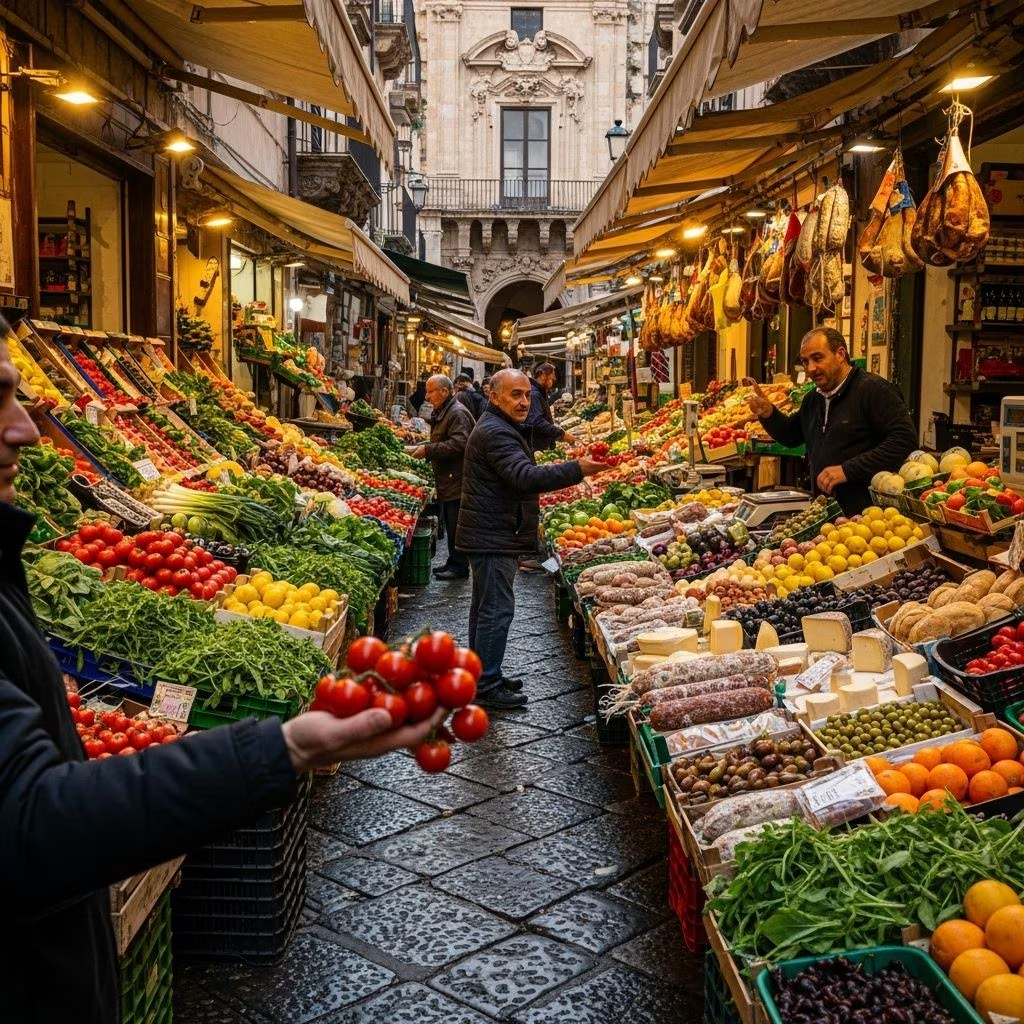
Nothing embodies Palermo’s lively spirit better than its open-air markets. These labyrinths of food stalls, produce displays, and boisterous salesmen are the social and culinary heartbeats of the city. Each market tells its own story, showcasing the city’s enduring traditions and multicultural influences.
Ballarò Market
The Ballarò Market is an electrifying scene where traders compete for attention with serenades, jokes, and animated banter. It’s a place where curiosity is rewarded, whether sampling local cheeses, freshly-caught seafood, or the city’s legendary street food. Be prepared for sensory overload: the pile of vegetables glistening with morning dew, the sizzle of arancini frying, and the passionate calls of market vendors create an unforgettable atmosphere.
- Street Food Adventure: Follow in the footsteps of locals and try odd delicacies such as boiled veal nose (naso di vitello), grilled organ meats, or crispy chickpea fritters (panelle).
- Social Hub: Markets are not just about shopping; they are places for Sicilians to socialize, gossip, and maintain centuries-old culinary traditions.
Vucciria and Capo Markets
Beyond Ballarò, Vucciria and Capo markets also pulse with Sicilian energy. Vucciria’s nighttime bars and food stalls are legendary among young Palermitani, while Capo’s fresh produce and daily bargains draw locals from across the city. These markets maintain Palermo’s reputation as one of Italy’s most exciting food capitals, blending tradition with a contemporary edge.
- Expect lively crowds, brightly colored displays, and vendors singing to attract customers.
- Sample regional specialties like sfincione (Palermo-style pizza), sweet cannoli, and eggplant caponata.
Layers of History and Multiculturalism
Every street in Palermo reveals the city’s tumultuous and layered past. Over two millennia, conquerors and traders have shaped its evolution, resulting in an unmatched blend of architecture, art, and societal norms. From ancient ruins to medieval churches and grand mansions, the city’s physical landscape mirrors its diverse history.
Palaces and Noble Mansions
Hidden behind Palermo’s noisy boulevards are elegant noble mansions, often inaccessible to casual passersby. Guided tours sometimes offer rare glimpses into these homes, such as the storied Palazzo Federico. Here, you can meet local aristocrats, hear tales of past grandeur, and witness rooms where famous composers like Richard Wagner once played music for Sicilian nobility.
- Palazzo Visits: Noble mansions guard secrets of Sicilian society hidden behind their imposing facades: intricate mosaics, antique furniture, and personal anecdotes enrich every visit.
- Personal Encounters: Engaging with the palace’s residents, such as the charming Contessa Federico, often leads to unexpected hospitality – perhaps a glass of estate wine or a glimpse of vintage racecars.
Capuchin Crypts: Palermo’s Quirky Side
One of Palermo’s most unusual attractions lies beneath the city: the famous Capuchin Crypts. For centuries, monks of the Capuchin order have preserved entire bodies, not just bones, placing them on display in haunting corridors. The crypt embodies Palermo’s fascination with mortality, religious ritual, and bizarre traditions.
- Originated in the 16th century when the crypt was found to miraculously preserve flesh.
- Wealthy parishioners paid handsomely to be mummified and displayed with the monks.
- Tours include winding subterranean passageways adorned with hundreds of mummified bodies, dressed in their finest attire.
Architectural and Artistic Highlights
Palermo’s urban landscape is a reflection of centuries of artistic endeavor and shifting political control. Landmark buildings seamlessly blend styles from across Europe and the Arab world.
- Palermo Cathedral: A majestic ensemble that combines Norman, Gothic, Baroque, and Neoclassical elements.
- Quattro Canti: This famous intersection showcases Baroque sculpture and serves as the epicenter of Palermo’s evening stroll, the passeggiata.
- Palazzo dei Normanni: Once the seat of Norman kings, this palace is famed for its dazzling mosaics and ornate chapels.
Daily Life and Regeneration in Palermo
Modern-day Palermo is defined by its resilience and embrace of change. Despite a turbulent past marked by political instability and economic struggles, the city has undergone a dramatic renaissance. Today, Palermo feels cleaner, more efficient, and welcoming, while still retaining its colorful edge and unapologetic character.
- Streets buzz with students, artists, and entrepreneurs launching new businesses in historic settings.
- Formerly neglected neighborhoods now host trendy bars, galleries, and vibrant art scenes.
- Locals maintain a proud and unmistakable Sicilian identity, often embracing their city’s idiosyncrasies with humor and warmth.
Culinary Traditions of Palermo
Palermo’s culinary reputation sits atop centuries of exchange between Italy, North Africa, the Middle East, and beyond. The city’s cuisine is bold and inventive, mixing familiar Mediterranean ingredients with exotic spices and techniques.
- Street Food: Palermo excels at cheap, delicious bites—arancini (deep-fried rice balls), pane con la milza (spleen sandwiches), cannoli (crispy pastry tubes filled with sweet ricotta).
- Market Ingredients: Local produce star in beloved dishes; tomatoes, eggplants, lemons, and artichokes dominate market stalls.
- Restaurant Scene: Upscale eateries and family-run trattorias serve fresh seafood, pasta with sardines, and Sicilian desserts flavored with pistachio and blood orange.
Passeggiata: Palermo’s Evening Ritual
One of the city’s favorite traditions is the passeggiata—the sociable nightly stroll along main boulevards and squares. Here, families, friends, and couples enjoy ice cream, sample street food, and catch up on local gossip. The experience is quintessentially Sicilian and offers visitors a window into daily life.
- Takes place around Quattro Canti and other bustling neighborhoods.
- Street performers, musicians, and spontaneous celebrations add to the festive atmosphere.
Palermo’s Surprising Corners: Off the Beaten Path
Palermo rewards curiosity. Beyond the main attractions, the city harbors quirky museums, lush hidden gardens, and innovative art spaces. These lesser-known gems highlight the willingness of Palermitani to cherish both tradition and experiment with renewal.
- La Martorana: A Byzantine church famous for its shimmering mosaics and multicultural legacy.
- Street Art: Murals and installations cover many back streets, reflecting social change and youthful optimism.
- Botanic Gardens: Palermo’s Orto Botanico showcases a stunning range of Mediterranean and exotic plants.
Frequently Asked Questions (FAQs) about Palermo
Q: How safe is Palermo for tourists?
A: Palermo is considered safe for travelers, especially in the main tourist areas. As in any major city, it is wise to remain aware of your surroundings and avoid isolated neighborhoods at night.
Q: What is the best time to visit Palermo?
A: The most pleasant months are April to June and September to November, with mild weather and lively festivals. Summers can be very hot and crowded.
Q: Which markets should I not miss?
A: Ballarò is famed for its energy and eye-opening food stalls. Vucciria is vibrant at night, and Capo offers fresh ingredients favored by locals.
Q: What historical sites should I see?
A: Must-sees include Palermo Cathedral, Quattro Canti, Palazzo dei Normanni, Capuchin Crypts, and La Martorana Church.
Q: Are there any guided mansion tours?
A: Yes, guided visits to palatial homes like Palazzo Federico give rare insight into Sicily’s aristocratic past.
Table: Palermo’s Historical Influences and Key Landmarks
| Era | Key Influence | Landmark Example |
|---|---|---|
| Greek Colony (8th century BCE) | Trade, settlement | Ancient city foundations |
| Roman Rule (3rd century BCE – 5th century CE) | Architecture, infrastructure | Roman mosaics, city layout |
| Arab Era (9th-11th centuries) | Science, art, cuisine | Arab-Norman domes, market culture |
| Norman Period (11th-13th centuries) | Governance, religion | Palermo Cathedral, Palazzo dei Normanni |
| Spanish/Baroque Era (16th-18th centuries) | Art, city planning | Quattro Canti, Baroque palaces |
Tips for Travelers: Making the Most of Palermo
- Embrace the chaos: Palermo’s bustling streets and noisy markets are part of its charm. Let yourself get slightly lost and enjoy the unpredictability.
- Sample widely: Don’t just stick to familiar dishes—adventurous eating uncovers the full Sicilian flavor palette.
- Connect with locals: Sicilians are proud of their heritage and eager to share stories. Engaging with guides, vendors, and hosts enriches every experience.
- Take evening strolls: Join the nightly passeggiata for an authentic slice of Palermo’s social life.
- Venture off the main trail: Seek out art galleries, pop-up exhibits, and hidden gardens for new perspectives.
Palermo: Sicily’s Enduring Heart
What surprises visitors most about Palermo is its infectious optimism and vibrant energy. This is a city that refuses to stand still: every corner pulses with opportunity, innovation, and the joyous chaos that makes Sicily unforgettable. Whether you’re a history buff, a culinary explorer, or a seeker of authentic urban experiences, Palermo delivers endlessly fascinating rewards. Its mosaic of cultures—Greek, Roman, Arab, Norman, Spanish—doesn’t just linger in its monuments; it thrives each day in its food, music, language, and daily rituals.
Travel here ready to embrace the unexpected, and Palermo will quickly reveal itself as one of Europe’s most distinctive and rewarding destinations.
References
- https://www.youtube.com/watch?v=064X34gHCg0
- https://blog.ricksteves.com/blog/palazzo-federico/
- https://blog.ricksteves.com/blog/tag/palermo/
- https://www.ricksteves.com/watch-read-listen/video/tv-show/sicily
- https://www.youtube.com/watch?v=m6rQFOJsA14
- https://www.ricksteves.com/watch-read-listen/read/articles/palermo-sicily-surprises
- https://community.ricksteves.com/travel-forum/trip-reports/trip-report-palermo-sicily
- https://blog.ricksteves.com/blog/palermo/
- https://www.ricksteves.com/watch-read-listen/read/articles/sassy-spicy-sicily