Burgundy: France’s Tranquil Heartland
Burgundy, in southeastern France, epitomizes the country’s refined traditions — blending serene nature, cultivated landscapes, and a deep-rooted appreciation for wine and cuisine. Away from the bustle of Paris, Burgundy invites travelers to slow down, float along canals, sip legendary wines, and wander medieval towns surrounded by rolling vineyards.
Table of Main Attractions in Burgundy
| Attraction | Highlights |
|---|---|
| Canal Cruises | Peaceful barge trips, scenic countryside views, lockside villages |
| Beaune | Wine capital, medieval walls, Saturday market, Hospice de Beaune |
| Vineyard Tours | Pinot Noir and Chardonnay tastings, barrel-making demonstrations |
| Historic Sites | Abbeys, castles, monastic communities |
Serenity on Burgundy’s Canals
The region’s 200-year-old canals once carried coal and goods between the Mediterranean and the Atlantic; today, they offer leisurely cruises through picturesque countryside. Canal boating, whether aboard a luxurious barge or a self-captained vessel, is a signature experience in Burgundy. Boats glide past vineyards and towpaths perfect for cycling, walking, or jogging. Locks punctuate the journey, each operated by friendly attendants or automated systems.
- Full-service barges have crews that handle navigation and meal preparation, offering all the comfort of boutique hotels.
- Excursions to nearby villages and wineries expand each day’s possibilities.
- Many boats come equipped with bikes, allowing travelers to explore at their own pace along canal-side lanes.
Beaune: Capital of Wine and Culture
Beaune is the unofficial wine capital of Burgundy, encircled by its medieval walls. A compact, inviting town, Beaune revolves around local wine production and is best experienced on Saturday, its bustling market day.
- Medieval roots: The town’s heritage is shaped by monks and dukes. Monks excelled at winemaking, while powerful dukes concentrated wealth and influence here.
- Markets: Saturday markets overflow with local produce, cheeses, charcuterie, and Burgundy’s signature escargot (snails).
- Wine shops: Nearly every other shop sells wine — often with informal tastings, including opportunities to sample directly at a domaine (winery) or a caveau representing several producers.
The Art of Burgundy Wine
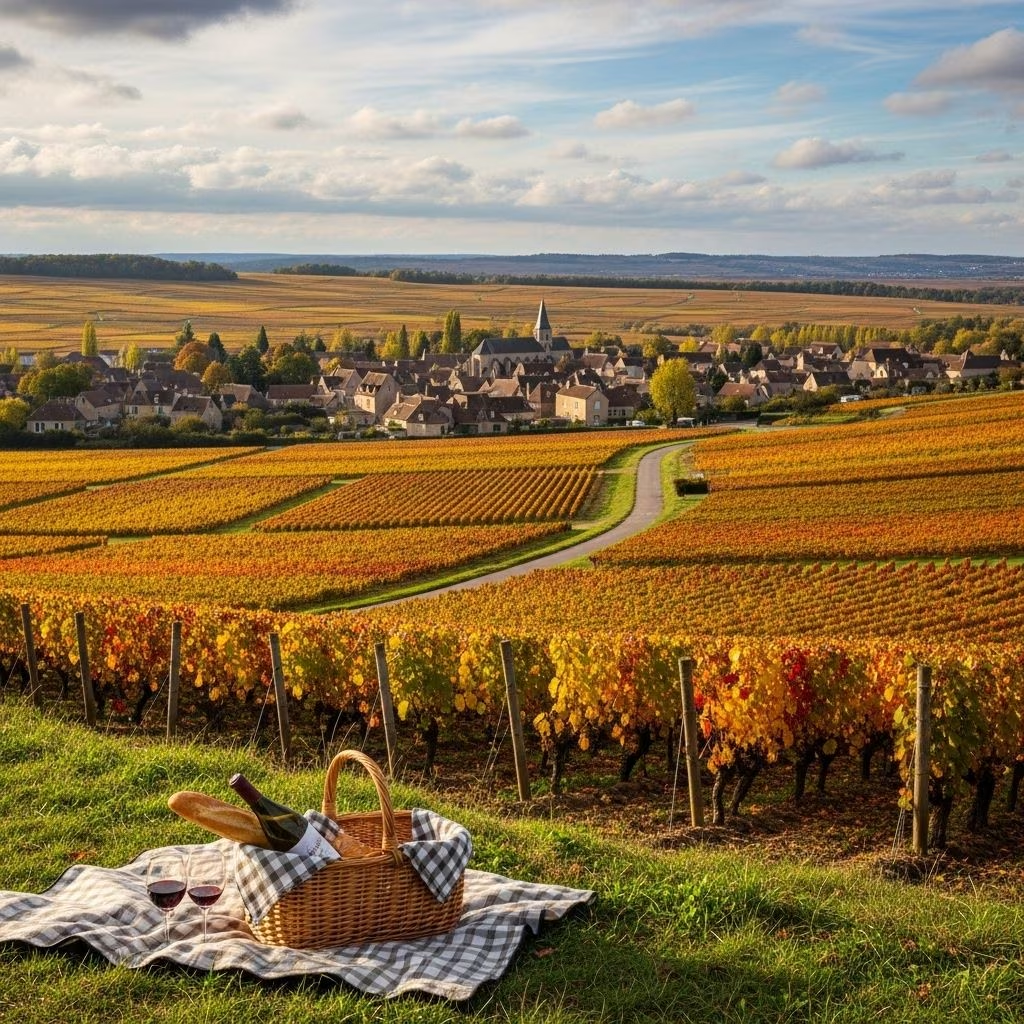
Burgundy’s microclimates and limestone-rich soils produce some of the world’s best Pinot Noir and Chardonnay, a winemaking tradition dating back to medieval monks. The process is meticulous, respecting age-old wisdom.
- Barrel Making: Traditional cooperages shape oak staves using steam and iron bands, crafting the barrels that lend complexity to Burgundy wines.
- Aromas: The local chamber of commerce offers the Cave aux Arômes exhibit, showcasing scents — fruits, nuts, herbs — that define fine wine, encouraging visitors to refine their sense of smell.
- Wine routes: The celebrated 18-mile vineyard route south of Beaune passes through renowned villages and family-run wineries, each specializing in unique expressions of the region’s grapes.
Biking Through Vineyards
Burgundy’s gentle terrain and well-marked lanes make it ideal for wine-lovers who want to combine tasting with exploration by bike. Rent a bicycle in Beaune and follow routes that weave through charming towns and vine-covered hills.
- Many paths follow the medieval walls or thread between famous estates like Pommard and Meursault.
- Informal tastings at local caves and domaines are a delightful way to immerse yourself in the flavors of Burgundy.
Gastronomy: Burgundy on the Table
Burgundy stands among France’s culinary giants. Meals in the region draw heavily on local produce and time-honored recipes — with wine never far from the scene.
- Escargot: Snails are a local delicacy, typically simmered in garlic butter or stuffed into shells for a unique appetizer.
- Cheeses: Époisses cheese, with its pungent aroma and creamy texture, is best enjoyed with crusty bread and a full-bodied wine.
- Meat dishes: Hearty specialties like boeuf bourguignon (beef stewed in red wine) reflect Burgundy’s rustic, satisfying cuisine.
Medieval Monasticism and Modern Communities
Burgundy’s spiritual heritage is as profound as its epicurean legacy. Medieval monasteries once fostered intellectual and agricultural innovation here. Visiting an ancient abbey or engaging with a modern monastic community offers a window into the region’s rich contemplative traditions.
- Abbeys: Statuesque edifices like the Abbey of Cluny evoke centuries-old spiritual life and architectural grandeur.
- Modern Monasticism: The Taizé community draws thousands of pilgrims annually, blending centuries of prayer and song with contemporary spiritual searching.
Villages and Countryside
Burgundy’s countryside is dotted with villages that seem untouched by time, each one offering a distinctly French charm.
- Pommard, Meursault, and others: Vineyard towns, each famous for its own wine character, welcome visitors for tastings and cellar tours.
- Historic towpaths: Ideal for cyclists and walkers, these scenic routes reveal hidden corners of Burgundy at a slow, pleasurable pace.
- Castles and Châteaux: Many castle-like estates date to the region’s feudal past and can be visited or admired from afar, providing picturesque backdrops to every journey.
Planning Your Burgundy Experience
- Ideal base: Beaune is the perfect starting point for day trips by car, bike, or canal boat.
- Wine season: The region buzzes during the autumn grape harvest; tastings are available year-round.
- Market days: Schedule your visit to enjoy local markets, especially on Saturdays in Beaune.
- Canal cruises: Book in advance, especially for luxury barges. Many operators provide guided tours with gourmet meals.
- Bike rentals: Wide availability in Beaune, with suggested routes for all fitness levels.
FAQs About Visiting Burgundy
Q: What is the best time to visit Burgundy?
A: Late spring to early fall offers pleasant weather; autumn brings the grape harvest and vibrant vineyard landscapes.
Q: Is Burgundy suitable for family travel?
A: Yes. Canal cruises are ideal for multi-generational trips, and most villages are walkable and child-friendly.
Q: Do I need to speak French?
A: While some basic French phrases help with markets and small towns, many hospitality staff speak English, especially in tourist hotspots like Beaune.
Q: Can I rent a bicycle easily?
A: Yes. Beaune offers numerous rental shops, and signage throughout the wine routes makes navigation straightforward.
Q: How do I arrange a wine tasting?
A: Many wineries and caveaus welcome walk-ins; some require bookings for formal tastings. Tour agencies in Beaune can organize guided tastings with local experts.
Practical Tips for an Unforgettable Visit
- Bring comfortable walking shoes for exploring cobbled streets and vineyard paths.
- Try a canal cruise for a unique, relaxing vantage on the region’s scenery.
- Sample local cheese and escargot — staples of Burgundy’s renowned food culture.
- Discover hidden churches, small art galleries, and community events in even the tiniest villages.
- Pair your meals with regional wines; ask for recommendations at markets or restaurants.
Sample Itinerary: Two Days in Burgundy
- Day 1: Arrive in Beaune, visit the Saturday market, tour the medieval town walls, enjoy a tasting at the Cave aux Arômes, and dine on escargot and Époisses cheese.
- Day 2: Cycle to Pommard and Meursault, stop for tastings along the way, and finish with a canal cruise, taking in the rolling hills and tranquil locks before returning to Beaune.
Conclusion
Burgundy stands as one of France’s most rewarding regions for slow, thoughtful travel — a landscape where tradition is revered, wine is a way of life, and each experience is steeped in the art of enjoyment. Whether floating lazily down a canal or sampling the earthy complexity of a local Pinot Noir, Burgundy invites every traveler to embrace the heart of French culture and savor life in all its fullness.
References
- https://www.ricksteves.com/watch-read-listen/video/tv-show/burgundy-profoundly-french
- https://www.ricksteves.com/travel-tips/travel-classes/monday-night-travel/burgundy-with-steve-smith
- https://www.ricksteves.com/watch-read-listen/video/travel-talks/burgundy-french-alps
- https://www.ricksteves.com/watch-read-listen/read/articles/burgundy-biking-wine-route
- https://www.ricksteves.com/europe/france/burgundy
- https://www.ricksteves.com/watch-read-listen/read/articles/burgundy-wine-barging-and-beyond
- https://www.youtube.com/watch?v=VTH8XS3tMsQ
- https://community.ricksteves.com/travel-forum/france/burgundy-for-10-days
- https://www.youtube.com/watch?v=8hVYWVIaXMA
- https://www.ricksteves.com/watch-read-listen/video/beaune-market-day