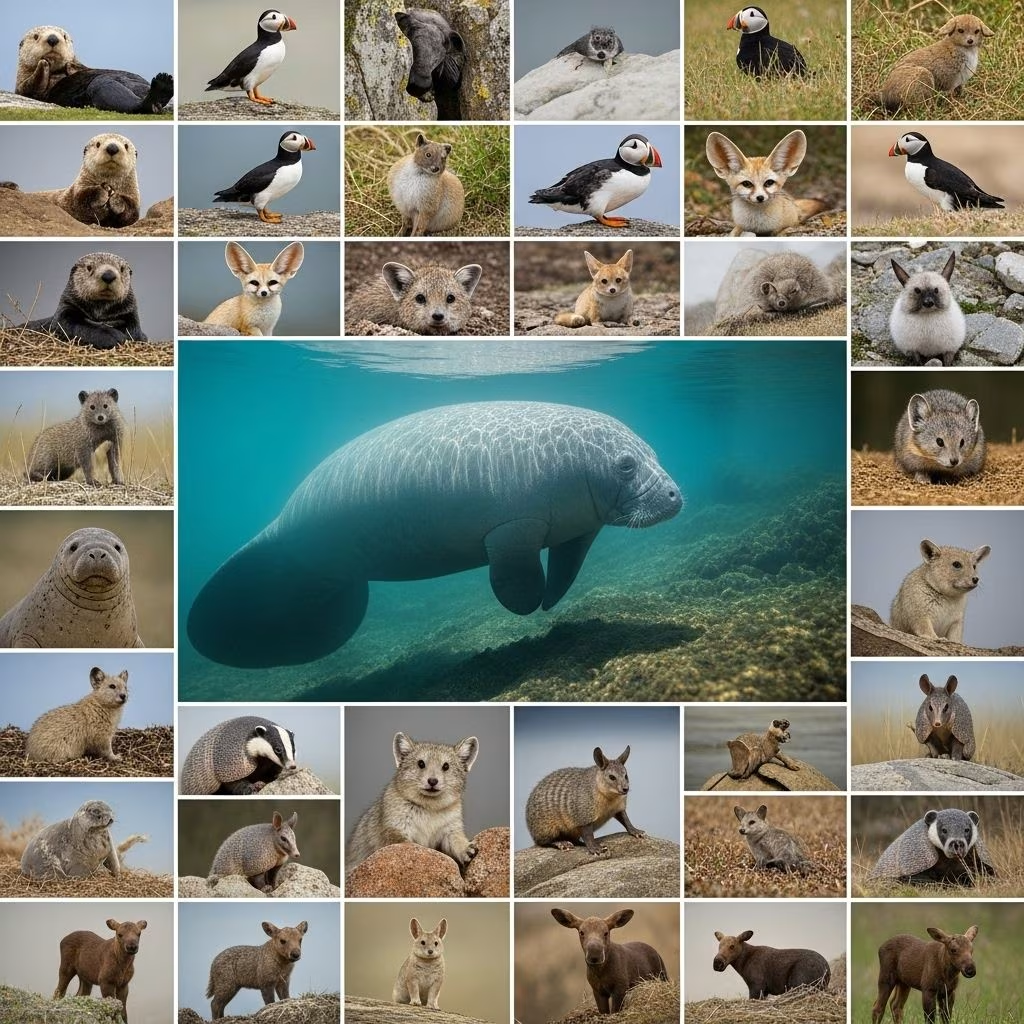
The United States is home to an extraordinary array of wildlife, each state boasting its own native animal that captivates locals and visitors alike. From Alaska’s majestic moose to Florida’s playful manatees, these species reflect the biodiversity and unique charm of America’s landscapes. This comprehensive guide introduces you to the cutest native animal from all 50 states, complete with fun facts and regional insights.
Alabama: Eastern Spotted Skunk
Known for their tiny size and acrobatic movements, eastern spotted skunks exhibit a striking black-and-white spotted pattern. Unlike their relatives, they often do a crowning handstand when threatened—making them not only cute but comically entertaining.
Alaska: Sea Otter
The playful sea otter spends most of its time floating on its back, often using rocks as tools to open shellfish. Sea otters maintain the health of kelp forests and are a delightful sight for visitors along Alaska’s rugged coastlines.
Arizona: Ringtail Cat
Despite its name, the ringtail cat is actually a relative of the raccoon. With a long, striped tail and big, round eyes, this nocturnal mammal is celebrated as the state mammal and often spotted leaping between rocky outcrops.
Arkansas: Nine-Banded Armadillo
This small armored mammal is recognized for its unique shell and ability to roll into a ball when startled. Armadillos can swim by inflating their intestines for buoyancy, making them quirky as well as cute.
California: California Quail
Distinguished by their “comma” shaped head plume, California quail are small, sociable birds that gather in groups called coveys. Their intricate plumage and gentle nature have made them icons of the Golden State.
Colorado: American Pika
Tiny, with a round body and barely visible tail, the pika lives among alpine rocks. Known as the “whistling hare” for their high-pitched calls, these energetic creatures gather grasses for winter, stacking the fodder in huge haypiles.
Connecticut: Eastern Box Turtle
The colorful patterned shell of the eastern box turtle makes it a favorite among local wildlife spots. They are known for their longevity—some individuals live for over 100 years!
Delaware: Gray Fox
Gray foxes are the only American canid able to climb trees. Their bushy tails, intelligent faces, and curious nature set them apart and make sightings memorable.
Florida: Manatee
Dubbed “sea cows,” manatees are gentle giants, gliding slowly through the warm waters of Florida’s springs and coastline. Their sleepy faces and rounded bodies charm many onlookers each year.
Georgia: Gopher Tortoise
This sturdy, slow-moving reptile is known for digging vast burrows that provide shelter for hundreds of other species. Their wrinkled faces and domestic demeanor make them endearing ambassadors for Georgia wildlife.
Hawaii: Hawaiian Monk Seal
One of the most endangered marine mammals, the monk seal can often be seen sunbathing on Hawaii’s beaches. Their large eyes and gentle expressions add to their unique charm.
Idaho: Mountain Goat
With thick white fur and impressive agility, mountain goats are the acrobats of Idaho’s rocky crags. Kids—the young goats—are especially adorable as they frolic across alpine ledges.
Illinois: Eastern Chipmunk
These petit ground squirrels feature distinctive stripes and endlessly busy cheeks as they scurry to collect seeds and nuts. Their energetic antics are a staple of Illinois backyards and woodlands.
Indiana: Eastern Bluebird
The vibrant blue wings and rusty orange bellies make the eastern bluebird a heartwarming sight, especially in spring. Their melodious songs fill Indiana gardens and meadows.
Iowa: American Badger
Famous for their expressive faces and powerful digging claws, American badgers are both fierce and irresistibly cute when spotted trotting through prairie grasslands.
Kansas: Meadowlark
Known for their bright yellow underbellies and flute-like song, meadowlarks light up Kansas meadows every spring and summer. Their voices are considered emblematic of the plains.
Kentucky: Eastern Cottontail Rabbit
With fluffy coats and a signature white tail, the eastern cottontail is ubiquitous in Kentucky fields and gardens. Their gentle hops and twitching noses add charm to any landscape.
Louisiana: North American River Otter
Sleek and playful, river otters are often seen sliding down muddy banks or play-fighting in bayous. Their mischievous personalities and constant motion delight Louisiana nature-goers.
Maine: Moose Calf
Maine’s moose are giants, but calves—sporting knobby knees and big eyes—are irresistible. These gentle woodland creatures often venture near quiet lakes and forests.
Maryland: Delmarva Fox Squirrel
With silvery fur and bushy tails, the Delmarva fox squirrel is among the largest tree squirrels. They charm with their clumsy, slow movements through Maryland woodlands.
Massachusetts: Harbor Seal
Harbor seals pop up along coastal bays, their round faces and expressive eyes peeking above the waves. Pups, with snow-white coats, are especially cute in spring.
Michigan: Painted Turtle
Brilliantly colored with red and yellow stripes on their shell and legs, painted turtles bask along Michigan’s lakeshores. Their vibrant hues make them local favorites.
Minnesota: White-Tailed Deer Fawn
Spotted coats, big black eyes, and shy behavior make white-tailed fawns quintessential symbols of woodland innocence. These delicate animals appear throughout Minnesota’s forests.
Mississippi: Southern Flying Squirrel
Tiny gliders with huge eyes, southern flying squirrels soar between trees using a furry membrane. Their night-time acrobatics and twitchy faces are captivating.
Missouri: Ozark Hellbender
This giant salamander is affectionately called the “snot otter” for its slippery skin. Although peculiar, its wide smile and awkward movements make it endearingly odd.
Montana: Grizzly Bear Cub
Among the wild giants of the American West, grizzly cubs win hearts with playful wrestling and clumsy curiosity in Yellowstone and Glacier National Parks.
Nebraska: Prairie Dog
Prairie dogs are recognized for their adorable upright stance and constant chattering, creating bustling colonies in Nebraska’s prairies.
Nevada: Desert Cottontail Rabbit
Perfectly adapted for the arid West, desert cottontails sport long ears and nimble feet, hopping among Nevada’s scrub and brush.
New Hampshire: Snowshoe Hare
Known for their winter color transformations, snowshoe hares shift from brown to pure white to blend into snowy forests, with large hind feet for bounding over snowdrifts.
New Jersey: Pine Barrens Treefrog
Vivid green bodies and purple stripes characterize this small amphibian, found leaping between wetlands in New Jersey’s unique Pine Barrens ecosystem.
New Mexico: Tassel-Eared Squirrel (Abert’s Squirrel)
- Distinctive long ear tufts
- Gray fur and bushy tails
- Common in the Rocky Mountains and New Mexican pine forests
- Named for Colonel John James Abert
New York: Beaver
These industrious mammals build complex dams and lodges along New York’s rivers, their flat tails and expressive front teeth giving them an unmistakable look.
North Carolina: Carolina Wren
A tiny rust-colored songbird with an energetic trill, the Carolina wren brightens forests and gardens alike with its busy movements and frequent singing.
North Dakota: American Mink
Sleek and semi-aquatic, minks possess glossy brown fur and sharp faces. Their curious nature leads them to hunt, swim, and climb throughout North Dakota’s waterways.
Ohio: Eastern Gray Squirrel
Agile and acrobatic, eastern gray squirrels are a common sight along Ohio’s forested trails and city parks. Their bushy tails and expressive antics keep crowds entertained.
Oklahoma: Scissor-Tailed Flycatcher
This dazzling bird boasts an extraordinary tail—double-length, forked, and elegant. The scissor-tailed flycatcher is Oklahoma’s state bird, beloved for its aerial displays.
Oregon: Northern Spotted Owl
Known for their soulful eyes and gentle hoots, northern spotted owls inhabit old-growth forests and are a symbol of conservation in Oregon’s lush woodlands.
Pennsylvania: Eastern Screech Owl
Small but fierce, screech owls feature cryptic feather patterns and huge yellow eyes. Their trills and shrieks fill Pennsylvania’s forests at dusk.
Rhode Island: Eastern Coyote Pup
Curious and playful, coyote pups are often seen tumbling after their parents along Rhode Island’s forest margins and coastal prairies.
South Carolina: Loggerhead Sea Turtle Hatchling
Tiny and determined, loggerhead hatchlings scramble from coastal nests to the sea each summer. Their wrinkled faces and quick flippers make them a beach highlight.
South Dakota: Black-Footed Ferret
Once thought extinct, these secretive mammals sport masked faces and long, slender bodies. Black-footed ferrets are living success stories of prairie conservation.
Tennessee: Eastern Box Turtle
Returning again for Tennessee, the box turtle’s vibrant shell and gentle gait represent local forest ecosystems.
Texas: Armadillo
- Texas state symbol
- Recognized for their armored shell and digging prowess
- Often seen scurrying along roads at dusk
Utah: Utah Prairie Dog
Utah’s own prairie dog species is smaller and lighter in color, living in colonies known for their elaborate tunnels and playful “barking” calls.
Vermont: American Marten
Sleek and agile, martens feature golden-brown fur and a cat-like face. Their arboreal acrobatics are a special treat among Vermont’s northern forests.
Virginia: White-Tailed Deer
The gentle white-tailed deer is iconic throughout Virginia, present in parks, forests, and even suburban yards. Fawns enchant with their spotted coats and wobbly legs.
Washington: Olympic Marmot
Found exclusively in Olympic National Park, these large, fluffy rodents whistle to alert their colonies. Their sociable behavior and round faces endear them to hikers.
West Virginia: Eastern Red Bat
With rusty-red fur and rounded ears, the red bat roosts in foliage and sometimes glides across dusk skies in search of insects.
Wisconsin: American Pine Marten
Like its Vermont cousin, the pine marten thrives in Wisconsin pine forests, bounding gracefully through underbrush with plume-like tails.
Wyoming: Pronghorn
The fastest land mammal in North America, pronghorns sport elegant horns and a gentle face. Their fawns, with spindly legs and oversized eyes, evoke affection.
Comparison Table: Unique Features of Select Native Animals
| State | Animal | Unique Feature | Habitat |
|---|---|---|---|
| Alaska | Sea Otter | Uses tools, floats on back | Coastal waters |
| Florida | Manatee | Herbivorous, slow-moving | Springs, rivers, coastline |
| Montana | Grizzly Bear Cub | Playful, powerful adult | Forests, mountains |
| Kansas | Meadowlark | Melodious song | Grasslands |
| California | California Quail | Distinctive head plume | Chaparral, grassland |
Frequently Asked Questions (FAQs)
How are native animals selected for each state?
Each state boasts unique ecosystems and wildlife, allowing specific native animals to emerge as local favorites based on distinct features, prevalence, and cultural value.
Are these animals endangered?
Some featured species, like the Hawaiian Monk Seal or the Black-Footed Ferret, are endangered and benefit from local conservation efforts. Others, such as squirrels or deer, remain plentiful.
Can visitors easily spot these animals?
While some animals are commonly seen in urban or rural settings (e.g., eastern gray squirrel, white-tailed deer), others require venturing into specific habitats or parks for a sighting (e.g., Olympic marmot, Californian quail).
Is it safe to interact with these wild animals?
It’s best to observe wildlife safely from a distance and respect their natural behaviors. Feeding, touching, or disturbing wild animals can harm them or provoke defensive reactions.
Conclusion
America’s states are filled with cute native animals, each infusing local landscapes with personality and wonder. Whether it’s the playful otter, shy fawn, or acrobatic squirrel, these species paint a vibrant portrait of America’s wild side. Exploring each state’s wildlife offers endless opportunities for discovery and appreciation of the country’s natural heritage.
References
- https://www.visittheusa.com/experience/11-adorable-animals-youll-find-us-outdoors
- https://www.goodhousekeeping.com/life/pets/advice/g1236/animal-instagrams/
- https://www.goodhousekeeping.com/author/12820/brie-dyas/
- https://www.demilked.com/the-50-cutest-animals-native-to-each-u-s-state/
- https://www.goodhousekeeping.com/life/g4973/endangered-animals/