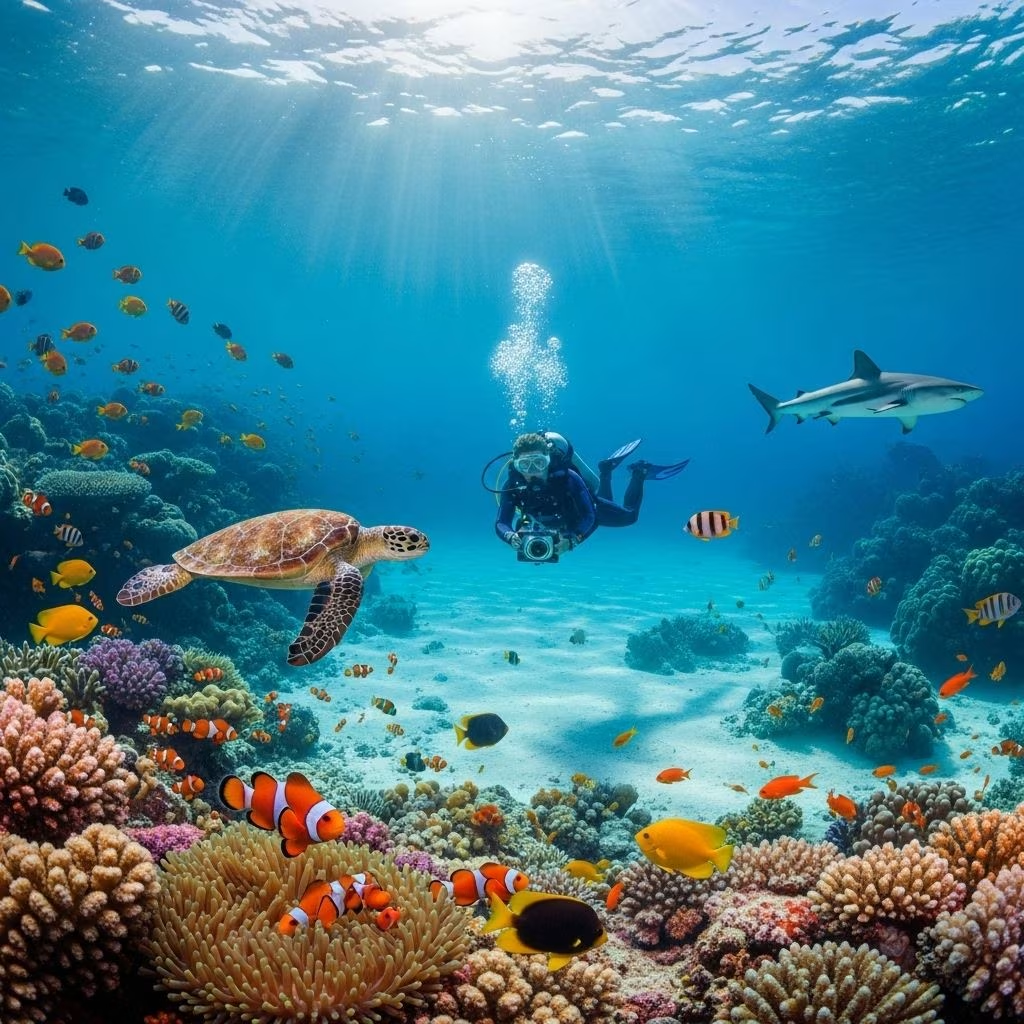
20 Remarkable Underwater Photos to Celebrate World Oceans Day
The world’s oceans are a source of endless fascination, covering more than 70% of the Earth’s surface. Yet, humbled by the fact that scientists estimate we have explored only about 5% of their vast expanse, it becomes all the more inspiring to share these incredible underwater perspectives. June 8 marks World Oceans Day, a global event dedicated to celebrating the beauty, diversity, and importance of our oceans. Every year, this day encourages reflection on marine conservation and serves as a delightful reminder of what lies beneath the waves—whether you’re strolling a local shore, planning your next vacation, or simply daydreaming about the deep blue.
This collection of 20 remarkable underwater photographs from around the globe brings you face-to-face with vibrant coral gardens, captivating marine creatures, and aquatic vistas that stir our curiosity and respect for these majestic waters. We’ve also included practical ideas on supporting ocean conservation efforts, so your appreciation is matched by action.
Why Celebrate World Oceans Day?
- Raises awareness about the critical roles oceans play in sustaining life on Earth.
- Promotes conservation initiatives and sustainable use of marine resources.
- Encourages global cooperation to address threats such as pollution, overfishing, and climate change.
- Inspires direct action through beach cleanups, responsible travel, and reduced plastic use.
1. Zanzibar: A Diver’s Paradise
Off the coast of East Africa, Zanzibar is home to crystal-clear waters and spectacular coral reefs. Snorkeling and diving in these warm, turquoise environments offer glimpses of vibrant marine life darting among intricate coral structures—a view that leaves an indelible mark on anyone lucky enough to slip beneath the surface.
2. Thailand: Dancing with Whale Sharks
In the North Andaman sea, gentle whale sharks glide alongside amazed scuba divers. These colossal creatures, the largest fish in the world, present a humbling scale that reminds us just how diverse and awe-inspiring our oceans can be. Spotting a whale shark in its natural habitat is the highlight of any underwater adventure in Thailand.
3. Queensland: The Great Barrier Reef
Queensland’s Great Barrier Reef is a legendary marine destination, renowned for its vivid corals and teeming fish communities. Among its shallow coral gardens and deep drop-offs, visitors can witness the interconnected web of life that forms one of the world’s greatest natural wonders—and join in global efforts to protect it from climate stress and bleaching.
4. Sri Lanka: Life on the Hikkaduwa Reef
In Sri Lanka, the Hikkaduwa coral reef is bustling with swathes of colorful fish moving in synchrony. These underwater ballets, performed in sunlit shallows, highlight the fragile beauty of coastal reef systems and underscore the global need for marine conservation.
5. Red Sea: Spinner Dolphins on the Move
The Red Sea is famous for crystalline waters and unexpected encounters with marine mammals like spinner dolphins. These social animals traverse the open sea in playful groups, their leaps and twirls echoing the vitality of the ocean’s many inhabitants.
6. Maui: Yellow Tangs in Coral Gardens
In Hawaii’s Maui, lemon-bright yellow tangs add splashes of color to intricate coral reefs. Their presence not only delights divers but also illustrates the interconnectedness between coral health and thriving fish populations—each dependent on clean, protected waters.
7. Cabo San Lucas: Jack Fish Schools
Near the tip of Mexico’s Baja Peninsula, Cabo San Lucas boasts underwater scenes dominated by massive schools of jack fish. Watching thousands of silver bodies move as one entity is nothing short of mesmerizing, revealing the complexity and order within apparent chaos below the waves.
8. Bali: Clownfish and Sea Anemones
Bali, Indonesia, is the ideal stage for symbiotic relationships like those between orange clownfish and the protective arms of sea anemones. These tiny, bold inhabitants remind us that, in the ocean as on land, all life is intricately intertwined.
9. Seychelles: Coral Gardens of Beau Vallon
Beneath the tranquil waters of Beau Vallon Bay, Seychelles harbors vibrant coral gardens. A closer look reveals a maze of life where yellow wrasses and other small reef fish find refuge—testimony to the ocean’s extraordinary engineering.
10. Curacao: The Sunken Tugboat
The sunken tugboat wreck off Curacao sits just 20 feet below water and serves as a thriving oasis for thousands of fish. Renowned as a top dive site, it reflects how nature reclaims and transforms even human artifacts into stunning marine habitats.
11. Wolfe Island: Eagle Ray Procession
At Wolfe Island, Canada, divers can witness a rare underwater parade: approximately twenty eagle rays swimming the edge of a blue reef. These graceful creatures glide in formation, leaving observers in awed silence at the synchrony of nature.
12. French Polynesia: Hungry Birds and Butterflyfish
In the remote waters of French Polynesia, Pacific Double-saddle Butterflyfish gather as predatory birds skim the surface in search of sustenance. This delicate balance of predator and prey is a powerful reminder of our oceans’ complex food webs.
13. Tonga: A Mother Humpback Whale and Calf
The open waters of Vavaʻu, Tonga, provide shelter to majestic humpback whales. A touching moment sees a mother guiding her calf, embodying the nurturing forces at play beneath ocean waves and reminding us of the importance of protecting migratory routes for future generations.
14. Maldives: The Smiling Sea Turtle
Among reefs in the Maldives, an expressive sea turtle—caught mid-laugh—reminds us of the joy and vitality found underwater. Beyond sharing a smile, these gentle animals teach us about resilience, having survived for millions of years despite modern environmental threats.
15. Iceland: The Freshwater Valley of Nesgjá
Not all spectacular underwater scenes occur in saltwater. Northern Iceland’s Nesgjá valley, often called the “Silfra of the North,” offers divers a unique experience: swimming between tectonic plates in some of the world’s clearest freshwater.
16. South Komodo: Soft Corals in Cannibal Rock
Located in South Komodo, Indonesia, Cannibal Rock is a haven for colorful soft corals and a profusion of marine life. This dive site symbolizes the ocean’s productivity and serves as a living laboratory for marine biodiversity.
17. Mauritius: Pod of Sperm Whales
In the deep blue of the Indian Ocean by Mauritius, a pod of sperm whale calves and juveniles huddle together for security and play. Such rare gatherings serve to inspire marine mammal conservation and highlight the biological richness of African ocean waters.
18. Indo-Pacific: Star Coral Close-up
Zooming into a reef in the Indo-Pacific, a close-up shot of Star Coral (Galaxea) reveals a swirling galaxy of polyps. Each tiny polyp contributes to reef building—structures on which thousands of other organisms rely.
19. Hawaii: The Power of Breaking Waves
Off the shores of Hawaii, a view from beneath a breaking wave captures both the force and artistry of the ocean. Such shots spark awe and reinforce the oceans’ status as both playground and life support for all coastal dwellers.
20. Philippines: Underwater Tornado of Fish
In the Philippines, schools of fish spiral into a mesmerizing underwater tornado. This dynamic phenomenon epitomizes the ocean’s potential for wonder, its ceaseless movement, and its ever-changing nature.
How You Can Support Ocean Conservation
- Participate in Beach Cleanups: Gather friends or join an organized local effort to remove debris from shorelines and reduce marine pollution.
- Reduce Single-Use Plastics: Say no to plastic bags, straws, bottles, and packaging whenever possible, and support reusable alternatives.
- Respect Local Marine Life: Practice responsible snorkeling and diving by avoiding contact with corals and wildlife. Follow local guidelines to minimize your environmental impact.
- Support Seafood Sustainability: Choose sustainably caught or farmed seafood and be aware of overfished species.
- Advocate and Educate: Use your voice—online and offline—to campaign for protected marine areas, climate action, and responsible ocean stewardship.
Frequently Asked Questions (FAQs)
Q: What is World Oceans Day?
A: World Oceans Day is an annual global observance on June 8 to celebrate the important role the ocean plays in our lives, and to promote ocean conservation efforts worldwide.
Q: Why are underwater photos important for ocean awareness?
A: Underwater photography captures the beauty and vulnerability of marine life, engaging public interest and inspiring conservation by showing what’s at stake beneath the surface.
Q: How can I help protect marine life?
A: Simple actions—such as reducing plastic use, supporting sustainable seafood, and participating in beach cleanups—can collectively make a big difference for marine health.
Q: What are the most threatened marine habitats?
A: Coral reefs, mangroves, and open ocean ecosystems face severe threats from climate change, pollution, and overfishing. These habitats are vital for biodiversity and need urgent conservation action.
Inspiring Your Next Ocean Adventure
Whether you’re dreaming of vibrant reefs in Zanzibar, hoping to dive with whale sharks in Thailand, or longing to see the underwater artistry of Hawaii’s breaking waves, these photos are a vivid reminder of what’s at stake. Let them inspire personal connections to the sea and motivate ongoing efforts to preserve its wonders for future generations.
Remember, the magic of the ocean is available to everyone—no matter where you live. Celebrate, explore, and protect: our blue planet depends on it.
References
- https://www.globalgiving.org/learn/listicle/jaw-dropping-ocean-photography-for-world-oceans-day/
- https://121clicks.com/inspirations/2025-united-nations-world-oceans-day-photo-contest/
- https://www.goodhousekeeping.com/uk/lifestyle/a36672692/victoria-beckham-world-ocean-day-baywatch-spice-girls/
- https://www.goodhousekeeping.com/life/travel/g21069958/world-ocean-day-photos/
- https://www.thesunmagazine.org/articles/24634-good-housekeeping