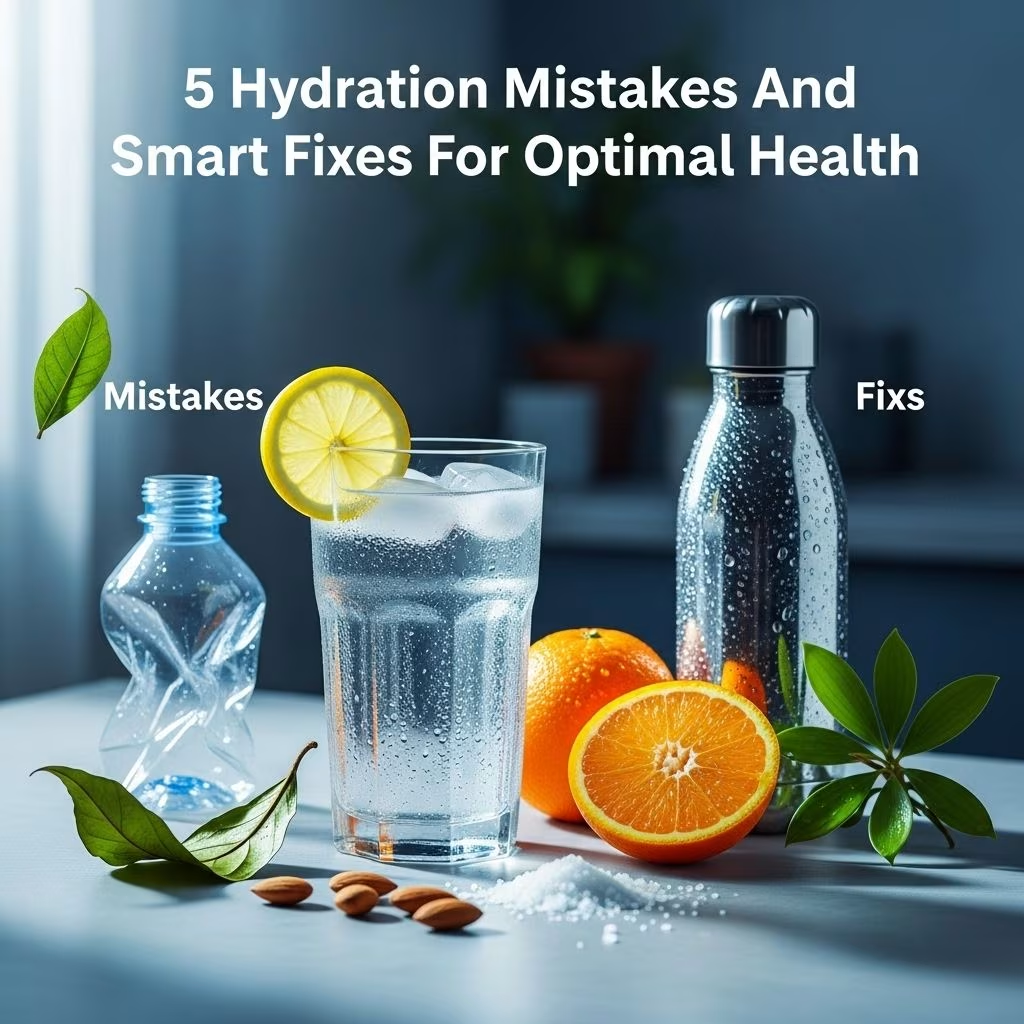
5 Common Hydration Mistakes (And How to Fix Them)
Staying hydrated is essential for every body function, from brain performance and digestion to glowing skin and sustained energy. But popular hydration rules are often riddled with myths and well-intentioned errors. Many people unknowingly sabotage their hydration by following advice that’s outdated, incomplete, or simply wrong. This guide unveils the most common hydration mistakes and offers science-backed fixes to help you reach your hydration goals smarter—not harder.
Mistake 1: You Think You Need Exactly 8 Cups of Water a Day
Myth: You must drink eight 8-ounce glasses (about two liters) of water daily, no matter what.
Truth: The “8×8 rule” is a helpful reference, but it is not a universal requirement. Your ideal water intake depends on:
- Body size
- Activity level
- Age
- Climate and weather
- Diet (especially your intake of salt, caffeine, or diuretics)
Experts agree: about 20% of your daily fluids actually comes from food, especially water-dense fruits and vegetables. Hydration isn’t just about drinking plain water—it’s about your total fluid intake from all sources.
Fix it: Listen to your body’s cues (such as thirst and urine color) rather than rigid “rules.” Increase fluids during hot weather, after sweating, or if you consume more salt, caffeine, or alcohol.
Mistake 2: You Assume Coffee and Tea Don’t Count Toward Hydration
Myth: Caffeinated beverages like coffee and tea dehydrate you, so they shouldn’t count toward your water goal.
Truth: While caffeine is a diuretic and increases urine output slightly, most caffeinated beverages still contribute to your daily fluid intake. In fact, your body retains about 25–30% of the water in a caffeinated drink.
What to Watch: Alcohol is the drink that truly dehydrates; it acts as a potent diuretic and rapidly drains your body’s water reserves. To avoid dehydration, pair any alcoholic beverage with a glass of water.
Fix it: Your morning coffee or tea does count toward your fluid needs. Just don’t swap all water for lattes and energy drinks—plain water should still make up your core intake.
Mistake 3: Believing the More Water You Drink, the Better Off You’ll Be
Myth: The more water you chug, the healthier you are.
Truth: Drinking excess water, especially rapidly, can overwhelm your kidneys and dilute blood sodium, causing a dangerous condition called hyponatremia (water intoxication). Symptoms can include headache, confusion, dizziness, swelling, nausea, and even seizures or coma in severe cases.
Athletes are most at risk, but anyone who drinks multiple gallons a day—well above thirst signals—may risk hyponatremia. Your body can only process so much water per hour (the kidneys filter 27–33 ounces per hour).
Fix it: Aim for steady sips throughout the day. Drink when you’re thirsty and supplement more during exercise or heat, but avoid extreme water challenges or “gallon a day” fads unless advised by a health professional.
Mistake 4: Ignoring the Importance of Electrolytes
Myth: As long as you drink enough water, you’ll be fully hydrated.
Truth: Hydration requires more than water—electrolytes (such as sodium, potassium, calcium, and magnesium) are also essential. Without electrolytes, water can pass through you rather than being absorbed by your cells.
- Sodium helps retain water and maintain cellular balance.
- Potassium and calcium play key roles in muscle and nerve function.
- Magnesium assists in muscle health and hydration.
Drinking plain water alone—especially in high quantities—without replacing electrolytes can actually worsen dehydration, particularly after exercise, heat exposure, or illness. This is why athletes and people who sweat a lot may need to replenish lost minerals regularly.
Fix it:
- Add a pinch of unrefined salt (like sea salt) to your water, especially after intense sweating.
- Enjoy fruits rich in potassium (bananas, melons, oranges) and veggie snacks high in magnesium.
- Try a diluted electrolyte drink if you’re active or prone to cramping.
- Squeeze fresh lemon or lime into water for a natural boost in calcium and potassium.
Mistake 5: You Don’t Pay Attention to Your Body’s Signals
Myth: Thirst is your only reliable hydration cue.
Truth: Your body is smart, but thirst isn’t always the first or only signal: you might already be mildly dehydrated by the time you feel parched. Additional signs your body may need fluids:
- Dark yellow or amber urine
- Dry mouth or lips
- Headaches
- Fatigue, dizziness, or trouble concentrating
- Muscle cramps
Some people also confuse thirst for hunger, leading to unnecessary snacking or sugar cravings.
Fix it: Check urine color (pale yellow is usually ideal) and watch for subtle symptoms. Sip water throughout the day, not just when you start to feel thirsty.
Other Hydration Mistakes You Might Be Making
- Relying on Sugary Beverages: Sports drinks, flavored waters, sodas, and energy drinks can contain excess sugar, leading to increased urination and in some cases worsening dehydration. Stick to plain or naturally flavored water where possible.
- Chugging Water Too Fast: Your stomach and kidneys can only process a certain amount of water at a time. Sip steadily for more effective, safer hydration.
- Drinking Only When Eating: While meals are a good cue to hydrate, fluids should be consumed regularly—even between meals—to avoid dips in hydration status.
- Using Plastic Bottles: Some plastic bottles can leach contaminants, especially if exposed to heat or sunlight. Opt for glass or stainless steel where possible, for both your health and the environment.
- Skipping Fruits and Vegetables: Many people forget that foods can be a major source of hydration. Water-rich produce like cucumber, watermelon, oranges, berries, and lettuce helps you meet your fluid needs more easily.
- Confusing Thirst with Hunger: Dehydration can sometimes present as hunger or sugar cravings. If you feel peckish, try a glass of water first to see if the sensation passes.
Hydration Quick Tips: Smarter Ways to Stay Hydrated
- Monitor urine color: Aim for pale yellow; anything much darker can signal dehydration.
- Flavor your water: Add sliced citrus, berries, cucumber, or mint for a flavor boost without sugar or chemicals.
- Make water accessible: Keep a bottle with you at work, in your bag, and while exercising.
- Eat your fluids: Snack on fresh fruits and vegetables to hydrate while you eat.
- Pair water with every meal and snack: It’s easier to stick to a habit when you attach it to existing routines.
- Remember special cases: Up your fluid intake if you’re sick, breastfeeding, pregnant, spending lots of time outdoors, or engaging in extended exercise.
Table: Myths vs. Facts About Hydration
| Myth | Fact |
|---|---|
| You need exactly 8 glasses of water daily | Fluid needs vary by individual, and food counts toward your total |
| Coffee and tea don’t hydrate you | Caffeinated drinks still count toward hydration, just not alcohol |
| Chugging water rapidly is best for quick hydration | Sipping steadily is safer and more effective |
| Water alone will hydrate you fully | Electrolytes are also essential for cellular hydration |
| Only drink water when you feel thirsty | By the time you’re thirsty, dehydration might have already started |
Frequently Asked Questions (FAQs) About Hydration
Q: How can I tell if I’m dehydrated?
A: The earliest signs include thirst, dry mouth, dark urine, headache, dizziness, and brain fog. Consistent fatigue or muscle cramps can also mean your body needs more fluids.
Q: Can you drink too much water?
A: Yes; excessive water intake in a short period, especially without proper electrolytes, can cause dangerous hyponatremia (low blood sodium). Avoid extreme water challenges or constantly forcing large quantities beyond thirst and physical activity needs.
Q: Are flavored waters or sports drinks okay?
A: In most cases, plain water and natural flavor add-ins (like lemon, mint, or berries) are best. Sports drinks are helpful only after prolonged sweat loss, and many contain excess sugar and artificial ingredients. Always read labels and use them as needed—not as a default drink.
Q: Does eating count toward my daily hydration?
A: Absolutely! Fruits and veggies—watermelon, cucumber, zucchini, oranges, berries—significantly contribute to daily fluid intake. Up to 20% of total fluid may come from food in the average diet.
Q: What about carbonated or sparkling water?
A: Carbonated water hydrates much like still water, though some flavored varieties include sodium or sweeteners. Just watch for added sugar or artificial ingredients.
Key Takeaways
- Hydration is about balance—between water, electrolytes, and paying attention to your body.
- Don’t fall for rigid myths like “8×8” or “coffee doesn’t count”—focus on building reliable habits for consistent hydration every day.
- A healthy hydration routine boosts physical health, mental focus, energy, and lasting well-being.
References
- https://www.thewellnessway.com/hydration-mistakes/
- https://www.water.com/education/0-hydration-mistakes-how-to-fix-them-primo-blog/
- https://www.prevention.com/fitness/g20433903/hydration-mistakes/
- https://www.prevention.com/health/a65938943/how-much-water-you-should-drink-per-day/
- https://www.prevention.com/food-nutrition/a35047684/how-to-drink-more-water/
- https://www.prevention.com/health/a20459026/how-to-stay-hydrated/
- https://www.nutritionnews.abbott/healthy-living/diet-wellness/thirsty-common-hydration-mistakes-you-may-be-making/
- https://www.prevention.com/health/g20500019/6-shower-mistakes/
- https://www.prevention.com/health/a20511690/4-ways-to-tell-if-youre-dangerously-dehydrated/