Strengthen Your Pelvic Floor: Essential Exercises and Expert Guidance
The pelvic floor consists of a network of muscles and ligaments forming a ‘hammock’ at the bottom of your pelvis. These vital muscles support the bladder, bowels, and (for women) the uterus, and contribute to urinary control, sexual function, and core stability. Whether you are looking to prevent incontinence, recover from childbirth, or simply enhance core strength, learning how to strengthen your pelvic floor is a fundamental component of a healthier life.
What Is the Pelvic Floor?
Your pelvic floor is a group of muscles that cradle the pelvic organs, functioning like a supportive sling across the bottom of your pelvis. Healthy pelvic floor muscles control bladder and bowel movements, affect sexual function, and support the spine. Weak pelvic muscles can lead to issues such as urinary incontinence, pelvic organ prolapse, and reduced core stability.
Why You Should Strengthen Your Pelvic Floor
- Prevents urinary and fecal incontinence: Keeping these muscles strong helps you control your bladder and bowels.
- Supports pelvic organs: Reduces risk of pelvic organ prolapse by holding organs in their proper position.
- Enhances sexual function: Strong pelvic muscles can increase sensation and improve sexual satisfaction.
- Improves core and lower back stability: Vital for day-to-day movements and protecting your spine.
- Facilitates recovery from pregnancy or surgery: Pelvic floor work is essential for postpartum health and surgical rehabilitation.
Key Signs Your Pelvic Floor Needs Strengthening
- Leakage of urine when coughing, sneezing, or exercising
- Difficulty controlling bowel movements
- Feeling of heaviness, pressure or bulging in the pelvic region
- Lower back pain or chronic hip discomfort
- Sexual dysfunction
Who Should Do Pelvic Floor Exercises?
Everyone can benefit, but they are crucial for:
- Women (pre- and post-pregnancy, menopause)
- Men (prostate surgery recovery, aging)
- Those with chronic cough or obesity
- Anyone experiencing symptoms listed above
How to Locate Your Pelvic Floor Muscles
The first step is learning to activate the right muscles:
- Imagine stopping the flow of urine midway. The muscles you contract are your pelvic floor.
- Try not to clench your thighs, buttocks, or abdomen—focus on the internal lift and squeeze sensation.
- Practice while sitting, lying down, or standing to identify muscle engagement.
Pelvic Floor Strengthening Exercises
The following exercises are recommended for building pelvic strength and improving core stability. For best results, aim to perform these 2-3 times per week, steadily increasing the intensity as your muscles adapt.
Kegel Exercises
- Find a comfortable, quiet space.
- Activate pelvic floor muscles by mimicking the motion of stopping urine flow.
- Squeeze and lift for 5 seconds, then relax for 5 seconds.
- Repeat 10-15 times per session, performing 2-3 sets.
- Avoid tightening your buttocks or abdominal muscles.
- As strength builds, try Kegels while standing or during daily activities.
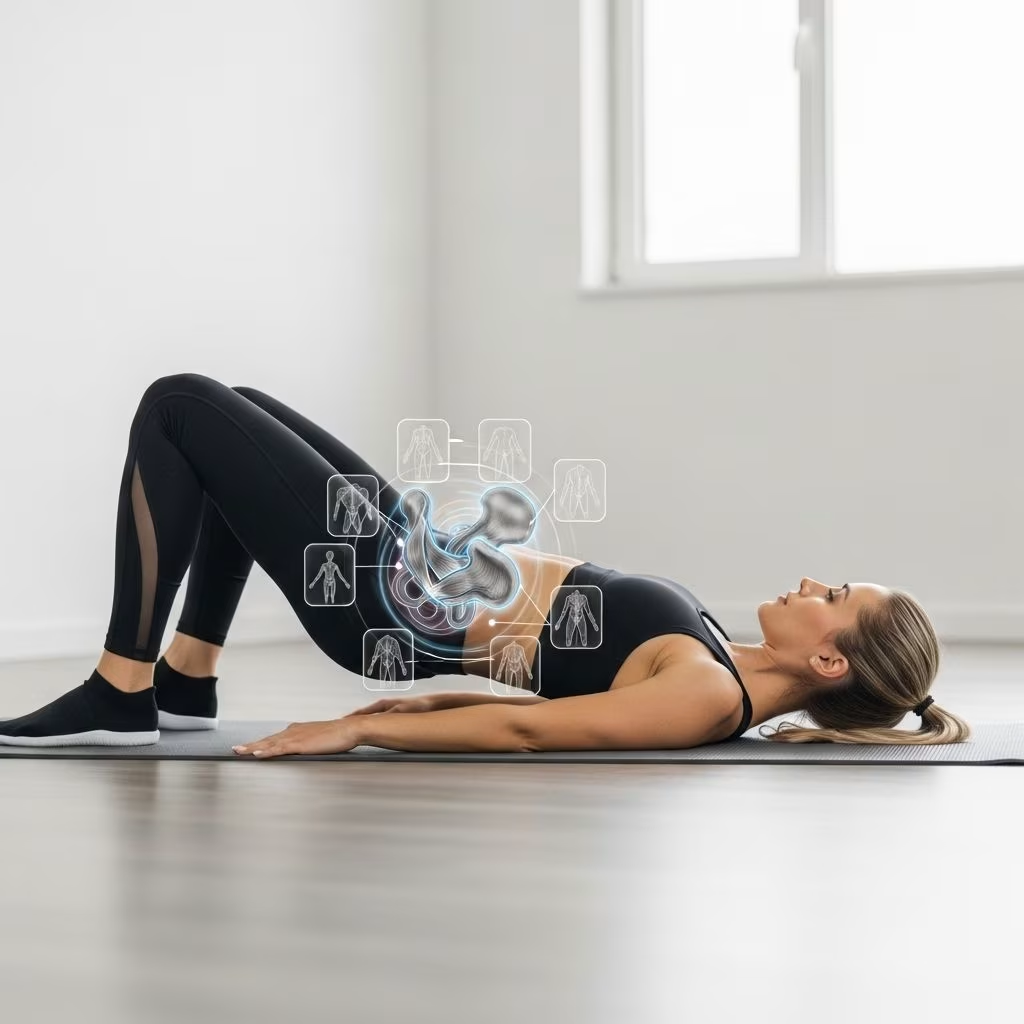
Bridge Pose
- Lie on your back with knees bent, feet hip-width apart, arms at your sides.
- Press feet into floor, inhale, and lift hips until your body creates a straight line from shoulders to knees.
- Engage pelvic floor at the top, hold for 10-15 seconds, then lower hips.
- Repeat for 10-15 repetitions.
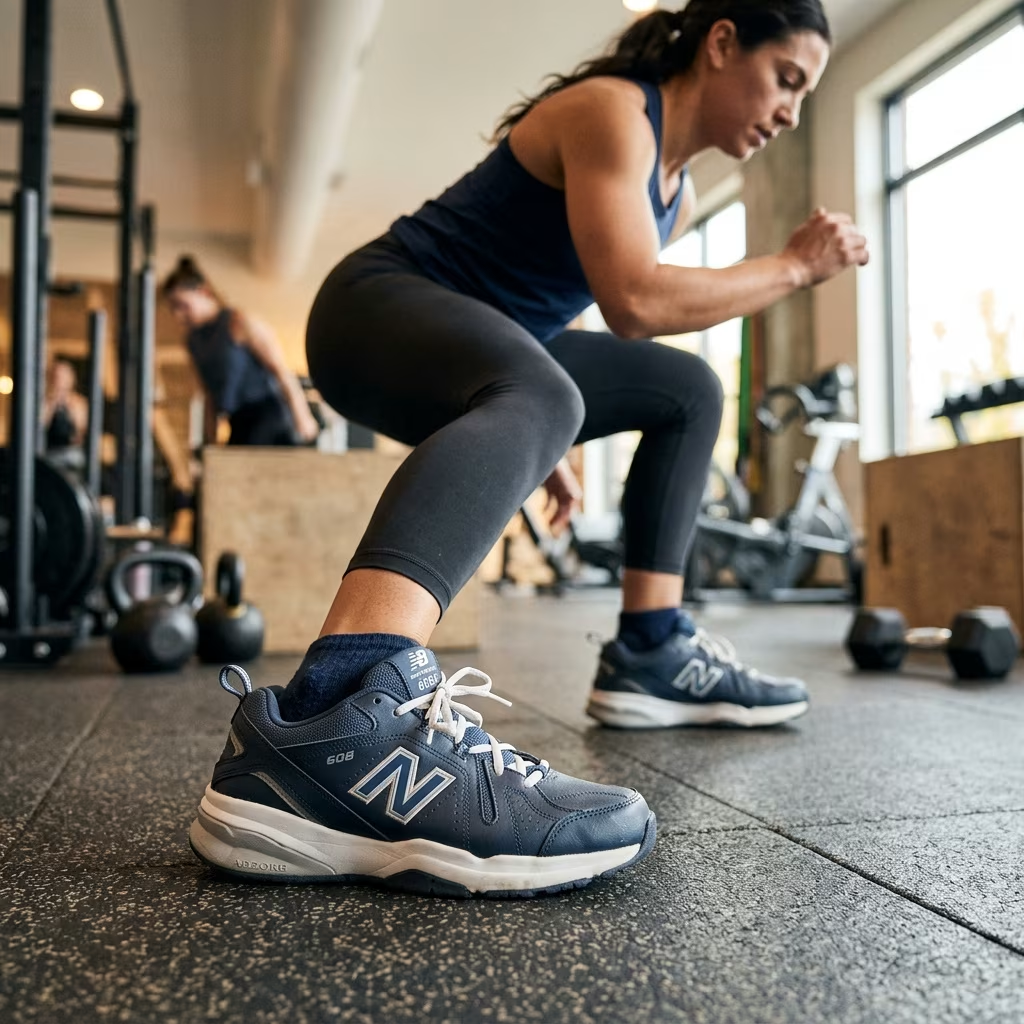
Squats
- Stand with feet shoulder-width apart.
- Lower down as if sitting in a chair, keeping chest lifted and back straight.
- Engage pelvic floor muscles as you descend and rise.
- Perform 10-15 repetitions for 2-3 sets.
Pelvic Tilts
- Lie on your back, knees bent, feet flat on the floor.
- Tighten abdominal muscles and press lower back gently into the floor.
- Hold for a few seconds, then release.
- Repeat for 10-15 times.
Bird Dog
- Start on hands and knees, wrists under shoulders, knees under hips.
- Engage core and pelvic floor.
- Extend left leg and right arm, hold for a few seconds, keeping body aligned.
- Return to start, switch sides. Perform 10 reps per side.
Advanced and Relaxing Pelvic Floor Movements
Strength is important, but balancing tension with relaxation prevents overactivity and aids in recovery.
Quick Flick Kegels
- Quickly contract and release pelvic floor for 1 second each.
- Repeat 10 times, rest 10 seconds. Complete 2–3 sets.
Great for stopping leaks when sneezing or coughing.
Heel Slides
- Lie on your back, knees bent. Inhale, then exhale while sliding one heel forward, engaging your core and pelvic floor.
- Return to start, alternate legs for 10 reps each.
Marches (Toe Taps)
- Lie on your back, knees bent. Inhale, exhale, engage core and pelvic floor.
- Lift one leg to tabletop, then lower, alternate legs for 12–20 repetitions.
Diaphragmatic Breathing
- Lie or sit upright. Place one hand on your chest, the other on your belly.
- Inhale deeply, letting your belly rise. Exhale slowly, letting belly fall.
- Perform 5–10 slow breaths, relaxing pelvic floor on each exhale.
Happy Baby Pose
- Lie on your back, grab outer edges of your feet with your hands.
- Open knees wide toward armpits, rock gently. Hold for 30 seconds.
Pelvic Floor Exercise Table
| Exercise | Purpose | How Often |
|---|---|---|
| Kegels | Pelvic floor strength | 2–3 sets/day |
| Bridge | Core & glute engagement | 2–3 sets/week |
| Squats | Lower body & pelvic activation | 2–3 sets/week |
| Pelvic tilts | Abdominal & back support | 2–3 sets/week |
| Bird dog | Core stability | 2–3 sets/week |
| Diaphragmatic breathing | Pelvic relaxation | Daily |
| Happy baby | Pelvic stretch & relaxation | Daily or after exercising |
Common Mistakes and Myths
- Holding your breath: Always breathe steadily during exercises; breath holding increases pressure.
- Overusing pelvic muscles: Excessive Kegels can cause muscle tension—relaxation is equally important.
- Engaging wrong muscles: Focus on pelvic floor, not glutes, thighs, or abs.
- Assuming only women benefit: Men also need pelvic floor strength for urinary and sexual health.
- Ignoring symptoms: Seek medical advice for persistent pain, heaviness, or incontinence.
Integrating Pelvic Floor Work Into Daily Life
- Practice Kegels while brushing teeth, driving, or waiting in line.
- Add bridges, squats, or bird-dog to regular workouts.
- Use diaphragmatic breathing for stress management and pelvic relaxation.
- Stay consistent—results come with routine practice and patience.
When to Seek Professional Help
If pelvic symptoms persist or worsen, consult with a physical therapist or doctor. Individualized training, biofeedback, or medical interventions may be advised, especially for prolapse, persistent pain, or postpartum issues.
Frequently Asked Questions (FAQs)
Q: How do I know I’m doing Kegel exercises correctly?
A: When performed correctly, you should feel an internal lift and squeeze around your pelvic and vaginal/rectal area, without tightening your abs, buttocks, or thighs.
Try checking with a finger inserted in the vagina (for women) or seeking biofeedback from a professional if unsure.
Q: Are pelvic floor exercises safe during pregnancy?
A: Yes, strengthening the pelvic floor is beneficial before, during, and after pregnancy. It helps with labor, recovery, and reduces risk of incontinence—but consult your healthcare provider first.
Q: Can men benefit from pelvic floor exercises?
A: Absolutely. Men benefit by improving urinary control, sexual function (including erectile strength), and lower back stability.
Q: How soon can I expect results?
A: Regular pelvic floor exercise usually yields noticeable improvement in symptoms and strength in 4–8 weeks. Consistency is key.
Q: What should I do if I experience pain or discomfort?
A: Stop the exercise and contact your healthcare provider, especially if pain persists or symptoms worsen.
Expert Tips for Lifelong Pelvic Health
- Make pelvic exercises a habit: Pair with existing routines to stay on track.
- Stay hydrated and maintain a balanced diet: Supports muscular health and bowel regularity.
- Prioritize posture: Good posture aids pelvic alignment and function.
- Keep moving: Regular moderate exercise helps circulation and core engagement.
Summary: Invest in Your Core Strength
Regular pelvic floor training is a powerful investment in lifelong health—preventing embarrassing leaks, supporting sexual and core function, and boosting confidence. Mix strengthening and relaxing exercises, maintain excellent posture, and seek help when needed. Empower yourself with these proven strategies and make pelvic wellbeing part of your fitness journey.
References
- https://cancer.uthscsa.edu/news-and-stories/five-exercises-strengthen-your-pelvic-floor
- https://www.hingehealth.com/resources/articles/best-exercises-for-pelvic-floor/
- https://www.healthline.com/health/fitness-exercise/pelvic-floor-exercises
- https://my.clevelandclinic.org/health/articles/14611-kegel-exercises
- https://www.youtube.com/watch?v=RbwyfEj-Oy4
- https://timesofindia.indiatimes.com/life-style/health-fitness/fitness/5-exercises-to-strengthen-the-pelvis/photostory/124060690.cms
- https://www.thewomens.org.au/images/uploads/fact-sheets/Pelvic-floor-exercises-210319.pdf
- https://www.mayoclinic.org/healthy-lifestyle/mens-health/in-depth/kegel-exercises-for-men/art-20045074
- https://www.nhs.uk/conditions/urinary-incontinence/10-ways-to-stop-leaks/