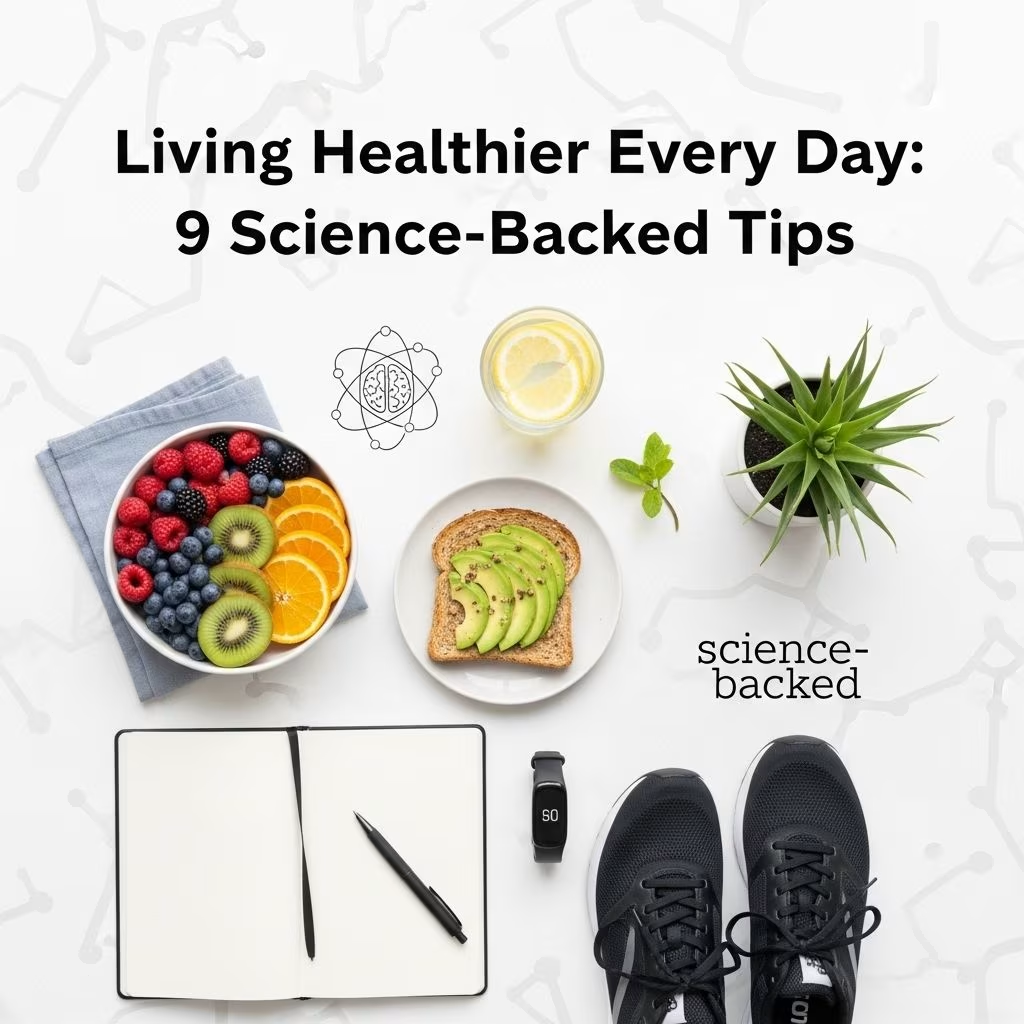
Prevention’s Timeless Guide to Living Healthier Every Day
For over half a century, Prevention has championed the cause of proactive self-care and wellness. With a popular legacy of books and articles, the brand has built a treasure trove of insights on nutrition, exercise, mind-body wellness, and disease prevention. In this comprehensive guide, we delve into the most important lessons and practical tips compiled from Prevention’s renowned publications, helping readers easily adopt smarter, science-backed routines for healthier, more fulfilling lives.
The Foundations of Lifelong Health
Prevention’s book catalog—including the acclaimed “Giant Book of Health Facts” and “Doctors Book of Home Remedies”—offers a foundational philosophy: everyone can take practical, impactful steps toward better health, regardless of age or current fitness level. This overview synthesizes key advice from those volumes, ensuring readers walk away with both inspiration and actionable items.
Getting Fit: Small Steps, Lasting Results
Fitness is at the core of Prevention’s self-care guidance. Through decades of research and expert consultation, the following principles stand out:
- Start Where You Are: Fitness isn’t about perfection or athletic prowess—consistency matters most. Even modest daily activity, such as brisk walking or gentle stretching, offers measurable health benefits.
- Mix It Up: Incorporate cardio, strength, flexibility, and balance training for comprehensive results. Walking, swimming, gentle weights, and yoga form a well-rounded routine.
- Set Realistic, Attainable Goals: Rather than aiming for a dramatic overhaul, set incremental objectives—such as adding 10 more minutes of movement each day or mastering a new stretch.
- Listen to Your Body: Rest and recovery are as vital as physical exertion. Prevent injury and burnout by varying intensity and responding to discomfort with smart adjustments.
Key Takeaway: Aim for progress, not perfection. Every bit of movement counts, and establishing daily habits matters more than chasing fleeting motivation.
Strength Training: A Secret to Healthy Aging
Modern Prevention advice emphasizes an often-overlooked pillar: strength training. Experts now recognize that building and maintaining muscle mass is essential at every age, but especially as we grow older. The benefits include:
- Improved metabolism and weight management
- Reduced risk of osteoporosis and frailty
- Better blood sugar control
- Enhanced mood and brain health
Practical tips for starting strength training:
- Use light dumbbells or resistance bands
- Try bodyweight exercises like squats, lunges, or push-ups
- Progress slowly and focus on correct form
- Include two to three sessions per week, alternating with cardio and flexibility work
Nutrition: Simple Swaps for a Healthier Plate
One of Prevention’s signature contributions is its no-nonsense, evidence-based take on nutrition. Rather than promoting drastic diets, the brand encourages readers to adopt sustainable, nutrient-rich eating habits.
- Eat Whole Foods: Fill your plate with fruits, veggies, whole grains, lean proteins, legumes, nuts, and healthy fats such as olive oil or avocado.
- Control Portions, Mindfully: Use smaller plates, eat slowly, and pay attention to fullness cues. Savor the experience rather than eating out of habit or distraction.
- Choose Color and Variety: Different colors in fruits and vegetables signal unique phytonutrients. Aim to “eat the rainbow” for broad-spectrum disease protection.
- Minimize Processed Foods: Limit added sugars, trans fats, processed snacks, and excess sodium.
- Hydrate: Water remains the best beverage for most people; aim for at least 8 cups (about 2 liters) daily, adjusting for activity level and heat.
Foods with Huge Health Payoffs
| Food | Main Benefit | How to Add It |
|---|---|---|
| Berries | Antioxidants, supports brain health | Add to oatmeal or Greek yogurt |
| Leafy Greens | Vitamins, bone health, anti-inflammatory | Toss in salads, soups, or smoothies |
| Beans & Lentils | Fiber, plant protein, gut health | Include in stews, salads, or grain bowls |
| Salmon | Omega-3 fats, heart health | Grill, roast, or add to salads |
| Greek Yogurt | Probiotics, calcium, protein | Enjoy with fruit or as a snack |
Weight Management: Practical Strategies, Not Fads
Prevention’s approach to weight loss and lifelong weight management is refreshingly grounded in science and psychological realism:
- Focus on Lifestyle, Not Diets: Temporary diets rarely provide lasting results. Sustainable changes—like cooking more at home and being active daily—make the biggest difference over time.
- Don’t Fear Healthy Fats: Foods such as nuts, olive oil, and fatty fish support fullness and metabolic health.
- Meal Planning and Prep: Planning meals in advance makes healthy choices easier and reduces the temptation to grab ultra-processed fare.
- Mindful Eating: Enjoy your meals, pay attention to hunger and fullness, and tune in to your body’s signals.
- Track Progress: A notebook or app can help you chart your habits for motivation and accountability, not punishment.
Preventing Disease: Knowledge as Power
One enduring theme of Prevention’s books is that early action—often simple, everyday habits—can dramatically lower your risk of chronic diseases, such as heart disease, diabetes, and certain cancers. Here’s how:
- Don’t Smoke: Quitting smoking at any age quickly reduces disease risk.
- Move Regularly: Physical activity lowers blood pressure, strengthens the heart, and improves blood sugar control.
- Monitor Key Health Stats: Keep an eye on blood pressure, cholesterol, weight, and blood sugar—know your numbers, and follow up with your healthcare provider.
- Deal with Stress: Chronic stress is linked to inflammation and poor immune function. Adopt relaxation techniques like yoga, meditation, or simple breathwork.
- Get Restful Sleep: Prioritize 7 to 8 hours each night. Good sleep boosts the immune system and supports healthy metabolic function.
Mental and Emotional Wellness
The mind-body connection receives strong emphasis in Prevention’s approach. Emotional balance, optimism, and healthy relationships all factor into lasting wellness.
- Stay Connected: Build social ties and spend time with family and friends. Community is a cornerstone of well-being.
- Keep Your Brain Engaged: Read, learn new skills, or try mind games and puzzles.
- Practice Gratitude: Regularly reflecting on life’s positives fosters resilience and joy.
- Seek Help When Needed: Don’t hesitate to consult mental health professionals if you feel overwhelmed—prevention applies to brain health, too.
Healthy Aging: Adding Years to Life and Life to Years
Prevention is not simply about avoiding disease, but about thriving as you age. The books highlight how small, daily steps stack up to enhance longevity and quality of life.
- Stay Physically Active: Regular movement remains the single most potent factor for healthy aging, preserving mobility and independence.
- Eat Mindfully, Age Gracefully: Emphasize foods rich in antioxidants, calcium, and vitamins to support bone, skin, and cognitive health.
- Prioritize Preventive Screenings: Get recommended checkups—colonoscopies, mammograms, eye and dental exams—so problems can be addressed early.
- Stay Curious and Engaged: Hobbies, volunteering, or lifelong learning help keep the mind sharp and purpose alive.
Self-Care Strategies for Every Day
Lasting health is built on day-to-day choices. Prevention’s holistic lens encourages self-compassion, adaptability, and enjoying the journey as much as the results.
- Establish Routines: Morning walks, meditation, gratitude journaling, or slow meals can anchor your day and reinforce healthy habits.
- Forgive Setbacks: Progress isn’t linear—what matters is a commitment to return to healthy routines, not perfectionism.
- Celebrate Small Wins: Every positive choice—one glass of water, a nourishing breakfast, a 10-minute stretch—adds up to substantial change over time.
Frequently Asked Questions (FAQs)
What makes Prevention’s advice different from fad diets or trendy workouts?
Prevention focuses on evidence-backed, sustainable strategies. The recommendations prioritize small changes, consistency, and holistic well-being, instead of quick fixes or extreme regimens.
Do I need to follow a strict diet or expensive fitness plan to see results?
No—Prevention’s guidance emphasizes accessible steps like daily movement, balanced meals with affordable ingredients, and building habits gradually. No special equipment or expensive programs are necessary.
How often should I update my wellness plan?
Regularly reflect on your routines—monthly check-ins or after life changes are ideal. Stay open to tweaking habits as your needs, health status, or motivation evolve.
Is this advice suitable for older adults or those with chronic conditions?
Yes—while you should consult your healthcare provider for personalized guidance, most of Prevention’s principles are adaptable for all ages and abilities, focusing on gradual growth and safety.
Where can I find more tips and resources like these?
Beyond their widely available books, Prevention.com offers ongoing articles, newsletters, and tools designed to meet readers wherever they are on their health journey.
Further Reading and Resources
- Prevention Magazine’s Giant Book of Health Facts
- The Doctors Book of Home Remedies (various editions)
- Eat Clean, Stay Lean (recipe collections)
- Online: prevention.com – fitness, nutrition, and wellness hubs
Refer to these books and resources for targeted advice on topics from heart health and menopause to strength training and mental wellness.
References
- https://www.goodreads.com/book/show/1655963.Prevention_Magazines_s_Giant_Book_of_Health_Facts
- https://www.prevention.com
- https://www.walmart.com/c/kp/prevention-magazine
- https://www.prevention.com/fitness/fitness-tips/
- https://www.shespeaks.com/Magazine-Prevention-Magazine-Review
- https://www.goodreads.com/author/list/5773368.Prevention_Magazine