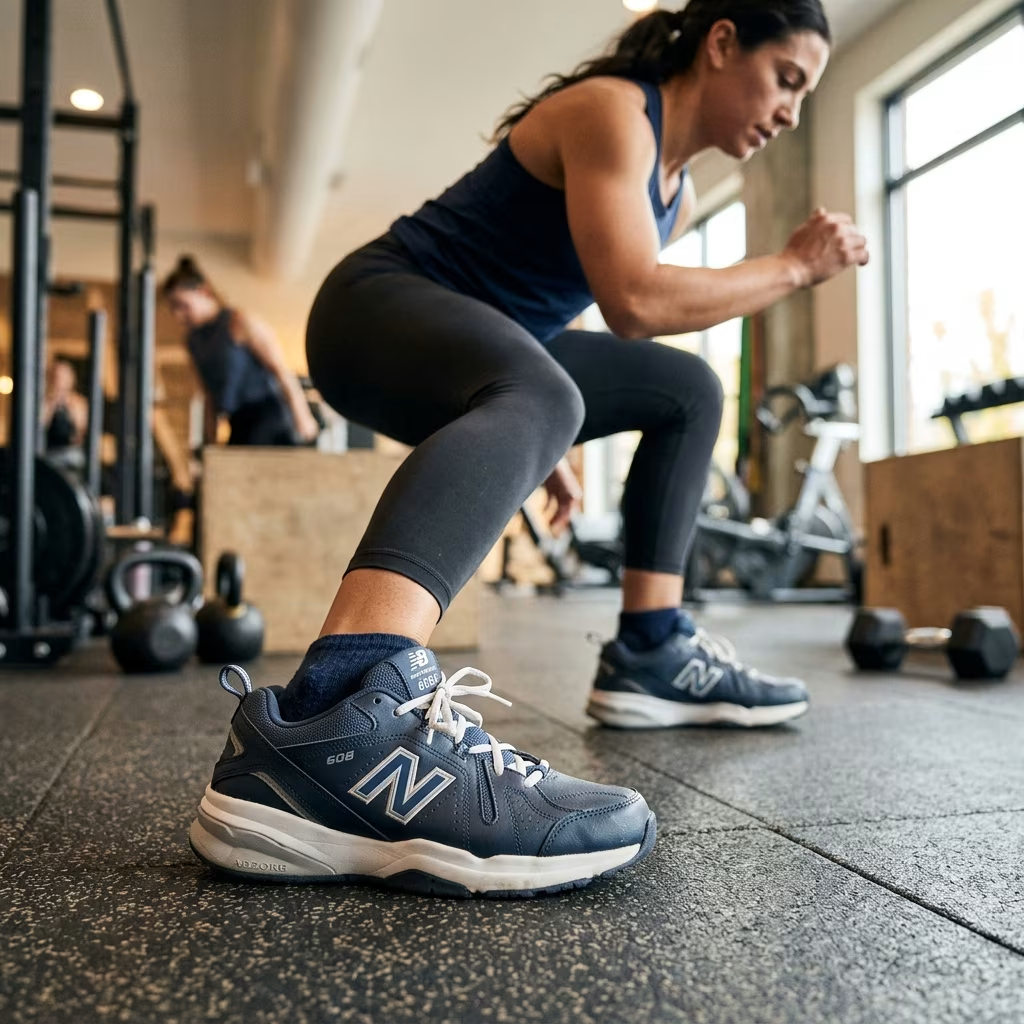
Living with fibromyalgia can feel like running a marathon every day, even the small movements can seem daunting. The good news is that incorporating gentle stretching into your daily routine can help relieve pain, reduce muscle stiffness, and improve your mobility. This article presents six physician- and trainer-approved stretches specifically targeting the areas and symptoms most affected by fibromyalgia. Each move is designed to be safe, manageable, and effective, even for those experiencing chronic discomfort.
Why Stretching Matters for Fibromyalgia
When your entire body feels sore and stiff, exercising may be the last thing on your mind. However, research shows that regular stretching helps relieve pain and enhances quality of life for people with fibromyalgia. Stretching boosts circulation, makes muscles more pliable, and supports joint stability and coordination. Over time, this can lead to:
- Reduced muscle soreness and stiffness
- Less tenderness at fibromyalgia trigger points
- Better balance and flexibility
- Improved ability to carry out daily tasks
It’s important to move at your own pace and only stretch as far as comfortable—never to the point of pain. Before starting, consider using a warm shower or heat wrap to loosen muscles, especially after periods of inactivity.
Getting Started: Tips for Safe and Effective Stretching
- Warm up gently before stretching to prevent injuries. Simple movements like arm circles or walking in place can help.
- Hold each stretch for 10–30 seconds (or as recommended), focusing on gradual movements without bouncing.
- Aim for daily practice to see the most benefit.
- If you have hypermobile joints, be extra careful not to overstretch.
- Pair heat therapy with stretching for maximum muscle relaxation.
- Stretch only until you feel a sense of gentle tension—not sharp pain.
The 6 Best Stretches for Fibromyalgia Pain Relief
Consistent, gentle stretching can help you regain control over your body and comfort. These six moves target common fibromyalgia tender points and help you build a more resilient, flexible body. Integrate these stretches—once a day or more as needed—into your daily wellness routine.
1. Side Bend
Targets: Side of the torso, upper back, shoulders
- Stand with feet shoulder-width apart, abdominal muscles tight.
- Slowly bend to the right, stretching your left arm overhead, while your right hand rests on your thigh.
- Hold for 1-2 seconds, feeling a gentle stretch along the left side of your body.
- Return to the starting position and repeat on the left side.
- This completes one repetition. Do 10 reps total, alternating sides.
Tip: Avoid arching your back or twisting as you bend.
2. Can Opener for Back and Shoulders
Targets: Shoulders, upper back, arms
- Stand with feet shoulder-width apart.
- Reach both arms overhead and clasp your hands together, fingers interlaced and palms facing outward.
- Press your palms upward while squeezing elbows gently inward (imagine trying to pop a balloon between your arms).
- Keep shoulders relaxed and neck straight throughout the stretch.
- Return to starting position and repeat 10 times.
Tip: Breathe out as you press your hands upward, and relax between reps.
3. Chest and Shoulder Stretch
Targets: Chest, shoulders, upper arms
- Stand or sit tall.
- Clasp your hands behind your back, keeping arms straight.
- Lift hands gently upward away from your body until you feel a stretch across your chest and the front of your shoulders.
- Hold for 15–20 seconds.
- Release slowly and repeat 2–3 times.
Tip: If clasping your hands together is uncomfortable, hold a towel between your hands instead.
4. Hip Flexor Stretch
Targets: Front of hips, groin, lower back
- Start in a standing position.
- Step your right foot forward and lower into a gentle lunge, keeping your left knee on the ground and both knees bent at 90 degrees.
- Tilt your pelvis slightly forward to intensify the stretch in the front of your left hip.
- Hold for 15–20 seconds, then gently return to standing.
- Repeat on the other side.
Tip: Use a folded towel under your knee for additional cushioning if needed.
5. Supine Spinal Twist
Targets: Lower back, glutes, outer thighs
- Lie down on your back with legs extended.
- Bring your right knee toward your chest, then cross it gently over your left side, allowing your torso to twist.
- Extend your right arm out to the side and keep shoulders on the floor.
- Hold for 15–30 seconds, then return to center and switch sides.
Tip: Keep the movement gentle, and do not force your knee to the floor.
6. Seated Forward Fold
Targets: Back, hamstrings, calves
- Sit on the floor with legs extended in front of you and feet flexed upward.
- Inhale and lengthen your spine, then exhale as you lean forward from your hips, reaching toward your toes.
- Grasp your shins, ankles, or feet—whichever is comfortable.
- Hold the stretch for 15–30 seconds, breathing slowly and deeply.
- Return to seated position and repeat if desired.
Tip: If your hamstrings are tight, bend your knees slightly to reduce strain on the lower back.
How Stretching Helps Fibromyalgia Symptoms
Fibromyalgia is characterized by widespread musculoskeletal pain, fatigue, and tenderness, often accompanied by disrupted sleep and mental fog. Stretching may provide significant physical and functional benefits for those with fibromyalgia:
- Pain Reduction: Regular stretching alleviates muscle tightness and loosens connective tissue, which can dull persistent aches.
- Improved Circulation: Stretching facilitates blood flow, delivering oxygen and nutrients important for muscle healing.
- Enhanced Flexibility and Mobility: Gentle stretching prevents muscles from becoming overly stiff and maintains range of motion necessary for daily activities.
- Stress and Tension Relief: Slow, mindful movement during stretching can promote relaxation and support emotional well-being.
- Support for Sleep: Less physical discomfort may translate to better rest at night, which is often disrupted in fibromyalgia sufferers.
Combining Stretches with Other Fibro-Friendly Exercises
Although stretching forms the foundation for pain relief, experts also recommend incorporating gentle aerobic activity and light strength training as tolerated. Examples of fibro-friendly activities include:
- Walking: Easy to do, low-impact, and can be adjusted to your fitness level
- Warm Water Therapy: Provides support and warmth to reduce pain and stiffness
- Yoga, Pilates, or Tai Chi: Emphasize flexibility, balance, and controlled movement (seek instructors with experience in chronic pain/limited mobility)
- Strength Training: Use light weights (1–3 lbs.) and focus on slow, controlled movements with good form
Remember to take frequent breaks and practice at your own pace. Listen to your body, and never push through intense pain.
Expert Insights: Why Exercise Can Initially Feel Worse
Many with fibromyalgia report that even mild exercise feels exhausting or increases their discomfort before improvements become evident. Researchers like Dr. Kim D. Jones, Ph.D., FNP, emphasize that “Physical function will improve before symptom improvements.” Early gains may be small, such as getting out of a chair more easily or walking a greater distance. Stay patient—the benefits of an active lifestyle accumulate over time.
Pros & Cons of Common Fibro-Friendly Exercises
| Activity | Pros | Cons |
|---|---|---|
| Warm Water Therapy | Easier on joints, warmth soothes pain | Requires pool access, potential cost |
| Walking (Land Aerobics) | Accessible, affordable | May increase joint discomfort |
| Yoga / Pilates / Tai Chi | Reduces pain, improves balance and sleep | May need specialized instructor or video |
| Dance | Soothing music, uplifting | Possible joint strain, fall risk |
| Strengthening (Isometric/Resistance) | Convenient, builds muscle | Can cause post-exercise soreness |
Frequently Asked Questions (FAQs)
Q: How often should I do these fibromyalgia stretches?
A: You should aim to perform these stretches once a day, or more if desired, depending on your comfort and mobility level. Consistency is key to seeing benefits.
Q: When is the best time to stretch?
A: The optimal time is after a light activity, such as walking or a warm shower, to avoid stretching cold, stiff muscles.
Q: Are there any risks with stretching if I have hypermobile joints?
A: Yes. If you have hypermobile (overly flexible) joints, be careful not to overstretch, as this can cause joint instability or pain. Stretch gently, and stop if you feel discomfort.
Q: Will stretching cure my fibromyalgia?
A: While stretching will not cure fibromyalgia, regular practice may significantly reduce pain, stiffness, and improve quality of life by targeting symptom relief.
Q: Can I do these stretches even on days when my pain is severe?
A: Most people benefit from gentle stretching even on painful days, but always honor your body’s signals and avoid forcing any movement.
Summary Tips for Daily Comfort
- Use heat plus stretching for best muscle relief.
- Start slow and gradually build up your routine.
- Pace yourself and celebrate small progress.
- Combine stretching with activities you enjoy, like music or light walking.
- Seek guidance from a physical therapist or trainer familiar with fibromyalgia if needed.
Key Takeaway
Simple, daily stretching helps unlock greater comfort and mobility for people with fibromyalgia. Focus on gentle movement, patience, and self-compassion as you incorporate these six targeted stretches into your wellness routine.
References
- https://www.prevention.com/fitness/a20471998/6-stretches-to-ease-fibromyalgia-pain/
- https://www.prevention.com/fitness/fitness-tips/a65338521/fibromyalgia-chronic-pain-workouts/
- https://www.fibromyalgiafund.org/fibro-friendly-exercises/
- https://www.prevention.com/fitness/fitness-tips/a20451131/fibromyalgia-relief/
- https://www.prevention.com/health/a20457171/4-workouts-for-chronic-pain/
- https://www.prevention.com/health/a20497837/9-highly-effective-solutions-for-fibromyalgia/
- https://www.prevention.com/health/a20436116/diet-tips-for-fibromyalgia/
- https://www.prevention.com/health/a20439239/turn-off-the-fibro-pain/
- https://www.prevention.com/health/a20511864/yoga-for-chronic-pain/
- https://www.prevention.com/health/a20433836/natural-treatments-and-remedies-for-fibromyalgia/