10 Yoga Poses to Naturally Balance Your Hormones
Modern life, with its demanding schedules, chronic stress, and anywhere-anytime connectivity, can leave our hormonal systems perpetually off-balance. If you struggle with symptoms of hormonal imbalance—stress, fatigue, mood swings, irregular cycles, or poor sleep—your yoga mat may be one of your best allies. Yoga offers accessible, holistic tools to not only calm your mind but positively impact hormonal regulation in your body. Scientific studies and yogic tradition both point toward yoga’s ability to:
- Reduce stress hormones like cortisol
- Support thyroid, adrenal, and reproductive health
- Promote healthy metabolism and insulin sensitivity
- Enhance emotional well-being and sleep
This comprehensive guide walks you through 10 key yoga poses known to balance hormones, improve pelvic and reproductive health, and help you feel your most vibrant self. From gentle resting shapes to deep hip openers, each pose is paired with practical tips and physiological insights.
Why Yoga for Hormonal Balance?
Our hormones are chemical messengers produced by glands within the endocrine system. These messengers direct everything from metabolism and sleep to mood and reproductive cycles. Chronic stress, poor diet, and lack of movement can disrupt hormone levels, leading to conditions such as insomnia, mood disorders, PCOS, infertility, menopause symptoms, or hypothyroidism.
Research indicates that yoga can:
- Calm the nervous system and lower stress hormone production
- Improve blood flow to hormone-producing glands
- Promote emotional regulation and mental clarity
- Enhance flexibility and muscle tone in the pelvic region
- Support metabolic and reproductive health
Let’s explore the most impactful yoga poses for hormone harmony.
1. Child’s Pose (Balasana)
The ultimate resting posture, Child’s Pose grounds the body, calms the mind, and taps into the parasympathetic nervous system for deep relaxation.
- How it helps: Encourages the body out of fight-or-flight mode, lowering cortisol. Supports adrenal recovery, and soothes digestion and reproductive organs.
- How to do: Kneel on your mat, bringing big toes together and knees wide. Fold forward, resting your torso between thighs and forehead on the floor or a block. Extend arms or rest them by your sides. Breathe deeply for 1–3 minutes.
- Tip: This pose is accessible for all levels and can be revisited anytime you need a break.
2. Supported Bridge Pose (Setu Bandha Sarvangasana)
An accessible inversion that stimulates the thyroid, calms the nervous system, and gently opens the chest, heart, and pelvic region.
- How it helps: Encourages thyroid stimulation and pelvic circulation. Relieves mild depression, fatigue, and stress.
- How to do: Lie on your back with knees bent and feet hip-width. Press into feet to lift hips, sliding a yoga block (or stack of cushions) under your sacrum. Rest with arms relaxed at sides for 1–2 minutes, focusing on slow, even breathing.
- Tip: If discomfort arises, support your body with extra cushions and exit slowly.
3. Seated Forward Bend (Paschimottanasana)
This classic forward fold activates the parasympathetic nervous system, relieves mild depression, and eases anxiety.
- How it helps: Calms the mind, soothes the nervous system, and helps reduce excess adrenaline and cortisol.
- How to do: Sit on the mat, legs extended. Inhale, lengthen spine, and as you exhale, hinge forward from hips, reaching toward feet. Support head with a block if needed. Hold for several breaths.
- Tip: Keep knees soft if hamstrings are tight, and extend the spine rather than rounding the back.
4. Reclined Bound Angle Pose (Supta Baddha Konasana)
An accessible and restorative pose for pelvic health, hip and groin opening, and emotional release.
- How it helps: Opens hips and groin, supports reproductive system, reduces anxiety, and supports hormone balance.
- How to do: Lie on your back, bring soles of feet together, and let knees drop wide. Support knees/thighs with cushions or blocks. Rest hands on belly or by sides, eyes closed, for 3–5 minutes.
- Tip: This is a deep restorative posture—use as part of your wind-down routine before sleep.
5. Cat-Cow Pose (Marjaryasana-Bitilasana)
A gentle flow linking breath and movement, energizing the spine, brain, and thyroid gland.
- How it helps: Improves spinal flexibility, enhances circulation to thyroid/adrenal glands, regulates menstrual cycles, and lifts mood.
- How to do: Start on hands and knees. Inhale, arch spine (Cow), broadening collarbones. Exhale, round spine (Cat), chin to chest. Repeat slowly for 1–2 minutes.
- Tip: Focus on the breath and synchronize each movement with an inhale or exhale.
6. Legs-Up-The-Wall Pose (Viparita Karani)
An inversion that promotes rest, lymphatic drainage, and stress reduction, while gently stretching the lower back.
- How it helps: Calms the nervous system, lowers cortisol, boosts blood flow to abdominal and pelvic organs, supports thyroid and adrenals.
- How to do: Lie on your back, hips close to a wall, and send legs up. Rest arms by sides, palms up. Stay for 3–10 minutes, breathing deeply.
- Tip: Use a folded blanket under your hips for extra support, or bend knees slightly if hamstrings are tight.
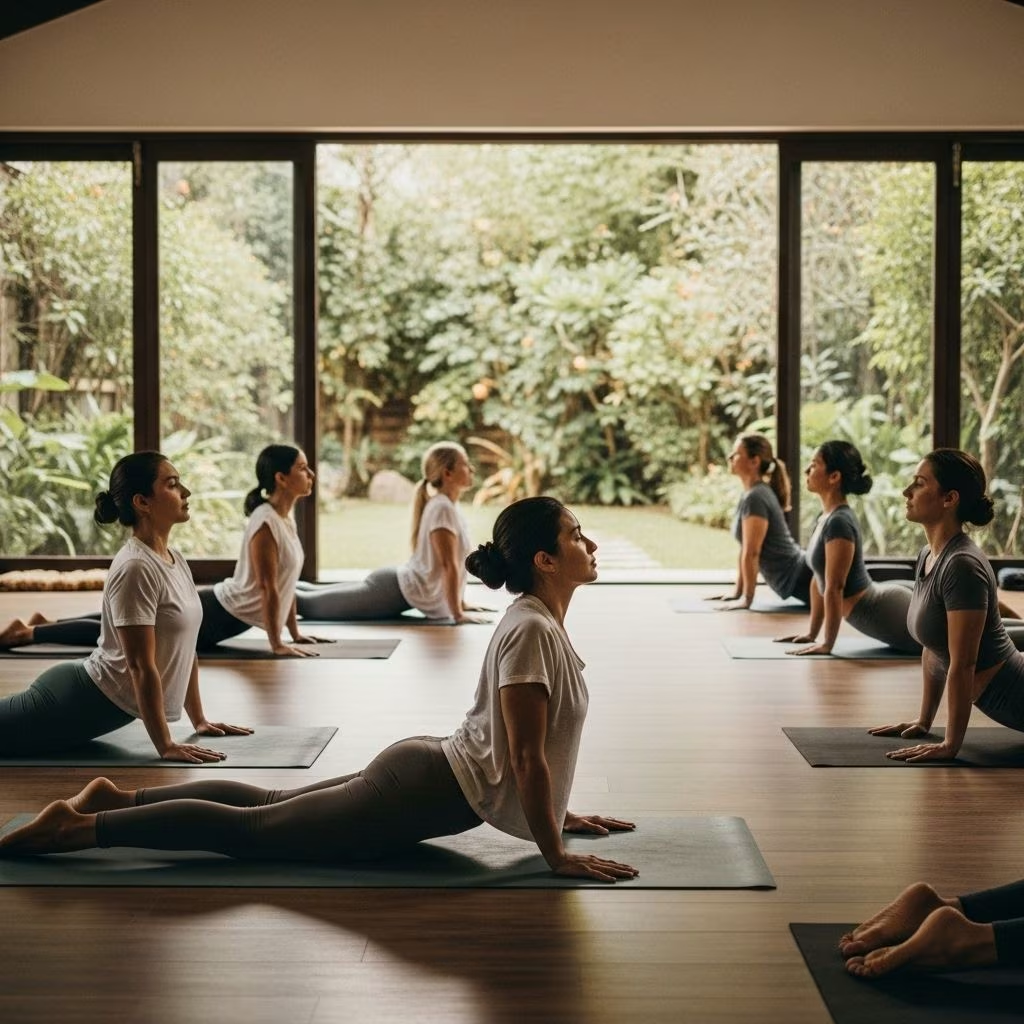
7. Cobra Pose (Bhujangasana)
A gentle backbend stimulating the adrenal glands and opening the chest, improving mood and energy level.
- How it helps: Stimulates hormone-producing organs, encourages healthy posture, elevates energy.
- How to do: Lie face down, hands under shoulders. Inhale, gently lift chest, keeping elbows close and shoulders away from ears. Hold for a few breaths and release.
- Tip: Avoid overextending lower back—lift chest using back strength and core support.
8. Pigeon Pose (Eka Pada Rajakapotasana)
Deep hip opener, releasing physical and emotional tension, supporting reproductive and pelvic health.
- How it helps: Releases stored tension in hips—an area where stress accumulates, especially during hormonal fluctuations. Can improve menstrual and reproductive wellness.
- How to do: From hands and knees, bring right knee toward right wrist, extending left leg back. Fold forward and rest forehead on hands or mat. Hold for up to 2 minutes, switch sides.
- Tip: Support hips with a block or cushion to keep the pelvis level and reduce strain.
9. Shoulderstand (Salamba Sarvangasana)
A traditional inversion beneficial for thyroid function, metabolism, and mood stabilization.
- How it helps: Increases circulation to thyroid and parathyroid glands, relieves fatigue, and helps balance the endocrine system.
- How to do: Lie on your back, lift legs overhead, supporting lower back with hands. Keep neck straight, hold for up to 1 minute, then gently lower.
- Tip: Skip this pose if you have neck, shoulder, or spine issues. Consider a supported version with props or guided instruction.
10. Corpse Pose (Savasana)
The essential final relaxation pose, integrating hormonal, emotional, and physical benefits of your practice.
- How it helps: Deeply relaxes every system in the body, lowers stress hormones, and fosters healing.
- How to do: Lie flat on your back, arms and legs spread comfortably. Close eyes and focus awareness on your breath. Stay for 5–10 minutes.
- Tip: Use bolsters or blankets as needed to support low back or legs. Practice Savasana at the end of every session.
Practical Tips for a Hormone-Balancing Yoga Practice
- Focus on breath awareness: Deep, mindful breathing maximizes yoga’s calming and hormone-regulating effects.
- Pair movement with breath: Inhale and exhale with every pose change for nervous system harmony.
- Start slow: Short sessions (10–20 minutes) practiced consistently yield greater hormone-regulating benefits than occasional intense efforts.
- Adapt to your cycle: Choose calming and restorative poses during times of stress or PMS, and include energizing postures when energy is higher.
Yoga and Scientific Evidence: What Research Says
Clinical and observational studies confirm regular yoga practice can:
- Lower cortisol (stress hormone) and reduce adrenal overactivation
- Improve thyroid health and metabolism
- Ease menopausal and PMS symptoms
- Relieve anxiety, sleep disorders, and depression
- Enhance pelvic muscle tone and urogenital circulation
Yoga is not a replacement for medical treatment but serves as a powerful complement to conventional care for hormonal issues. Always consult a healthcare professional if you have medical concerns or are beginning a new exercise regimen.
Frequently Asked Questions (FAQs)
Q: Can yoga really balance my hormones?
A: Current studies and clinical observations suggest that regular yoga practice can lead to measurable improvements in hormone balance, particularly by reducing stress hormones like cortisol and supporting nervous system function. While yoga may not “cure” hormonal disorders, it can meaningfully complement other therapies.
Q: Which yoga poses are best if I have thyroid issues?
A: Inversions and poses that gently compress or stretch the neck, such as Supported Bridge, Legs-Up-The-Wall, and Shoulderstand, are considered beneficial for thyroid stimulation.
Q: Is yoga safe for hormone issues like PCOS, menopause, or PMS?
A: Most gentle yoga poses are safe and recommended for these conditions. Restorative yoga and gentle flows can ease symptoms associated with PCOS, PMS, and menopause. However, always consult your medical provider for advice tailored to your needs.
Q: How often should I practice these hormone-balancing yoga poses?
A: Even brief daily practice (10–20 minutes) can help. Consistency matters more than intensity. Integrate these poses into your morning, bedtime, or stress-relief routine for best results.
Quick Reference Table: Yoga Poses and Their Hormonal Benefits
| Pose | Main Hormonal Benefit | Best For |
|---|---|---|
| Child’s Pose | Reduces cortisol, grounds energy | Stress, fatigue, anxiety |
| Supported Bridge | Stimulates thyroid, calms nerves | Metabolic & thyroid support |
| Seated Forward Bend | Soothes nervous system | Overthinking, mood swings |
| Reclined Bound Angle | Opens hips, boosts pelvic flow | Reproductive & pelvic health |
| Cat-Cow | Improves spinal & glandular flow | Cycle regulation, mood |
| Legs Up The Wall | Relaxes, lowers cortisol | Adrenal fatigue, insomnia |
| Cobra | Stimulates adrenals | Low energy, mood |
| Pigeon | Releases hip tension | Menstrual, emotional stress |
| Shoulderstand | Balances endocrine glands | Thyroid, menopause |
| Savasana | Integrates, relaxes | Overall well-being |
Final Notes
Hormonal imbalances affect nearly everyone at some point in life. Through gentle, consistent yoga practice, you can build physical resilience and support your body’s natural rhythm. Listen to your body, progress at your own pace, and allow yoga’s wisdom to support your holistic wellness.
References
- https://www.avantgynecology.com/2025/08/14/the-benefits-of-yoga-for-womens-pelvic-health-and-hormonal-balance/
- https://www.yogajournal.com/lifestyle/health/womens-health/yoga-sequence-hormonal-imbalance/
- https://www.uptownyoga.com/yoga-practices-for-balancing-your-hormones/
- https://www.palomahealth.com/learn/yoga-poses-to-support-hormone-balance
- https://pmc.ncbi.nlm.nih.gov/articles/PMC4264281/
- https://www.morelandobgyn.com/blog/yoga-for-menopause-8-poses-for-your-menopause-symptoms
- https://www.wccfitness.org/blog/yoga-for-hormonal-balance/
- https://www.defeatingepilepsy.org/living-with-epilepsy-series/the-hormonal-benefit-of-yoga/
- https://www.mariongluckclinic.com/blog/the-best-way-to-exercise-to-balance-hormones.html