Yoga Poses to Debloat: Natural Relief for Digestive Discomfort
Bloating is a common issue that leaves you feeling uncomfortable, heavy, and disconnected from your body. Whether it stems from stress, digestive disorders, or eating certain foods, bloating can be persistent and frustrating. Fortunately, yoga offers a holistic, gentle approach to ease digestive woes. Specific yoga poses not only stimulate the internal organs, helping to relieve trapped gas, but also calm the nervous system—making them ideal for addressing both the physical and emotional effects of bloating.
Why Yoga Helps Relieve Bloating
- Stimulates digestive organs by massaging and compressing the abdomen, which can encourage gas and waste to move through the system.
- Relaxes the nervous system to reduce tension, which often accompanies digestive distress.
- Encourages mindful breathing, which enhances metabolism and fosters relaxation.
- Promotes lymphatic movement, supporting detoxification and fluid balance.
- Can speed internal gas expulsion, according to clinical studies that link upright posture and gentle movement to faster relief.
How to Use Yoga for Bloating
When bloated, avoid challenging or forceful postures. Instead, focus on slow, controlled movements and deep, steady breathing. Many poses can be performed at home with just a yoga mat or comfortable floor space. For the greatest relief, hold each pose for several deep breaths and repeat as needed throughout your day.
10 Yoga Poses to Reduce Bloating
Below, you’ll find 10 expert-recommended poses that target the abdominal region, massage digestive organs, and help your body find comfort and relief naturally.
1. Child’s Pose (Balasana)
- Kneel and sit back on your heels with big toes touching, knees wide apart.
- Lower your torso between thighs, stretching your arms forward or alongside your body.
- Rest your forehead on the mat. Breathe slowly for 1–2 minutes.
Why It Helps: The gentle forward fold compresses your abdomen, stimulating digestion and easing trapped gas. It’s also relaxing for tense hips and lower back—zones that often tighten during bloating.
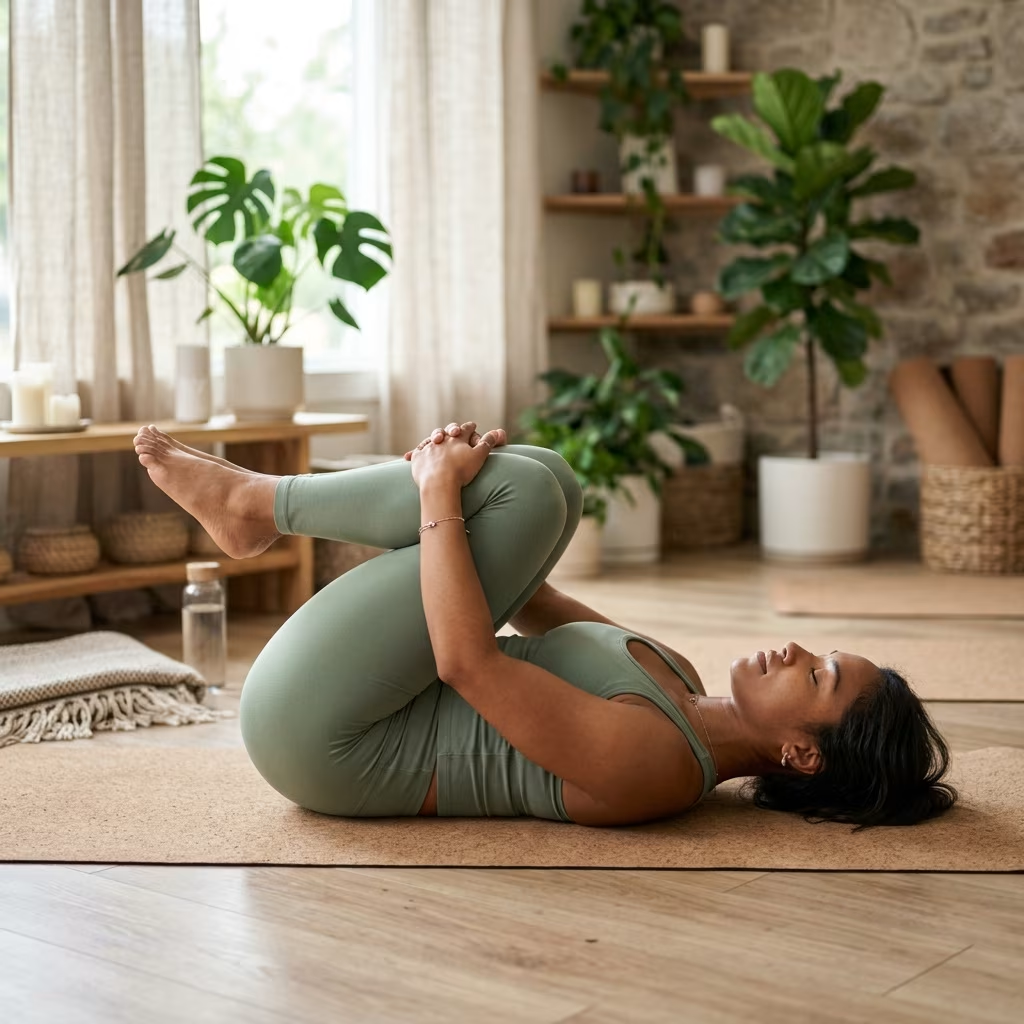
2. Knees-to-Chest Pose (Apanasana)
- Lie flat on your back, legs extended.
- Draw your knees toward your chest, wrapping arms around them.
- Rock side to side to massage your lower back. Hold for 1–2 minutes, breathing deeply.
Why It Helps: Compressed abdominal area encourages gas movement, relieving pressure and cramping quickly. Often called the “wind-relieving pose” for its digestive benefits.
3. Seated Forward Bend (Paschimottanasana)
- Sit with legs extended straight in front of you.
- Inhale, raise your arms overhead and lengthen your spine.
- Exhale and fold forward, reaching for your feet or ankles. Relax your head and neck.
Why It Helps: Compresses and stretches the front body, helping to release gas, promote digestion, and soothe stress-based bloating.
4. Seated Spinal Twist (Ardha Matsyendrasana)
- Sit tall, legs extended. Cross your left foot outside the right knee.
- Bend your right knee, optionally tucking the foot near your left hip.
- Inhale, twist torso to the left. Press right elbow outside left knee and look over your left shoulder.
- Hold for 5–8 breaths; switch sides.
Why It Helps: Twists “wring out” digestive organs, helping move trapped gas and support elimination. They also gently massage your intestines with each breath.
5. Supine Hero Pose (Supta Virasana)
- Kneel on the mat, keeping knees together and feet apart.
- Lower your hips between your feet, then slowly recline backward, supporting yourself with elbows until your back and head rest on the mat.
- Breath deeply; hold for 5–8 breaths.
Why It Helps: Stretches the front body and releases tension in the psoas muscle—relaxing tight hips and supporting digestion.
6. Bow Pose (Dhanurasana)
- Lie face-down. Bend knees and reach back to grasp ankles.
- Inhale and lift head, chest, and thighs off the floor, drawing ankles up and back.
- Hold, breathing steadily for several seconds.
Why It Helps: Engages core muscles and deeply massages abdominal organs for quicker relief. Bow pose also energizes the body, countering lethargy associated with bloating.
7. Camel Pose (Ustrasana)
- Kneel with legs hip-width apart. Place palms on lower back for support.
- Inhale, press hips forward and arch your back, reaching hands for heels.
- Lift your chest and chin, keeping neck relaxed.
- Hold for a few breaths before gently returning to upright position.
Why It Helps: Opens chest and abdomen, offering a deep stretch to digestive organs and improving circulation. The energizing nature makes it especially effective after lethargic periods.
8. Garland Pose (Malasana)
- Stand with feet wider than hip-width. Squat down, bringing hips below knees.
- Press palms together at heart center, elbows against inner knees.
- Lengthen spine and hold, breathing deeply for several breaths.
Why It Helps: Compresses and stretches the abdominal cavity, relieves constipation, and encourages the movement of digestive fluids.
9. Happy Baby Pose (Ananda Balasana)
- Lie on your back, bend knees toward armpits.
- Grab outside of feet with hands.
- Gently rock side to side, keeping your back on the mat.
Why It Helps: Massages lower tummy, encourages muscle relaxation, and stimulates digestion while releasing lower back tension.
10. Bharadvaja’s Twist (Bharadvajasana)
- Sit with both legs extended. Bend knees and bring feet to the right side of hips.
- Inhale, lengthen spine. Exhale and twist torso to left, placing left hand behind and right hand on right thigh.
- Breathe steadily, holding for several breaths. Repeat on other side.
Why It Helps: Massages abdominal organs and gently encourages movement of digestive fluids, reducing tension and providing relief.
Tips for Best Results and Safe Practice
- Focus on slow, deep breaths. Connecting breath to movement stimulates relaxation and abdominal massage.
- Use props like yoga blocks or bolsters for added support, especially in restorative poses.
- Avoid overexertion; gentle movement is more effective than pushing into deep stretches when bloated.
- Repeat poses daily or as needed. Consistency fosters lasting digestive health.
- If you experience pain, dizziness, or sharp discomfort, stop immediately; yoga should relieve, not intensify, symptoms.
How Yoga Relieves Bloating: Science & Expert Insights
- Poses that compress and twist the abdominal cavity massage the digestive tract, aiding transit of gas and waste.
- Forward folds activate the parasympathetic nervous system, reducing stress—the leading non-organic cause of bloating.
- Twisting postures, such as Seated Spinal Twist and Bharadvaja’s Twist, stimulate lymphatic flow, promoting systemic detox.
- Research shows that sitting upright can relieve symptoms faster than lying prone.
Frequently Asked Questions (FAQs)
Q: Can yoga quickly relieve bloating?
A: Many yoga poses offer rapid relief—as little as a few minutes—by stimulating the abdominal organs and encouraging internal gas to move through your system. Twists and gentle compressions are especially effective.
Q: Is yoga safe for chronic bloating or digestive disorders?
A: Gentle yoga poses are generally safe and can complement other treatments, but anyone with chronic digestive issues should consult a healthcare provider to rule out underlying medical concerns before starting a new routine.
Q: When is the best time to practice yoga for digestion?
A: The best time is about 1–2 hours after eating a meal. Practicing on a full stomach may slow digestion, while waiting allows your body to maximize the benefits of twisting and compressing poses.
Q: Which yoga poses should I avoid when bloated?
A: Strong backbends or deep core-engaging poses that put excessive pressure on the stomach are best avoided during periods of discomfort. Focus on restorative, gentle movements for best results.
Q: Can breathing techniques enhance yoga’s benefits for bloating?
A: Absolutely. Intentional diaphragmatic breathing (slow, full inhalations and exhalations) enhances abdominal massage, relaxes tension, and improves digestion.
Yoga Pose Quick Reference Table
| Pose | Main Benefit | Duration |
|---|---|---|
| Child’s Pose | Compresses tummy, calms mind | 1–2 mins |
| Knees-to-Chest Pose | Releases gas, eases cramping | 1–2 mins |
| Seated Forward Bend | Stretches and compresses abdomen | 1–2 mins |
| Seated Spinal Twist | Massages digestive organs, releases tension | 5–8 breaths |
| Supine Hero Pose | Stretches psoas, eases digestion | 5–8 breaths |
| Bow Pose | Activates core, energizes body | 5–8 breaths |
| Camel Pose | Opens chest & abdomen | 5–8 breaths |
| Garland Pose | Compresses abdomen, improves elimination | 5–8 breaths |
| Happy Baby Pose | Massages lower tummy | 5–8 breaths |
| Bharadvaja’s Twist | Gentle abdominal massage | 5–8 breaths |
Final Tips: Building Your Debloat Yoga Routine
- Combine 4–6 poses into a simple 15–20 minute routine. Start with gentle compressions and add twists and folds gradually.
- Practice mindful breathing in every pose, emphasizing slow inhalation and exhalation.
- Consistency is key: daily practice supports lasting digestive health.
- Integrate these poses into your broader wellness routine, including hydration and mindful eating habits.
Yoga offers proven, lasting relief for uncomfortable bloating and digestive distress. Incorporate these poses to promote your digestive health and restore comfort, naturally.
References
- https://www.yogajournal.com/poses/yoga-by-benefit/digestion/yoga-poses-for-bloating/
- https://www.onepeloton.com/blog/yoga-for-bloating
- https://thesabi.co/en-us/blogs/conscious-collective/5-yoga-poses-for-bloating-relief-and-a-relaxed-stomach
- https://www.prevention.com/fitness/g20498359/yoga-poses-to-debloat/
- https://www.prevention.com/health/a39828149/moves-to-relieve-gas/
- https://www.prevention.com/fitness/g20489510/yoga-poses-to-balance-your-hormones/