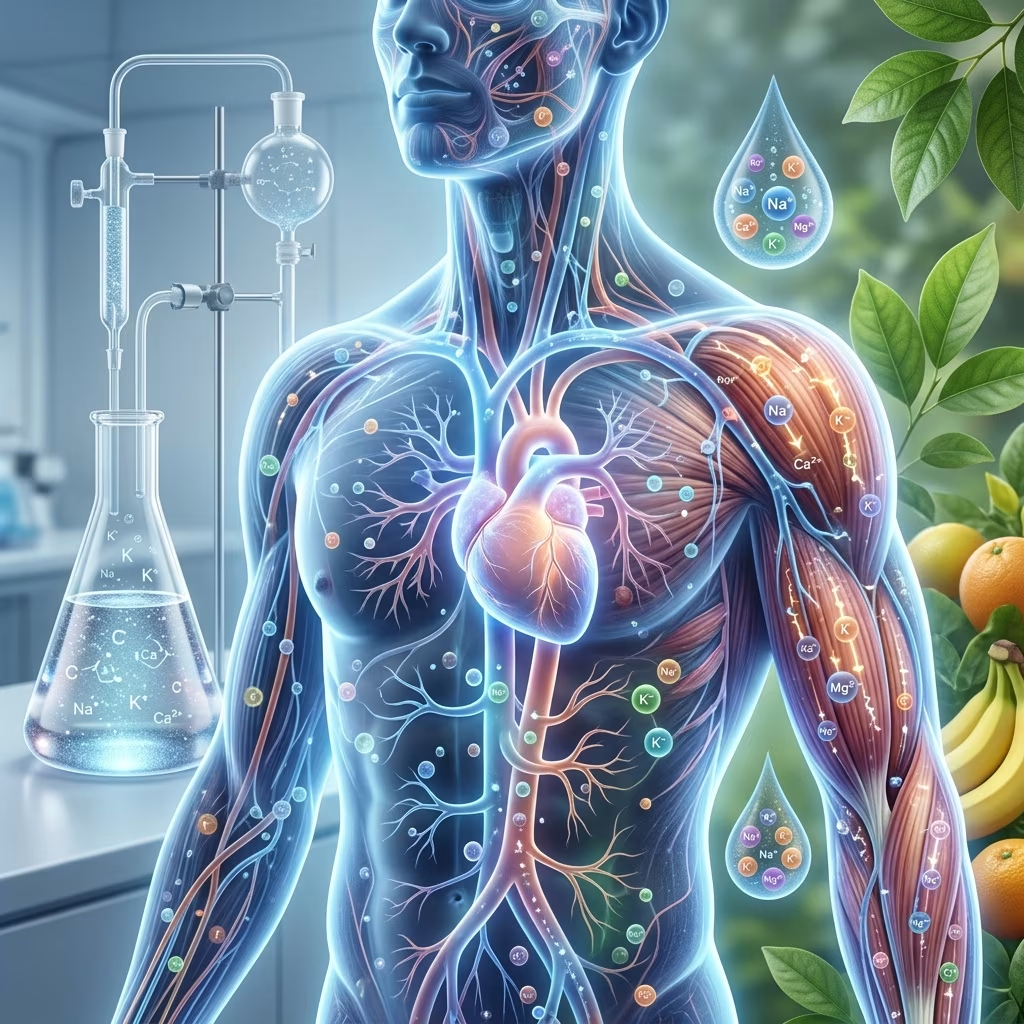
What Are Electrolytes?
Electrolytes are essential minerals in your body that carry an electric charge. These minerals—including sodium, potassium, calcium, magnesium, chloride, phosphate, and bicarbonate—play a pivotal role in numerous bodily functions, especially those related to hydration, nerve activity, and muscle movement.
Why Electrolytes Matter
Electrolytes are at the heart of how your body manages fluid balance, muscle contractions, and nerve signals. They ensure that nutrients get to your cells, waste is removed, and that your heartbeat and breathing occur smoothly.
- Sodium: Regulates fluid balance and blood pressure.
- Potassium: Key for muscle function and heart rhythm.
- Calcium: Essential for bones, teeth, muscle contractions, and nerve communication.
- Magnesium: Supports muscle and nerve function, energy creation.
- Chloride: Helps maintain fluid balance and aids in digestion.
- Phosphate: Involved in energy production and bone health.
- Bicarbonate: Helps manage pH balance in your body.
How Electrolytes Work in Your Body
Electrolytes dissolve in water and split into positive and negative ions. These ions carry electrical signals, which are crucial for communication between cells and regulation of body functions such as:
- Transmission of nerve impulses
- Muscle contractions and relaxation
- Heartbeat regulation
- Maintaining pH and fluid balance
Common Causes of Electrolyte Loss
Your body constantly uses and loses electrolytes. Understanding how this loss occurs clarifies why certain situations increase your need for replenishment:
- Sweating during exercise
- Prolonged exposure to heat or humidity
- Vomiting or diarrhea
- Urination
- Certain medications and health conditions
In most healthy individuals, a balanced diet and regular hydration are enough to maintain proper electrolyte levels. However, replacement may be necessary in periods of excessive loss.
How Do You Know If You Have an Electrolyte Imbalance?
Electrolyte imbalance can occur when levels become too high or too low. Symptoms can vary from mild to severe and include:
- Headache
- Fatigue or low energy
- Muscle cramps, spasms, or weakness
- Nausea or vomiting
- Dizziness or confusion
- Changes in blood pressure
- Irregular heartbeat
If symptoms persist or are severe, consultation with a healthcare professional is essential, as serious imbalances can be life-threatening.
Who Needs to Pay Special Attention to Electrolytes?
For most people, dietary sources provide adequate electrolytes. However, some groups should remain especially vigilant:
- Athletes or highly active individuals, especially those exercising over 60–75 minutes or in hot climates.
- Children with vomiting or diarrhea, due to their smaller body size and higher relative fluid loss.
- People with chronic illness affecting the kidneys, heart, or taking certain medications.
- Pregnant women and the elderly, who may have altered hydration needs.
Most adults can trust their bodies to regulate electrolyte balance effectively with normal dietary intake and thirst as a guide.
Natural Sources of Electrolytes
Electrolytes are found in a wide array of common foods. Regularly eating a varied diet is the easiest way to get what your body needs:
- Fruits – Bananas (potassium), oranges (potassium), watermelon (magnesium, potassium).
- Vegetables – Spinach (magnesium), potatoes (potassium), tomatoes (potassium, magnesium).
- Dairy products – Milk and yogurt (calcium, potassium).
- Nuts and seeds – Almonds, sunflower seeds (magnesium, phosphorus).
- Whole grains – Brown rice, oats (magnesium, phosphorus).
- Fish – Sardines, salmon (calcium, phosphorus).
- Table salt – Sodium, added chloride.
Fruits and vegetables have the added advantage of providing hydration due to their high water content.
Do You Need Electrolyte Supplements?
Marketed drinks and supplements often claim to rapidly restore electrolyte balance and boost hydration. However, the facts show a more nuanced story:
- Short-duration or low-to-moderate intensity exercise (under 60-75 minutes): You likely do not need additional supplements; water and your regular diet suffice.
- Prolonged, high-intensity activity (over 60-75 minutes), especially in heat or humidity: Rehydration with electrolytes may be helpful to maintain performance and avoid imbalance.
- Illness involving diarrhea or vomiting: Electrolyte drinks or oral rehydration solutions can be beneficial, especially for children or vulnerable adults.
There is limited evidence that supplements improve exercise performance in well-nourished people. Overconsumption of electrolyte supplements can actually cause harm, including irregular heartbeat, nausea, or kidney issues. Always prioritize whole food sources and consult your doctor if you have medical conditions or are unsure.
Electrolyte Drinks, Supplements, and Marketing
Sports drinks, electrolyte-infused waters, and supplements line store shelves and are heavily advertised, but many products contain far more sugar than electrolytes, along with artificial flavors or unnecessary additives.
- Some sports drinks provide sufficient sodium and potassium for replenishing after high-intensity or prolonged exercise.
- Electrolyte tablets, powders, or enhanced waters vary significantly in actual mineral content.
- Carefully check nutritional labels before relying on these products for electrolyte replacement.
- Use these products sparingly and only when needed; more is not always better.
For most people, the best sources of electrolytes are healthy foods that provide a balanced intake along with vitamins, fiber, and other important nutrients.
Risks of Overconsuming Electrolytes
Too much of certain electrolytes—especially sodium or potassium—can be dangerous, particularly in those with existing medical conditions such as kidney disease, high blood pressure, or heart problems. Overuse of electrolyte supplements or drinks may lead to:
- High blood pressure (excess sodium)
- Heart rhythm disturbances (excess potassium or calcium)
- Fatigue, confusion, muscle weakness
- Nausea or vomiting
Consult with a healthcare provider if you are on blood pressure medication, have kidney issues, or are considering regular use of high-dose electrolyte products.
How to Maintain a Healthy Electrolyte Balance
- Eat a well-balanced diet rich in fruits, vegetables, whole grains, lean proteins, and dairy.
- Drink water to thirst, particularly before, during, and after physical activity.
- Pay attention to symptoms of imbalance—such as cramping, dizziness, or prolonged fatigue.
- Be mindful in hot or humid conditions, or during long bouts of exercise—consider additional sodium and fluids if needed.
- Monitor your body’s signals and urine color (pale yellow is optimal).
- Talk to your doctor before starting any supplement regime, especially with health conditions or medications.
Frequently Asked Questions (FAQs) About Electrolytes
Q: What are the main electrolytes in the human body?
A: The primary electrolytes are sodium, potassium, calcium, magnesium, chloride, phosphate, and bicarbonate. These minerals help keep your body’s nervous system, muscles, and hydration in check.
Q: How can I tell if I need more electrolytes?
A: If you’re experiencing muscle cramps, fatigue, headaches, nausea, dizziness, or confusion—especially after sweating, illness, or vigorous exercise—you may need to replenish lost electrolytes.
Q: Are sports and electrolyte drinks good for you?
A: They can be beneficial after prolonged, high-intensity exercise or during illness with fluid loss, but most contain a lot of sugar and calories. For most people, they are unnecessary and a healthy diet and regular water are usually sufficient.
Q: Can you get too many electrolytes?
A: Yes, consuming excessive electrolytes—especially from supplements or sports drinks—can lead to health problems. Symptoms of excess can include nausea, weakness, or heart rhythm abnormalities.
Q: What are the best natural sources of electrolytes?
A: Fruits (especially bananas and oranges), leafy greens, potatoes, dairy products, fish, nuts, and seeds are all excellent sources of various electrolytes.
Quick Reference: Electrolytes at a Glance
| Electrolyte | Main Functions | Best Food Sources | Key Signs of Deficiency |
|---|---|---|---|
| Sodium | Fluid balance, nerve signals | Table salt, pickles, cheese | Muscle cramps, dizziness |
| Potassium | Muscle & heart function | Bananas, potatoes, beans | Weakness, irregular heartbeat |
| Calcium | Bone health, nerve impulses | Dairy, sardines, tofu | Tingling, muscle spasms |
| Magnesium | Enzyme function, energy | Spinach, almonds, whole grains | Cramping, irregular heartbeat |
| Chloride | Fluid balance, stomach acid | Table salt, seaweed | Loss of fluids, fatigue |
| Phosphate | Energy storage, bone health | Fish, dairy, meats | Weakness, bone pain |
| Bicarbonate | pH balance | Produced in body | Confusion, fatigue |
Key Takeaways
- Electrolytes are vital minerals that regulate hydration, nerve, and muscle function.
- Your body usually balances electrolytes effectively via diet and normal hydration.
- Athletes, people with prolonged illness, and those in hot climates should be more mindful.
- Supplements and sports drinks are rarely necessary for casual activity and can sometimes do more harm than good.
- Whole foods provide the healthiest, most reliable supply of electrolytes for most people.
References
- https://med.stanford.edu/news/all-news/2020/02/electrolyte-supplements-dont-prevent-illness-in-athletes.html
- https://www.cedars-sinai.org/blog/electrolytes.html
- https://www.prevention.com/fitness/a21085214/what-are-electrolytes/
- https://www.heart.org/en/news/2024/06/19/electrolytes-can-give-the-body-a-charge-but-try-not-to-overdo-it
- https://www.prevention.com/food-nutrition/g20510971/5-foods-that-will-help-you-replenish-electrolytes/
- https://www.prevention.com/food-nutrition/a67951417/foods-low-in-potassium/
- https://www.prevention.com/health/a65938943/how-much-water-you-should-drink-per-day/
- https://www.ncbi.nlm.nih.gov/books/NBK541123/
- https://www.prevention.com/food-nutrition/a67992757/signs-of-potassium-deficiency/