Calisthenics offers an effective, accessible approach to strength and fitness. By focusing on movements that use your own body weight as resistance, calisthenics can be performed anywhere and adapted to any fitness level. Whether you’re a beginner or an experienced athlete, bodyweight-based workouts build a solid foundation for overall health, strength, cardiovascular fitness, and mobility.
What is Calisthenics?
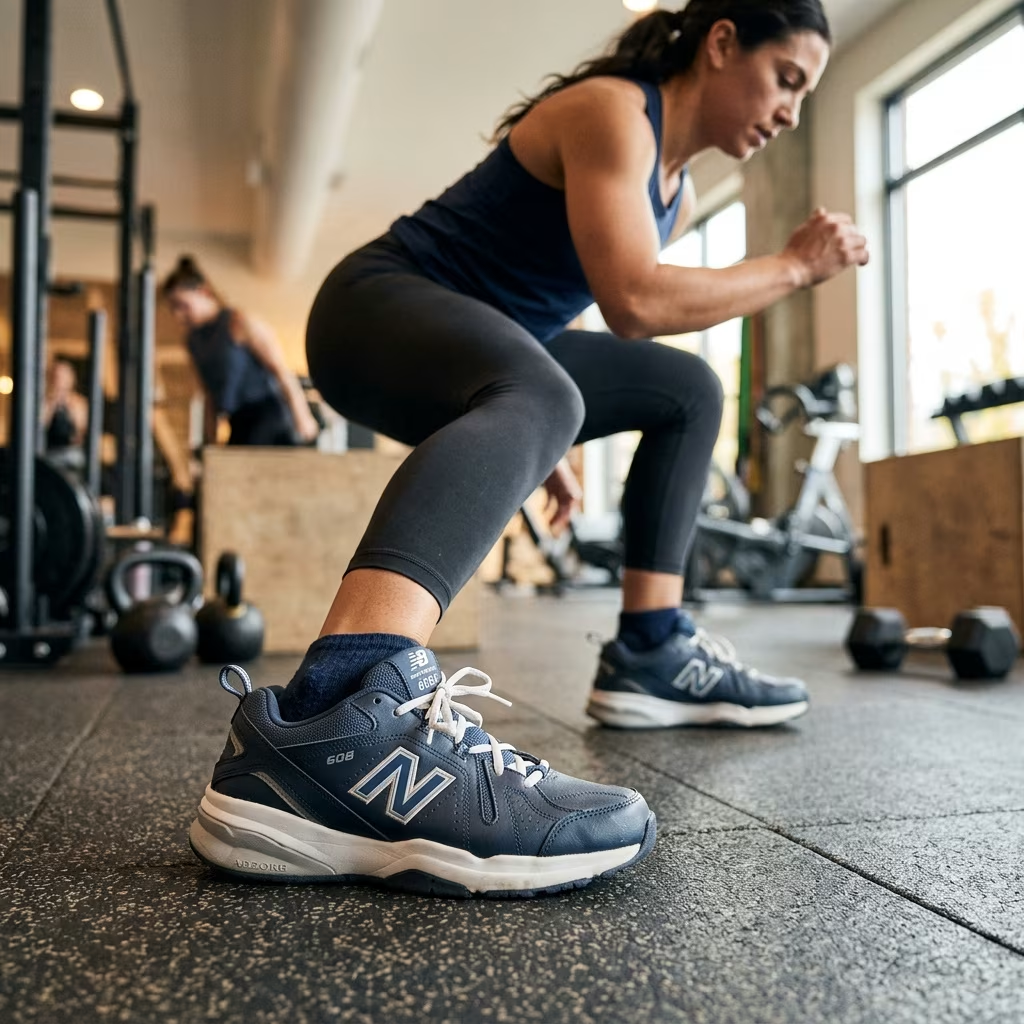
Calisthenics is a type of exercise that relies solely on bodyweight for resistance, without the need for equipment. Common movements engage large muscle groups through push, pull, squat, and core stabilization patterns. Think of classic exercises such as squats, push-ups, sit-ups, burpees, and lunges—all fall under the calisthenics umbrella.
According to certified trainers, calisthenics is highly effective for building strength, enhancing cardiovascular endurance, and improving flexibility and balance. This form of training prioritizes functional movement patterns that mirror everyday activities, making it foundational for both athletic performance and daily living.
- Equipment-free: No need for a gym or costly gear. All you need is space to move.
- Functional: Builds real-world strength for daily tasks.
- Adaptable: Suitable for beginners and easily progressed for advanced trainees.
Common Calisthenics Exercises
- Squats
- Push-ups
- Lunges
- Planks
- Sit-ups
- Jumping jacks
- Burpees
- High knees
The Science and Philosophy Behind Calisthenics
Calisthenics isn’t just about bodyweight training—it’s also about mastering movement. Each exercise develops control, stability, and spatial awareness. Fitness experts emphasize that calisthenics training forms the base for more advanced athletic skills, including plyometrics and resistance training.
Calisthenics is often incorporated into broader functional training programs. The emphasis is on multi-joint, compound movements that mirror daily or sport-specific actions, building both muscle endurance and joint mobility.
Benefits of Calisthenics Workouts
- Beginner-Friendly
There are endless variations to meet every skill level. Beginners can start with basic movements and progress to more advanced skills as strength, stability, and coordination improve. - Accessibility
No equipment is required. You can do calisthenics at home, in a park, or while traveling. - Versatility
Movements can be modified for cardiovascular conditioning, muscle strength, balance, agility, or flexibility. - Progression Potential
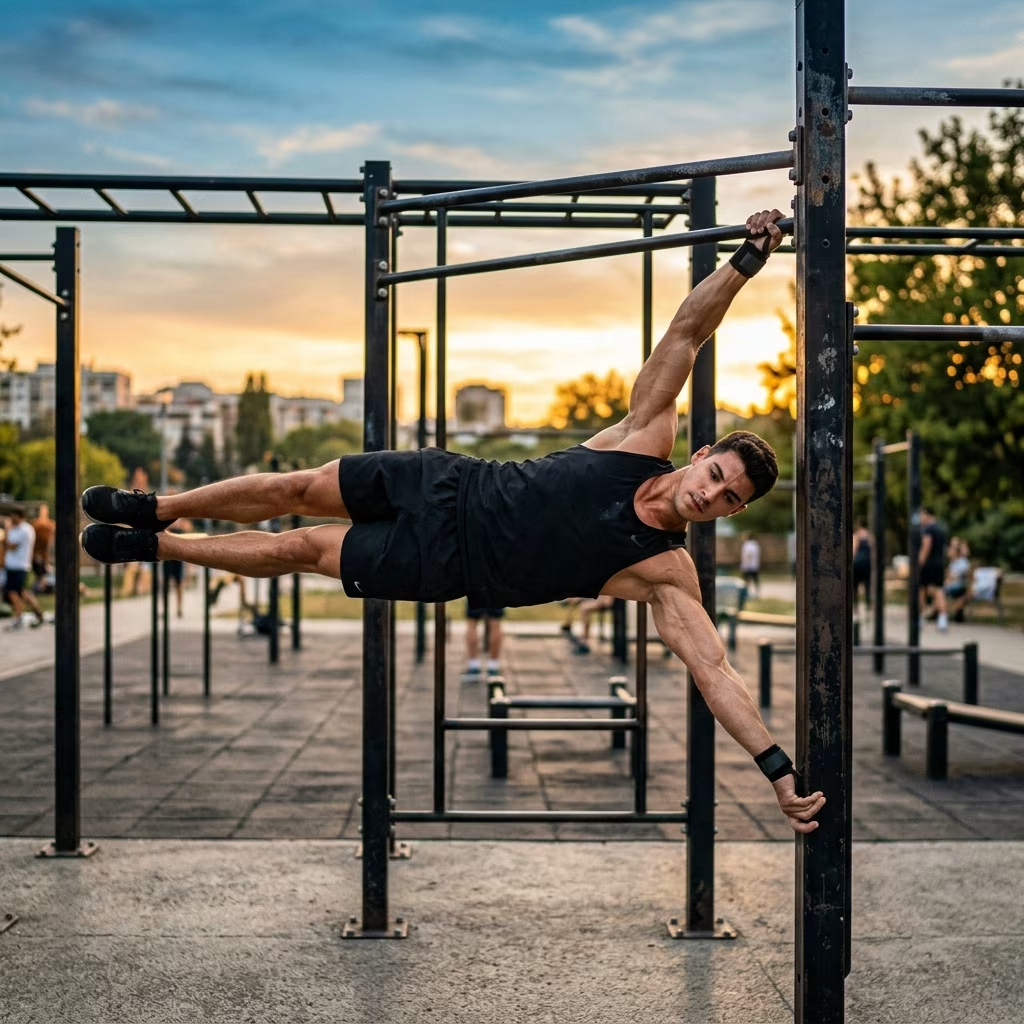
As you master foundational movements, you can progress to more challenging exercises such as pistol squats, plyometric push-ups, or handstands. - Functional Foundation
Calisthenics develops the movement patterns essential for more complex training modalities, including weightlifting and HIIT. - Comprehensive Training
Programs target multiple major muscle groups and aspects of fitness within a single session.
Starting Calisthenics: When and How to Begin
Anyone can integrate calisthenics into their routine, no matter their fitness background. If you’re new or returning to exercise, calisthenics is a safe and effective entry point. Here’s what experts recommend for getting started:
- Start Simple: Begin with foundational moves like bodyweight squats, push-ups (from knees or incline), lunges, planks, and jumping jacks.
- Focus on Form: Proper technique is key. Prioritize quality over quantity to build a strong and safe movement foundation.
- Listen to Your Body: Begin slowly, and progress only as your strength, stability, and stamina improve.
- Include Warm-ups and Mobility Drills: Prepare your body for movement and reduce injury risk with dynamic stretches and activation drills.
- Progress Gradually: Once basic moves feel comfortable, explore variants and increase intensity or duration.
Sample Beginner Calisthenics Workout Plan
| Exercise | Duration | Rest |
|---|---|---|
| Jumping Jacks | 40 seconds | 20 seconds |
| Bodyweight Squats | 40 seconds | 20 seconds |
| Alternating Reverse Lunges | 40 seconds | 20 seconds |
| Plank | 40 seconds | 20 seconds |
| Sit-ups | 40 seconds | 20 seconds |
Instructions: Complete each exercise for 40 seconds, followed by 20 seconds of rest. After completing one full round, rest for one minute. Aim for 4–5 rounds depending on your ability level. As you grow stronger and more conditioned, increase either the number of rounds or the intensity of each exercise.
Incorporating Calisthenics Into Any Workout Routine
Calisthenics can stand alone as a full-body workout or be mixed with other exercise modalities. Here are strategies to make the most of calisthenics in your overall fitness routine:
- As a Warm-up: Use gentle bodyweight movements to prepare the body for heavier resistance training or athletics.
- Part of Circuit Training: Alternate traditional strength exercises with calisthenics for an effective circuit workout.
- On Rest Days: Active recovery with calisthenics, stretching, and mobility work keeps the body moving and helps with recovery.
- Travel/At-Home Workouts: Keep fit when you lack access to equipment or gyms.
Expert Tips for Success With Calisthenics
- Master Technique and Range of Motion: Good form ensures safety and optimal gains. Focus on deep, controlled repetitions before adding speed or intensity.
- Consistency is Key: Practice calisthenics 2–4 times per week for best results.
- Warm Up Properly: Mobilize joints and increase blood flow with a dynamic warm-up (e.g., arm circles, bodyweight squats, lunges, cat-cow).
- Gradually Increase Challenge: As movements become easier, progress to harder variations, add more sets or rounds, or decrease rest intervals.
- Reframe Recovery: Allow 24–72 hours of rest for muscle groups between sessions. Active recovery, good sleep, and nutrition all promote adaptation.
- Practice Patience: Skill development in calisthenics, especially advanced moves, takes time and regular effort. Celebrate progress, even the small wins.
Frequently Asked Questions (FAQs) About Calisthenics
Q: What makes calisthenics different from traditional weight training?
A: Calisthenics uses your own bodyweight for resistance rather than external equipment. It improves not only muscular strength and endurance but also balance, coordination, and joint mobility. Traditional weight training often emphasizes load-based progression; calisthenics focuses on mastering movement and progressing through more difficult variations.
Q: Can calisthenics build muscle?
A: Yes. Calisthenics can increase muscle mass, particularly for beginners, by providing enough stimulus to elicit strength and hypertrophy gains. Movements can be advanced with tempo changes, unilateral patterns, and plyometrics to continue building muscle over time.
Q: Who should do calisthenics?
A: Calisthenics is suitable for people of all ages and fitness backgrounds. It’s especially beneficial for those seeking a low-cost, accessible, and comprehensive form of exercise to build foundational strength and movement skills.
Q: How soon will I see results from calisthenics?
A: Most people notice improved strength, balance, and endurance within a few weeks of consistent practice. Visible changes in muscle tone typically follow after several weeks to a few months, depending on frequency and intensity.
Q: What are examples of common calisthenics progressions?
A: Once basic moves like push-ups, squats, and planks become comfortable, try progressions such as decline push-ups, jumping squats, single-leg lunges, or adding plyometric elements. Over time, advanced moves like pistol squats or handstands can be added.
Quick Reference: Calisthenics vs. Other Fitness Modalities
| Calisthenics | Traditional Weight Training | Cardio Workouts |
|---|---|---|
| Bodyweight only | Uses external resistance (dumbbells, bars) | Body movement, machines, or free weights |
| Enhances functional strength | Builds pure muscle mass | Improves cardiovascular health/endurance |
| Can be done anywhere | Requires gym/equipment | Anywhere, often no equipment needed |
| Builds balance, mobility, and coordination | Some balance, less focus on coordination | Improves endurance, some flexibility |
Advanced Calisthenics and Moving Forward
As you grow more confident and capable, experiment with more advanced bodyweight skills. Examples include:
- Pistol squats: Single-leg squats requiring considerable strength and balance
- Decline or plyometric push-ups: Add explosive power and instability
- Handstands and handstand push-ups: Advanced upper body and core control
- L-sit holds and V-ups: Advanced core strength
- Pull-ups and chin-ups: High resistance upper body movement; use a sturdy bar
Stay patient as you tackle harder skills, and always prioritize form and safety. Gradual progression, ample recovery, and consistent practice are keys to long-term success in calisthenics.
Conclusion
Calisthenics is a powerful, flexible, and inclusive method of fitness training. No matter your experience level, bodyweight exercises provide a foundation for lifelong strength, balance, cardiovascular health, and mobility. By learning and progressing at your own pace, you’ll open the door to a diverse, sustainable approach to fitness—anywhere, anytime.
References
- https://www.gymshark.com/blog/article/calisthenic-workouts-for-beginners
- https://www.prevention.com/fitness/workouts/a42217774/what-is-calisthenics/
- https://www.hoagorthopedicinstitute.com/blog/2020/november/what-are-calisthenics-and-why-are-they-important/
- https://www.prevention.com/fitness/fitness-tips/a63934577/does-walking-build-muscle/
- https://www.prevention.com/fitness/fitness-tips/a20438720/burn-calories-and-build-lean-muscle/
- https://www.prevention.com
- https://www.healthline.com/health/fitness-exercise/calisthenics